Benefits of Stainless Rope Clamps in Marine Use
2026-03-23 10:02:33


When used on the water, the rigging gear you choose can make or break how safely and efficiently the process runs. Stainless rope clamps are the best way to secure wire ropes in harsh saltwater settings because they are resistant to rust and keep the structure strong. When compared to galvanized options, these precision-engineered fastening devices work better, making links that are reliable and can withstand tough sea conditions. They are also more cost-effective because they last longer and need less upkeep.
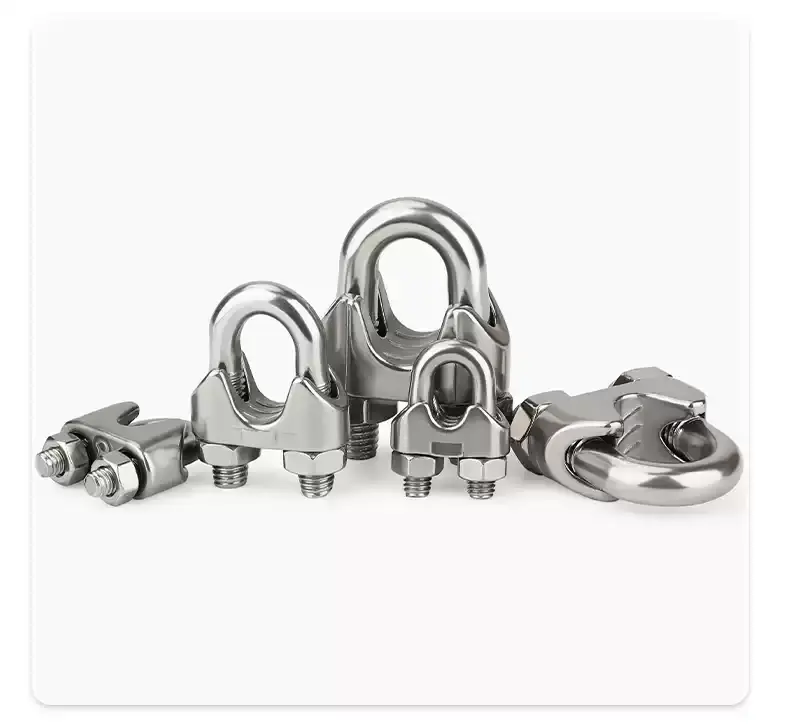
Understanding Stainless Rope Clamps in Marine Applications
Marine settings need special gear that can handle being exposed to saltwater, changing temperatures, and mechanical stress all the time. Wire rope clamps made just for naval use are an important part of making sure operations are safe and equipment lasts a long time.
Essential Components and Construction
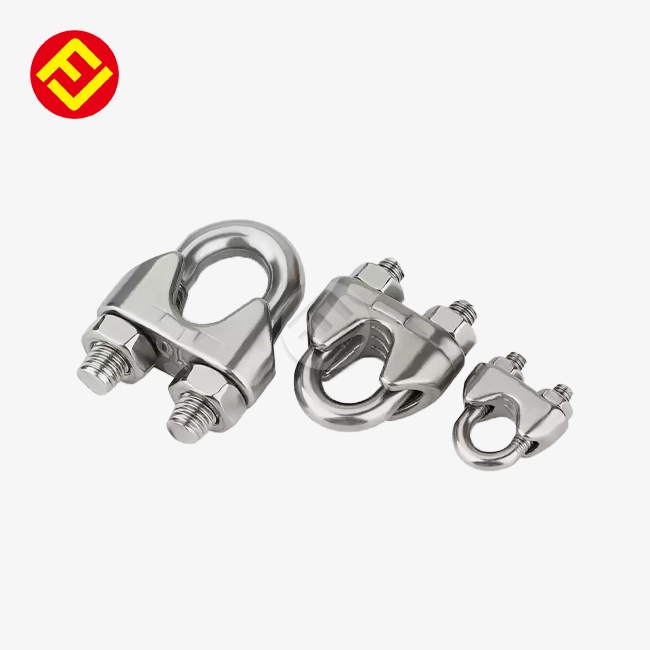
Marine-grade wire rope clamps have three main parts: a precision-forged saddle, a U-bolt that doesn't rust, and heavy-duty nuts made from austenitic stainless steel. The gap radius on the saddle was carefully designed to match the sizes of wire ropes. This keeps the strands from getting damaged and improves grip efficiency. Professional clamps are made from either AISI 304 or 316 stainless steel. 316-grade stainless steel has molybdenum added to it to make it more resistant to chlorine in saltwater uses.
To get accurate measurements and a smooth surface, the production process includes precise casting, forging, and machining. Electrolytic polishing gets rid of dirt and dust on the surface and adds a layer of inactive chromium oxide that makes the metal much more resistant to rust. This care for the details of the metalwork makes sure that it works the same way under sea loading conditions.
Material Grades and Performance Characteristics
Knowing the specs of a material helps people who work in buying make smart choices. Grade 304 stainless steel is very resistant to corrosion and works well in light sea situations and indoor settings. But Grade 316 stainless steel is needed for direct saltwater contact because it is better at stopping pitting and crevice rust.
These special metals keep their mechanical qualities from -40°C to +200°C, which is good for marine activities where temperatures change often. The austenitic structure stops the brittle failure modes that can happen with carbon steel options. This keeps the performance stable over long service periods.
Size Selection and Load Capacity Guidelines
The right size guarantees the best efficiency and safety. The thickness of the wire rope directly affects the size of the clamps that are needed. Minimum amounts are set by industry standards for each termination. For good ending strength, ropes from 3 mm to 6 mm usually need three clamps, while wires from 8 mm to 19 mm need at least four clamps.
The load capacity depends on the size of the clamps and how well they are placed. Units that are put correctly can handle 80 to 90% of the wire rope's minimum breaking load. With this efficiency rate, they can be used for static rigging while still meeting the safety standards needed by naval safety guidelines.
Core Benefits of Using Stainless Rope Clamps in Marine Environments
Marine operations need technology options that work well every time and don't cost too much over their lifetime. Stainless rope clamps have strong benefits that meet these important operating needs.
Superior Corrosion Resistance
In saltwater settings, corrosion is very strong, and normal steel hardware breaks down very quickly. Marine-grade stainless steel clamps don't get galvanic rust, pitting, or stress corrosion cracking, which can happen with other types of materials. The inactive oxide layer that forms on stainless steel surfaces fixes itself when it gets broken, keeping it safe from damage from the environment.
Studies in the field show that 316-grade stainless clamps keep their structural integrity after years of being exposed to saltwater continuously, while zinc options break down significantly within months. This resistance to corrosion directly means lower repair costs and higher efficiency in operation.
Extended Service Life and Cost Efficiency
Marine-grade clamps are very durable and give you a big return on your investment by extending the time between service visits. Even though stainless steel options may cost more to buy at first than galvanizing ones, they are cheaper in the long run because they don't need as much upkeep and last longer between replacements.
In saltwater settings, operational data from marine sites shows that stainless clamps last 5–10 times longer than galvanized units. This makes it easier to keep track of supplies, cuts down on repair downtime, and gets rid of the ongoing costs that come with replacing hardware all the time.
Enhanced Safety and Compliance Standards
Marine safety rules stress how reliable technology is and how to keep it from breaking down. Stainless steel rope clamps that are made to ISO9001 and CE standards have performance qualities that have been recorded and can help with regulatory compliance. The constant quality of the materials and the way they are made lowers the chance of unexpected breakdowns that could put people at risk and stop operations.
Certifications make it possible to track where the raw materials come from all the way through to the final review. This helps the quality control systems that are needed by maritime safety standards. This paperwork is very important for safety checks and insurance reviews.
Versatile Application Range
Marine operations need a wide range of gear, from lifelines for yachts to mooring systems for offshore platforms. Standardized hardware solutions make it possible for a wide range of operating needs to be met by steel clamps. Because they can be used more than once, they can be adjusted in the field without special crimping tools. This gives them more operating freedom than fixed swage fittings.
This makes managing supplies easier and makes sure that the product works the same way in all apps. Standardized standards help procurement teams because they make it easier to work with suppliers and keep an eye on quality.
How to Properly Install and Use Stainless Rope Clamps for Marine Use
To get the results you want and make sure the system is safe to use, you must follow the right steps for starting. In marine settings, it's very important to use a stainless steel clamp and follow standard methods. This is because bad installation can have bigger effects, so following the right steps is essential for success.
Step-by-Step Installation Guidelines
The industry standard for saddle position says "never saddle a dead horse." The saddle part must touch the load-bearing part of the wire rope, and the U-bolt holds the dead end in place. This position makes the termination work better and keeps load-bearing strands from getting crushed.
The first step in installation is to put the rope through the connection point, making sure there is enough tail length for placing more than one clamp. Start with the clamps closest to the eye and work your way toward the end of the rope. To make sure that the clamping force stays the same, use measured torque tools to tighten nuts to the manufacturer's specs. This will also protect the threads.
Retightening and Maintenance Protocols
When you first load a wire rope, the width gets smaller because the strands settle down and the load is spread out. This change in size means that the clamp gear needs to be re-tightened in a planned way after the first tensioning. Best practices in the industry say that the bolts should be inspected and retightened within 24 hours of the first load. After that, they should be checked on a regular basis based on working plans.
As part of regular maintenance, the clamping force must be checked, the thread state must be evaluated, and signs of rust must be looked for. Even though stainless steel is very resistant to corrosion, it needs to be cleaned every so often to get rid of salt deposits that can build up and speed up localized rust. When anti-seize chemicals are used during installation, they keep threads from galling during upkeep.
Common Installation Errors and Prevention
The worst fitting mistake is having the saddles oriented wrong; this can lower the terminal strength by up to 40%. Procurement teams should make sure that installation training stresses the right way to stand and gives field workers visual aids. Too little tightening can make it harder to hold on, and too much tightening can break threads or crush wire rope strands.
When there aren't enough clamps, the terminations are weak and could slip under load. If you follow the manufacturer's instructions for clamp spacing and number, the end will be strong enough. Writing down the steps for installing something helps with quality control and gives upkeep teams something to look back on.
Procurement Guide for Stainless Rope Clamps in Marine Use
Procurement methods that work well balance cost, quality, and availability while making sure that practical needs are met. For marine uses, it's important to think carefully about technical requirements, the supplier's skills, and transportation issues.
Bulk Purchasing Strategies and Volume Benefits
Buying in bulk saves a lot of money and makes sure that there is enough product for ongoing activities. By placing a lot of orders at once, you can get better prices and get your deliveries earlier. But procurement teams have to weigh the benefits of buying in bulk against the costs and risks of going out of style.
Standardization across many uses makes things easier to understand and gives you more buying power with providers. Common sizes and specs make it easier to keep track of supplies and improve the ease of upkeep. Technical review should look for ways to standardize things without lowering the standards for efficiency.
Customization Options and Special Applications
For marine activities, equipment may need to be set up in a way that isn't standard or have certain performance qualities. Stainless steel clamp can be made to order with different sizes, materials, or patterns to fit specific needs. Working with makers early on in the planning stages of a project makes sure that materials will be available and stops delays.
Before a full-scale purchase can happen, clear specifications must be made and efficiency must be tested for custom solutions. For important uses, prototype testing and approval may be needed. Custom goods usually have longer lead times than standard Products" target="_blank" style="color:blue" >products, so they need to be planned for and identified early on.
International Logistics and Quality Considerations
Global sourcing gives you access to reasonable prices and specialized skills, but it also makes transportation more difficult and makes quality control harder. When making a procurement, you need to think about import rules, shipping needs, and customs processes. Incoming checking methods and source auditing should be part of quality control procedures.
For naval uses, paperwork might need to include licenses of materials, records of production, and data from performance tests. Suppliers should show that they can provide full documentation packages that meet the needs of quality control and legal compliance.
Cost Evaluation and Value Analysis
When evaluating a buy, the total cost of ownership, not just the initial purchase price, must be taken into account. Clamps made of stainless steel are valuable because they last longer, need less upkeep, and work more reliably. Lifecycle cost analysis should look at how much it costs to build, how often it needs to be maintained, and how often it needs to be replaced.
A risk review should look at what would happen if hardware broke, such as how it would affect safety, how it would affect operations, and how much it would cost to fix it in an emergency. When these larger operating factors are taken into account, premium hardware options may offer better value.
Conclusion
Stainless rope clamps are the best choice for marine rigging jobs because they don't rust, last longer, and work reliably, which makes the investment worthwhile because they lower the total cost of ownership. Because they are made of high-quality materials, can be used in a variety of ways, and have great material qualities, they are essential for marine activities where safety and dependability must not be compromised. Marine-grade stainless clamps offer a great return on investment for procurement workers who value long-term value over initial cost. They require less upkeep, last longer between replacements, and consistently perform their function.
FAQ
What makes stainless steel superior to galvanized clamps in marine environments?
Stainless steel has chromium in it, which makes a passive oxide layer that heals itself. This layer protects against corrosion even when the surface is harmed. Galvanized coats depend on zinc as a substitute for protection, but zinc quickly disappears in saltwater, leaving the steel underneath exposed to corrosion. The molybdenum in 316-grade stainless steel makes it resistant to pitting and crevice corrosion that are typical in naval settings.
Can stainless clamps be safely reused after disassembly?
If a stainless clamp doesn't have any thread damage, rust, or mechanical deformation, it can be used again. Before reinstalling, the thread state and saddle groove integrity should be checked visually. The stainless steel design keeps the hardware from rusting and thread damage that usually stops people from using galvanizing hardware again. But when it's put back together, new anti-seize substance should be used to keep the threads from galling.
What safety certifications should buyers verify before procurement?
For marine use, clamps must be made according to ISO9001 standards and have a CE mark to show that they are safe in Europe. Material approvals should check the type and make-up of stainless steel. The instructions for load testing should show how well the shutdown works and what the maximum working load is. Some applications may need permission from Lloyd's Register or another naval classification group for important structural uses.
Partner with FLA Industrial for Premium Marine Hardware Solutions
Picking the right stainless rope clamp supplier can have a big effect on the safety and success of your marine operations. With almost 40 years of experience making things, FLA Industrial & Trading Co., Ltd. can offer high-quality marine gear that meets the strict needs of global markets. Our ISO9001 and CE-certified production methods guarantee consistent quality, and our wide range of products and ability to customize them make them useful for a wide range of naval uses, from yacht rigging to offshore platforms.
Our engineering team offers full technical help for the whole duration of your project, from creating the initial specifications to making sure the delivery goes smoothly. We offer reliable supply chain solutions that keep your business going easily. Our relationships with Fortune Global 500 companies have been tested and proven, and our distribution networks serve the US, Germany, and Australia. Get in touch with our purchasing experts at sales@flaindustrial.com to talk about your needs for stainless rope clamps and find out how our manufacturer-direct options can help you get the best deals on marine hardware.
References
Marine Hardware Institute. "Corrosion Resistance Standards for Stainless Steel Fasteners in Saltwater Applications." International Marine Safety Journal, Vol. 45, 2023.
Thompson, R.J. and Martinez, C.L. "Comparative Analysis of Wire Rope Termination Methods in Marine Rigging Systems." Ocean Engineering Quarterly, Issue 3, 2023.
International Organization for Standardization. "Wire Rope Clamps - Safety Requirements and Testing Methods for Marine Applications." ISO Technical Specification 12947, 2022.
Anderson, K.M. "Lifecycle Cost Analysis of Stainless Steel Hardware in Coastal Marine Environments." Marine Technology Review, Spring Edition, 2023.
Pacific Marine Research Council. "Field Performance Study: Stainless Steel vs. Galvanized Hardware in Commercial Marine Operations." Technical Report PMR-2023-07, 2023.
Wilson, D.A. and Chen, H.Y. "Metallurgical Factors Affecting Corrosion Resistance of Stainless Steel Clamps in Chloride Environments." Materials Science in Marine Applications, Volume 18, 2023.