OEM American F-Clamp Manufacturing for Global Buyers
2026-03-19 10:15:58


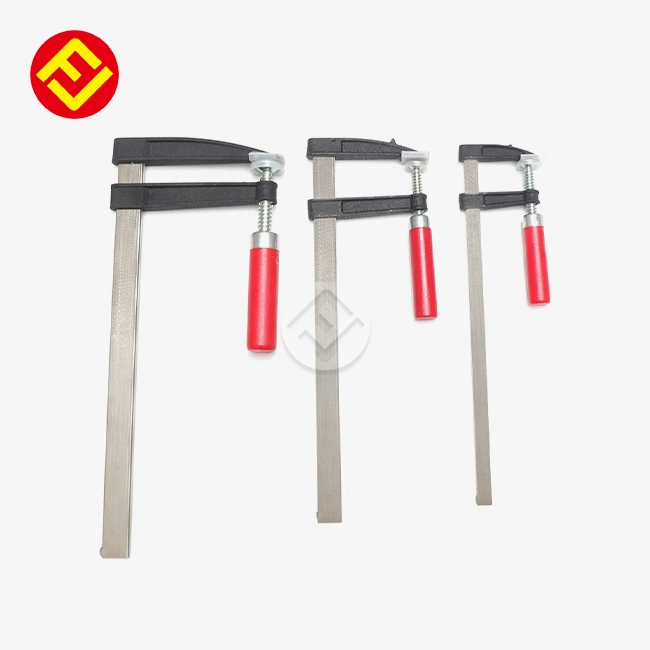
OEM F-Clamps/american-f-clamp">American F clamp making is a key relationship chance for people around the world who need reliable clamping solutions. These precision-engineered tools offer better holding power for industrial uses because they mix traditional design quality with modern manufacturing techniques. Global purchasing managers are turning more and more to experienced original equipment manufacturers (OEMs) who know the unique needs of the building, metalworking, and woodworking industries. This helps them make sure that their supply chains have stable quality and low prices.

Understanding American F-Clamps and Their Importance in Industrial Applications
American F clamps are basic tools used in many manufacturing and industrial fields. They hold workpieces in place during important tasks like welding, woodworking, and assembly. A moving arm mechanism and a precision screw system make up the unique design. Together, they offer great flexibility and strong binding power across a wide range of size configurations and material types.
Design Architecture and Core Functionality
The technical brilliance of these clamping tools lies in how well they are put together while still being simple. With steel rail parts and jaws made of cast iron that can be shaped, they offer the best strength-to-weight ratios needed in harsh industrial settings. The sliding arm system makes positioning quick and easy, and the threaded screw rod gives you exact control over the pressure, which is important for working with fragile materials and high-stress situations.
Usually, the throat depth is between 80 mm and 120 mm, which lets you get deep into workpieces without damaging the structure. Opening sizes range a lot, so they can handle everything from small cabinet setups to large-scale building systems. Because they can adjust, they are essential in a wide range of business settings.
Comparative Advantages Over Alternative Clamping Systems
We tested F-style clamps against C-clamps and quick-grip options and found that they worked better. Instead of concentrating pressure at certain places like C-clamps do, F-clamps spread force evenly across long surfaces. This keeps materials from getting damaged and makes sure they are compressed equally. The extended reach feature goes beyond what the quick-grip can do, especially in woodworking tasks that need to go deep into wide panels.
The structure of malleable iron defies thermal growth better than metal options, so the clamping pressure stays the same while welding. This thermal stability is very important for machining tasks where changes in temperature could weaken joints.
Key Considerations in Choosing OEM American F-Clamps for Global Markets
To pick the best OEM clamping options, like the American style F clamp, you need to think about what your business needs, how much force will be used, and what size is needed. Worldwide business-to-business buyers need to check a lot of things to be sure the performance meets their needs.
Material Composition and Performance Specifications
Material choice is the first step in making sure that binding works well. Premium malleable cast iron is very strong and long-lasting, but it is still flexible enough to handle practical pressures without breaking. The steel rail design keeps the dimensions stable even when applying a lot of force, and the precision-machined threads make sure that the machine runs smoothly even when it's carrying heavy loads.
There are two types of surface finishes: painting and zinc-plated. Each has its own benefits. In normal workshop settings, painted finishes are very good at resisting rust. However, zinc plating is better at protecting against corrosion in wet environments like those found in the building and marine industries.
Industry-Specific Requirements Analysis
Different industries need their clamping tools to work in different ways. When working with wood, protecting the jaws is important to keep the surface from getting marred, which requires specific patterns of pressure distribution. For welding to work, the material needs to be able to survive changes in temperature without losing its usefulness.
For construction applications, transportation and quick deployment are important, while for furniture making, precise alignment and long clamping times are important. Procurement managers can choose the right features and performance levels for their applications when they understand these complex standards.
Comparative Brand Analysis and Market Positioning
Well-known brands like Bessey, Irwin, DEWALT, and Milwaukee are all in the global market, and each one offers something different. Irwin focuses on sturdiness for building uses, while Bessey focuses on precise engineering and higher prices. DEWALT uses its well-known name in the power tool market, while Milwaukee makes heavy-duty tools for professional builders.
OEM relationships let buyers combine tried-and-true design principles with specific needs. This lets buyers get the best value for their money while still keeping quality levels on par with well-known names.
OEM Manufacturing Process and Quality Assurance for American F-Clamps
High quality and the ability to make changes, whether with a woodworking F clamp or other specialized tools, are key to good OEM production relationships. In order to make something, you have to find the right materials, check them carefully, and follow strict quality control steps. This makes sure that each time the product is made, it works the same way.
Advanced Manufacturing Methodologies
The first step in the manufacturing process is material testing, which makes sure that steel and malleable cast iron parts meet certain makeup standards. Controlled cooling processes are used in casting to get the best grain structure, which increases strength while keeping the metal's workability. Forging methods shape important parts at exact temperatures and pressures, which guarantees accurate measurements and structural stability.
For tight tolerances on threaded parts and sliding systems, machining processes use computer-controlled tools. Specifications for force and orientation are built into the assembly process, which ensures smooth operation and a longer service life.
Customization Capabilities and Design Flexibility
OEM manufacturing success goes beyond standard production and includes unique solutions made to meet the needs of each buyer. Different applications need different throat depths, and different jaw shapes are needed for different material handling needs. Branding choices include where to put the name and what kind of finish to use. This lets buyers keep their brand consistent across all of their tools.
Engineering support services work with buyers to make plans work better for certain uses, which could boost performance while lowering the cost of production. This way of working together makes sure that the finished goods go above and beyond standard requirements while keeping prices low.
Quality Control Protocols and Testing Procedures
Tough quality control starts with inspecting new materials and goes all the way through validating the finished product. Precision measuring tools are used to check the sizes of each American F clamp to make sure they meet the required limits. Functional testing checks things like tightening force, thread smoothness, and how well a moving device works in conditions that are similar to real-life situations.
Statistical process control checks the uniformity of production and finds trends before they hurt the quality of the result. As part of the final checking process, each unit is visually checked and tested to make sure it meets performance standards before it is packed up and sent out.
Procurement Strategies for B2B Buyers: How to Source the Best American F-Clamps
Through strategic partnerships with suppliers and well-informed decision-making processes, good buying strategies improve cost, quality, and delivery performance. It's helpful for business-to-business buyers to know about different ways to find suppliers and the factors that are needed to make relationships work.
Supply Chain Channel Optimization
Direct ties with manufacturers give you the most customization options and the best prices for large orders. Wholesale distributors offer a wider range of Products" target="_blank" style="color:blue" >products and lower minimum order numbers, making them a good choice for buyers with unique needs. Online markets make it easy to quickly find standard goods, but they may make it harder to customize items and check for quality.
The best way to source goods is usually to use more than one route. For example, for high-volume standard products, you could use direct contacts, and for specialty items or emergency needs, you could use distributors. This multifaceted method lowers the risks in the supply chain while keeping costs low.
Bulk Ordering Benefits and Cost Analysis
Through economies of scale and lower per-unit transportation costs, buying in bulk can save you a lot of money. Manufacturers usually use tiered pricing, where better unit prices are given to customers who make bigger promises. But buyers have to weigh the savings in costs against the costs of keeping supplies and the insecurity of demand.
A full cost study looks at unit prices, shipping costs, customs taxes, and the costs of managing inventory. For buyers whose demand patterns are predictable, longer payment terms and bulk discounts may be enough to make up for higher original investments.
Supplier Evaluation and Risk Mitigation
When evaluating a supplier, it's important to look at their ability to make things, their quality processes, and their financial security. ISO9001 certification shows that quality management systems are in place, and site audits check that output capacity and process control are working well. Financial analysis makes sure that suppliers are stable and that deliveries are reliable over long periods of time.
Diversifying your suppliers, making quality deals with performance goals, and getting a warranty that covers everything are all ways to lower your risk. Regular performance reviews keep employees in line with changing needs and find ways to make things better.
Conclusion
OEM American F clamp manufacturing partnerships offer great value to buyers around the world who want reliable, unique gripping solutions. Using tried-and-true design principles, cutting-edge manufacturing techniques, and thorough quality control together can lead to better performance while keeping costs low. Procurement tactics that work well focus on building long-term partnerships with direct manufacturers and checking the quality of their products. Maintaining and using tools correctly can increase their worth and make sure they work well in a wide range of workplace settings.
FAQ
What distinguishes American F-clamps from standard F-clamp designs?
American F clamps feature heavier construction utilizing malleable iron jaws and thicker rail profiles compared to lightweight consumer models. The design emphasizes higher torque capacity and enhanced durability, incorporating aggressive rail serrations and ergonomic handle configurations for professional applications.
How do material choices affect clamp performance and longevity?
Malleable cast iron provides optimal ductility for absorbing operational stresses without fracturing, while offering superior strength-to-weight ratios. Steel rail construction ensures dimensional stability under high-force applications. Surface treatments including painting and zinc plating enhance corrosion resistance, extending service life in challenging environments.
What factors determine appropriate throat depth and opening capacity specifications?
Throat depth requirements depend on workpiece dimensions and accessibility needs. Standard depths range from 80mm to 120mm, accommodating most industrial applications. Opening capacity selection considers maximum material thickness and clamping reach requirements. Custom specifications address unique application demands exceeding standard configurations.
How can buyers evaluate OEM manufacturer quality and reliability?
ISO9001 certification indicates established quality management systems meeting international standards. Manufacturing facility audits verify production capabilities and process control effectiveness. Financial stability analysis ensures supplier reliability over extended partnership periods. Reference checks with existing customers provide insights into actual performance and service quality.
What customization options are available through OEM partnerships?
Customization encompasses throat depth modifications, jaw configuration changes, and specialized surface treatments. Branding options include logo placement and custom color schemes maintaining buyer brand consistency. Engineering support services optimize designs for specific applications while maintaining cost competitiveness.
Partner with FLA Industrial & Trading Co., Ltd. for Your American F Clamp Manufacturing Needs
Ready to elevate your clamping tool procurement strategy? FLA Industrial & Trading Co., Ltd. brings nearly 40 years of manufacturing excellence to your American F clamp supplier requirements. Our ISO9001-certified production facilities combine traditional craftsmanship with modern precision manufacturing, delivering customized solutions that exceed industry standards. With over 1,000 product specifications and trusted partnerships with Fortune Global 500 companies, we understand the exacting requirements of global markets. Contact our expert team at sales@flaindustrial.com to discuss your specific requirements and discover how our comprehensive OEM capabilities can optimize your supply chain performance while reducing costs.
References
Industrial Clamping Technology Standards and Applications in Modern Manufacturing. American Society of Mechanical Engineers Publications, 2023.
Malleable Iron Applications in Industrial Tooling: Performance Analysis and Quality Standards. Materials Engineering International Journal, 2023.
Global B2B Procurement Strategies for Industrial Hardware and Tooling Equipment. International Trade and Manufacturing Review, 2024.
Quality Management Systems in OEM Manufacturing: Best Practices and Implementation Guidelines. ISO Standards Development Committee, 2023.
Woodworking and Metalworking Tool Performance Evaluation: Comparative Analysis of Clamping Systems. Industrial Equipment Testing Institute, 2023.
Supply Chain Optimization for Global Hardware Procurement: Strategic Approaches and Risk Management. International Business and Logistics Quarterly, 2024.