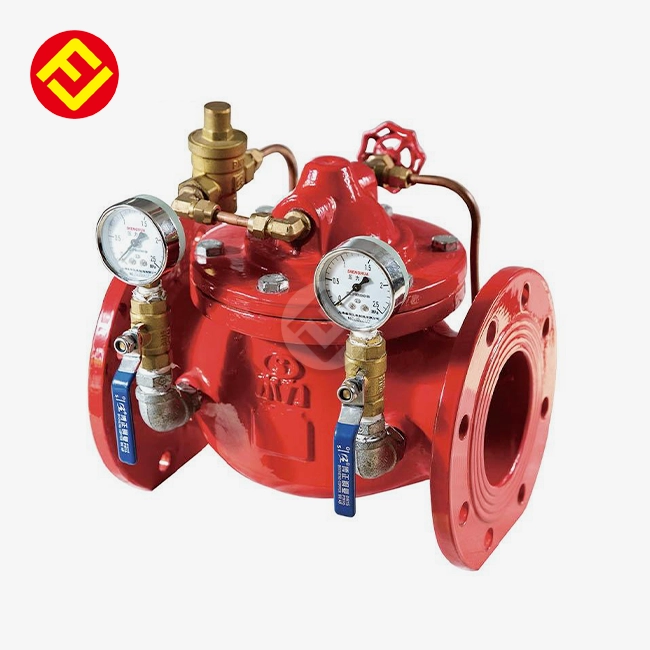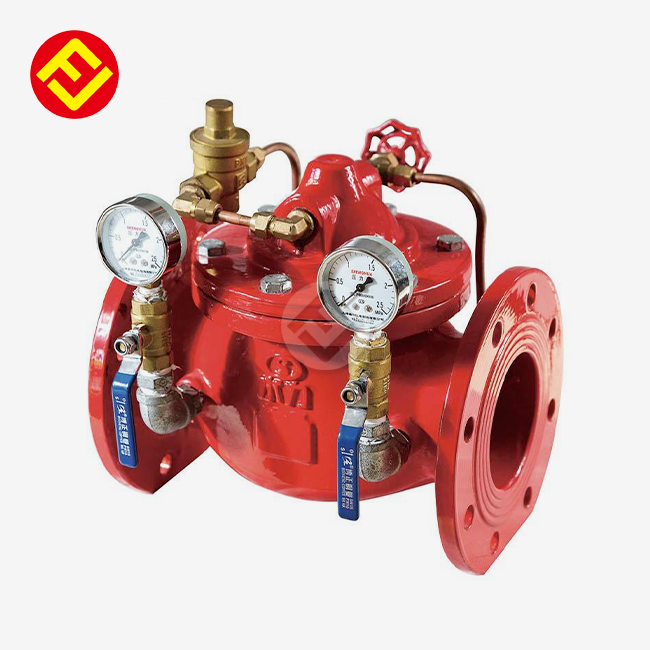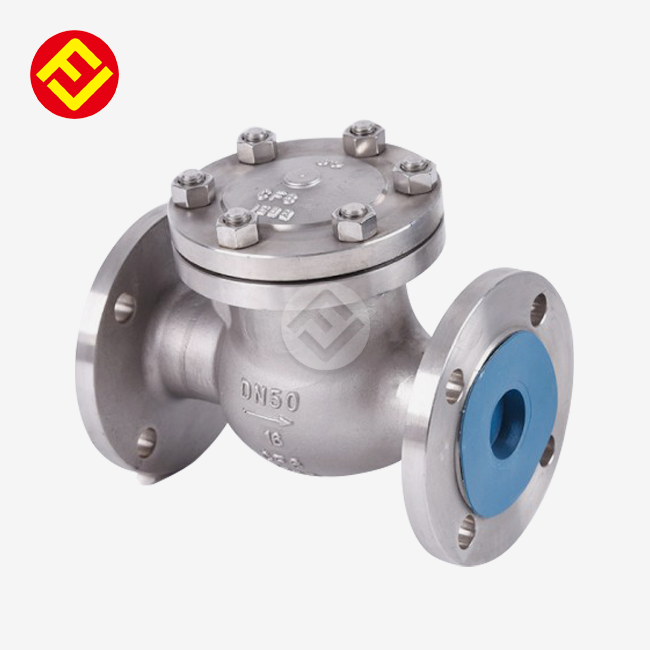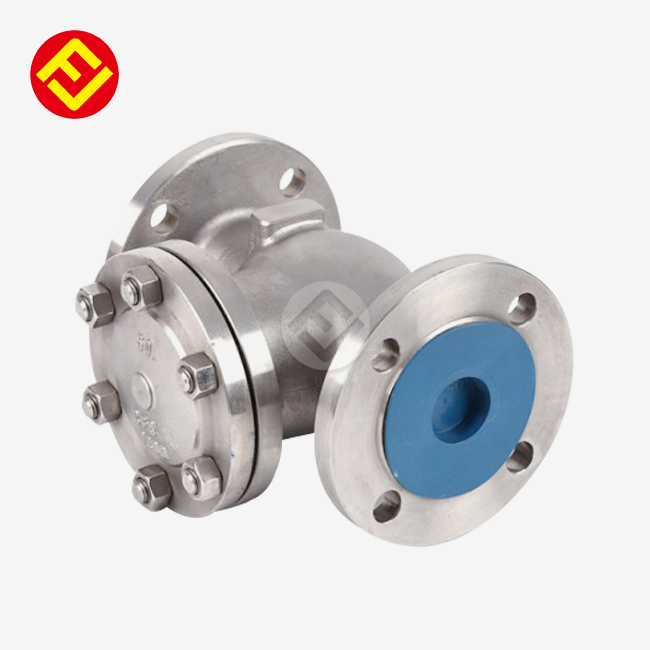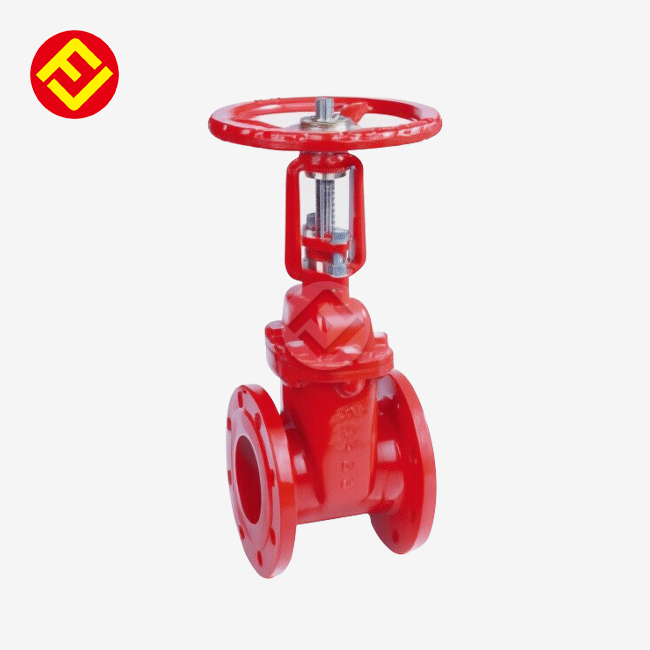
Fire Protection Flanged Valve


Application: Used for opening, closing, and controlling water flow in fire protection pipelines, suitable for hydrant systems and sprinkler systems.
Appearance: Both ends with standard flanged connections; valve body coated with anti-corrosion paint.
Origin: China
Manufacturing Process: Casting / Machining / Assembly / Coating
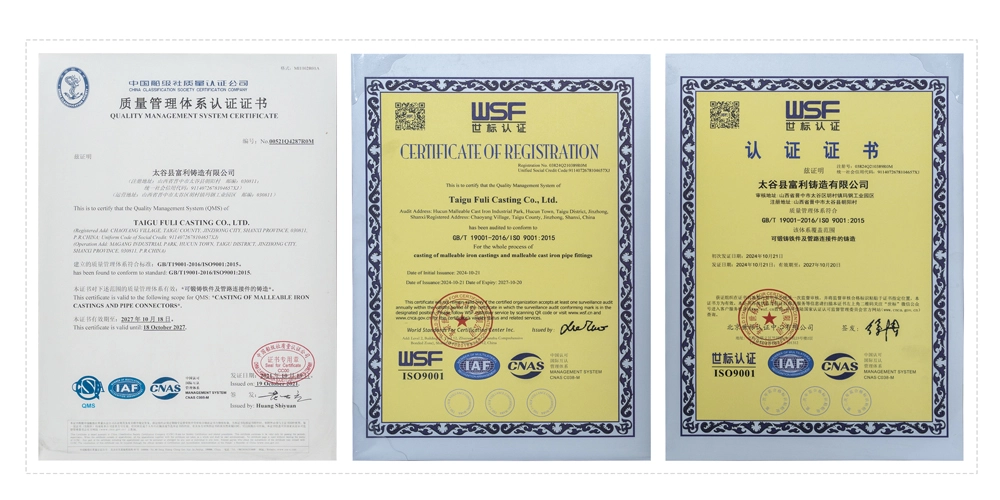
Certification: ISO9001, CE, UL, FM
Fire Protection Flanged Valve for Hydrant and Sprinkler Systems
Now and then a fire water line has to be shut off in a safe way while inspection or repair work goes ahead. In hydrant and sprinkler systems, that task falls to the Fire Protection Flanged Valve from FLA Industrial & Trading Co., Ltd. Water flow opens and closes with it. Keeping that flow under control is part of the job. Both ends come flanged. One body option is cast iron. Ductile iron and carbon steel also appear on the list. Product data lists ISO9001, CE, UL and FM certifications. Send the sales team your pipework details. Include the pressure class and your project schedule. The team goes through all of it with you before you place the order.
What Is Valve?
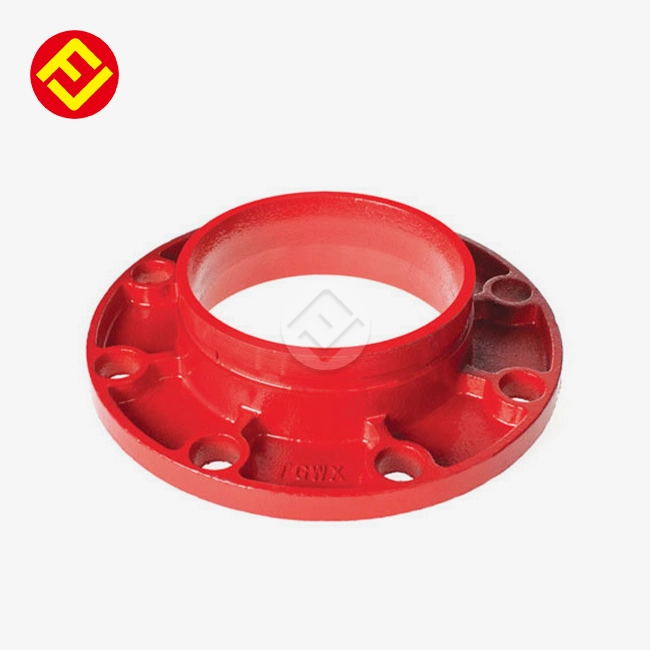
This product works as an isolation valve on fire water pipelines. At each end sits a flange. You bolt it to matching pipe flanges to connect it. Specification data gives ANSI Class 125/150 and PN10/16 as the flange standards. Before you order, find out which flange standard your existing pipework uses.
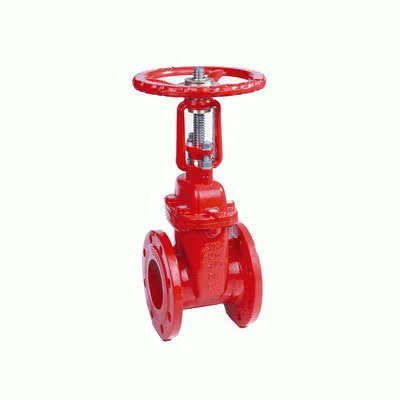
Specifications
| Model (DN) | Valve Body Type and Rod Weight (kg) | Valve Body Length |
|---|---|---|
| DN40 | National Standard Medium Body Steel Rod, 5.5 kg | Approx. 14.3 cm |
| DN40 | National Standard Large Body Steel Rod, 7.5 kg | Approx. 16 cm |
| DN50 | National Standard Body Steel Rod, 6.5 kg | Approx. 17.3 cm |
| DN50 | National Standard Medium Body Steel Rod, 7.5 kg | Approx. 17.5 cm |
| DN50 | National Standard Large Body Steel Rod, 9 kg | Approx. 17.2 cm |
| DN65 | National Standard Body Steel Rod, 7.5 kg | Approx. 18.5 cm |
| DN65 | National Standard Medium Body Steel Rod, 8.5 kg | Approx. 18.6 cm |
| DN65 | National Standard Large Body Steel Rod, 10.5 kg | Approx. 18.5 cm |
| DN80 | National Standard Body Steel Rod, 9 kg | Approx. 20 cm |
| DN80 | National Standard Medium Body Steel Rod, 10.5 kg | Approx. 20 cm |
| DN80 | National Standard Large Body Steel Rod, 12 kg | Approx. 19.7 cm |
| DN100 | National Standard Body Steel Rod, 10 kg | Approx. 21.5 cm |
| DN100 | National Standard Medium Body Steel Rod, 12.5 kg | Approx. 22.5 cm |
| DN100 | National Standard Large Body Steel Rod, 17.5 kg | Approx. 22 cm |
| DN125 | National Standard Body Steel Rod, 19 kg | Approx. 24.5 cm |
| DN125 | National Standard Medium Body Steel Rod, 21 kg | Approx. 25 cm |
| DN125 | National Standard Large Body Steel Rod, 24 kg | Approx. 25 cm |
| DN150 | National Standard Body Steel Rod, 20 kg | Approx. 26 cm |
| DN150 | National Standard Medium Body Steel Rod, 23 kg | Approx. 26.2 cm |
| DN150 | National Standard Large Body Steel Rod, 29 kg | Approx. 26.3 cm |
| DN200 | 8-hole National Standard Body Steel Rod, 36 kg | Approx. 28 cm |
| DN200 | 12-hole National Standard Body Steel Rod, 36 kg | Approx. 28 cm |
| DN200 | 8-hole National Standard Medium Body Steel Rod, 40 kg | Approx. 28 cm |
| DN200 | 12-hole National Standard Medium Body Steel Rod, 40 kg | Approx. 28 cm |
| DN200 | 8-hole National Standard Large Body Steel Rod, 50 kg | Approx. 28.4 cm |
| DN200 | 12-hole National Standard Large Body Steel Rod, 50 kg | Approx. 28.4 cm |
| DN250 | National Standard Medium Body Steel Rod, 70 kg | Approx. 32.5 cm |
| DN250 | National Standard Large Body Steel Rod, 80 kg | Approx. 32.5 cm |
| DN300 | National Standard Medium Body Steel Rod, 85 kg | Approx. 35 cm |
| DN300 | National Standard Large Body Steel Rod, 111.5 kg | Approx. 35 cm |
| DN350 | National Standard Large Body Steel Rod, 150 kg | Approx. 37.5 cm |
| DN400 | National Standard Large Body Steel Rod, 175 kg | Approx. 40.5 cm |
| DN450 | National Standard Large Body Steel Rod, approx. 251.5 kg | Approx. 430 cm |
| DN500 | National Standard Large Body Steel Rod, approx. 340 kg | Approx. 45.5 cm |
| DN600 | National Standard Large Body Steel Rod, approx. 450 kg | Approx. 50.7 cm |
Valve size range, face-to-face dimensions, weight, temperature rating and MOQ do not appear in the specification data we have. Ask sales for them. No values have been assumed.
Materials, Coating and Manufacturing Process
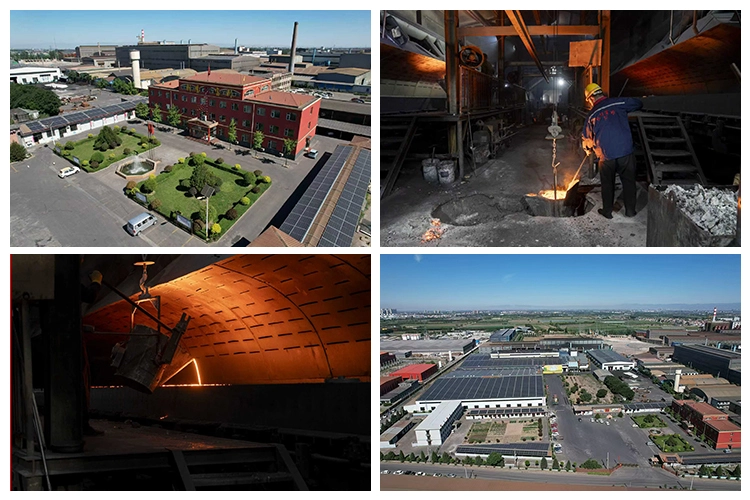
Higher tensile strength than grey cast iron usually comes from ductile iron in Grade 65-45-12 (ASTM A536). Impact resistance is better as well. Cast iron and carbon steel bodies appear on the list too. From start to finish, every valve goes through four steps: casting, machining, assembly and coating.
For coating, the spec names anti-corrosion paint. FBE to AWWA C550 is also called out, at more than 250 microns dry film thickness. The wedge is a resilient type wrapped in EPDM. Stainless steel makes up the stem.
Why These Design Details Matter in Fire Water Systems
A fire valve can sit in the same position for months at a time. Then one day it has to move. Corrosion that jams the works is a real risk in that setup. An EPDM-encapsulated wedge helps here. A stainless steel stem does too. Each one cuts the corrosion that causes sticking.
The gate valve version gives you a full-bore flow path. Water has a clear passage through it. Run your sprinkler hydraulic calculations and head loss stays lower. Listed working pressures for the Fire Protection Flanged Valve come in 200, 250 or 300 PSI. Match the rating to the pressure in your system.
OS&Y and NRS Valve Types
Gate valves come with two common stem designs. Which one ships with each order is not stated in the product data. Check the type with sales before you order.
- OS&Y (Outside Screw and Yoke): As the valve opens, the stem rises. One glance tells you if it is open or closed.
- NRS (Non-Rising Stem): The stem on this type stays down inside the valve body. Tight spots suit it well. Buried lines do too. Many of them ship with a post indicator.
Applications in Fire Protection Pipelines
You can put This product anywhere a hydrant or sprinkler section has to be shut off. Common spots are:
- Risers in multi-storey buildings: One floor zone can be shut off for maintenance. Draining the whole system is not needed.
- Pump connections: Put a valve on the suction side. The discharge side works too. The pump can then be pulled for service on its own.
- Outdoor fire water loops: Rust stays away thanks to the coating. A flanged end also lets you pull a section out faster. A welded joint takes longer.
Fire Protection Flanged Valve Customization and Technical Support
FLA also makes custom special-shaped parts. Sizes that are not standard fall under this, and so do special structures for machinery, building materials and other trades. Is your valve need one that can be met this way? Ask the sales team.
- Early stage: Mold development for custom parts. 3D design and verification come with it too.
- Mid stage: The product layout gets reviewed here. Material choice is confirmed at this step too. So are performance and dimensional accuracy.
- Late stage: Production progress updates aligned with delivery.
Supply, Delivery and Certifications
Standard orders ship from the 2,000 tons of stock FLA keeps on hand. Parts with special shapes, made to order, go out in 7-15 days. Sometimes faster. Answers on pricing take 24-48 hours. Unit weight and 3D design requests get the same turnaround. Placing a Fire Protection Flanged Valve order? Confirm the lead time for your model and quantity first.
ISO9001, CE, UL and FM all show up in the product data. Your project spec may ask for other approvals, so check it. Before you order, ask for the certificates that cover the exact model.
FAQ
Q: What is the difference between OS&Y and NRS valves?
A: On an OS&Y valve, the stem rises as the valve opens. So the position is visible. An NRS valve keeps its stem inside the body. Tight spaces suit this design. So do buried lines.
Q: Can a PN16 valve be fitted to ANSI Class 125 pipework?
A: Usually not. From one standard to another, the bolt-hole patterns change. Your valve flange standard has to match the pipework already in place. Not sure which one fits? Send your flange details to sales. We will check them for you.
Q: How often should the valves be inspected?
A: Local codes decide that. The authority having jurisdiction gets a say as well. For water-based fire protection systems, people usually point to NFPA 25 for inspection, testing and maintenance. Use whatever schedule suits your project.
Q: Why might the stem leak after installation?
A: A loose packing gland is often the cause. Tighten the gland nuts a little at a time, in even steps. Then check again. If the stem is bent, or the leak keeps going, contact the supplier.
Q: Can you use this valve for potable water?
A: Fire protection is the only thing the product data talks about. There is nothing in it saying the valve is approved for potable water. So don't take it as a given. Planning to put it on a drinking water line? Ask sales about it first.
Q: What is the lead time on custom parts?
A: Special-shaped parts made to order ship in 7-15 days at the fastest. Email your specs to sales@flaindustrial.com. We answer within 24-48 hours.
Contact Us
Send your flange standard, pressure class and quantity to sales@flaindustrial.com. FLA will reply to pricing, unit weight and 3D design requests for a Fire Protection Flanged Valve within 24-48 hours.