How to Select a Reliable Stainless Rope Clamp Supplier?
2026-03-19 10:15:34


Selecting the right supplier for stainless rope clamp Products" target="_blank" style="color:blue" >products requires careful evaluation of quality standards, manufacturing capabilities, and service reliability. The procurement process becomes particularly challenging when dealing with critical applications where safety and durability cannot be compromised. Smart purchasing managers understand that the lowest price rarely translates to the best value, especially when considering long-term operational costs and potential failure risks. This comprehensive guide provides actionable insights for evaluating suppliers, ensuring your organization secures high-quality wire rope clamps that meet strict performance standards while still being cost-effective.
Understanding Stainless Rope Clamps and Their Applications
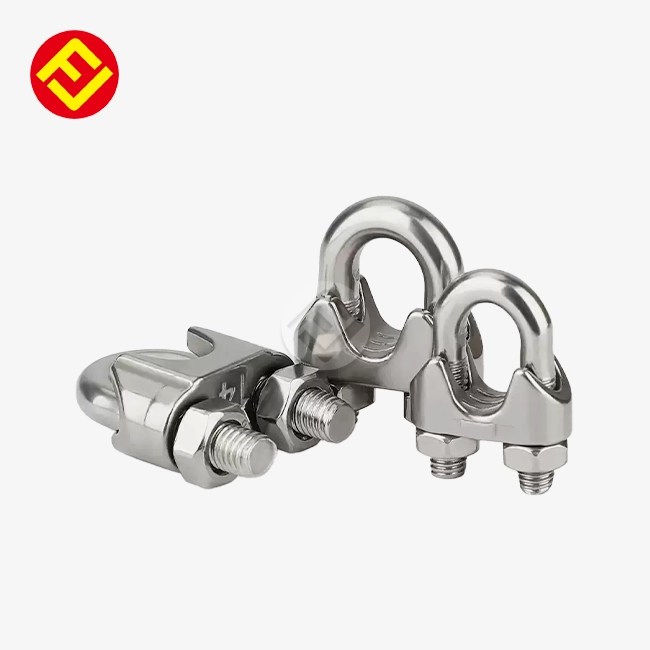
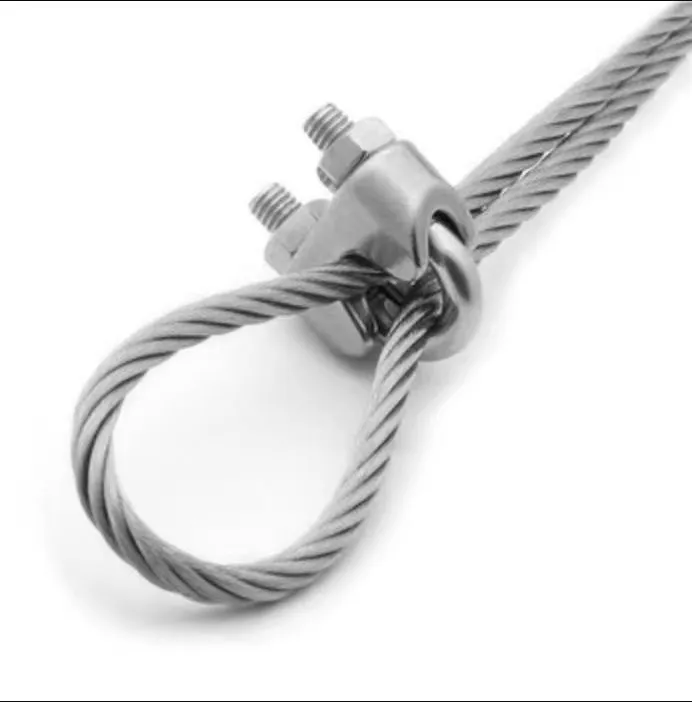
Stainless steel wire rope clamps are important pieces of rigging equipment used to keep wire rope ends in place in a wide range of industry settings. These carefully designed tools are made up of a U-bolt, a cast saddle, and locking nuts. They are all made from corrosion-resistant stainless steel alloys. The main benefit of stainless steel construction is that it is very resistant to damage from the climate. This is especially true in marine and chemical processing settings, where galvanized options would break down quickly.
Material Grades and Specifications
When judging a supplier's skills, it's important to know the material specs. Grade 304 stainless steel is very good at resisting rust for general outdoor uses. Grade 316, on the other hand, is better at protecting against chloride attack in marine settings because it contains molybdenum. Suppliers who are professionals should be able to show that they fully understand these changes in metal properties and suggest the right grades for your purpose.
Industry Applications and Performance Requirements
Marine engineering needs stainless rope clamp solutions that can stand up to constant salt spray while still keeping their structural integrity under changing loads. When working on construction projects, you need clamps that can hold artistic wire railings and tensile structures in place and also look good. Overhead lifting systems in factories often need to be set up in specific ways, which makes safety standards very important. Each application has its own problems that skilled suppliers must solve by choosing the right products and giving the right expert advice.
Load Capacity and Safety Considerations
For proper termination efficiency, 80 to 90% of the wire rope's minimum breaking load is usually reached when it is placed properly. This measure of success rests a lot on how well the product was made, especially the saddle geometry, which needs to be exactly the same diameter as the wire rope. Good sellers give thorough information about load rates and installation instructions, so procurement teams can make smart choices based on real working load needs instead of general instructions.
Criteria for Selecting a Stainless Rope Clamp Supplier
Setting clear evaluation criteria speeds up the process of choosing a provider and makes sure that all procurement choices meet the same quality standards. The framework for evaluation should include the ability to manufacture, quality certificates, quick customer service, and the dependability of the supply chain. Experienced procurement pros know that seller evaluation goes beyond initial product quality to include long-term relationship potential and ongoing improvement capabilities.
Manufacturing Excellence and Quality Control
Reliable providers show they are good at making things by using controlled processes like precise casting, forging, and machining. Getting ISO 9001 certification means that you handle quality in a planned way, and getting other certifications, like CE marking, means that you meet international safety standards. The production process should include thorough testing methods for things like checking the accuracy of the dimensions, making sure the material is what it says it is, and loading the product to make sure it meets the published specs.
Modern sellers buy cutting-edge tools to make sure that the standard of their products is always high. Modern casting methods make sure that all parts have the same material qualities, and precise machining makes sure that the surfaces are finished in a way that stops rust from starting. To keep performance standards constant, quality control systems should check arriving materials, keep an eye on work-in-progress, and test the finished product.
Technical Support and Engineering Expertise
During the whole procurement process, superior providers offer full expert help. This includes application engineering help to choose the right product, fitting advice to get the best performance, and debugging help for problems that happen in the field. To give useful advice beyond just product specs, engineering teams should know a lot about wire rope systems and how they can be used for hanging.
The quality of the documentation shows how skilled and knowledgeable the seller is in their field. Product brochures, installation guides, and certification papers with lots of information show that you care about your customers' success. To meet quality proof needs, suppliers should easily provide material certificates, test results, and compliance paperwork.
Supply Chain Reliability and Logistics
For project timing and inventory control, consistent shipping performance is essential. Reliable providers keep enough standard goods in stock and offer reasonable lead times for custom setups. International shipping skills and knowledge of paperwork make it easier to get goods through customs and send them to project sites around the world.
Comparing Stainless Rope Clamps and Supplier Options
A study of the market shows that different sellers have big differences in the quality of their goods, how much they charge, and how well they serve their customers. When you understand these differences, you can make smart decisions that balance short-term costs with long-term benefits. Comparing things should look at both things that can be seen, like the specs of the materials, and things that can't be seen, like the image of the seller and how happy the customers are.
Material Quality and Performance Differences
The surface finishing of premium stainless rope clamp products are better than those made with standard passivation treatments. This is because these products are electropolished. The level of accuracy used in manufacturing has a direct effect on performance. Forged saddles are usually stronger than cast ones. The quality of the thread affects how easy it is to put together and how well the torque stays in place. This is especially important for stainless steel uses where galling can happen during installation.
Comparative testing shows that performance is different between providers, even when the same types of materials are used. The end product's performance is affected by many things, such as heat treatment, surface preparation, and dimensional limits. Instead of depending on general industry standards, good providers back up their claims with thorough metallurgical reports and performance data.
Cost Analysis and Value Proposition
The initial buy price is only one part of the total cost of ownership. Other costs include shipping, customs taxes, possible quality problems, and replacement costs. Unnecessary packaging that damages items in transport, wrong specs that require reorders, or early failure that requires emergency replacements are just a few examples of hidden costs that can happen. These risks are kept to a minimum by experienced providers who use strong packaging, clear specs, and reliable quality control.
Different sellers have very different pricing systems for large orders. Some offer flat discounts, while others offer price breaks based on thresholds. Tooling costs, minimum amounts, and lead time premiums are common parts of custom product pricing that smart buying teams take into account when figuring out the total cost of a project.
Supplier Reputation and Market Position
Suppliers that have been around for a long time and have a lot of experience usually have a better knowledge of application needs and quality standards. In addition to marketing claims, customer examples give useful information about real performance, delivery reliability, and service quality. Certifications in the field and agreements with big equipment makers are signs of professional know-how and market recognition.
Installation, Maintenance, and Support: What Suppliers Should Offer
For stainless steel clamp uses to work, they need to be installed correctly, maintained regularly, and have ongoing expert support. Leading providers know that their duty goes beyond just delivering products and includes teaching and helping customers in a wide range of ways. This all-around method cuts down on problems in the field, raises safety standards, makes customers happier, and builds lasting relationships.
Installation Guidance and Training
To fix something correctly, you need to know the right way to position it, how much force to use, and how to tighten it again. The saying "never saddle a dead horse" in the ropes business means to put the saddle on the load-bearing part of the rope and the U-bolt over the dead end. If the fitting is done wrong, the grip's effectiveness can drop by 40% or more, which could cause it to fail catastrophically when it's loaded.
Good providers offer thorough installation guides, video tutorials, and chances to learn by doing to make sure the right methods are used. Training classes should go over how to prepare the rope, how far apart the clamps need to be, and how to apply pressure. For critical uses where installation knowledge is essential, advanced providers offer field support services.
Maintenance Requirements and Longevity
Inspection and retightening plans that are followed regularly ensure that the service life is extended. When wire ropes are first loaded, their diameters shrink a little, so the clamps need to be tightened again to keep a secure grip. Inspection procedures should look for rust, mechanical wear, or damage to the rope that could make the system less reliable.
Preventive maintenance programs extend service life while identifying potential issues before failure occurs. Based on the severity of the application and the conditions of the surroundings, suppliers should provide upkeep guides, inspection reports, and suggested service intervals.
Technical Documentation and Compliance Support
Quality assurance standards and legal compliance are supported by a lot of documentation. Material certificates confirm the alloy's make-up and its mechanical qualities, while test records confirm the load ratings and performance requirements. Documentation that allows tracking from the raw materials to the end inspection helps with quality checks and safety checks.
For international projects, it's common to need certain certificates and proof of compliance. Suppliers with a lot of experience know what these rules are and provide the information that is needed to make customs clearing and project acceptance easier.
Conclusion
In order to find a reliable stainless rope clamp provider, you need to carefully look at their manufacturing skills, quality standards, and service promises. The decision-making process should put long-term value ahead of short-term cost savings. Things like the quality of the materials, professional help, and the reliability of the supply chain should be taken into account. Partners work well together when providers truly care about their customers' success by offering full technical help, consistent quality delivery, and efforts to keep getting better. Smart procurement teams spend time evaluating suppliers and building relationships with them to find reliable sources for important lifting gear that keeps operations safe and the project on track.
FAQ
What makes 316 stainless steel superior for marine applications?
Grade 316 stainless steel has 2 to 3 percent molybdenum in it, which makes it more resistant to chloride pitting and cavity rust that happen a lot in saltwater. Because it has an extra alloying element, 316 grade is necessary for naval rigging uses where 304 grade would break down quickly.
How can I verify the quality of stainless rope clamps before purchase?
Some ways to check the quality are to look at the material certificates, check the quality of the finish on the surface, and ask for load test results. Suppliers with a good reputation give full reports that back up published specs. These reports include chemical makeup analyses, mechanical property tests, and dimensional inspection reports.
What are typical minimum order quantities for custom stainless rope clamps?
Minimum order numbers depend on how complicated the customization is. Usually, they range from 100 to 500 pieces for basic changes to 1000 or more pieces for completely unique designs. Smaller amounts are often possible for prototypes or other unique uses with suppliers who have advanced production skills.
Partner with FLA Industrial & Trading Co., Ltd. for Premium Stainless Rope Clamps
When your projects demand superior stainless rope clamp solutions, FLA Industrial & Trading Co., Ltd. delivers unmatched quality and service excellence. With nearly 40 years of manufacturing expertise and over 1,000 product specifications, we understand the critical requirements facing procurement professionals across marine, construction, and industrial sectors. Our ISO 9001 and CE certified products meet international quality standards while our engineering team provides comprehensive technical support from initial consultation through project completion. Contact our specialists at sales@flaindustrial.com to discuss your specific requirements and receive customized quotations that deliver exceptional value for your organization.
References
American Society of Mechanical Engineers. "Wire Rope Termination Guidelines for Industrial Applications." ASME B30 Safety Standards, 2023.
International Organization for Standardization. "Stainless Steel Wire Rope Fittings - Performance Requirements and Testing Methods." ISO 13411 Series, 2022.
Marine Technology Society. "Corrosion Resistance of Stainless Steel Alloys in Marine Environments: A Comparative Study." Journal of Marine Engineering Technology, Vol. 45, 2023.
National Association of Construction Engineers. "Best Practices for Architectural Cable Rigging Systems." Construction Safety Handbook, 8th Edition, 2023.
European Committee for Standardization. "Safety Requirements for Wire Rope Terminations in Lifting Applications." EN 13414 Standard Series, 2022.
American Institute of Steel Construction. "Structural Cable Systems: Design and Installation Guidelines." AISC Steel Construction Manual, 15th Edition, 2023.