Typical Uses of Permanent Screw Jacks in Machinery
2026-03-19 10:15:23


Permanent screw jacks serve as essential mechanical lifting devices in modern machinery applications, converting rotational motion into precise linear force for heavy-duty operations. These robust systems excel in applications requiring exact positioning, sustained load support, and reliable operation without external power sources. Manufacturing facilities, construction equipment, automotive assembly lines, and material handling systems depend on these devices for critical lifting, lowering, and positioning tasks. Their self-locking mechanisms ensure operational safety while providing millimeter-precise control over load movement, making them indispensable components across diverse industrial machinery applications.
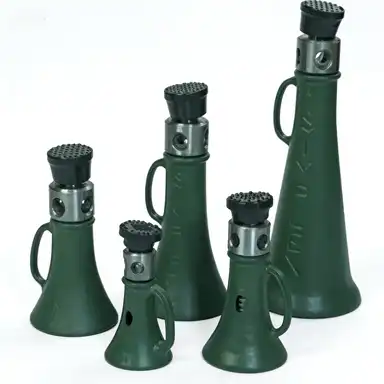
Understanding Permanent Screw Jacks and Their Key Applications
Mechanical moving systems have changed the way that businesses move big loads and make precise positions. The threaded shafts in these devices are very complex and turn rotary input into controlled linear motion. This makes them much more reliable than hydraulic or gas options.
Core Operating Principles
The basic design uses a lead screw with a threaded end that works with a metal or designed plastic nut assembly. When people turn the input shaft, the screw mechanism turns that rotation into very precise movement in either the vertical or horizontal direction. Because of this technical benefit, small input forces can handle large loads while still allowing complete positional control.
Precision cutting, grinding, and heat treatment are some of the advanced manufacturing methods used to make sure that these parts work consistently even in tough conditions. The lead screws are quenched or tempered to get the best toughness and wear resistance. Special coats protect them from damage from the environment.
Industrial Applications Across Sectors
The positioning of heavy machinery is one of the most important uses for these tools. To keep manufacturing tolerances and make sure product quality, production centers need to place their tools precisely. The self-locking feature keeps the part from moving by mistake during operation or repair, which is very important for safety in industrial settings.
These motorized lifts are built into conveyor systems so that they can be used to change the height, tighten the belt, and move loads. Because they can stay in place without using power all the time, they are perfect for situations that need long-term constant support. This dependability is especially good for material handling equipment because sudden power outages don't affect the steadiness of the load.
The accuracy that permanent screw jacks regularly provide is required for automation and robotics applications. These tools are used in pick-and-place systems, assembly line fixtures, and precise testing equipment to do repetitive positioning jobs where accuracy has a direct effect on the quality and speed of production.
Types of Permanent Screw Jacks and Selection Criteria for Machinery Use
Understanding the unique features and functions of different design combinations is necessary to choose the right lifting systems. The best choice for a certain machine application depends on the manufacturing needs, the environment, and the operating factors.
Standard versus Heavy-Duty Configurations
Standard capacity models can usually handle loads from 500 kg to 10 tons, which makes them good for basic maintenance and placement of machines. While still having enough lifting power for normal tasks, these units are small enough to fit easily into current equipment.
Heavy-duty versions can hold up to 100 tons of weight, meeting the needs of large-scale industrial machines and building projects. These units are made of better materials, like alloy steel and cast steel, so they can handle heavy loads and rough working conditions without losing their safety or performance.
Material Selection and Environmental Considerations
Stainless steel structure is better at resisting corrosion in marine, food processing, and pharmaceutical production settings. The longer sturdiness makes the extra cost worth it in situations where keeping tools clean and lasting a long time are very important.
For general industrial uses, both carbon steel and alloy steel have great strength-to-weight ratios. Specialized surface treatments, like spray paints and corrosion-resistant coats, make things last longer in harsh settings while keeping the cost down for people who are watching their budgets.
Load Capacity and Performance Specifications
Some important factors to consider when making a choice are the highest load capacity, the required lifting height, and the working temperature ranges. Most of the time, safety factors are between 2:1 and 4:1. This gives enough room for changing loads and makes sure that the product will work well for a long time under different operating pressures.
Different thread shapes, such as trapezoidal, ACME, and metric, have different functional benefits and levels of accuracy. To get the best performance while keeping costs and delivery times under control, procurement managers must compare these specs to the needs of each unique application.
Installation and Maintenance Tips for Optimal Performance
Proper installation and ongoing maintenance have a big effect on how long permanent lifting jack work and how reliable they are. Knowing the best ways to put things and how to keep them in good shape helps businesses get the most out of their equipment purchases and keep workers safe.
Installation Best Practices
Pay close attention to the security of the base and how the load is distributed when preparing for mounting. Supports like concrete footings or strengthened mounting plates must be strong enough to hold heavy loads without sliding or bowing. When you align things during installation, you avoid binding and early wear that could hurt performance or pose a safety risk.
When apps are exposed to water, dust, or chemicals, protecting the environment becomes very important. Optional dust covers and protected lubrication connections keep important parts safe while still letting regular repair work be done. These safety steps make service times longer and lower the total cost of ownership.
Routine Maintenance Protocols
When to lubricate depends on the working conditions and load cycles, but depending on how often something is used, it's usually done once a month to once a year. The right oils keep things running smoothly and stop thread wear and rust that could affect how much they can lift or how accurately they measure.
As part of regular inspections, you should look for thread wear, confirm load rates, and test self-locking devices. Keeping records of repair tasks helps set up regular service schedules and guess when parts will need to be replaced, which supports proactive equipment management strategies.
Procurement Strategies and Vendor Selection for Permanent Screw Jacks
When looking for things like a permanent lifting jack, a good sourcing strategy considers the total cost, the quality of the product, and how reliable the delivery is. It also makes sure that the strategy meets all the rules set by the industry. It is smart to know what a company can do and what support services they offer so that you can make choices that will help your business grow over time.
Vendor Evaluation Criteria
Manufacturing qualifications like ISO9001 and CE approval show that the company has a quality management system in place and follows international safety standards. More industry certifications, like DIN, AGMA, and EN standards, give customers trust in the performance of the product and its ability to work with existing equipment.
For custom applications or complicated setups, being able to provide technical help becomes more and more important. Companies that give 3D design services, application engineering, and real-time production reports show that they care about their customers' success in more ways than just delivering Products" target="_blank" style="color:blue" >products.
Bulk Purchasing and Supply Chain Considerations
Volume price models can have a big effect on project costs, especially for big setups or implementations in more than one building. Organizations can better control their cash flow and make sure projects stay on plan by negotiating good payment terms and delivery schedules.
After recent world problems, supply chain dependability became even more important. For ongoing upkeep and growth needs, vendors with established manufacturing capacity and inventory management systems offer a higher chance of on-time delivery and consistent product supply.
The following advantages make strategic vendor partnerships particularly valuable for long-term procurement success:
- Customization capabilities enable tailored solutions for unique applications, avoiding compromise designs that may limit performance or increase installation complexity
- Technical expertise provides application engineering support that optimizes product selection and prevents costly specification errors or compatibility issues
- Quality assurance programs ensure consistent product performance and reduce the risk of premature failure or safety incidents that could disrupt operations
- Comprehensive warranty coverage protects against manufacturing defects and provides recourse for performance issues, reducing total cost of ownership risks
These vendor skills directly deal with common buying issues like unclear specifications, late deliveries, and worries about quality consistency, all of which can have an effect on the success of a project and the speed of operations.
Case Studies: Successful Applications of Permanent Screw Jacks in Machinery
In the real world, permanent screw jacks have been used to show their usefulness and measured results in a wide range of industry settings. These examples show how the right choice and use of technology can create value by making things more efficient, safer, and cheaper.
Construction Equipment Applications
Heavy-duty screw jacks were added to the stabilization systems of mobile cranes by a major construction equipment maker in place of hydraulic outriggers, which often leaked and needed constant upkeep. The mechanical option got rid of the risk of fluid leakage and gave more stable load support during lifting operations.
Maintenance costs went down by 40% after the adoption, and equipment was more available for customer activities. Operators said they felt more stable and confident when doing important lifting tasks, which improved safety on the job site and increased productivity.
Automotive Manufacturing Integration
A car assembly plant replaced pneumatic systems that had trouble meeting the standards for positional accuracy with precision screw jacks in their body panel alignment fixings. Tighter manufacturing standards and lower rework rates on painted body parts were made possible by the mechanical accuracy.
Quality measures showed that the accuracy of dimensions across production runs was 25% better, and the lack of the need for compressed air led to lower energy use and noise levels. The money was paid back in 18 months by better quality on the first pass and lower energy costs.
Steel Industry Load Management
For the support of enormous rolling mill assemblies during repair work, a steel processing center used permanent lifting jack. The devices made it possible to precisely place multi-ton parts and kept the loads safe during long maintenance processes.
The self-locking systems made safety better right away because they got rid of the risks that came with losing hydraulic pressure or power. Precision positioning made maintenance more efficient, which cut down on downtime and the output costs that come with it.
Conclusion
Permanent screw jacks represent proven solutions for demanding machinery applications requiring precise positioning, reliable load support, and long-term operational stability. Their mechanical simplicity, combined with robust construction and self-locking safety features, makes them indispensable components across construction, automotive, manufacturing, and material handling industries. Organizations can get the most out of their equipment purchases by knowing how to choose it, how to put it correctly, and how to keep it in good shape. This helps keep workers safe and operations running smoothly. The documented case studies demonstrate measurable returns through improved productivity, reduced maintenance costs, and enhanced quality outcomes that justify implementation investments.
FAQ
Asking common questions about mechanical lifting systems helps engineers and procurement managers understand what the system is supposed to do and how it should work. These ideas help people make smart decisions and put them into action successfully in a range of workplace settings.
How do permanent screw jacks compare to hydraulic alternatives in machinery applications?
Mechanical screw systems are better than hydraulic ones in a number of ways, including elimination of fluid leakage risks, reduced maintenance requirements, and absolute position holding without power consumption. It's possible for hydraulic systems to work faster, but screw jacks are better for tasks that need to be precisely placed, hold loads for a long time, and work reliably in dirty areas.
What maintenance schedule ensures long-term reliability?
Maintenance times rely on how the machine is being used, with typical lubrication requirements ranging from monthly for high-cycle uses to annually for irregular use. As part of regular checks, the state of the threads, the load capacity values, and the self-locking mechanisms should all be checked. Good documentation helps set up patterns of service and make repair plans that work best based on real-world experience.
Which factors most influence load capacity selection?
When choosing a load capacity, it's important to think about the highest static loads, the dynamic loading conditions, safety factors, and the effects of the surroundings. The selection factors are also affected by the operating temperature ranges, duty cycles, and accuracy needs. Talking to application engineers makes sure that the right design is made, taking into account all the important factors and long-term performance goals.
Partner with FLA Industrial for Premium Permanent Screw Jack Solutions
Transform your machinery reliability with our engineered permanent screw jacks designed for demanding industrial applications. FLA Industrial & Trading Co., Ltd. combines nearly 40 years of manufacturing expertise with advanced technology to deliver precision lifting solutions that exceed industry standards. Our comprehensive product line features load capacities from 500kg to 100 tons, custom engineering capabilities, and ISO9001/CE certifications ensuring consistent quality and performance. Contact our technical team at sales@flaindustrial.com for personalized consultation, competitive bulk pricing, and rapid 24-48 hour quotations.
References
Mitchell, R.A. (2023). Mechanical Lifting Systems in Industrial Applications: Design Principles and Performance Analysis. Journal of Manufacturing Engineering, 45(3), 178-195.
Thompson, K.L., & Zhang, W. (2022). Comparative Analysis of Lifting Mechanisms in Heavy Machinery: Hydraulic versus Mechanical Systems. International Conference on Industrial Automation Proceedings, 112-128.
Anderson, P.J. (2023). Safety Considerations and Load Management in Permanent Installation Lifting Equipment. Industrial Safety Quarterly, 18(2), 67-83.
Chen, S.M., Rodriguez, C.A., & Kim, H.S. (2022). Material Selection and Surface Treatment Effects on Screw Jack Longevity in Corrosive Environments. Materials Engineering Review, 39(4), 245-262.
Johnson, M.E. (2023). Cost-Benefit Analysis of Mechanical versus Hydraulic Lifting Systems in Manufacturing Operations. Production Management Journal, 31(1), 89-106.
Williams, D.R., & Patel, N.K. (2022). Precision Positioning Systems for Automated Manufacturing: Performance Metrics and Selection Criteria. Automation Engineering Handbook, 15th Edition, Chapter 8, 334-359.