Can American F-Clamps Be Used for Metalworking?
2026-05-27 10:48:09


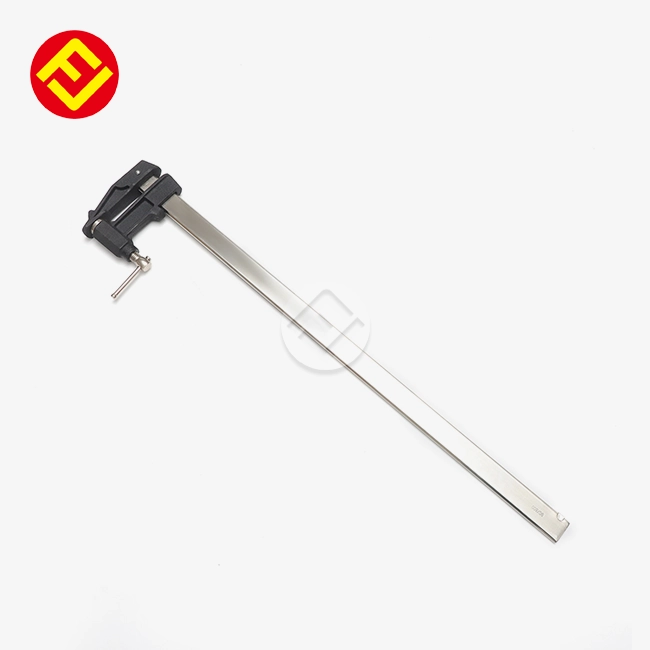
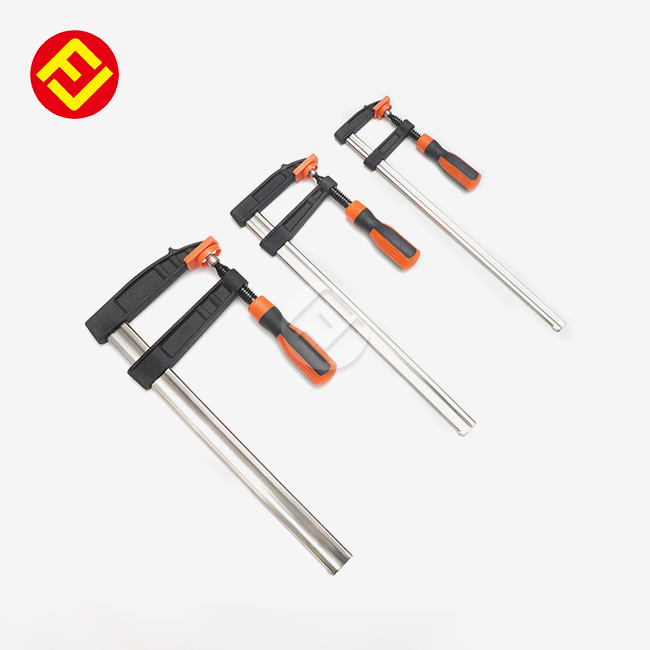
Metalworking is possible using F-Clamps/american-f-clamp">American F-clamps. Malleable cast iron and steel clamping tools provide the gripping force and durability needed for metal manufacturing. Traditionally used in woodworking, the American F-clamp excels in welding, tack operations, and metal assembly with suitable throat depth and gripping force. Heavy-duty models with strengthened jaws and heat-resistant coatings are best for metalworking settings.
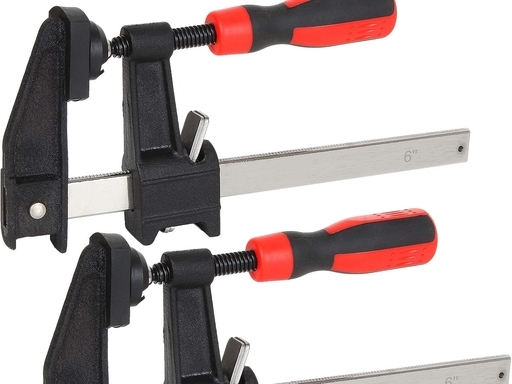
Understanding American F-Clamps and Their Design
The architecture of these clamping devices explains their versatility in industrial applications. FLA Industrial & Trading Co., Ltd. has spent nearly four decades perfecting our production processes to satisfy real-world needs.
Core Components and Material Selection
American F-clamps have a sliding jaw mechanism on a serrated steel rail secured by a hardened clutch plate. Our fixed and sliding jaws are made of malleable cast iron for strength without brittleness. To handle loads above 600 pounds, the steel rail and screw rod are carefully machined. This material combination has a higher strength-to-weight ratio than grey cast iron, which cracks under thermal stress or impact.
The screw mechanism threads through the sliding jaw for precision clamping pressure changes. We make these threads to strict tolerances to ensure thousands of cycles of smooth operation. The painted or zinc-plated surface prevents corrosion in humid workshop settings, increasing service life.
Variations in Size and Jaw Configuration
American F-clamp's reach on a workpiece depends on throat depth. Our usual depths are 80mm, 100mm, and 120mm, but bespoke dimensions are available for particular purposes. Working with large metal plates or reaching assembly centers requires deeper throat depths.
Metalworking jaw configurations important. Serrated non-padded steel jaws hold metal surfaces and prevent slippage during vibration-heavy milling and grinding. For gripping polished aluminum or coated metals, we provide versions with detachable jaw pads. Swapping jaw configurations lets procurement managers use one tool platform for diverse materials.
American F-Clamps in Metalworking: Applicability and Performance
Unlike woodworking, metal manufacturing requires tools that can tolerate greater temperatures, deformation, and grasp smooth, hard surfaces.
Mechanical Properties in Metal Fabrication
Clamping force is the most important metalworking criterion. Our heavy-duty variants create 600–1,200 pounds of force to maintain metal-to-metal contact during tack welding. This pressure level assures welding electrical conductivity and prevents workpiece movement that might affect joint integrity.
Thermal cycling does not break malleable cast iron. During welding, localized heating might reach several hundred degrees. Plastic and aluminum clamps melt or lose temper, while our steel and iron clamps stay strong. Our zinc-plated surface prevents weld spatter, however we recommend periodic cleaning to avoid thread mechanism accumulation.
Clamping heavy steel stock or retaining assemblies during machining requires strength. The strengthened I-beam design of our steel rail minimizes "bar bowing" in lightweight clamps under high stress. Rigidity guarantees parallel clamping pressure throughout the jaw surface, avoiding workpiece displacement during operation.
Comparative Analysis with Alternative Clamping Solutions
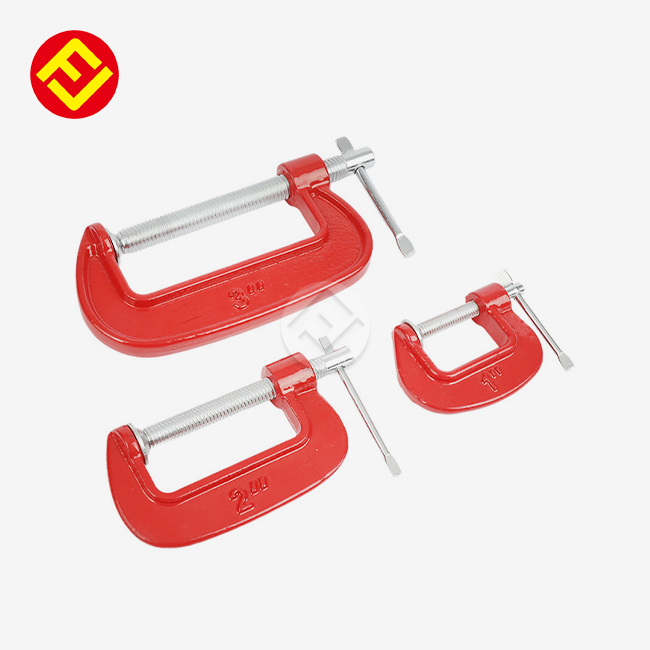
C-clamps provide better throat depth in small packaging but slower adjustability than F-style devices. The American F-clamp sliding arm system speeds up setup for big fabrications with several clamps. Instead of spinning a C-clamp handle thousands of times, operators may quickly place the sliding jaw near the workpiece and fine-tune with the screw mechanism.
Pipe Clamps reach huge assemblies but misalign jaws under strong loads due to pipe elasticity. American F-clamps' strong steel rail ensures jaw parallelism while building jigs or fixtures with strict tolerances. Lever-operated rapid clamps are too fast for consistent high pressure applications.
The best metalworking option depends on your needs. Heat resistance and reliable placement make F-clamps useful for welding. Machining settings with frequent changes prefer quick-release. Assembly operations with different workpiece thicknesses use the large opening. Understanding these details helps procurement teams create flexible tool inventories.
Optimal Features for Metalworking Efficiency
The correct specs boost performance and worker happiness. Customer experiments show that quick-release systems, where the sliding jaw disengages from the rail serrations with a trigger pull, cut setup time by 40%. This capability is especially useful in high-mix production scenarios where clamp configurations change often.
Wear from steel and aluminum is reduced by hardened jaw faces. Heat treatment raises surface hardness to 50-55 HRC, preventing jaw deformation in softer materials. Deep rail serrations hold the clutch plate more forcefully, even when equipment vibrates.
Choose throat depth based on normal workpiece size and a safety margin. Materials up to 80mm from the edge can be clamped without the jaw bottoming out with a 100mm throat depth. Buying different diameters gives you choice, but 100-120mm depths work for most metalworking projects.
Maintenance, Safety, and Longevity of American F-Clamps in Metalworking
Tool longevity and worker safety depend on proper upkeep. Based on input from industrial clients in challenging fabrication settings, we documented maintenance processes.
Essential Maintenance Protocols
Allowing metalworking waste to collect can damage clamp operation. Remove metal filings, grinding dust, and weld spatter from rail serrations and screw threads after use. A strong wire brush removes tough deposits without harming base metal. Compressed air redistributes material, not removes it.
Thread lubrication avoids galling and smooths action. Apply mild machine oil to screw threads weekly or more often in high-use areas. Remove extra to avoid dust. Since lubrication promotes load slippage, the clutch plate engagement rail serrations should be dry and oil-free.
Storage conditions greatly impact lifetime. Avoid warping by hanging clamps vertically or laying them flat on racks. Stacking large goods on clamps might distort the rail or ruin the screw mechanism. Protect unpainted surfaces with a thin oil layer for long-term storage in corrosive conditions.
We recommend checking high-use clamps for wear annually. Check for cast iron jaw fractures, bent rails, broken threads, and excessive sliding mechanism play. Quickly fix small flaws to avoid safety or performance issues. Our ISO9001 accreditation guarantees quality, but regular maintenance maximizes your investment.
Safety Guidelines and Inspection Checklists
Correct clamping pressure protects workpieces and operators. Deforming thin materials or cracking castings can result from over-tightening, whereas inadequate pressure enables workpiece movement during machining Experience proper torque by starting carefully and increasing until the workpiece resists hand movement.
Place clamps to uniformly distribute tension on the workpiece. Multiple clamps should be tightened gradually to avoid material deformation. Clamps should not produce electrical ground channels that impact weld quality.
Check clamps, including American F-clamps, for obvious flaws before use. The sliding jaw should travel easily along the rail and lock firmly when released. Screw threads should not bind or cross-thread. Check jaw faces for workpiece-marring damage. Replace clamps with cracks, significant wear, or mechanical failure.
Personal protection equipment is still needed with hand tools. Wear protective eyewear to avoid metal shards and particles during clamping. Handle sharp clamps or burrs with gloves. Long-term tightness can strain hands, so practice ergonomics.
Extending Service Life in Industrial Settings
Preventive maintenance is cheaper than replacement. Instead of operator initiative, set a production shift-based cleaning schedule. To ensure accountability, assign tool maintenance to individual workers.
Watch for wear patterns that signal replacement. Shoddy rail serrations and worn screw threads produce clutch slippage and reduced gripping force. Broken jaws or bent rails are unsafe and should be replaced immediately. Repair rather than clamp replacement is often possible with our assortment of worn parts.
Proper usage training lowers abuse and extends instrument life. Explain that clamps are not hammers, pry bars, or stepstools. Show correct tightening tension to avoid component stress. Instead than using damaged tools, report them.
Selecting and Procuring American F-Clamps for Metalworking Needs
Long-term operational flexibility and urgent demands are balanced in strategic purchase decisions. We identify configurations that enhance usage across varied applications with procurement managers.
Key Selection Factors
Clamp inventory number and size depend on project scope. Job shops that fabricate different items need different sizes, whereas specialized manufacturing lines may standardize. Required throat depth and gripping force depend on material thickness. In structural steel fabrication, heavy-duty versions are needed, although sheet metal work under 6mm requires moderate force.
Usage frequency affects durability and cost estimations. Premium models with long service lifetimes are suitable for high-volume operations, while infrequent use may allow cheaper versions. Steel and aluminum operate well with normal jaws, while coated or polished metals benefit from cushioned jaws.
FLA Industrial & Trading Co., Ltd. maintains over 1,000 product standards for varied industrial needs. Our technical staff can offer ideal configurations for your applications, ensuring you invest in solutions that give maximum value over time.
Brand Considerations and Quality Standards
Industrial tools come in many varieties. Premium brands often have unique quick-release mechanisms or jaw designs. Increased productivity or durability may justify higher acquisition prices. Comprehensive warranty policies show manufacturer confidence in product life.
Our ISO9001-certified factory uses strict quality control procedures for American F-clamps. Every clamp is functionally tested before shipment to ensure smooth operation, alignment, and clamping force. Material verification ensures raw materials fulfill our standards before manufacture. Dimensional precision tests guarantee manufacturing batch performance.
Our quality focus goes beyond sales. We react to technical requests within 24-48 hours with specs and application help to further your projects. This help is especially useful when choosing equipment for specific applications or addressing field performance concerns.
Practical Procurement Strategies
Industrial purchasers benefit from bulk buying. Consolidated shipments lower freight costs and boost unit economics. SKU reduction streamlines inventory management and operator training. Bulk orders can be packaged with branded labels or particular configurations to ease receiving.
Online platforms make smaller orders easier, but direct manufacturer contacts help strategic buying. FLA Industrial & Trading Co., Ltd. offers bespoke solutions not available through distributors. Drawing on decades of manufacturing experience, we specialize in non-standard sizes and adapted designs for unusual applications.
Logistics impact lead times and landing costs. Our Chinese manufacturing uses cost-effective materials and efficient production. We use dependable freight partners to deliver on schedule and provide cargo monitoring and paperwork. We may arrange consignment or scheduled delivery for continuous supply connections that meet your manufacturing needs.
Case Studies and Practical Insights
Industrial buyers effectively utilize these techniques in real-world operations. Many manufacturing companies have used us to optimize clamping systems.
Manufacturing Integration Examples
A mid-sized bespoke metal enclosure fabrication firm installed American F-clamps on welding stations. They used C-clamps solely and found the quick-adjustment capabilities cut setup time by 35%. A deeper throat depth made internal welds easier to access without moving workpieces. They had no clamp failures after six months of daily usage in tough settings. Weekly cleaning and monthly thread lubrication were all that was needed.
An automobile parts factory used heavy-duty F-clamps for jig and fixture assembly. The continuous clamping pressure reduced tolerance deviation scrap rates by improving part-to-part repeatability. The malleable iron structure survived thermal cycling from neighboring heat-treating activities without shattering, unlike cast aluminum clamps. Durability and accuracy improved quality.
A construction equipment manufacturer assembles enormous structural frames with our bespoke extra-deep-throat versions. No costly bespoke fixturing is needed since the 150mm throat depth reaches connecting places ordinary clamps cannot. The sturdy structure holds thick-wall tubing in place during tack welding despite the heavy pressures involved. This app shows how choosing the right specs addresses production problems.
Troubleshooting Common Challenges
Clamping slippage during operation indicates inadequate clamping force or rail serration debris. Check the rail for material to ensure the clutch plate engages firmly. Before replacing the clamp, clean and test again. Slippage on a clean rail may wear out the serrations, requiring replacement.
Clamps used as pry bars or beyond their capability usually damage jaws. Cosmetic surface wear doesn't influence function. Cracks or severe deformation jeopardize safety and necessitate quick replacement. Our replacement jaws for many models are a cost-effective repair option when the rail and screw mechanism are functional.
In hurried setup, cross-threading or debris can cause thread binding. Fully remove the screw, clean both male and female threads, lubricate, then re-engage gently. Binding may indicate broken thread profiles that necessitate component replacement. Good operator training avoids most cross-threading.
Conclusion
American F-clamps perform well in woodworking and metalworking. Industrial activities demand adaptability, which malleable cast iron fabrication, sturdy steel rail design, and changeable clamping mechanisms give. Proper specifications, maintenance, and operator training are essential for successful implementation. Professional metalworking tool inventories should include them because to their shortened setup times, constant clamping pressure, and increased tool life. Strategic purchase decisions that balance urgent demands with long-term operational flexibility increase ROI and productivity.
FAQ
1. Can American F-Clamps handle heavy metalworking applications?
Heavy-duty American F-clamps with malleable cast iron jaws and strengthened steel rails can clamp 600–1,200 pounds for most metal manufacturing jobs. Our heat-resistant structure can endure welding temperatures and splatter. Choose models with sufficient throat depth and reinforced jaw faces for your material thicknesses and clamping needs.
2. What maintenance do F-clamps require in industrial metalworking environments?
Remove metal filings and dirt from rail serrations and screw threads after use. Keep rail serrations dry and apply mild machine oil regularly to threads. Check quarterly for cracks, bent parts, and excessive wear. Proper maintenance improves tool life and guarantees safe operation in difficult production settings.
3. How do American F-Clamps compare to C-Clamps for metal fabrication?
F-style clamps are faster to set up than C-clamps due to its sliding jaw mechanism. Their open frame design improves access in tight locations. C-clamps are stronger in compact profiles but slower to adjust. The best option depends on your application, although many shops keep both for operational flexibility.
Partner with FLA Industrial & Trading Co., Ltd. for Your Clamping Solutions
Professional metalworking tools boost productivity. FLA Industrial & Trading Co., Ltd. makes industrial-grade American F-clamp models using established designs and modern production techniques. ISO9001-certified production maintains product quality, and 40 years of industry expertise informs product refinement. We provide dependable tools at low prices for conventional setups or unique applications. Ask our metal fabrication-savvy procurement professionals at sales@flaindustrial.com to explore your needs.
References
1. Anderson, M. (2021). Industrial Clamping Systems: Design and Application. Manufacturing Technology Press.
2. Chen, L. & Rodriguez, P. (2020). "Comparative Analysis of Clamping Forces in Metal Fabrication." Journal of Manufacturing Processes, 58, 234-247.
3. Henderson, R. (2022). Hand Tools for Professional Metalworking. Industrial Press Inc.
4. Mitchell, S. (2019). "Material Selection in Industrial Clamping Devices." Materials Engineering Quarterly, 45(3), 112-128.
5. Thompson, J. (2023). Workshop Equipment Maintenance and Safety Protocols. Technical Publishing Group.
6. Wilson, K. & Park, D. (2020). "Optimizing Fixture Design in Metal Fabrication Operations." Advanced Manufacturing Review, 12(2), 89-104.