OEM Grooved Coupling Clamp Solutions for Global Projects
2026-05-27 10:48:16


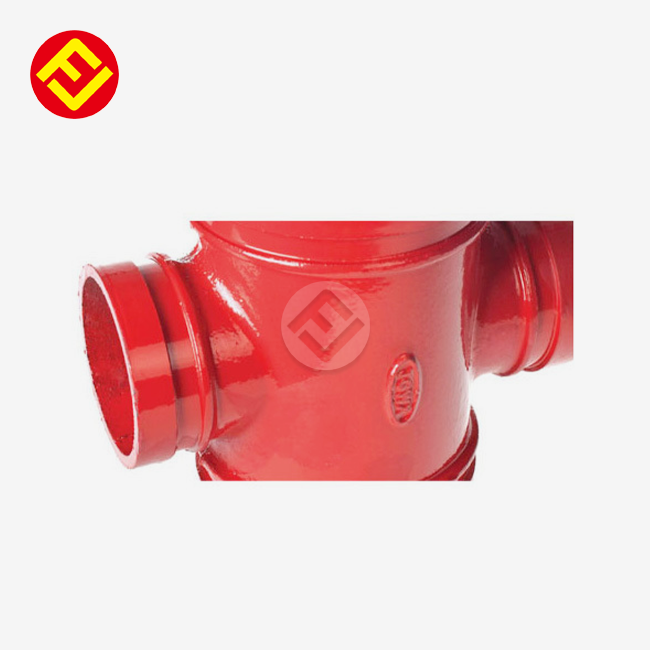
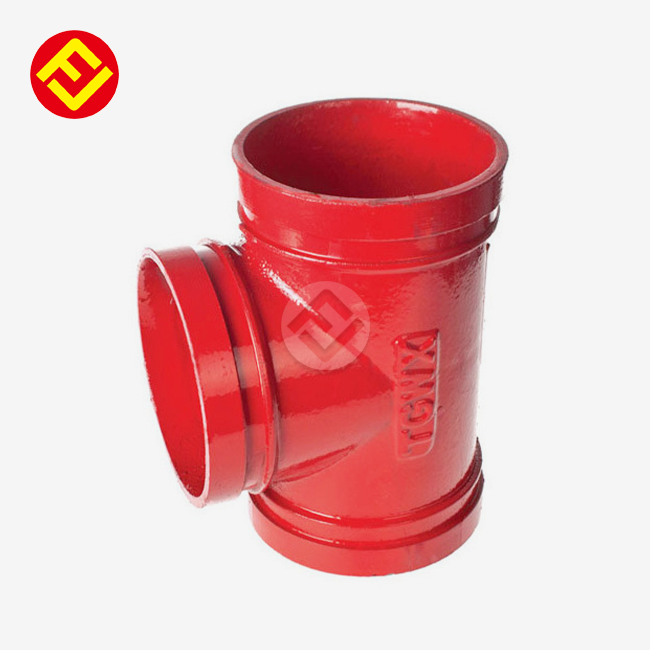
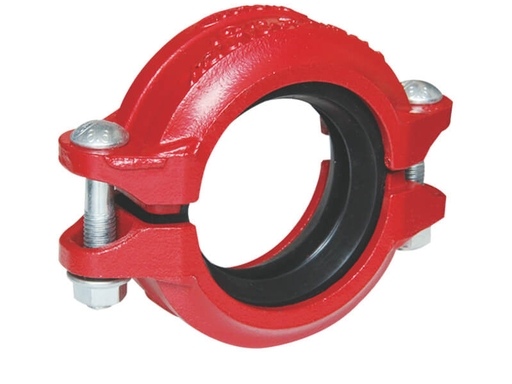
Industrial projects can function smoothly or become costly nightmares depending on the pipe connection technique. OEM grooved coupling clamp solutions avoid welding fire dangers and save installation time in half, making them the preferred choice for global construction, fire protection, and HVAC projects. A coupling clamp grooved has two ductile iron housing segments that attach to a machined groove on pipe ends and seal with pressure-responsive gaskets. This technology tackles thermal expansion in mining and seismic movement in high-rise sprinkler systems, making it essential for contemporary infrastructure.
Understanding Grooved Coupling Clamps: Key Concepts and Specifications
Modern plumbing connections must combine speed, safety, and durability. This is achieved by grooved pipe connections' complex yet simple mechanical construction.
How the Groove-and-Gasket Mechanism Works
The coupling clamp grooved works deceptively simply. Installers cold roll-groove or precision-machine each pipe end's circumferential groove. The coupling housing segments' inward-projecting keys engage these grooves. As you tighten the fasteners, the housing compresses an elastomeric gasket between the pipes. This generates a metal-to-metal mechanical grip and increases gasket sealing force under internal pressure. Though threaded connections weaken pipes and welded joints need qualified workers and hot work permits, this method protects pipe integrity while allowing speedy assembly.
Types and Material Choices for Different Applications
Certain project circumstances need certain couplings. For systems that need exact alignment, rigid couplings with tongue-and-groove interfaces prohibit pipe movement like welded joints. Flexible couplings absorb thermal expansion in HVAC chilled water loops and seismic drift in high-rise structures by controlling angular deflection and linear movement. Material choice between ductile iron and carbon steel relies on working conditions. ASTM A536 Grade 65-45-12 ductile iron has 65,000 psi and 12% elongation, making it appropriate for water, fire protection, and HVAC applications. Carbon steel variations perform better in particular industrial contexts with unique mechanical qualities.
Technical Specifications That Matter for Procurement
Dimensional standards let you choose grooved couplings without expensive mismatches. The 1-inch to 48-inch diameter range covers home plumbing to big industrial mains. Working pressure can exceed 300 PSI, depending on pipe schedule and connection type. The -29°C to 110°C temperature tolerance suits most commercial applications. ASTM A536, AWWA C606, UL 213, and FM Class 1920 standards assure worldwide project performance uniformity. EPDM rubber can tolerate water, steam, and sewage up to 230°F, whereas NBR gaskets work for petroleum and hydraulic systems. Proper bolt torque parameters avoid leaks and housing damage from under-compression and over-tightening.
Advantages of OEM Grooved Coupling Clamp Solutions for Global Projects
Instead of generic grooved coupling systems, OEM ones provide project benefits that justify the expense.
Speed and Safety in Installation
Without welding and threading, project deadlines change. Installation personnel secure joints in minutes, not hours. A workforce may make 100 grooved connections per day compared to 20-30 welded joints, saving labor expenses. Speed counts in inhabited facilities because avoiding interruption maintains client relationships. In hospitals and data centers, no hot work means no fire watch or permit delays, keeping projects on time.
OEM Quality Assurance and Certification
Authentic OEM items are tested more thoroughly than generics. Pressure, dimensional, and material composition tests are done on every coupling clamp grooved connection before shipment. ISO9001 quality management, CE product safety, and UL/FM fire protection approvals are maintained by FLA Industrial & Trading Co., Ltd. This accreditation is crucial for installer inspections and insurance underwriter system reliability assessments. You can count on production consistency throughout project phases with over 40 years of manufacturing expertise.
Customization Capabilities for Complex Projects
Standard catalog goods work for most applications, but difficult tasks require customization. OEMs support engineering for non-standard dimensions, corrosive coatings, and severe temperature material alterations. Grooved connections allow mining operators to rotate pipe sections 90 degrees without cutting or rewelding when abrasive slurry damages pipe bottoms. This flexibility lowers TCO while ensuring system integrity.
Comparing Grooved Coupling Clamps with Other Coupling Solutions
How grooved systems compare to alternatives explains why they dominate some applications.
Grooved Versus Welded Connections
A strong, lasting connection is made via welding. They need certified welders, hot work permits, fire watches, and post-weld inspection. Installation is slow, and system adjustments need costly deconstruction. Grooved couplings have 80% of welded joint strength and flexible assembly for future adjustments. Disassembling and reusing components during repairs or expansions protects infrastructure. Many mechanical system applications choose flexible grooved couplings over stiff welded connections for vibration isolation and thermal expansion.
Grooved Versus Threaded Connections
Small diameter applications under 2 inches benefit from threaded pipe connections. Beyond that size, threading equipment becomes laborious, installation torque increases substantially, and thread cutting damages pipe walls. Pump noise spreads across buildings due to threaded couplings' lack of vibration isolation. Grooved systems, including coupling clamp grooved, preserve complete pipe wall thickness, assemble without threading equipment, and reduce vibrations using gaskets. Threading and installing a 6-inch connection takes 45 minutes vs 8 minutes for a grooved junction, justifying the switch.
Material Performance: Ductile Iron Versus Carbon Steel
Both materials accomplish grooved coupling, but differently. Ductile iron is cost-effective for fire protection and HVAC systems, castable for complicated housing designs, and corrosion-resistant in conventional applications. Carbon steel has stronger strength-to-weight ratios and performs better in specialized industries. Both materials can be painted, epoxy coated, or hot-dip galvanized to prevent corrosion. Ductile iron is used by municipal water systems, whereas carbon steel with specific coatings is preferred by chemical processing industries.
Installation and Maintenance Best Practices for Grooved Coupling Clamps
Installation practices decide whether grooved connections last decades or require repairs within months.
Step-by-Step Installation Protocol
Pipe preparation is key to installation success. Remove burrs from pipes to avoid gasket damage with proper equipment. Roll or cut pipe ends to manufacturer specifications, checking groove dimensions using a calibrated gauge. Scrub all surfaces to remove oil, grime, and metal shavings that threaten seals. Apply authorized lubricant to the gasket and arrange it symmetrically over the joint. Place housing segments around the pipe and insert housing keys into pipe grooves. Place washers on bolts and hand-tighten nuts across. Apply final torque with a calibrated torque wrench—smaller sizes typically require 60–80 ft-lbs, although manufacturer and coupler size vary. Many installers use visual "pad-to-pad" confirmation where metal bolt pads meet, whereas torque verification optimizes gasket compression without bolt damage.
Troubleshooting Common Installation Issues
Causes of leaking joints are predictable. Poor groove depth hinders housing key contact, causing the pipe to pull loose under pressure. Coupling clamp grooved issues, sealing surface debris, or squeezed gaskets during assembly cause leaks. Careless handling scratches gasket seating regions, compromising seal integrity. Compare the pipe's end-to-groove dimensions against specifications before assembly. Check gaskets for rips and replace them. Gaskets should sit uniformly without twisting or bunching. Fix leaks by checking housing alignment and bolt torque—thermal cycling can loosen bolts.
Preventive Maintenance Protocols
Maintenance is simple for grooved systems, but examination extends their life. Housing corrosion, gasket degradation, and bolt rust are detected every six months by visual inspection. Fire sprinkler risers require annual comprehensive inspections to ensure system readiness. The bolt is retorqued after system pressurization to remove settling. Operating circumstances determine gasket replacement intervals: steam systems need replacement every 5-7 years, whereas cold water applications last 20+ years. Proper installation paperwork with torque data and gasket specs simplifies maintenance.
Procurement Insights: How to Buy the Right Grooved Coupling Clamps for Your Projects
Strategic procurement impacts project prices, timetables, and system dependability.
Critical Selection Factors
Accurate sizing avoids costly delays. Pipe outer diameter, wall schedule, and groove dimensions should meet coupling specs. Verify pressure ratings surpass system operational pressure with safety factors. Standard EPDM gaskets fail in petroleum applications while NBR gaskets disintegrate in high-temperature steam usage. Flexible couplings allow movement and vibration, whereas stiff couplings give structural support. For outdoor or maritime applications, hot-dip galvanized coatings provide optimal corrosion protection.
OEM Versus Generic Product Considerations
Generic coupling makers provide low prices, but project expenses are disguised. Dimensional discrepancies lead housing keys to misalign with grooves during installation, including for coupling clamp grooved types. Poor gasket compounds cause premature failures and costly callbacks. Missing credentials cause insurance and inspection issues. Established OEM manufacturers like FLA Industrial & Trading Co., Ltd. provide consistent quality and testing documents. Project planning is accelerated with 24-48-hour technical help, bespoke sizing, and 3D design validation. Almost 40 years of manufacturing experience means production refinement that generic manufacturers cannot match. Fortune worldwide 500 collaborations show worldwide project dependability.
Optimizing Bulk Purchases for Large Projects
Volume purchase saves money and ensures supply. Order consolidation for numerous project phases lowers unit costs and optimizes logistics. Partnering with OEM suppliers like FLA Industrial provides engineering assistance across project lifecycles. Special coating, size, and material adjustments are possible when order amounts warrant manufacturing runs. Experienced suppliers' inventory management services reduce project delays and carrying costs. The whole size range from 1-inch to 48-inch diameters simplifies procurement and quality assurance for various project requirements from single vendors.
Conclusion
OEM grooved coupling clamp solutions have demonstrated their speed, durability, and lifecycle cost advantages in worldwide infrastructure projects. The method eliminates fire dangers, reduces installation labor, and accommodates system movement that causes joint failures in pipe joining. The right materials, installation, and maintenance assure decades of trouble-free service. Strategic procurement of OEM items rather than generics saves project schedules, inspection approvals, and system performance. Understanding these basics lets you confidently select fire protection, HVAC, and industrial plumbing components for your clients.
FAQ
1. What distinguishes rigid grooved couplings from flexible grooved couplings?
The tongue-and-groove interfaces of rigid couplings limit pipe movement, generating a strong joint like welded connections. They fit precise alignment applications. Flexible couplings accommodate thermal expansion, seismic activity, and vibration with regulated angular deflection up to 4 degrees and linear movement approximately 0.5 inches. Pumps and chillers benefit from flexible connections that separate vibration and heat cycling.
2. How do you determine proper gasket material for different fluids?
Water, sewage, dilute acids, and steam up to 230°F are handled by EPDM rubber gaskets in most commercial HVAC and fire protection systems. EPDM degrades when exposed to petroleum. NBR gaskets work with hydraulic, petroleum, diesel, and oil-based fluids. Silicone gaskets handle high temperatures. The system fluid chemistry and temperature range determine gasket selection. Manufacturers offer chemical compatibility tables to help choose.
3. Can grooved couplings accommodate thin-wall pipe schedules?
Yes, with the right grooving process. Roll-grooving cold-forms the groove by expanding metal rather than removing it, retaining Schedule 10 or Schedule 5 pipe wall thickness. Cutting machines remove material, needing thicker wall schedules like Schedule 40 for strength following groove development. For structural integrity and pressure rating compliance, specify grooving depending on pipe schedule.
Partner with FLA Industrial for Reliable Coupling Clamp Grooved Solutions
Procurement professionals trust FLA Industrial & Trading Co., Ltd. to manufacture coupling clamp grooved goods that fulfill strict international requirements. An ISO9001, CE, and UL/FM-certified grooved coupling clamp manufacturer with over four decades of expertise, we provide solutions for 1-inch to 48-inch diameters. Our engineering staff provides technical specs, custom size alternatives, and 3D design verification within 24-48 hours to advance your projects. Call sales@flaindustrial.com to discuss bulk ordering, specialist coatings, or bespoke solutions for your next worldwide project. Discover why Fortune Global 500 partners trust our quality, reactivity, and value.
References
1. American Society of Mechanical Engineers. (2021). ASME B16.11: Forged Fittings, Socket-Welding and Threaded. New York: ASME Press.
2. American Water Works Association. (2020). AWWA C606: Grooved and Shouldered Joints. Denver: American Water Works Association.
3. Factory Mutual Research Corporation. (2019). FM Approval Standard 1920: Couplings Used in Grooved Piping Systems. Norwood: FM Global.
4. National Fire Protection Association. (2022). NFPA 13: Standard for the Installation of Sprinkler Systems. Quincy: NFPA Publications.
5. Underwriters Laboratories Inc. (2020). UL 213: Standard for Safety for Rubber Gasketed Fittings for Fire Protection Service. Northbrook: UL Standards.
6. Victaulic Company. (2023). Piping System Design Manual: Engineering and Technical Information for Industrial Grooved Systems. Easton: Victaulic Technical Publications.