Can Permanent Screw Jacks Be Used Permanently On Foundation?
2026-05-28 10:36:26


When chosen, installed, and maintained, permanent screw jacks may sustain foundations for years. Mechanical lifting devices designed for prolonged load-bearing applications provide industrial and commercial foundations with flexible and durable support. Permanent screw jacks function consistently under heavy compressive loads because they are made of high-grade alloy steel or stainless steel with tempered lead screws. They can replace concrete columns or timber posts in foundation stabilization projects when installed on reinforced concrete footings and coated with corrosion-resistant coatings.
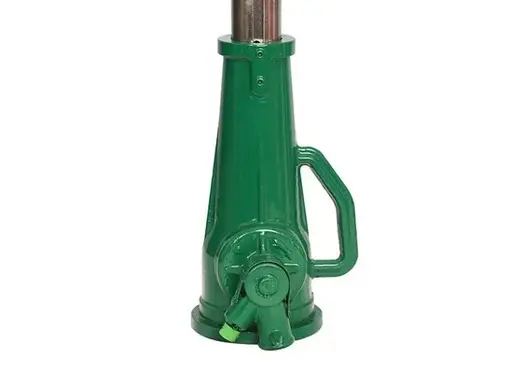
Understanding Permanent Screw Jacks and Their Role in Foundations
Permanent screw jacks are specialist mechanical support systems for significant foundation issues. These heavy-duty sections form part of a structure's load-bearing skeleton, unlike temporary shoring employed during construction.
What Makes a Screw Jack Suitable for Permanent Foundation Use?
Three main engineering concepts underpin permanent screw jacks: material durability, load distribution, and environmental resistance. We make screw jacks from alloy steel, carbon steel, cast steel, and stainless steel at FLA Industrial & Trading Co., Ltd. Tempering or quenching hardens lead screws to withstand thread wear over decades of continuous load exposure. Bronze or engineering plastic nuts operate well and remain structurally sound under 500kg to 100 tons.
The self-locking screw mechanism separates them from hydraulic or pneumatic systems. This mechanical advantage prevents unintentional lowering without power, making it safe during power outages or system breakdowns. This feature helps manufacturing facilities installing heavy CNC equipment level their machines, while bridge maintenance projects use permanent screw jacks to adjust for differential settlement without intervention.
How Permanent Screw Jacks Facilitate Precise Foundation Leveling
Construction contractors and facility managers struggle most with foundation settlement. Uneven soil compaction, moisture changes, and seismic activity eventually alter structures. Adjustable lifting mechanisms enable post-construction modifications without damaging foundations.
The screw jack is usually mounted on a poured concrete base to spread the point load over stable soil layers. Operators can raise or lower structural beams with millimeter-level precision using the jack's threaded adjustment mechanism, which generally uses trapezoidal, Acme, or metric threads. This adaptability is especially useful in woodworking factories where equipment vibration accentuates floor flaws, impacting product quality.
Material selection is also affected by temperature. Our screw jacks work consistently in cold storage warehouses and warm production conditions from -20°C to +80°C. Scrub spaces and chemical processing regions where steel degrades quickly benefit from spray-painted finishes and corrosion-resistant coatings.
Evaluating the Suitability of Permanent Screw Jacks for Permanent Foundation Use
Procurement managers and project engineers must decide: can a mechanical device replace building foundation elements? The benefits and maintenance needs of permanent screw jacks determine the response.
Long-Term Load Bearing Capabilities and Benefits
When correctly specified, industrial-grade screw jacks last long. Materials with 2:1 to 4:1 safety factors resist fatigue even under constant compression. Conservatively rated 10-ton units can handle 5 tons of static loads forever without distortion.
In foundation applications, vibration dampening is sometimes disregarded. Electrical utility companies installing sensitive monitoring equipment like permanent screw jacks, whose support systems absorb slight ground vibrations that would propagate through inflexible concrete piers. A mechanical buffer, the threaded interface reduces vibrations from nearby machinery or traffic.
Changes after installation fix issues concrete cannot. Traditional foundations need expensive underpinning when soil conditions change due to excavation, water table variations, or seismic occurrences. By rotating the adjusting mechanism, screw jacks can level structures in hours, not weeks.
Critical Installation and Maintenance Protocols
Installation criteria must be followed for lasting performance. Minimum concrete footing dimensions are dependent on soil carrying capability. Engineers require reinforced footings at least 12 inches below the jack's base plate in all directions, deep enough to reach undisturbed soil or bedrock.
Thread lubrication is the most crucial maintenance. Our designs reduce maintenance, although occasional grease application to the lead screw prevents corrosion and assures future adjustability. Optional dust shields and sealed lubrication interfaces safeguard important wear surfaces in marine and chemical processing operations.
Inspection intervals depend on application severity. Quarterly visual examinations of high-load installations supporting dynamic equipment should examine for coating damage, atypical corrosion, and plumbness. Climate-controlled buildings may just need yearly static application review. Maintenance histories from inspections enable predictive replacement before failure.
Comparing Permanent Screw Jacks with Alternative Foundation Support Solutions
Foundation support technology comes in numerous areas with different performance and economic impacts. Understanding these distinctions helps make project-specific procurement decisions.
Performance Metrics Across Support System Types
Hydraulic jacks are ideal for frequent releveling due to their higher lifting speeds and lower operator effort. However, seal replacement, fluid management, and leak contamination complicate hydraulic system maintenance. Remote installations and important infrastructure projects are unsuitable due to operational requirements from external power.
Hardware distributors provide bottle jacks, which work well for temporary use but are not structurally sound. Their low height makes them unsuitable for extended lift ranges, and their small base concentrates loads dangerously without cribbing.
Industrial-grade permanent screw jacks operate well for permanent foundations. Without seals, fluids, or external power, load capabilities exceed hydraulic alternatives, and failure factors that impair long-term dependability are eliminated. The original investment reflects this durability; procurement teams should consider whole lifespan cost, not purchase price.
Cost Considerations and Operational Efficiency
Acquisition cost and labor efficiency differ greatly between manual and electric operation. For infrequent unit adjustments, manual screw jacks use hand wheels or wrench flats to spin the adjustment mechanism. Electric motor drives controlled by centralized systems improve synchronized lifting applications with many jacks, such as supporting massive structural beams or industrial skids.
Bulk ordering benefits contractors planning several installations and hardware suppliers stockpiling inventories. Volume orders unlock tiered pricing, and pooled shipping lowers logistical expenses. Directly working with manufacturers like FLA Industrial & Trading Co., Ltd. removes distributor profits, giving purchasing managers budget freedom to request higher-quality materials or protective coatings.
When comparing suppliers, check warranty coverage. Reliable manufacturers provide substantial guarantees for material and workmanship problems. Extended warranty options increase upfront cost but mitigate risk in mission-critical installations where downtime costs exceed equipment replacement.
Procurement Considerations for Permanent Screw Jacks in Foundations
Technical requirements must be accurately specified for successful purchase. Underspecified equipment fails early, whereas overspecification wastes funds without performance advantage.
Matching Load Capacity to Application Requirements
Safety concerns, dynamic loads, and future growth must be considered while calculating load capacity. A fundamental support supporting a 5-ton static load should need 10-20-ton equipment depending on vibration exposure and code. Consulting structural engineers during specification assures IBC and local jurisdiction amendment compliance.
Lift height affects jack selection and installation. Standard units cover 100mm to 2000mm, while specialized solutions go farther. Accurately measuring the adjustment range eliminates costly field adjustments when standard goods fail as-built circumstances.
Budget and environmental exposure are balanced in material selection, including permanent screw jacks. Stainless steel is expensive yet corrosion-resistant for marine or chemical conditions. Carbon steel with improved coating systems performs well in most industrial situations at a cheaper cost, making it the best choice for large-scale installations with many units.
Supplier Evaluation and Certification Verification
Verified industrial suppliers differ from uncertified ones. ISO9001 quality management certification shows systematic manufacturing controls, whereas CE marking verifies compliance with European safety requirements increasingly used in worldwide procurement criteria. Engineering rigor is further validated by DIN, AGMA, and EN standards.
OEM agreements have benefits beyond product availability. Manufacturers with direct customer ties offer specification support, specialized engineering for non-standard applications, and timely warranty servicing. FLA Industrial & Trading Co., Ltd.'s nearly four decades of manufacturing expertise gives it application knowledge that generic distributors lack.
Delivery dependability greatly influences project timelines. Suppliers who provide specific manufacturing deadlines, intermediate status reports, and expedited shipment for urgent needs save costly construction delays. Our 24-48-hour bids, load confirmations, and 3D designs represent our awareness that procurement timeliness influences project feasibility in competitive bidding contexts.
Building Trust: Why Partner with Leading Permanent Screw Jack Suppliers
Supplier selection goes beyond product purchase. Strategic alliances with innovative, customer-focused manufacturers provide long-term competitive advantages.
Real-World Validation Through Case Studies
Expanded manufacturing facilities show persistent screw jack capability under pressure. A furniture manufacturing business incorporating robotic assembly systems needed foundation support for future reconfiguration without structural changes. Permanent screw jacks allowed equipment to be repositioned when manufacturing processes changed, unlike poured concrete piers.
Bridge infrastructure projects demonstrate civil engineering performance. State transportation administrations frequently demand permanent lifting jacks for bearing replacement projects because controlled jacking permits progressive load transfer without cracking neighboring concrete. Monitoring and adjusting loads during construction lowers danger and speeds up completion.
HVAC systems in multi-story buildings benefit from vibration isolation. Operating vibrations from several-ton rooftop equipment pass via inflexible supports, causing noise complaints and driving building system damage. Permanent screw jacks dampen these vibrations and preserve perfect leveling throughout seasonal thermal expansion.
Emerging Technology Trends in Mechanical Lifting
Advances in material science boost performance. Premium screw jacks use aerospace-grade high-strength alloy steels to increase load capabilities in smaller packaging. Specialized industrial areas can use these materials because they remain strong at severe temperatures.
Integration of automation is the future of lifting technology. Facility management systems get real-time data from IoT screw jacks with load cells and position sensors for predictive maintenance and automatic adjustment algorithms. Sensor technology is now confined to high-value installations, although costs are falling.
Surface engineering advances greatly increase service life. Fusion-bonded epoxy powder coatings outperform galvanization in corrosive conditions, whereas ceramic-reinforced coatings withstand abrasion in material handling applications where particle contamination increases wear. Advanced coatings during procurement are cheaper than premature replacement owing to environmental deterioration.
Conclusion
Permanent screw jacks provide long-term foundation support when engineering considerations guide selection, installation follows best standards, and periodic maintenance maintains operational integrity. Adjustability solves real-world problems rigid foundations can't, while mechanical simplicity provides reliability without operational dependencies. Procurement teams should consider whole lifespan value rather than initial cost because correctly specified industrial-grade equipment lasts decades. Partnering with recognized manufacturers gives application technical experience and verified Products" target="_blank" style="color:blue" >products matching international quality standards, lowering project risk and enhancing structural performance.
FAQ
1. Can permanent screw jacks withstand uneven load distribution?
Robust design and safety characteristics allow permanent screw jacks to handle moderate load eccentricity. However, severe off-center loads causes bending moments that accelerate wear and may cause failure. Proper installation matches the load centerline with the jack's longitudinal axis. Center uneven loads via load distribution plates or specialized mounting brackets.
2. What safety precautions are essential during installation?
Installation requires footing inspection before loading. Engineering requirements need 28 days for concrete to cure completely and reach full strength. Operators installing jacks beneath electrified equipment should wear PPE and follow lockout-tagout procedures. After installation, periodic inspections verify load transmission and identify settling issues.
3. How often should maintenance inspections occur?
Environmental factors and load severity determine inspection frequency. Outdoor installations or corrosive situations require quarterly coating and lubrication visual checks. Static loads in climate-controlled interior applications may extend yearly examinations. Any substantial load shift or structural alteration requires rapid examination, regardless of timeline.
Partner with FLA Industrial & Trading Co., Ltd. for Premium Permanent Screw Jack Solutions
Selecting the proper permanent screw jacks supplier affects project and operational performance. Our ISO9001 and CE-certified solutions come from over 40 years of manufacturing expertise at FLA Industrial & Trading Co., Ltd. We specialize in bespoke engineering for non-standard applications and respond quickly to meet your procurement timetable. Please contact our technical team at sales@flaindustrial.com to discuss your foundation support needs and obtain precise specs within 24-48 hours. Learn why Fortune Global 500 firms trust us for important lifting.
References
1. American Society of Civil Engineers. (2020). Minimum Design Loads and Associated Criteria for Buildings and Other Structures. ASCE/SEI 7-16.
2. International Code Council. (2021). International Building Code: Chapter 18 - Soils and Foundations. ICC Publications.
3. Machinery's Handbook Editorial Staff. (2020). Machinery's Handbook, 31st Edition: Guide to Screw Threads and Mechanical Fasteners. Industrial Press.
4. German Institute for Standardization. (2019). DIN 15237: Lifting Equipment - Screw Jacks - Safety Requirements. Beuth Verlag.
5. American Gear Manufacturers Association. (2018). AGMA 2001-D04: Fundamental Rating Factors and Calculation Methods for Involute Spur and Helical Gear Teeth. AGMA Publications.
6. European Committee for Standardization. (2017). EN 1494: Mobile or Movable Jacks and Associated Lifting Equipment. CEN Brussels.
YOU MAY LIKE