How to choose the right American F-Clamp for your specific needs?
2026-05-28 10:36:34


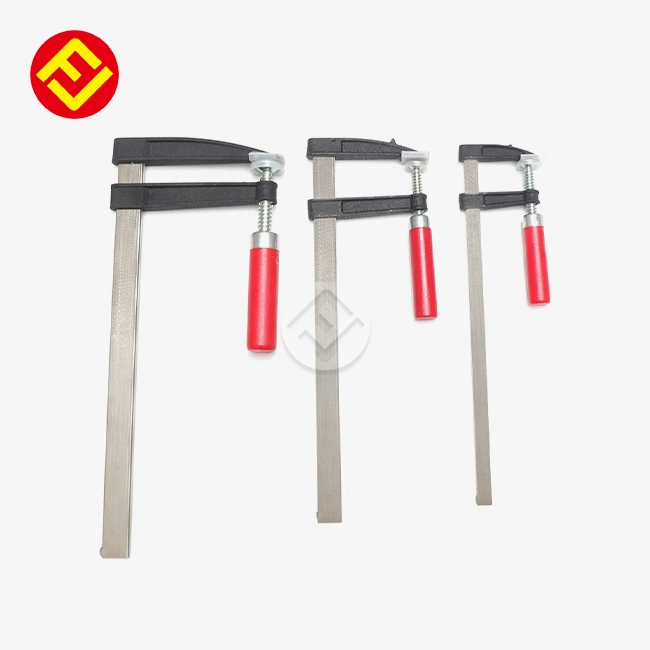
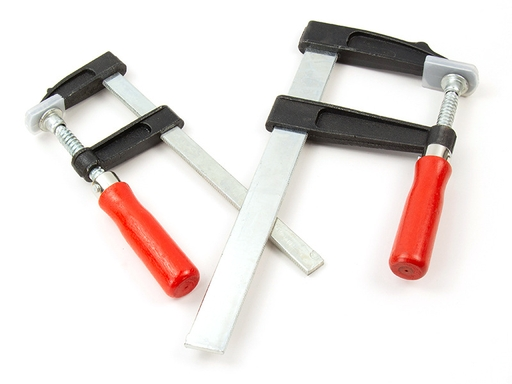
Selecting the appropriate F-Clamps/american-f-clamp">American F clamp for your organization goes beyond choosing the largest or cheapest. The choice affects productivity, worker safety, and long-term operational expenses for procurement managers, project engineers, and tool distributors. An American F clamp is a sliding-jaw fastener with a steel rail and threaded screw mechanism that provides strong gripping power for woodworking, metalworking, and industrial assembly. Malleable cast iron jaws and strengthened steel bars that can withstand clamping forces above 500 kg without structural distortion are typical of "American" models. This paper covers technical criteria, practical applications, and procurement tactics for choosing clamps that match your operating needs and maximize ROI.
Understanding American F Clamps – Basics and Key Features
After decades of performance in harsh settings, the American F clamp is famous. This clamp is designed for professionals who cannot afford equipment failure during vital tasks, unlike lightweight consumer-grade Products" target="_blank" style="color:blue" >products.
Core Components and Material Construction
Material composition and design integrity determine clamp efficacy. Authentic American-style F clamp jaws are made of malleable cast iron, which is strong and ductile. The jaws can withstand shock loads and resist shattering under stress, unlike inferior manufacturers' fragile gray cast iron. Cold-rolled steel rails have sharp serrations that interact with a hardened clutch plate in the sliding arm. This mechanical contact reduces "clutch slippage" that causes cheaper alternatives to fail when milling machines or metal manufacturing tools vibrate. Threaded screw rods, commonly heat-treated alloy steel, transfer rotational force into linear clamping pressure. Precision-machined threads sustain pressure throughout long glue-up or welding operations even under large loads.
Standard Size Ranges and Their Applications
The clamp's reach on a workpiece depends on throat depth, which ranges from 80mm to 120mm in industrial variants. Cabinet manufacturers using 600mm-wide panels need larger throat depths than welding shops securing thin steel channels. Opening capacity ranges from 200mm in compact units to over 1000mm in specialist types. Understanding these dimensions helps match tool choices to project needs rather than buying bulky, expensive equipment.
Surface Finish Options and Environmental Protection
Paint provides basic corrosion resistance for climate-controlled workshops. Zinc-plated surfaces are ideal for outdoor building sites and facilities with fluctuating humidity because they resist moisture and chemicals. The finish impacts lifespan and friction, since certain coatings hold smooth materials better than rough-sawn hardwood. These basic features determine whether a clamp model can endure your operating pressures and weather conditions.
Key Factors to Consider When Choosing an American F Clamp
Clamping equipment selection requires a methodical review that matches tool capabilities to application needs.
Application Type and Operational Environment
To uniformly transmit pressure on softer materials, woodworking prioritizes jaw surface area. Face frame assembly in cabinet shops requires clamps with parallel jaws to minimize wood deformation during glue drying. Heat from welding spatter and grinding destroys plastic components, therefore metalworking requires heat resistance. Construction sites need drop, dust, and concrete chemical resistance. Each environment has inherent stressors that affect material and design choices.
Duty Cycle and Load Requirements
Light-duty applications like temporary holding for measuring or placement require little maintenance. Medium-duty tasks like daily furniture assembly or cabinet installation demand steady clamping over hundreds of cycles each month. Heavy-duty industrial processes, such as continuous manufacturing lines or structural steel construction, cycle clamps constantly, revealing design flaws. To minimize premature tool failure and unanticipated replacement expenses, procurement managers must honestly analyze usage intensity.
Dimensional Specifications: Throat Depth and Jaw Capacity
Accessibility depends on throat depth. A 100mm throat depth permits clamping at the middle of a 200mm-wide board, preventing panel cupping from edge-only pressure. Maximum workpiece thickness depends on jaw capacity. To handle stacked or tilted assemblies, American F clamp needs broad apertures. Workers must use uncomfortable workarounds that impair safety and joint quality due to incorrect measurements. Correctly measuring typical workpiece dimensions should influence minimum specifications.
Material Quality and Manufacturing Standards
Malleable cast iron jaws withstand high torque and impact. The bending of steel rails under load causes unequal clamping pressure and failed joints, thus they must be thick enough. Budget models fail most commonly at the clutch mechanism, which is typically disregarded during procurement. Hardened steel clutch plates grasp rail serrations well, whereas soft metal ones round off rapidly. ISO9001 accreditation means a firm has established quality control methods, but purchasers should test samples to ensure compliance.
Safety and Maintenance Considerations
Operational efficiency depends on thread lubrication. Tools that need frequent lubrication collect wood dust and metal filings, which bind mechanisms and increase maintenance. Downtime is reduced by self-cleaning threads. Handle ergonomics affect repetitive strain injuries in workers who clamp dozens of times a day. Wide, ergonomic grips with enough space reduce hand strain and optimize torque application. Before catastrophic failure during important operations, jaw wear, thread damage, and clutch plate condition should be inspected regularly. Understanding which variables most effect your workflow bottlenecks and quality control issues is key to balancing these requirements.
Comparing American F Clamps with Other Clamp Types
Understanding how American F clamps compare to other clamping technologies in real-world situations helps make purchase decisions.
American F Clamps vs. C Clamps
C clamps are useful for heavy metalworking in tight spaces because to their rigidity and compact shapes. American F clamp rail deflection is eliminated by their solid frame. C clamps have no throat depth advantage and need total disassembly to remove from workpieces, limiting high-volume manufacturing. When working with different workpiece sizes, American F clamps' movable arm speeds up setup. This speed advantage is crucial in bespoke fabrication operations with several daily tasks.
Bar Clamps and Quick-Grip Mechanisms
Bar clamps reach huge assemblies but lack American F clamps' gripping power. Their lighter design suits panel glue-ups where even pressure over long edges counts more than concentrated power. Quick-grip clamps are useful for placing materials with one hand, but their plastic parts and spring-loaded mechanisms cannot withstand metalworking's high pressure. Quick-grip clamps break quickly during welding, whereas American F clamps can survive heat cycling and spatter.
Specialty Clamps: Pipe, Spring, and Heavy-Duty Variants
Pipe Clamps clamp large assemblies utilizing normal plumbing pipe as rails and enable infinite length extension. Pipe straightness tolerances make it unsuitable for precise joinery, limiting flexibility. Spring clamps retain light loads instantly but lack structural power. Heavy-duty American F clamps with strengthened I-beam rails and increased jaw thickness provide professional-grade holding power without electrical infrastructure. Understanding these trade-offs helps procurement teams expand tool inventories to meet diverse application demands without overinvesting on overlapping capabilities.
Procurement Insights – How and Where to Buy American F Clamps for Your Business
Strategic clamping equipment buying involves more than just price.
Price Structure and Volume Purchasing
Volume discounts lower per-unit prices in bulk buying, but purchasers must weigh inventory carrying costs and capital tie-up. Minimum order amounts that match consumption rates save inventory and maximize price. Understanding cost factors helps negotiation: steel markets affect raw material costs, non-standard sizes increase manufacturing complexity, and surface finishing costs more. Transparent pricing systems that itemize these components improve supplier value comparisons.
Supplier Evaluation and Quality Assurance
Documented methods and thorough testing ensure quality from reputable producers. Material certificates for malleable iron composition and steel grade should be requested by procurement managers. Catalogs cannot transmit performance characteristics; sample testing under real operating settings can. Companies with bespoke jaw configurations or dimensional requirements benefit from customisation suppliers. FLA Industrial & Trading Co., Ltd. uses ISO9001-certified quality management systems and almost 40 years of manufacturing experience. Their capacity to make custom sizes solves application-specific problems that off-the-shelf goods cannot.
Distribution Channels and Lead Time Management
Direct manufacturer ties for American F clamps avoid distributor markups and offer technical assistance and specialized engineering. In emergencies, local distributors can supply American F clamps quickly and handle returns easier. Best procurement methods mix manufacturer connections for scheduled purchases and large buys of American F clamps with distributor ties for emergent requirements. Understand standard versus bespoke product manufacturing lead times for American F clamps to avoid tool shortages.
After-Sales Support and Replacement Parts
Replacement screw rods, jaw pads, and sliding arms are long-term operational expenditures. Better than disposable alternatives, suppliers with large spare parts inventories enhance tool life. Warranty terms show manufacturer confidence in product durability. Long-term guarantees for material and manufacturing problems show quality promises. Technical assistance solves performance issues and optimizes tool use, delivering value beyond the product. Over multi-year tool lifecycles, these purchase decisions affect total cost of ownership and operating dependability.
Practical Tips for Maximizing the Value of Your American F Clamp
Tool life and performance are greatly extended by proper use and maintenance.
Correct Usage Techniques
Too much torque beyond clamping force strains components and destroys workpieces. Compressing wood beyond cellular structural limitations breaks fibers, not joints. Metal assemblies need contact pressure, but too much distorts thin materials. Tool damage and workpiece rejection can be avoided by teaching operators clamping feel. American F clamps perpendicular to work surfaces distribute pressure evenly. Point loads from angled clamping focus stress and fail joints.
Maintenance Protocols
Sawdust, metal filings, and adhesive residue that binds moving parts are removed regularly. Wire brushing rail serrations keep clutches engaged. Thread examination detects wear before failure. Light oil on screw threads decreases friction and corrosion without contamination. Avoiding oil on rail serrations protects clutch. Periodic jaw alignment tests reveal bending or damage that needs repair or replacement before impairing job quality.
Real-World Performance Examples
Custom furniture manufacturers lowered glue bond failure rates by teaching clamp selectors and users, aligning throat depths to panel widths, and standardizing torque. Within weeks, their quality control indicators improved significantly. A structural steel fabrication factory switched from budget clamps to certified American F clamps to save rework because the clutch mechanisms maintained alignment during tack welding despite vibration and heat stress. These examples show how equipment quality affects profits. Systematic usage and maintenance procedures turn clamping instruments into productive capital assets.
Conclusion
Application requirements, material specifications, dimensional capabilities, and supplier reliability must be considered while choosing an American F clamp. Quality tools function consistently across thousands of clamping cycles, whereas inferior ones fail prematurely and lower job quality. Procurement decisions should promote long-term operational value above immediate cost reductions. Understanding malleable cast iron architecture, throat depth, and duty cycle requirements helps purchasing managers design equipment that meets their operational environment. Businesses get clamping solutions that boost productivity, decrease rework, and improve worker safety by working with ISO9001-certified manufacturers that provide customisation.
FAQ
1. What throat depth do I need for standard woodworking projects?
Reaching panel centers in cabinets and furniture needs 80mm to 100mm throat depths. Wider assemblies, especially 600mm tabletops, benefit from 120mm depths. Edge-only clamping causes glue curing distortion, therefore measure your most typical workpiece widths and choose throat depths that provide centerline access.
2. Can American F clamps handle heavy metalworking safely?
Professional variants with malleable cast iron jaws and heat-treated steel components can handle welding and grinding vibrations. Make sure the maker mentions materials, not just "steel construction". In high-heat applications, avoid plastic handles or components because thermal degradation is quick.
3. Are replacement parts readily available for quality clamps?
Reliable producers stock screw rods, sliding arms, and jaw pads. Serviceable tools last longer than throwaway ones. Premature tool retirement is caused by a shortage of replacement parts, thus check supplier parts availability and cost.
Partner with FLA Industrial & Trading Co., Ltd. for Your American F Clamp Supplier Needs
FLA Industrial & Trading Co., Ltd. provides precision and reliable clamping solutions with over four decades of manufacturing experience. As a reputable American F clamp manufacturer serving Fortune Global 500 companies in the US, Germany, and Australia, we know that typical solutions don't always fulfill particular needs. Over 1,000 product specifications, including unique throat depths and non-standard opening capacities, are made at our ISO9001-certified factory. Our 24-48-hour technical support and clear bulk pricing impress procurement managers. Talk to us at sales@flaindustrial.com about how our malleable cast iron and precision-machined steel clamps can boost productivity and save tool replacement costs.
References
1. Woodworking Industry Association. (2021). Industrial Clamping Systems: Standards and Best Practices for Production Environments. Professional Woodworking Press.
2. American Society of Mechanical Engineers. (2020). Material Specifications for Hand Tools and Clamping Devices. ASME Technical Publications.
3. National Association of Manufacturers. (2022). Procurement Guidelines for Industrial Tool Systems. Manufacturing Standards Institute.
4. Metalworking Technology Review. (2021). Comparative Analysis of Clamping Force Distribution in F-Style and C-Style Clamps. Industrial Engineering Quarterly, Vol. 47, No. 3.
5. International Organization for Standardization. (2019). ISO9001 Quality Management Systems: Application in Hand Tool Manufacturing. ISO Standards Handbook.
6. Construction Equipment Research Council. (2023). Tool Durability and Lifecycle Cost Analysis in Commercial Construction Applications. Building Industry Research Publications.
YOU MAY LIKE