How to Choose Grooved Coupling Clamp?
2026-05-28 10:36:39


Understanding your system's needs helps choose the correct coupling clamp grooved. Match the pressure rating to your application—from 150 PSI water supply to 300 PSI firefighting systems. Material compatibility between ductile iron or carbon steel housings and pipe requirements should take into account temperature extremes and corrosion. Check the product's UL, FM, and ASTM certifications for regulatory compliance and operational safety. Sizing is crucial; measure pipe outer diameter and groove dimensions to minimize leaks and preserve system integrity during the installation.
Understanding Grooved Coupling Clamps – Basics and Benefits
The Mechanical Advantage of Grooved Technology
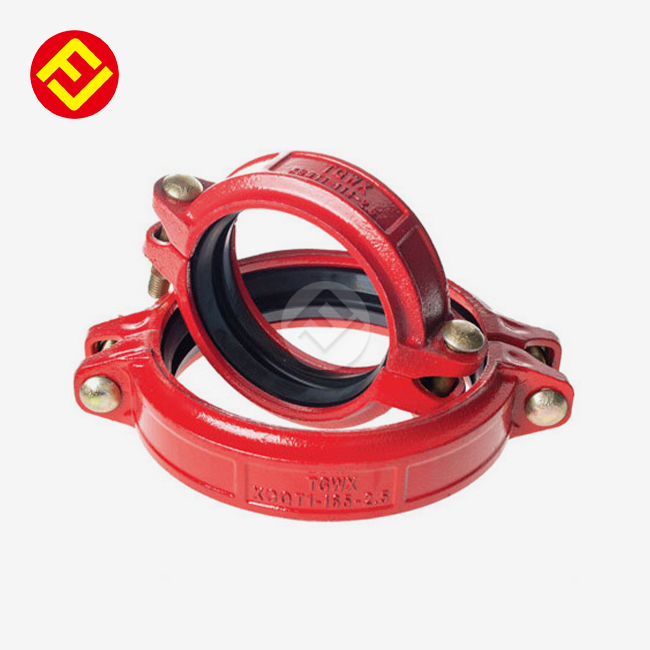
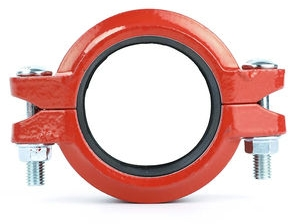
Elegantly simple engineering powers a coupling clamp grooved. Two housing pieces, usually cast from ASTM A536 Grade 65-45-12 ductile iron, surround pipe ends with roll- or cut-grooved circumferential channels. While bolts bring the segments together, housing keys contact these grooves, squeezing an elastomeric gasket to seal pressure. This design minimizes hot work dangers, decreases installation time by 50% compared to welding, and accommodates thermal expansion and seismic movement that cause stiff joints to fail.
Rigid Versus Flexible Configurations
Under stress, rigid vs. flexible grooved couplings determine system behavior. Vertical risers and permanent installations benefit from rigid couplings' tongue-and-groove interfaces that secure pipe alignment like welded connections, with coupling clamp grooved. Flexible variations absorb pump and compressor vibration and manage HVAC heat cycles with controlled angular deflection and linear movement. Avoid costly field adjustments and premature failures by knowing your system setup.
Material Science and Surface Protection
High-pressure applications require ductile iron's 65,000 PSI with 12% elongation, whereas carbon steel alternatives provide weight savings in some installations. Surface treatments prolong service in harsh conditions. Painted finishes are suitable for interior applications, epoxy coatings resist chemical exposure in industrial environments, and hot-dip galvanization protects maritime infrastructure and outdoor water networks. EPDM rubber can take water, sewage, and steam up to 230°F, whereas nitrile (NBR) gaskets can manage petroleum-based fluids and hydraulic systems.
Grooved systems dominate fire prevention installations because their quick construction and seismic adaptability fulfill UL 213 and FM Class 1920 certification criteria. The technology's vibration attenuation preserves pharmaceutical equipment and decreases downtime in mining operations where abrasive slurry lines require pipe rotation.
Key Criteria for Selecting the Right Grooved Coupling Clamp
Pressure Rating and System Compatibility
The safe operating envelope for any pipe system is working pressure. Standard grooved couplings can take 300 PSI (2.07 MPa) for most commercial water supply and HVAC systems. High-pressure variations for industrial and firefighting mains expand this spectrum. Grooved systems work between -29°C and 110°C, however gasket materials and coatings can broaden this range. Procurement engineers must ensure that couplings surpass the maximum expected pressure by a safety margin for surge events and system adjustments.
Dimensional Accuracy and Groove Specifications
Groove geometry is the biggest element in coupling performance. Schedule 10 or Schedule 5 thin-wall applications require roll-grooving to maintain wall thickness without removing material. Cut-grooving machines reduce pipe strength but provide exact dimensions on heavy schedules. From groove to pipe end, the "A" dimension must meet manufacturer requirements. Deviations of even a few millimeters undermine gasket seating and promote leaks. Sizes from 1" to 48" (25mm to 1200mm) suit home plumbing to industrial processing operations, however bigger diameters require specific support and alignment.
Certification and Standards Compliance
Project integrity and legal responsibility are protected by regulations. The ISO9001 accreditation shows systematic production quality management. CE certification ensures European product safety. North American fire prevention systems must be UL/FM approved to ensure grooved coupling clamp can sustain emergency sprinkler demands. ASTM A536 regulates ductile iron composition, whereas AWWA C606 sets water distribution performance specifications. Request third-party testing and certification maintenance documents when assessing vendors, not just compliance assertions.
Gasket Selection and Chemical Resistance
The seal is made by the elastomeric gasket, therefore material choice is crucial for dependability. Temperature tolerance and chemical stability with glycol-based fluids make EPDM rubber popular in water and HVAC applications. EPDM's chlorine and ozone resistance benefits municipal water treatment plants. Petroleum refineries and hydraulic systems require oil-resistant nitrile gaskets. Silicone gaskets handle high temperatures in certain applications. Quality manufacturers use a C-shaped gasket cross-section that raises sealing pressure proportionately with line pressure, improving leak resistance as system demands rise.
Comparing Grooved Coupling Clamps with Other Pipe Joining Solutions
Installation Speed and Labor Economics
Welded connections need certified welders, hot work permits, fire watchers, and post-weld inspections, taking hours per joint and putting scheduling pressure on inhabited buildings. Simple hand tools install grooved couplings in minutes, eliminating trade bottlenecks and speeding project completion. Four workers may install 50+ grooved joints each shift compared to 15 welded connections, saving labor expenses and speeding commissioning. This benefit is amplified in retrofit and rehabilitation projects where welding limits prevent traditional joining.
System Flexibility and Maintenance Access
Flanged connectors allow disassembly but add weight, space, and gasket care. The weight of a 6" flanged joint is three times that of a grooved coupling clamp, which increases structural support costs and complicates installations in congested mechanical rooms. Grooved coupling clamp simplify valve replacement and equipment service by allowing technicians to remove four bolts instead of 8-12. Mining operations value this advantage when rotating slurry pipes to compensate for uneven abrasives.
Vibration Isolation and System Protection
The elastomeric gasket isolates pump and compressor resonance from piping networks, protecting downstream equipment and reducing noise transmission in commercial buildings with HVAC systems. Rigid piping connections accelerate valve packing, gauge connections, and threaded fitting wear. Pharmaceutical and semiconductor facilities use such piping.
Lifecycle Cost Analysis
Grooved systems typically match welded alternatives at initial installation and save money throughout the building lifecycle due to simplified modifications and reduced maintenance downtime.
How to Procure Grooved Coupling Clamps – Sourcing Tips for B2B Buyers
Supplier Evaluation and Manufacturer Selection
Quality suppliers provide detailed technical support, from 3D design confirmation to pressure testing documentation for each production lot. Established manufacturers have rigorous quality systems, traceability documentation, and comprehensive testing protocols.
Volume Considerations and Inventory Strategy
Hardware distributors and tool wholesalers benefit from framework agreements with manufacturers that can support diverse SKU requirements across multiple product lines, including grooved coupling clamp. Construction contractors managing pipeline projects need stable supply chains with predictable lead times and buffer stock arrangements. Volume commitments should balance competitive pricing against inventory carrying costs and obsolescence risk.
Technical Support and Custom Solutions
In-house engineering capabilities allow manufacturers to custom size, modify materials, customize coatings, and adapt designs for unusual mounting constraints or performance criteria, which is invaluable when integrating piping systems with proprietary equipment or meeting jurisdiction-specific requirements.
Quality Documentation and Traceability
Quality suppliers track each product from raw material chemistry to final inspection, so procurement professionals can hold them accountable when system performance matters.
Installation and Maintenance Best Practices for Longevity and Safety
Proper Assembly Techniques
Before installing, check groove depth, width, and concentricity to ensure coupling specifications are met. Clean all surfaces to remove cutting fluids, dirt, and oxidation that could compromise gasket sealing. Position the gasket symmetrically around the pipe to ensure it seats evenly without twisting or pinching. Align housing sections and start bolts finger-tight before applying.
Common Installation Errors and Prevention
The majority of field leaks are caused by pinched gaskets, which result from improper gasket positioning or misaligned housing installation. Debris on sealing surfaces—even minor contamination—prevents proper gasket contact, creating leak paths. Insufficient groove depth prevents housing key engagement, while excessive depth allows housing movement under pressure, particularly in coupling clamp grooved connections.
Inspection Protocols and Preventive Maintenance
Regular visual inspections check for corrosion, gasket degradation, bolt loosening, and coating damage. Infrared thermography detects unusual temperature patterns indicating restricted flow or developing leaks. Vibration analysis detects bearing wear and imbalance before excessive movement damages coupling joints. Document baseline conditions during.
Safety Considerations and Personnel Training
Train personnel in isolation verification, pressure relief confirmation, and proper tool use. Grooved couplings simplify maintenance but don't eliminate pressurized piping hazards. Establish formal coupling removal and reinstallation procedures, including torque verification and leak testing.
Conclusion
Selecting appropriate grooved pipe connectors, including coupling clamp grooved types, requires balancing technical specifications against application demands, procurement realities, and lifecycle economics. Material selection, pressure ratings, certification compliance, and proper sizing establish the foundation for reliable system performance. Understanding the distinctions between rigid and flexible configurations, evaluating gasket materials for chemical compatibility, and verifying supplier quality systems separate successful projects from problematic installations. The installation speed, maintenance accessibility, and inherent flexibility of grooved technology deliver compelling advantages over traditional welded and flanged alternatives across diverse applications from fire protection through industrial processing. By applying the criteria and procurement strategies outlined in this guide, hardware distributors, construction contractors, and facility engineers can make informed decisions that optimize both immediate project needs and long-term operational performance.
FAQ
1. What factors determine the optimal coupling clamp grooved selection for my specific application?
Analyze working pressure and temperature ranges, then choose couplings rated above maximum anticipated conditions with appropriate safety margins. Choose compatible gasket materials for water, steam, petroleum Products" target="_blank" style="color:blue" >products, or chemicals. Evaluate environmental factors like corrosion exposure, temperature extremes, and seismic considerations.
2. How do grooved couplings perform in high-pressure or corrosive environments?
Quality grooved systems can handle pressures up to 300 PSI in standard configurations, with specialized designs extending this range. The pressure-responsive gasket design improves sealing as line pressure increases.
3. What is the comparative installation duration versus welded or flanged connections?
The average 4" grooved coupling takes 5-8 minutes to install using basic hand tools, compared to 30-45 minutes for welding, including preparation and cooling. Precision alignment and sequential bolt tightening take longer to install flanged connectors. Labor cost reductions add up across big projects, lowering installation costs and speeding up completion.
Partner with FLA Industrial & Trading Co., Ltd. for Premium Grooved Coupling Solutions
When your pipe infrastructure needs reliability, contact FLA Industrial & Trading Co., Ltd., a coupling clamp grooved provider with over 40 years of experience. Our 1" to 48" ductile iron and carbon steel grooved couplings exceed ISO9001, CE, and UL/FM standards and provide hardware dealers and building builders affordable prices. Technical assistance, specification documentation, and project modification are available within 24-48 hours. Please contact sales@flaindustrial.com to discuss your needs and obtain customized solutions based on decades of experience servicing Fortune Global 500 partners worldwide.
References
1. Smith, J.R. (2021). Modern Piping Systems: Design and Installation Best Practices. Industrial Press Inc.
2. American Society of Mechanical Engineers. (2022). ASME B31.1: Power Piping Code. ASME International.
3. National Fire Protection Association. (2023). NFPA 13: Standard for Installation of Sprinkler Systems. NFPA Publications.
4. Johnson, M.K. & Williams, P.T. (2020). Mechanical Coupling Technology in Industrial Applications. Engineering Journal Quarterly, 45(3), 112-129.
5. International Association of Plumbing and Mechanical Officials. (2022). Uniform Plumbing Code: Installation Standards for Grooved Piping Systems. IAPMO Publishing.
6. Chen, L. & Anderson, R.S. (2023). Lifecycle Cost Analysis of Pipe Joining Methods in Commercial Construction. Journal of Construction Engineering and Management, 149(2), 78-94.