Stainless Rope Clamp Infomation and Proper Installation Guide
2026-05-29 09:41:46


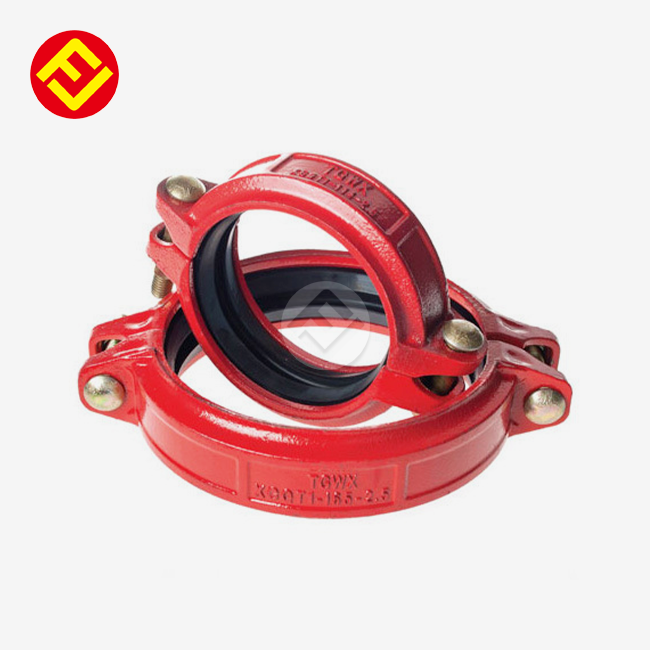
A stainless rope clamp is a precision-engineered rigging component that secures the loose end of a wire rope against itself for a reliable termination point. This hardware device uses a U-bolt, forged saddle, and hex nuts made of austenitic stainless steel grades 304 or 316 to provide excellent grip without crushing wire strands. In construction, maritime, and industrial settings where wire rope connections need strength and adaptability, these clamps are better than permanent swaged fittings because they can be field adjusted and retightened.


What is a Stainless Rope Clamp? Key Concepts and Types
Understanding wire rope fastening hardware basics helps procurement experts make safe and long-lasting project selections. Several stainless rope clamp types meet unique rigging needs in tough industrial applications.
Fundamental Function and Design Architecture
Mechanical grips like stainless rope clamps secure the dead end of a rope to its living end to generate loop terminations. Clamping pressure is distributed across a grooved surface that matches the rope diameter by the saddle component on the load-bearing side. The U-bolt wraps around the tail end, with both nuts tightened to manufacturer torques. This design eliminates rope slippage under static stresses and allows controlled installation adjustment.
Devices solve important rigging system issues with their engineering. Galvanic corrosion in seawater kills carbon steel alternatives in months, while austenitic stainless steel's passive chromium oxide coating protects it. Thermal expansion coefficients are steady from -40°C to +200°C, assuring performance in Arctic offshore platforms and arid mining activities.
Common Type Variations in Professional Applications
The most common stainless rope clamps are DIN 741, which use a malleable iron saddle structure for stainless steel manufacture. These work for guy wires, safety lines, and non-lifting applications with load ratings of 80-90% of the wire rope's minimum breaking strength.
Double saddle clamps improve grip distribution by matching saddle components on live and dead rope sections. This symmetrical shape decreases stress concentration spots, making them ideal for architectural cable railings and tensile constructions that consider aesthetics and mechanical performance.
High-volume projects are installed faster using Simplex and Duplex stainless rope clamps' simplified designs and integrated bolt systems. Construction firms like these cable barrier system and temporary rigging solutions because efficiency affects labor costs and project timeframes.
Material Grade Distinctions That Impact Procurement Decisions
18% chromium and 8% nickel make AISI 304 stainless steel corrosion-resistant for indoor applications and mild outdoor conditions exposed to rain and urban pollutants. This grade is best for hardware wholesalers that sell to home and light commercial builders because it balances performance and affordability.
Along with its chromium-nickel foundation, AISI 316 stainless steel has 2-3% molybdenum, greatly enhancing chloride pitting and crevice corrosion resistance. Marine contractors installing yacht rigging, docks, and coastal infrastructure need this marine-grade standard. Compared to premature replacement costs and safety risks from corroded fastening systems, the 316 stainless steel material premium is insignificant.
Galvanized steel alternatives may seem cost-effective, but they don't last as long in corrosive environments. Sacrificial oxidation depletes the zinc layer, leaving the carbon steel subject to rust penetration that reduces load-bearing capability. For projects over five years, procurement engineers favor stainless steel requirements when calculating total cost of ownership.
How to Properly Install Stainless Rope Clamps: Step-by-Step Guide
Installation skill influences whether stainless rope clamps reach their rated load capacity or fail. Marine, construction, and industrial best practices from decades of field experience are used in this technique.
Essential Preparation and Tool Requirements
Installing properly requires checking clamp size against wire rope diameter. By measuring rope diameter using calipers, you avoid buying based on nominal values that may not account for production tolerances. The saddle groove should entirely engage the rope circumference without gaps that limit grip effectiveness.
Before installing, gather a calibrated torque wrench with socket attachments that match nut specifications, wire rope cutters or hydraulic shears for clean end preparation, and stainless steel thread anti-seize lubricant. Avoid ordinary greases that attract impurities or deteriorate under UV light.
Correct Positioning and the Critical Saddle Rule
The rigging business obeys the rule "Never saddle a dead horse." The saddle component must rest against the live (load-bearing) wire rope portion while the U-bolt bends around the dead (cut) end. Reversing this orientation compresses load-bearing strands and lowers termination efficiency by 40%, generating a predicted failure site under stress.
The first clamp should be one saddle width from the thimble or loop end. Create a graded grip pattern by spacing clamps six times the rope diameter apart to spread tension and minimize concentrated bending. Three clamps fit 3mm–6mm ropes, while four clamps fit 8mm–19mm ropes. According to manufacturer specifications and technical estimates for the installation's working load limit, larger ropes need more clamps.
Torque Specifications and Tightening Sequence
Thread both nuts onto the U-bolt until finger-tight, seating the saddle against the rope without cross-threading. Tighten nuts in an alternate pattern using the torque wrench to the manufacturer's suggested value, usually 15 to 65 foot-pounds depending on clamp size. This alternating method eliminates saddle canting and pressure imbalance.
Wire rope shrinks somewhat under initial pressure as strands form stress-bearing structures. Retighten clamp nuts to specification after applying the working load. These additional tightening steps help preserve rated capacity and minimize slippage that might cause system failure during peak load occurrences.
Common Installation Mistakes That Compromise Safety
Installation teams should be educated by purchasing managers about common faults that invalidate warranties and expose them to responsibility, including on stainless rope clamp. Overtightening causes thread stripping or U-bolt distortion that permanently lowers clamping force. Slipping ropes promotes strand wear and fraying.
Mixed hardware from different manufacturers causes saddle groove radii to deviate from rope contours. A seemingly trivial aspect causes stress concentration spots that promote wire rope breakdown. Mixing stainless steel grades between clamps and mounting hardware generates galvanic couples that accelerate contact interface corrosion.
Maintenance Protocols for Extended Service Life
Using application severity-based inspection schedules preserves system integrity during operation. Marine settings need monthly tea staining (surface corrosion indication) visual inspections and quarterly torque verification. Construction applications in less demanding conditions may require quarterly visual inspections and annual comprehensive evaluations.
Initial installation torque and rope diameter measurements provide baseline data for later inspections. Progressive changes in these metrics suggest concerns before failure. Repair clamps with deformation, thread damage, or corrosion pitting beyond surface oxidation.
Stainless Rope Clamp vs Other Solutions: Making the Right Choice
Initial investment, maintenance, installation difficulty, and lifespan expenses must be considered while choosing stainless rope clamps. Each fastening method has advantages for certain operating circumstances and performance needs.
Performance Comparison With Galvanized Alternatives
Galvanized rope clamps are 30-40% less than stainless steel ones, making them appealing for budget-conscious applications. Zinc coating protects dry interiors and temporary installations with limited operational timeframes. Distribution facilities and retail display fixtures are good places to prioritize function above form.
Zinc coatings on galvanized gear in coastal building and wastewater treatment plants corrode between 18–24 months. Besides compromising structural integrity, the rust bloom stains nearby surfaces and breaches aesthetic standards. Galvanized solutions are economically unfavorable for permanent installations in corrosive environments because labor, equipment access, and system downtime rapidly outweigh the initial savings.
Evaluation Against Swage Fittings and Pressed Sleeves
Compressing aluminum or copper sleeves around wire rope with hydraulic swaging provides permanent terminations that surpass 95% of rope breaking strength. This approach is ideal for elevator cables and permanent architectural elements that require optimum strength without disassembly. Specialized hydraulic presses and qualified personnel limit field installation flexibility.
Removable and adjustable stainless rope clamps give strategic advantage without specialist equipment. Construction firms enjoy this versatility for temporary rigging arrangements that change as projects advance. For applications with sufficient safety factors, the modest termination efficiency drop relative to swaged fittings is acceptable.
Material Selection Criteria Based on Environmental Exposure
Weight-saving aluminum rope clips benefit aerospace and mobile equipment energy efficiency. Aluminum's poorer strength-to-weight ratio needs bigger component dimensions to reach equal load ratings, rendering it unsuitable for space-constrained applications. Insulating washers impede installation when aluminum encounters stainless steel wire rope due to galvanic compatibility issues.
For installations exposed to seawater spray, industrial chemical atmospheres, or high-moisture subterranean settings, stainless steel 316 is best. Extended service intervals and decreased inspection requirements cut total ownership costs throughout 15-20 year facility lifecycles.
Sizing Guidance for Load Requirements and Safety Factors
For static loads and dynamic applications with shock loading potential, engineering standards require minimum safety factors of 3:1 to 5:1. Multiply the maximum projected working load by the safety factor to calculate wire rope breaking strength, then choose rope clamps for that wire diameter. Large clamps on smaller rope cause inappropriate saddle contact and diminish grip efficiency, while undersized clamps damage rope strands and cannot attain torque levels.
ASME B30.26 for rigging hardware and ASTM F1166 for stainless steel threaded fasteners should be used in procurement specifications. These standards define objective performance criteria for supplier comparison and guarantee goods satisfy quality requirements.
Procurement Guide: How to Buy Stainless Rope Clamps for Your Business
Beyond unit cost, strategic stainless rope clamp purchasing must assess supplier competencies, quality assurance processes, and logistical assistance to ensure project success and operational continuity.
Critical Quality Certifications and Compliance Documentation
ISO 9001 accreditation shows a firm has established quality management procedures for material sourcing, manufacturing, and final inspection. This certification ensures that goods meet standards throughout production batches, lowering the possibility of faulty components causing installation delays and warranty claims.
CE marking ensures product compliance with European health, safety, and environmental protection regulations for European markets or projects needing international compliance paperwork. Material test certificates linking stainless steel composition to mill certifications verify that hardware satisfies corrosion resistance and mechanical property grade standards.
Ask for third-party load testing results indicating increasing loading breaking strengths and deformation. Reliable manufacturers batch test and issue lot-specific certificates for traceability if field performance issues develop during project execution.
Evaluating Price Versus Performance for Volume Orders
Manufacturing efficiency and decreased transaction overhead minimize per-unit costs in bulk purchasing, but minimum order quantities must match consumption rates and storage capacity. Hardware wholesalers profit from carrying varied size ranges for numerous client groups, while contractors may minimize inventory by focusing on the three most common sizes utilized in their project mix.
Companies handling several projects with staggered billing cycles benefit from net-30 or net-60 payment periods. Progressive delivery schedules synchronized with project milestones save storage and capital tied up in inventory awaiting installation.
Global Shipping Considerations and Packaging Standards
Ocean freight offers affordable shipping for large purchases with 6-8 week travel dates. Moisture-barrier compounds and desiccant packages prevent stainless steel surface deterioration during long maritime trips in humid tropical climates. U-bolt threads and saddle grooves on the stainless rope clamp are protected from moving in palletized shipments using stretch wrap and corner protectors.
Air freight is ideal for urgent replacement orders and project acceleration to minimize schedule delays and equipment downtime. Emergency 48-72-hour delivery is possible with express shipping from manufacturers with strategic inventory locations in large marketplaces.
Custom and OEM Manufacturing Capabilities
Most conventional applications are covered by standard catalog items, but specific projects may require unusual dimensions, load ratings, or surface treatments. From unique U-bolt lengths for unconventional rope arrangements to saddle shapes for customized cable designs, manufacturers with in-house engineering and CNC machining can fulfill exact demands.
OEM collaborations allow distributors to create regional brand recognition or contractors to differentiate their services with proprietary product specifications through private labeling. Custom packaging with corporate logo and installation instructions boosts perceived value and supports value-added distribution model premium pricing.
Trusted Brands and Suppliers for Stainless Rope Clamps
Supplier selection affects product quality, delivery reliability, and technical support, determining whether stainless rope clamp procurement agreements are strategic collaborations or operational frustrations.
Manufacturer Direct Versus Authorized Distributor Channels
For high-volume consumers with constant needs, buying directly from manufacturers gives them the most control over specs, customisation, and cost. Engineering resources for application consulting and product development cooperation on new solutions for growing industry demands are available through direct partnerships.
Local inventory allows authorized distributors to quickly fulfill smaller orders and emergency replacements without minimum orders. Consolidating suppliers through established distribution networks simplifies procurement administration for purchasers handling several low-value purchase orders across product categories.
Indicators of Supplier Reliability and Long-Term Viability
Newer entrants may lack metallurgy, precise machining, and quality control competence from decades of manufacturing experience. Companies servicing Fortune Global 500 clients satisfy demanding technical criteria and audit requirements to establish manufacturing competency.
Buyers avoid financial losses from premature product failure with transparent warranty policies covering material and manufacturing problems for predetermined durations. For complicated installations needing specialized skills, after-sales technical support, including application engineering and troubleshooting, delivers value beyond transactional hardware delivery.
Partnership Advantages With FLA Industrial & Trading Co., Ltd.
Our nearly four decades of manufacture have made FLA Industrial & Trading Co., Ltd. a trusted supplier for precision-engineered rigging hardware for demanding applications worldwide. We precisely cast, forge, and CNC machine stainless rope clamps from certified 304 and 316 grade stainless steel for constant dimensional correctness and exceptional surface finishes.
ISO 9001 and CE certificates demonstrate our quality management competence, and our marine-grade clamps are brightly polished thanks to meticulous production. From Arctic offshore platforms to tropical industrial facilities, temperature performance from -40°C to +200°C suits harsh environment installations.
From initial design consulting to production optimization, our engineering team provides 3D design verification and real-time progress updates to keep projects on schedule. Whether you need regular catalog goods for fast distribution or custom configurations for unique specifications, our production flexibility and technical competence meet your operational and timetable demands.
Conclusion
Wire rope termination hardware selection depends on material grades, installation methods, and supplier capabilities, which affect stainless rope clamp system dependability and lifespan economics. Marine-grade 316 stainless steel rope clamps offer corrosion resistance and mechanical performance that justify material investment through increased service intervals and reduced maintenance. Installing according to industry standards provides rated load capabilities and avoids safety and warranty issues. Strategic procurement alliances with experienced manufacturers give quality items, technical expertise, and logistical assistance, turning hardware purchase into a project success factor.
FAQ
1. How often should stainless rope clamps be inspected and retightened?
Since rope strands settle and compress under stress, wire rope terminations must be retightened after loading. Load cycling and environmental exposure determine inspection frequency. Marine installations and dynamic loading applications benefit from monthly visual inspections and quarterly torque verification. Static applications in controlled conditions may require quarterly visual checks and yearly torque and rope wear tests.
2. Are stainless steel rope clamps suitable for saltwater marine environments?
Due to molybdenum content, marine-grade 316 stainless steel clamps resist chloride pitting and crevice corrosion. These clamps provide long-term structural integrity and appearance in coastal and offshore applications where carbon steel equivalents fail within months. Rinsing with fresh water after saltwater exposure and yearly tea staining indicator examinations extend service life in harsh maritime environments.
3. What distinguishes wire rope clips from stainless rope clamps technically?
Different industries and regions use "clip" and "clamp" to denote the same hardware category. Mechanical fasteners like U-bolts, saddles, and nuts secure wire rope loop terminations. Clear communication of technical requirements is more essential than linguistic variances since material specification and conformity with applicable standards dictate performance characteristics.
Partner With a Leading Stainless Rope Clamp Manufacturer for Your Procurement Needs
Choosing the correct supplier turns stainless rope clamp buying into a strategic advantage. FLA Industrial & Trading Co., Ltd. offers over 40 years of manufacturing expertise, technical assistance, and customized modification. Our stainless rope clamps are ISO 9001 and CE certified and priced competitively for large orders.
Purchase managers, project engineers, and procurement directors may enjoy FLA's expedited quotation process and prompt customer support. Contact sales@flaindustrial.com to discuss your project details, request technical documentation, or get bulk stainless rope clamp supplier price. Our engineering experts offer application consultancy, installation advice, and product selection to optimize performance and value throughout your rigging hardware portfolio.
References
1. Campbell, J. R. (2019). Wire Rope Handbook: Applications, Operations, and Maintenance. Industrial Press.
2. Deutsches Institut für Normung. (2018). DIN 741: Wire Rope Terminations - Specifications and Testing Methods. Berlin: Beuth Verlag.
3. Occupational Safety and Health Administration. (2020). Rigging Equipment Standards and Safe Practices. U.S. Department of Labor.
4. American Society of Mechanical Engineers. (2017). ASME B30.26: Rigging Hardware - Design, Testing, and Maintenance Requirements. New York: ASME Press.
5. Marine Technology Society. (2021). Corrosion Resistance of Marine Hardware: Comparative Analysis of Stainless Steel Grades. Journal of Ocean Technology, 16(3), 45-62.
6. Wire Rope Technical Board. (2018). Best Practices for Wire Rope Clip Installation and Inspection Protocols. Fourth Edition. Washington, DC: Wire Rope Technical Board Publications.