Stainless Steel Rope Clamps: A Comprehensive Review and Guide for Users
2026-05-29 09:41:52


The stainless rope clamp is a crucial fastening tool that combines dependability and corrosion resistance for attaching wire rope in challenging industrial situations. These precision-engineered components fasten wire rope terminations in maritime, construction, and industrial applications that need safety and longevity. In settings where galvanized clamps fail, these austenitic stainless steel grades 304 or 316 clamps are essential for B2B procurement experts seeking long-term value and operational safety.
Understanding Stainless Steel Rope Clamps: Types, Materials, and Benefits
Different configurations of wire rope fastening hardware meet different operating issues. Understanding these differences helps procurement teams choose solutions that meet performance and budget needs.
What Defines a Quality Wire Rope Clip
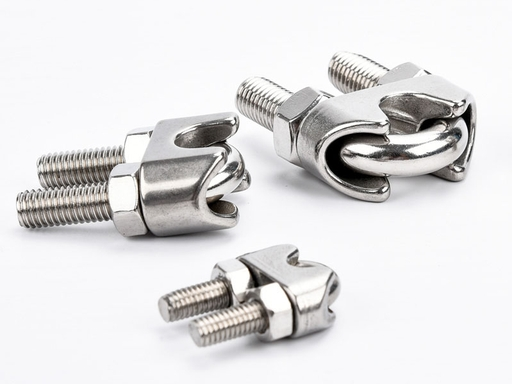
A good wire rope clip has a U-bolt, forged saddle, and two fastening nuts. A precision-machined groove in the saddle matches the rope diameter, evenly gripping the wire strands. The rope's structural integrity is protected from isolated stress spots by this design. Quality manufacturers use forging or precision casting instead of stamping to make components with better grain structure and mechanical qualities. Galling, a typical failure mechanism in stainless fasteners under high torque, can be prevented by maintaining U-bolt thread pitch.
Material Grades and Their Performance Characteristics
Understanding material composition affects purchase decisions for diverse operational environments:
- Grade 304 Stainless Steel: This austenitic alloy with 18% chromium and 8% nickel resists general corrosion indoors and somewhat outside. The material maintains mechanical characteristics at -40°C to +200°C. For architectural, furniture, and light industrial applications where cost effectiveness trumps high environmental resistance, procurement teams request this grade.
- Grade 316 Stainless Steel: This marine-grade alloy resists chloride-induced pitting and crevice corrosion with 2-3% molybdenum. A more stable passive layer with molybdenum can tolerate seawater spray, chemical processing, and sulfur-containing industrial atmospheres. While material prices are greater than 304, corrosive situations have a significant lifespan cost benefit. To avoid failure, marine contractors, offshore platform operators, and coastal construction enterprises use this standard only.
Correctly made stainless components, including stainless rope clamps, outlast galvanized ones by years due to corrosion resistance. Galvanized coatings protect maritime environments for 18–36 months before zinc loss reveals carbon steel. The protective chromium oxide coating on stainless steel regenerates automatically when scratched. Self-healing eliminates routine replacement expenses that reduce long-term profitability in maintenance-intensive applications.
Types of Clamps for Different Load Requirements
Standard wire rope clips work well in guard rails, cable trays, and architectural elements with consistent loads. Properly mounted, these components achieve 80-85% termination efficiency relative to the rope's minimal breaking stress. Tougher saddle sections and bigger U-bolt diameters manage dynamic stresses in lifting equipment, crane installations, and material handling systems. EN 13411-5 must be used in procurement specifications for these applications to guarantee overhead lifting safety.
How to Choose the Best Stainless Steel Rope Clamp for Your Needs
Selection of wire rope fastening gear needs rigorous study of operating factors, climatic circumstances, and safety standards. Structured selection criteria help procurement experts avoid costly specification mistakes that endanger safety or prematurely replace parts.
Defining Your Application Requirements
The main selection criterion is load capacity. Static weight plus wind, vibration, or operational movement forces determine the maximum working load. Personnel-carrying and crucial overhead lifting applications should never use wire rope clips alone. Rope diameter dictates clip size—mismatched components greatly impair termination efficiency. Custom solutions meet particular needs, although standard size tables offer clip dimensions for rope diameters from 3mm to 50mm.
Environmental assessment matters too. All marine applications require 316-grade steel. Coastal development within five miles of seawater has comparable requirements. Molybdenum-enriched alloys improve corrosion resistance in chemical processing, wastewater treatment, and sulfur-exposed mining. Standard austenitic stainless retains characteristics from -40°C to +200°C, although severe cold or heat may need specialist alloys.
Comparing Stainless Steel to Alternative Materials
Lifecycle study shows material performance differences:
Galvanized carbon steel clips are cheaper but need replacing every 2-3 years in corrosive situations. The 40-80 micron zinc coating offers transient protection that fades in seawater due to galvanic activity. Coastal project procurement teams quickly exceed stainless rope clamp premiums due to replacement and labor costs.
While serving, stainless steel clips maintain dimensional stability and clamping force. The nanometer-thick passive chromium oxide layer regenerates continually, offering lifetime protection without maintenance. The bright polished surface resists stains and looks good in architectural applications. FLA Industrial & Trading Co., Ltd. testing shows that correctly specified 316-grade components retain complete mechanical qualities after five years of continuous saltwater exposure, while galvanized alternatives degrade within 18 months under same conditions.
Evaluating Manufacturer Quality Standards
Certified parts differ from inferior ones. From raw material verification to final inspection methods, ISO 9001 certification ensures quality control throughout manufacturing. EU safety regulations are verified by CE certification, allowing procurement teams to verify product claims. Full material traceability documentation helps manufacturers meet project quality and safety standards. These certifications are especially useful when serving Fortune Global 500 firms or government infrastructure projects with extensive documentation requirements.
Proper Installation and Maintenance of Stainless Steel Rope Clamps
Wire rope terminations' load capability depends on proper installation. Even high-quality components fail when installation guidelines are followed, posing safety and liability risks that procurement teams must assist customers avoid.
Step-by-Step Installation Protocol
The installation process begins with component orientation. The industry guideline is "Never saddle a dead horse"—the saddle must always contact the live (load-bearing) rope segment while the U-bolt touches the dead (cut) end. Reversing this arrangement crushes load-bearing strands and diminishes grip efficiency by 40%. This one inaccuracy causes most field failures.
According to recommendations, rope diameter determines clip amount. Three clips are needed for 6mm ropes. Larger ropes may need five or six termination points, whereas 8mm–19mm diameters need four clips. First clip should be one saddle width from rope's thimble or termination point. Six rope diameters separate subsequent clips, with the last clip as near to the cut end as possible.
For torque application, certain rules apply to stainless rope clamps. Clamping force without rope damage is achieved by hand-tightening the nuts until snug and adding wrench torque per manufacturer specifications. Under-torquing lets the rope slide; over-torquing crushes wire strands and lowers rope capacity. Thread anti-seize lubricant prevents galling and provides torque data. Retightening after loading is a crucial step many installers skip. Initial loading compresses wire rope, lowering clip tension. After 24 hours of load duty, retorque all fasteners to restore clamping force and avoid slippage.
Maintenance Best Practices for Extended Service Life
Operating-condition-appropriate inspections maintain component safety margins throughout the lifespan. Quarterly inspections of fastener torque, rope condition at clamp contact locations, and apparent corrosion or deformation are needed in marine and corrosive settings. Industrial uses in mild environments require semi-annual inspections. Traceable maintenance data from inspections support safety and liability.
Stainless steel components require little lubrication, although marine-grade anti-seize compound prevents galling during retorquing. Even with 316-grade steel, crevice corrosion between the saddle and rope can cause failure if moisture or impurities are trapped. Rope wear patterns indicate faulty installation; severe U-bolt flattening shows reversed orientation or over-torquing.
A Gulf Coast maritime construction business scheduled quarterly torque and rope inspections for dock projects. This preventive strategy discovered three faults before failure, avoiding equipment damage and ensuring operating safety. Maintenance records showed thoroughness during an insurance audit, verifying risk management. Case studies show that good maintenance practices add value beyond component lifespan.
Procurement Strategies for Stainless Steel Rope Clamps in B2B Markets
Effective procurement weighs immediate costs against lifespan value, supplier reliability, and supply chain resilience. Hardware dealers, building contractors, and industrial facilities have different sourcing issues that required different tactics.
Volume Purchasing and MOQ Considerations
Bulk ordering saves money but requires inventory management. Manufacturers usually set pricing tiers at 50, 200, 500, and container-load quantities. Hardware wholesalers can stock common sizes in bulk to get volume savings and manage inventory turnover. Ongoing construction contractors specify project amounts + 15-20% extra inventory for field modifications and damage repair without delays.
Minimum order numbers vary widely across vendors. Large manufacturers may require 500 pieces for common commodities, whereas specialist suppliers accept smaller orders at higher unit prices. Procurement teams should consider if merging several SKUs with one supplier justifies increased unit prices due to decreased administrative overhead and easier logistics.
Customization Capabilities for Specialized Applications
Standard catalog components work well for most applications, but unique projects typically need custom specs. Custom load ratings, dimensions, and mounting configurations meet engineering needs that off-the-shelf items cannot. Companies with in-house engineering and flexible manufacturing can provide options others cannot. Design teams at FLA Industrial & Trading Co., Ltd. create unique specifications from customer needs and verify 3D models before manufacturing. Collaboration prevents costly specification mistakes and speeds bespoke component supply, including the stainless rope clamp.
Evaluating Supplier Credentials and Reliability
Certificate verification should precede major purchases. Request ISO 9001 certifications and check their authenticity with granting agencies. CE certification documents ensure overseas projects comply with European safety requirements. Mill test reports are essential for alloy-specific applications to verify raw material composition.
Logistics affect project success as much as product quality. Suppliers with international shipping experience handle customs documentation, freight forwarding, and delivery coordination better than local producers. Project-based procurement requires lead time reliability since delivery delays affect construction timelines. Client references provide better supplier performance data than marketing materials, especially for communication and problem resolution.
Comparing Stainless Steel Rope Clamps with Other Solutions: Making an Informed Decision
Understanding multiple fastening methods helps procurement teams choose the most cost-effective option for each application. While wire rope clips dominate semi-permanent terminations, alternative methods have benefits in certain situations.
Fastening Method Performance Comparison
Hydraulic compression cold-works sleeve material onto wire ropes to generate permanent terminations with 95-100% rope efficiency. This procedure works for terminations that never need correction, but it requires hydraulic swaging equipment not found in the field. Permanent design prevents inspection or rope replacement without cutting the termination.
Installed stainless or galvanized wire rope clamps terminate 80-90% efficiently. Semi-permanent construction allows field installation with hand tools, inspection without disassembly, and rope length modification. Construction, architectural features, and maintenance-accessible installations prefer clips because to their versatility.
Molten zinc poured around splayed rope strands in a conical socket body, together with a stainless rope clamp, gives spelter sockets near-perfect termination efficiency. Careful preparation and specialized equipment limit its use to shop situations with permanent high-strength terminations that justify the labor effort. This approach is used in marine rigging and crucial structural applications despite greater installation costs.
Lifecycle Cost Analysis
Total cost of ownership includes purchase price, installation labor, maintenance, and replacement frequency. Galvanized clips are cheap as first, but maritime settings demand replacement every 2-3 years, accumulating expenses quickly. Each replacement cycle requires labor, disposal, and reinstallation, plus component costs.
Stainless steel rope clamps last decades in severe settings. Higher initial investment amortizes over longer service life, avoiding replacement labor and production downtime. Architectural installations benefit from maintenance-free operation since scaffolding expenses surpass component value many times when replacing building façade components.
Industry-Specific Recommendations
Due to continual saltwater exposure and catastrophic fastening failure, marine and offshore applications require 316-grade stainless. Coastal construction companies profit from 316-grade material within five miles of seawater, whereas inland contractors use 304-grade. In humid shops, polished 304-grade components are cost-effective for woodworking and furniture producers that value aesthetic appearance and corrosion resistance. Electrical utility businesses need superior fastening for overhead line installations where maintenance is difficult, eliminating replacement cycles. Industrial plumbing and HVAC applications may be exposed to chemicals, necessitating material specifications matched to environmental conditions.
Conclusion
Material parameters, load requirements, environmental conditions, and lifespan costs must be balanced against procurement budgets and project timeframes when choosing stainless rope clamps. In extreme settings where galvanized steel fails, austenitic stainless steel grades' corrosion resistance is valuable. Installation according to manufacturer standards assures rated performance, while periodic maintenance extends service life and maintains safety margins. Certified manufacturers offering engineering assistance and customisation give procurement professionals competitive advantages through optimal specifications, stable supply chains, and technical competence that supports long-term operational success.
FAQ
1. What distinguishes 304 from 316 stainless steel rope clamps?
Grade 304 has 18% chromium and 8% nickel for indoor and mild outdoor use. Grade 316 includes 2-3% molybdenum for chloride-induced corrosion resistance in marine, coastal, and chemical processing plants. Despite greater material prices, maritime applications require 316 because the molybdenum improvement reduces seawater pitting.
2. How many clamps does a wire rope termination require?
Number of clips depends on rope diameter. Three clamps are needed for 6mm cables. Larger ropes may need five or six termination points, whereas 8mm–19mm diameters need four clips. The six rope-diameter spacing guarantees grip length to avoid slippage under operating conditions.
3. What torque specifications ensure proper installation?
Manufacturer torque specs vary by clip size and design. It is recommended to hand-tighten until snug, then apply wrench torque according to size. Retorquing after loading is crucial because wire rope contracts somewhat, lowering clamping pressure. The second torque application after 24 hours under load maintains grip force throughout service life.
Partner with FLA Industrial & Trading Co., Ltd. for Premium Stainless Rope Clamp Solutions
FLA Industrial & Trading Co., Ltd. offers comprehensive stainless rope clamp solutions for procurement professionals. Our precision-engineered wire rope fastening gear meets maritime, construction, and industrial demands with over 40 years of manufacturing experience and over 1,000 product requirements. Advanced forging, machining, and polishing procedures at our ISO 9001 and CE-certified production facilities produce components that meet worldwide quality requirements. Our technical staff supports you from design to production optimization for common catalog Products" target="_blank" style="color:blue" >products or custom-engineered solutions for unique applications. Contact our sales team at sales@flaindustrial.com to discuss your needs, request technical specifics, or get volume quotes that show our dedication to reasonable price without compromising quality.
References
1. American Iron and Steel Institute. (2018). Stainless Steel: Specifications and Properties for Industrial Applications. Washington, DC: AISI Publications.
2. Wire Rope Technical Board. (2020). Wire Rope Users Manual, Fifth Edition. Woodstock, MD: WRTB Standards Committee.
3. European Committee for Standardization. (2017). EN 13411-5: Terminations for Steel Wire Ropes - Safety - Part 5: U-bolt Wire Rope Grips. Brussels: CEN Publications.
4. National Association of Corrosion Engineers. (2019). Corrosion Resistance of Stainless Steels in Marine Environments. Houston, TX: NACE International.
5. Occupational Safety and Health Administration. (2021). Safety Standards for Rigging Equipment in Construction. Washington, DC: U.S. Department of Labor.
6. International Organization for Standardization. (2016). ISO 9001:2015 Quality Management Systems - Requirements for Manufacturing Excellence. Geneva: ISO Central Secretariat.