Common Problems with Grooved Fittings and How to Solve Them
2026-03-26 10:47:32


Mechanical grooved fittings represent a revolutionary advancement in piping system connections, offering superior reliability compared to traditional joining methods. However, even these sophisticated components face operational challenges that can compromise system performance. Understanding common issues like gasket deterioration, improper installation, and compatibility mismatches enables procurement managers and engineers to implement preventive measures effectively. Addressing these problems proactively reduces maintenance costs, minimizes downtime, and extends system lifespan significantly.
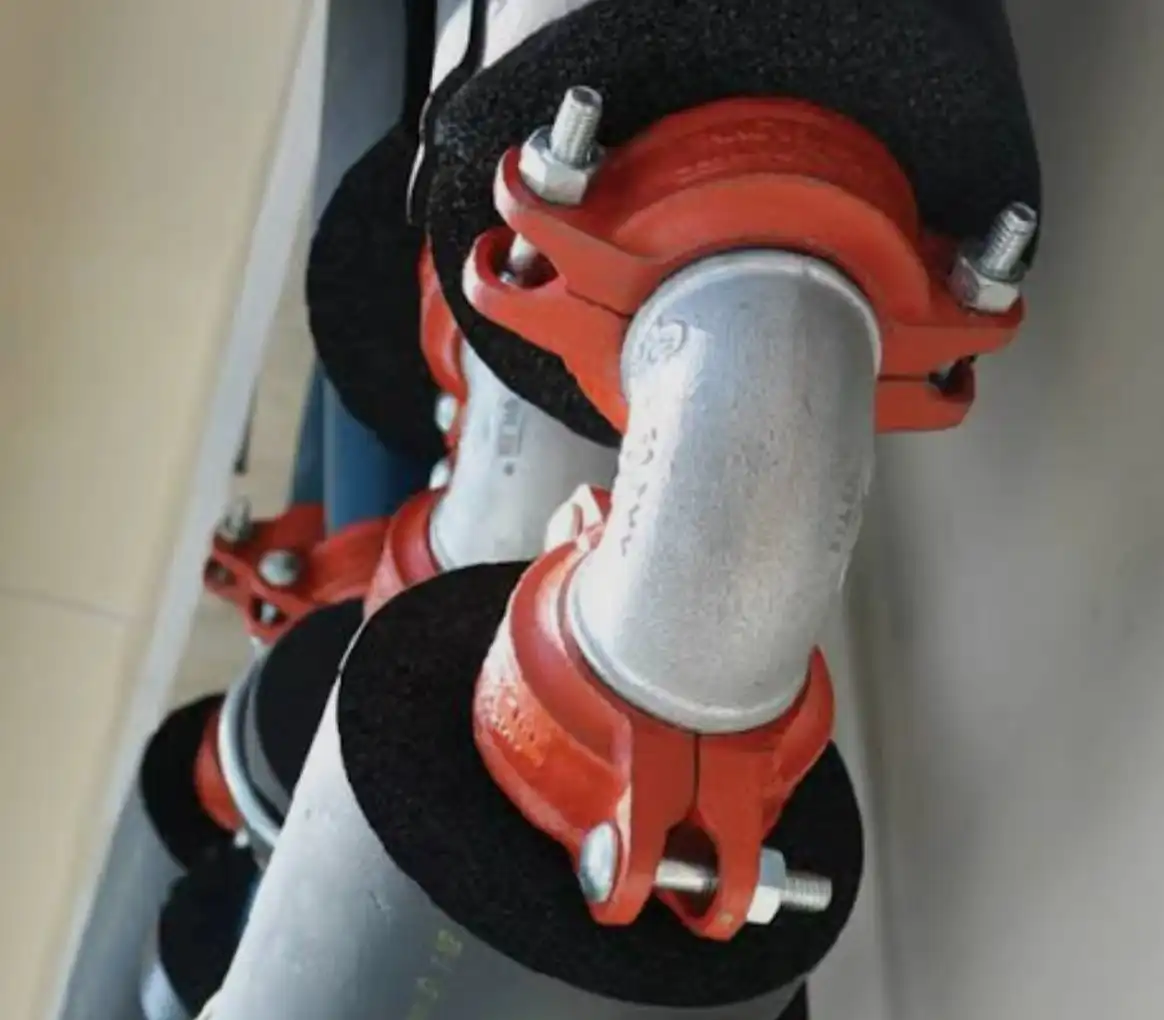
Understanding Common Problems with Grooved Fittings
Procurement managers and support teams still have to deal with a lot of problems, even though it has been shown that they are helpful. To keep your system running at its best and avoid costly breakdowns, you should know about these problems.
Leakage Issues in Grooved Coupling Systems
When curved pipes are installed, water still gets in most of the time. Most of the time, this issue happens because the seal is worn out, the parts aren't lined up correctly, or the pin pressure requirements aren't met. If you put Grade E (EPDM) or Grade T (Nitrile) rubber seals in liquids that don't mix well or in temperatures that are too high or too low, they can break.
The environment has a big impact on how well seals work. When it comes to weather, EPDM gaskets work best between -30°F and 230°F, while nitrile materials work better when there is oil in the air. If you pick the wrong seal material for the media, it could break down early and get into the system, making it dirty.
Corrosion and Material Degradation Challenges
When made to the standards set by ASTM A536 Grade 65-45-12, ductile iron housings are very strong. They can withstand at least 65,000 psi of tension. But living in a harsh environment can speed up the rusting process, especially near the ocean or in chemical plants.
Galvanic rusting happens when two different metals touch each other in a bath of electricity. This electrochemical process can weaken the housing and make the mechanical link less stable over time.
Installation Errors and Compatibility Problems
Another common reason why things break is gaps that are too small or too large. ANSI/AWWA C606 rules say that the groove form has to be exactly right for the coupler to join. If the depth, width, or finish of the groove changes, it can stop the seal from closing properly. This can make the joint less rigid.
It's usual for installation problems with where to put the bolt pads, especially in small spaces or when working with heavy pipe sections. When housings aren't lined up properly, stress is spread out unevenly. This can make seals come out or wear patterns show up before they should.
Root Cause Analysis and Solutions for Grooved Fittings Problems
To make the way problems are found more organized, you need to know the basic steps that cause most mistakes, even ones that involve grooved fittings. A lot of problems happen because the right materials weren't used, they were put in the wrong way, or the right upkeep steps weren't taken.
Addressing Gasket-Related Failures
When picking a seal, you need to think about the type of fluid and the temperature range it will work in. These are the most important things to keep in mind for the best seal:
- Check for Chemical Compatibility: EPDM seals work great with water, but they break down quickly when they touch oil-based materials. Things made of nitrile are very good at fighting oil, but when it gets cold, they break quickly.
- Verify Operating Conditions: When using a seal, the conditions must be within the material's specifications so it doesn't tighten, crack, or set too much in compression.
- Ensure Proper Bolt Torque: It is important to make sure that the bolt torque is correct so that the seal is squeezed properly and the rubber compound is not put under too much stress.
These things that go into the choice affect both how effective the system is and how often it needs to be kept. A seal can last more than 20 years if it is used properly and the right materials are used together.
Preventing Corrosion Through Material Selection
It takes more than one thing to stop rust. For example, you need to pick the right materials and cover them with safe coatings. Ductile iron is very strong mechanically, and some processes on its surface make it less likely to rust.
Instead, ones made of stainless steel don't rust as easily in tough conditions. Grade 316 stainless steel housings work great in places like chemical plants or seaside areas where regular iron would break down quickly.
Installation Best Practices and Training Protocols
The number of fails is greatly reduced when the right fitting methods are used, and the parts last longer. Full training should teach people the right way to prepare holes, work with gaskets, and tighten nuts.
To get the groove area ready, you need to get rid of any scale, burrs, or other things that could hurt the bond. As long as the surfaces are flat and clean, the gaskets will stick well and won't wear out too fast.
How to Optimize Grooved Fitting Performance and Longevity?
To get the best performance from the system, full repair methods must be used and the correct materials, such as grooved fittings, must be picked for the job. You need to be proactive instead of reacting if you want to make things better.
Routine Inspection and Maintenance Protocols
Visual checks should be done on a daily basis to see how the case looks, whether the gasket is sound, and whether the bolts are tight. You can find trends and get an idea of how much maintenance will be needed by keeping detailed records.
When temperatures change, differential thermal expansion can make the pressure on a bolt change over time. A torque check once a year keeps the joint strong and stops it from breaking down because it is getting weaker.
Material Selection for Harsh Environments
The operational factors tell us which materials to choose. When it comes to HVAC, normal ductile iron housings work great most of the time. But sometimes you need better materials.
Grooved systems are helpful for mining because they are flexible and easy to set up. When the site is on rough ground, where stiff links would fail, being able to handle angle movement and misalignment is very helpful.
Quality Assurance and Certification Requirements
Certifications from UL/FM, VdS, and LPCB make sure that things used for important things follow fire safety rules. Insurance companies and government agencies trust these credentials because they show that the person can do their job.
More than 90% of ductile iron parts should have nodularity rates that can be shown by metallurgy study. The fitting won't break when it's hit with shock loads because of this microstructural feature.
Smart Procurement Strategies for Grooved Fittings
Choosing the right strategic sources, such as grooved fittings, can change both the short-term costs of a project and the long-term dependability of a system. The job of people who buy things is to find a good balance between price, standard wants, and the skills of the supplier.
Supplier Evaluation and Selection Criteria
Quality is always the same from reputable manufacturers because they use strict testing methods and keep their licenses up to date. Brand names like Victaulic, TYCO, and Viking have records of being used for decades.
When working on tough projects or solving issues, it's very helpful to have professional help from a seller. Aside from goods, it's very helpful to be able to get technical information and tips on how to use them.
Bulk Purchasing and Inventory Management
By agreeing to buy in bulk, you can save money on each item and make sure there are enough supplies for ongoing projects. But when you buy something, you should think about how much space it will take up and how likely it is to become outdated.
Even more so when it comes to unique patterns or materials, wait time is very important. If you buy plans around project dates, you can avoid delays and extra fees that cost a lot of money.
Warranty and After-Sales Support
Issues with the way the product was made and breakdowns that happen before they should are covered by full insurance. It is best to know the guarantee rules and how to make a claim and follow them.
Technical help during installation and testing can help you avoid mistakes that cost a lot of money and make sure the system works correctly from the beginning of the project.
Conclusion
For grooved fittings problems, you should know what they are and use tried-and-true fixes. To make sure the system lasts a long time, it's important to get the right parts, put them together correctly, and do regular maintenance. Smart purchasing strategies help companies find the best value for their money and build trusted relationships with their suppliers. These all-around tips can help a purchasing manager or an engineer make sure that their pipe building projects get the best return on investment, work as well as possible, and need the least amount of back-up care.
FAQ
What causes grooved fitting leaks and how can they be prevented?
Most of the time, leaks are caused by a seal that is worn out, a bolt that is not properly aligned, or not enough bolt pressure. To stay out of trouble, pick the right seal materials for the media and temperature range, make sure the holes are ready, and use the right amount of force according to the maker. Checking the seal often and changing gaskets based on how they're being used helps keep it in good shape.
How do grooved fittings perform in high-pressure applications?
Modern grooved systems can handle up to 1,000 psi of pressure if they are put together properly and have the right parts. It is important to pick housings that can handle high pressure and make sure the groove sizes meet ANSI/AWWA C606 requirements. It is still very important to pick the right seal and bolt strength to keep the pressure stability.
Are grooved fittings suitable for fire protection systems?
For automatic sprinkler systems, grooved fittings are the norm because they work well and are easy to set up. When parts are UL/FM listed, they follow fire safety rules. They are very useful in occupied buildings where welding isn't allowed because they don't need hot work permits to do their jobs.
Partner with FLA Industrial & Trading Co., Ltd. for Superior Grooved Fittings
Ready to solve your piping challenges with reliable grooved fittings? FLA Industrial & Trading Co., Ltd. has been making good pipe fittings for almost 40 years and charges fair prices for them. Builders, wholesalers, and firms all over North America use our whole line of goods because they work well and last a long time. Find out why Fortune Global 500 companies trust our grooved fittings supply knowledge for their most important infrastructure projects by emailing sales@flaindustrial.com and telling them about your specific needs.
References
American Water Works Association. "ANSI/AWWA C606 Standard for Grooved and Shouldered Joints." American Water Works Association Publications, 2019.
ASTM International. "ASTM A536 Standard Specification for Ductile Iron Castings." ASTM International Standards, 2020.
National Fire Protection Association. "NFPA 13 Standard for the Installation of Sprinkler Systems." National Fire Protection Association, 2022.
Underwriters Laboratories. "UL 213 Standard for Safety Rubber Gasketed Fittings for Fire Protection Service." Underwriters Laboratories Publications, 2018.
Victaulic Company. "Grooved Mechanical Piping Systems Design Manual." Victaulic Technical Publications, 2021.
American Society of Mechanical Engineers. "ASME B31.1 Power Piping Code." American Society of Mechanical Engineers Publications, 2020.
YOU MAY LIKE