Benefits of Permanent Screw Jacks Over Hydraulic Jacks
2026-03-25 10:27:55


When selecting lifting solutions for industrial applications, choosing between permanent screw jacks and hydraulic systems represents a critical decision that impacts operational efficiency, safety, and long-term costs. Permanent screw jacks offer mechanical lifting through threaded screw mechanisms, providing self-locking capabilities and maintenance-free operation that eliminates the complexities of hydraulic fluid systems. Unlike hydraulic jacks that require pressurized fluid and complex sealing systems, these mechanical devices deliver reliable performance without external power sources, making them ideal for applications requiring sustained load support and precise positioning control.
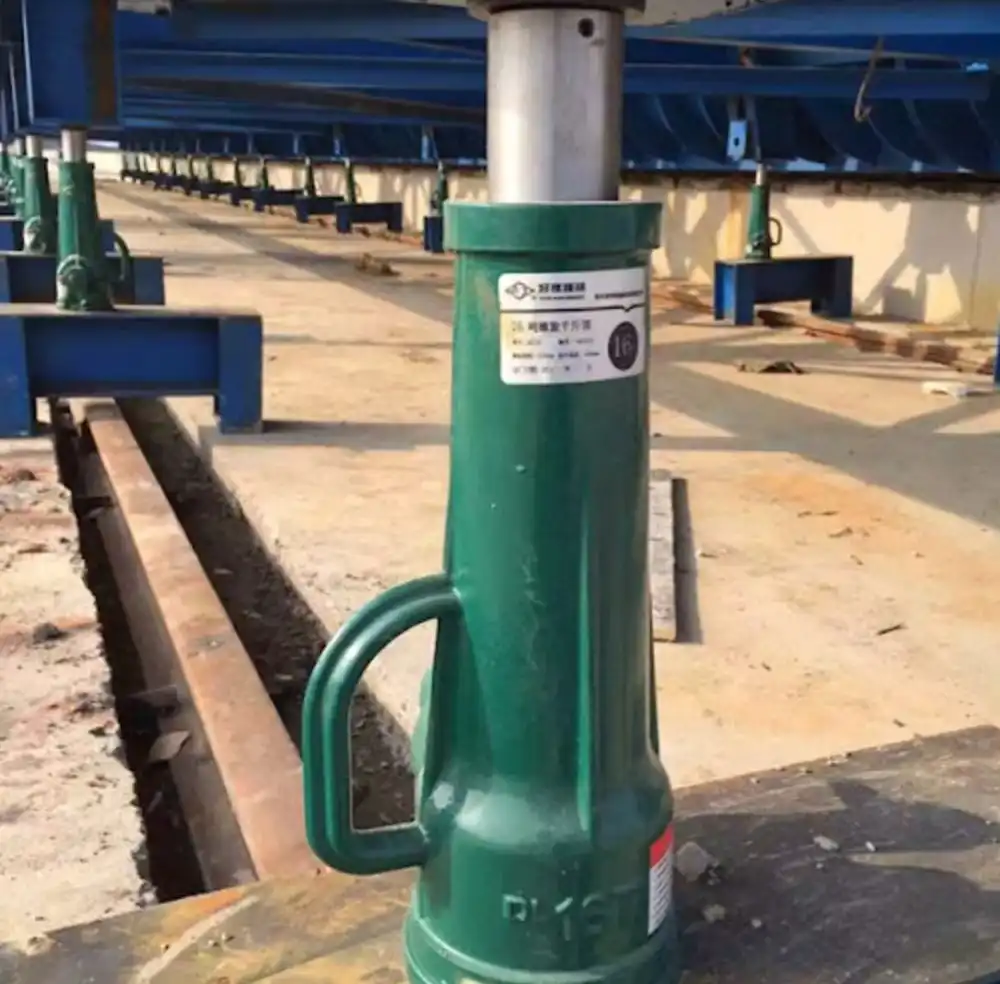
Understanding Permanent Screw Jacks and Hydraulic Jacks
Operating Principles of Mechanical Lifting Systems
There are fundamentally different ways that mechanical lifting systems work that make them suitable for different business uses. Threaded lead screws, which are usually made from hardened or cooled alloy steel, are used in permanent screw jacks systems to change rotational motion into linear motion. This system makes a lifting platform that is naturally stable so that things stay in place even when power isn't being applied continuously.
These mechanical devices are put together with precision-machined parts, such as nuts made of bronze or industrial plastic that fit onto the lead screw holes. Threads that are commonly used come in trapezoidal, ACME, and metric shapes. Each has its own benefits for different load and accuracy needs. Screw mechanisms are important for long-term uses because they contain a safety feature that prevents loads from falling by mistake.
Hydraulic Jack Mechanisms and Limitations
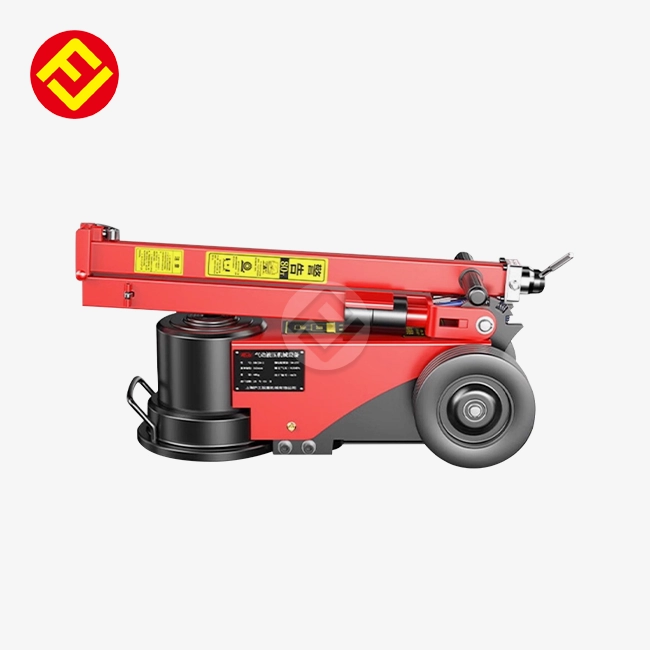
Pressurized fluid is used in hydraulic lifting devices to make lifting force through cylinder and piston parts. When fast lifting processes and high power-to-weight rates are needed, these devices work great. But hydraulic devices are more complicated because they have many parts, like pumps, tanks, hoses, and sealing systems that need to be maintained and watched over all the time.
Because hydraulic systems use fluids, they can be damaged by leaks, changes in temperature, and contamination, all of which can lower their performance. Extreme temperatures and other environmental factors can change the viscosity of a fluid. Over time, seal failure causes pressure loss and less lifting ability.
Comparing Permanent Screw Jacks and Hydraulic Jacks: Key Benefits
Superior Load Stability and Holding Capacity
Because they are self-locking, permanent lifting jack systems are very stable when it comes to loads. The threaded connection between the lead screw and nut gives them a mechanical edge that keeps the load from moving, even when the power goes out or the system shuts down. This feature is very useful for tasks that need to support loads for a long time, like strengthening structures and placing machines.
Load capacities that range from 500 kg to 100 tons show how useful these mechanical systems are in a wide range of industrial settings. Strong construction from alloy steel, carbon steel, or stainless steel guarantees steady performance in tough circumstances. For important uses, safety factors between 2:1 and 4:1 add extra security gaps.
Reduced Maintenance Requirements and Operational Costs
When compared to hydraulic options, mechanical lifting systems require less upkeep because they are simpler. With permanent screw jacks systems, you don't have to change the fluid, replace the seals, or check the pressure system, which are all part of hydraulic repair plans. This advantage is especially useful in situations where equipment is hard to get to or where repair times are short.
Operating temperatures between -20°C and +80°C make it possible for mechanical systems to work effectively in a wide range of weather conditions, without the need for warming enclosures or cooling systems. The lack of hydraulic fluid removes the risk of polluting the environment and lowers the cost of getting rid of used hydraulic oil.
Enhanced Safety Features and Compliance
Mechanical lifting systems have a number of safety benefits that deal with common risks in the workplace. The self-locking mechanism keeps the load from being released by accident, and the gradual lifting action lets operators watch how the load moves while it is being placed. These traits are in line with safety rules at work and make machine users less worried about liability.
Certifications like ISO9001, CE, and industry standards like DIN, AGMA, and EN guidelines make sure that the product meets all foreign safety standards. Because these systems are mechanical, they don't pose the blast risk that comes with hydraulic fluid leaks in places where there are sources of fire.
Practical Procurement Insights: Choosing Permanent Screw Jacks for Your Business
Load Requirement Assessment and Environmental Considerations
An accurate estimate of the load needs, including the maximum lifting capacity, operating frequency, and environmental conditions, is the first step to a successful purchase. There are a lot of different specs for permanent lifting jack that can be used, so they can be tailored to different uses, such as precise positioning in manufacturing or heavy-duty structural support in building projects.
Environmental factors have a big effect on the choice of tools and how long it lasts. Corrosion-resistant coatings and available dust covers protect against rough working conditions. Also, the lack of hydraulic seals gets rid of frequent failure spots in dirty settings. Stainless steel and other materials offer better corrosion protection for uses in the naval or chemical processing industries.
Cost-Benefit Analysis and Return on Investment
When making a procurement choice, the total lifecycle costs must be taken into account, not just the original purchase price. Even though hydraulic systems may have lower initial costs, the costs of replacing fluids, maintaining seals, and keeping an eye on the system can have a big effect on long-term operating budgets. Mechanical systems have known operating costs and don't need much upkeep over time.
Customization lets you make sure that the specs of your tools are perfect for the job, so you don't waste money on over-specifications that don't add value. The fact that both standard and unique setups are available gives you the freedom to balance cost concerns with performance needs.
Supplier Evaluation and Quality Assurance
To choose reliable providers, you need to look at their manufacturing skills, quality control methods, and customer service after the sale. Manufacturers that have been around for a while and have ISO9001 certification show that they are committed to consistent quality standards and methods for continuous growth. Precision mechanical parts are very complicated, so providers need to be able to use advanced production techniques like CNC machining, heat treatment, and thorough testing.
Global marketing networks and local expert help lower the risks of buying things and make sure that projects are delivered on time. Being able to provide 3D designs and load estimates within 24 to 48 hours shows that the seller is quick and has the technical skills needed to make difficult buying choices.
Real-World Applications and Case Studies
Construction and Infrastructure Applications
The dependability and accuracy of permanent screw jacks are very useful in construction projects, and they can be used for anything from bridge repair to strengthening structures. Because these devices can self-lock, they can provide constant support during building phases without needing power or tracking systems. It's especially useful in rural areas where hydraulic power units wouldn't work because of this feature.
For bridge rehabilitation projects, it's common to need lifting devices that can stay in place for long amounts of time and carry heavy loads. Because mechanical systems can be adjusted slowly, the orientation of structures can be fine-tuned without the pressure changes that happen with hydraulic systems.
Manufacturing and Assembly Line Integration
In manufacturing settings, lifting methods need to work with production processes without getting in the way and keep the stability of the position. Positioning is millimeter-accurate with permanent screw jacks systems, which makes it possible for precise assembly and quality control tasks. The small size makes it possible to fit into tight areas where hydraulic power units would not work.
Mechanical systems that don't stop production because of hydraulic fluid leaks or pressure system breakdowns are reliable and can be used on assembly lines. Being able to sync up multiple jacks makes sure that big parts are lifted evenly and that the dimensions stay accurate during the positioning process.
Case Study: Manufacturing Facility Equipment Installation
Heavy stamping equipment weighing 45 tons had to be installed at a big car manufacturing plant with positioning accuracy within 2 mm tolerances. The assembly team first thought About Using hydraulic jacks, but in the end they chose mechanical lifting systems because of a number of important factors. The self-locking feature kept the load from moving during the multi-day installation process, and the precise adjustment feature let the equipment be placed exactly where it was needed without any changes in pressure.
The project successfully installed the equipment on time and cut down on the safety risks that come with keeping hydraulic pressure high for long periods of time. The mechanical systems stayed in place as fixed support structures, spreading the load over time and avoiding the need for more base changes.
Maintenance, Safety, and Longevity of Permanent Screw Jacks
Preventive Maintenance Protocols
Maintenance plans that work well extend the life of equipment and keep it safe to use throughout its working life. Because permanent screw jacks systems are so simple, upkeep is limited to simple tasks like lubrication and inspection, which can be done by building maintenance staff who haven't had special training in hydraulics.
As part of regular inspections, the lead screw threads, nut contact, and surface coatings should be looked at visually for signs of wear or rust. The extra lubrication link makes servicing easier by making it simple to grease parts on a regular basis without taking the whole thing apart. Hydraulic system repair, on the other hand, needs to analyze fluids, check seals, and test pressure. These simple steps are a nice change from that.
Safety Procedures and Risk Mitigation
To make sure that mechanical lifting systems are used safely throughout their entire lifetime, operating methods must take into account their unique features. The self-locking system is naturally safer, but it's still important to place it correctly and spread out the load evenly for safe operation. The foundation needs to be strong enough to hold up point loads without causing the ground to drop or the structure to bend.
During pulling operations, training programs should stress how important it is to slowly add weight and keep an eye on things. Screw systems have a mechanical edge that can create strong forces that need to be carefully managed to avoid overloading or damage to the structure. Clear working methods and load placards help make sure that more than one person can safely operate the machine.
Design Features Supporting Long-Term Durability
Engineering design features play a big role in how long equipment lasts and how well it works. Using tempering or cooling to heat treat lead screws makes them more resistant to wear and keeps the threads accurate even after many loading cycles. Surface treatments like spray painting and corrosion-resistant coats keep the environment from breaking down the equipment in tough working conditions.
You can choose nuts made of bronze or industrial plastics, which lets you get the best performance for different working situations and upkeep needs. Bronze nuts are very strong and don't wear down easily. Engineering plastic nuts, on the other hand, don't rust and have less friction for precise uses.
Conclusion
When looking at permanent screw jacks and hydraulic systems side by side, mechanical lifting solutions have a lot of benefits when they need to be reliable, precise, and work well for a long time. Mechanical systems are the best choice for demanding industrial uses because they can self-lock, require less upkeep, and hold loads more securely. While hydraulic systems are great for lifting things quickly, screw jack systems are a better choice for most commercial lifting needs because they are easier to use and cost less over their lifetime. The many specs and customization choices make it possible to find the best solutions for a wide range of application needs while still retaining the main benefits of mechanical lifting technology.
FAQ
What distinguishes permanent screw jacks from temporary lifting solutions?
Permanent screw jacks are made to be installed for a long time and hold loads continuously. They are made of heavy-gauge steel and have improved surface treatments that make them last for decades. Temporary lifting equipment is usually made of lighter materials and can only hold a certain amount of weight. It is only meant to be used for a short time during building or repair work.
How do load capacities compare between mechanical and hydraulic lifting systems?
The load limits of mechanical lifting systems are between 500 kg and 100 tons, which is about the same as hydraulic systems but better at holding loads. The self-locking device keeps loads in place without constant power input. This is different from hydraulic systems, which need constant pressure to keep loads from falling.
What procurement lead times should buyers expect for bulk orders?
For standard specs, production and shipping times are usually between 2 and 4 weeks. For custom configurations, lead times can go up to 6 to 8 weeks, based on how complicated they are. Manufacturers who have been around for a while and have good inventory management systems can often meet urgent needs by speeding up production plans and setting up priority shipping.
Partner with FLA Industrial & Trading Co., Ltd. for Superior Lifting Solutions
Partnering with FLA Industrial & Trading Co., Ltd., a top company with almost 40 years of experience in precise lifting solutions, will be a great deal for procurement managers looking for reliable permanent screw jacks. Our wide range of Products" target="_blank" style="color:blue" >products can hold loads ranging from 500 kg to 100 tons, and they can be fully customized to meet the specific needs of each application. Get in touch with our technical team at sales@flaindustrial.com to talk about your unique lifting needs. Within 24 to 48 hours, you'll get full specifications.
References
International Association of Foundation Drilling. "Mechanical Lifting Systems in Construction Applications: Safety and Performance Standards." Industrial Safety Quarterly, 2023.
American Society of Mechanical Engineers. "Comparative Analysis of Lifting Mechanisms: Hydraulic versus Mechanical Systems." ASME Technical Publications, 2022.
National Institute for Occupational Safety and Health. "Workplace Safety Guidelines for Heavy Lifting Equipment in Industrial Settings." NIOSH Publication Series, 2023.
Institute of Electrical and Electronics Engineers. "Reliability Assessment of Industrial Lifting Systems: Maintenance Cost Analysis." IEEE Industrial Applications Magazine, 2022.
International Organization for Standardization. "Mechanical Lifting Devices: Design Requirements and Testing Protocols." ISO Technical Committee Reports, 2023.
Society of Manufacturing Engineers. "Load Support Systems in Manufacturing: Equipment Selection and Implementation Strategies." Manufacturing Engineering Journal, 2022.