Heavy Pipe Wrench Maintenance Tips to Extend Its Lifespan
2026-03-25 10:27:35


Proper maintenance of your heavy pipe wrench is crucial for maximizing tool lifespan, ensuring operator safety, and reducing operational costs in demanding industrial environments. A well-maintained pipe wrench delivers consistent performance under high-torque conditions while preventing costly downtime and unexpected tool failures. Understanding the specific maintenance requirements for these robust tools helps procurement professionals and maintenance teams optimize their investment while maintaining workplace safety standards across plumbing, construction, and industrial applications.
Understanding Heavy Pipe Wrench: Key Features and Maintenance Challenges
Industrial pipe wrenches are complex engineering solutions made for tough jobs that can't be done with regular tools. The unique design and improved powers of these strong tools make them very different from regular wrenches.
Advanced Construction and Material Composition
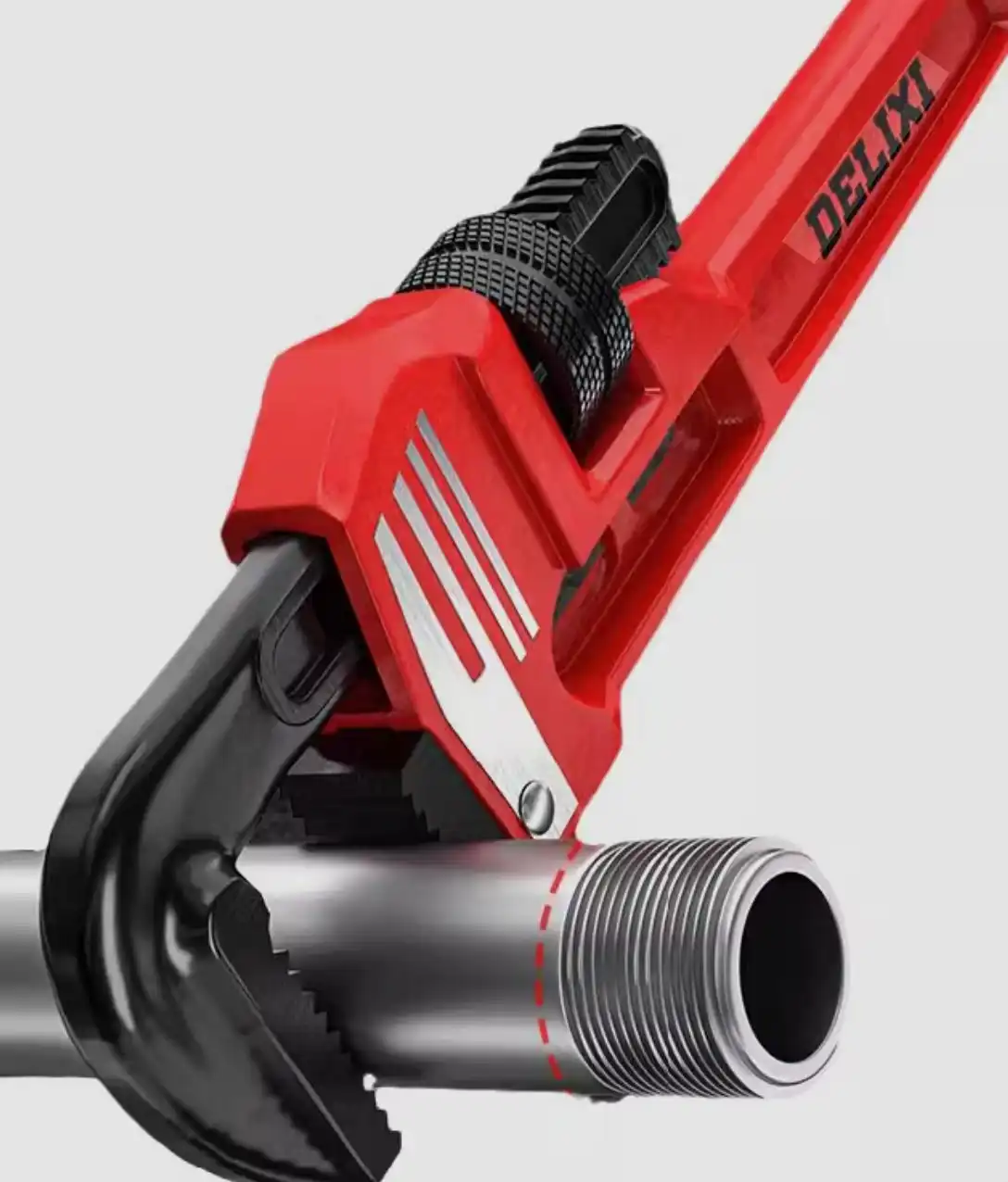
Modern pipe wrenches have cast alloy steel teeth and ductile iron grips, which make the tools strong enough to handle high power loads. Precision forging, machining, and advanced heat treatment methods are used to make sure that the hardness grades on the contact areas are between HRC 55 and 60. This special kind of metalworking makes sure that the metal lasts as long as possible while still being flexible enough to avoid breaking when it's stressed.
The self-tightening jaw device is the most important part that needs to be checked regularly. When you press down on the handle, this moving hook jaw system makes the pulling force stronger, but the mechanism's complexity could make it hard to keep up. Buildup of debris in the adjustment threads, misaligned jaws, and worn-out pivot points can all have a big effect on how well and safely the tool works.
Common Maintenance Challenges in Industrial Settings
When professional repair teams work on these tools in tough industrial settings, they face certain problems. Corrosion is still the biggest danger, especially in marine settings, oil and gas operations, and outdoor building projects where water and other acidic substances speed up the breakdown.
Depending on the type of use, jaw wear patterns change in different ways. When plumbing is done, the jaw surface usually wears down evenly. But when working in the oil field, uneven pipe surfaces and high torque needs cause wear to cluster in certain areas. Knowing these trends of wear helps maintenance teams figure out when parts need to be replaced and change the times of their inspections to match.
Step-by-Step Heavy Pipe Wrench Maintenance Guide
Using a systematic method to repair will make sure that heavy duty pipe wrench work at their best and last a lot longer. Professional maintenance plans take care of each part in a planned way, which stops small problems from turning into expensive breakdowns.
Cleaning and Debris Removal Procedures
To start the upkeep process, use industrial-grade degreasers to clean the area thoroughly and get rid of any oil, grease, or dirt that has built up. Watch out for the jaw adjustment system in particular, as threaded parts can hold dirt and other things that make it hard to work smoothly. To keep all of your teeth sharp and well-defined, use wire brushes to clean the jagged parts of your mouth.
After the first cleaning, look at the tool in good lighting to find signs of wear, stress cracks, or damaged parts. Write down any problems you see so you can keep track of them and plan for future upkeep. This paperwork is useful for insurance claims and making decisions about purchases that affect when to replace tools.
Lubrication and Component Care
When you lubricate things the right way, they last longer and work more smoothly when they're under load. Put good lithium grease on all the moving parts, like the pivot points and the device for adjusting the jaws. Do not use too much oil, as it can attract dirt and make upkeep harder.
When lubrication is being done, the jaw areas need extra care. For best pipe contact, the teeth that grip should stay clean and dry. To keep the adjustment mechanism from freezing, a little oil should be added. Penetrating oils should only be used in small amounts on adjustment threads to keep them running smoothly without affecting how well they grip.
Adjustment and Calibration Techniques
Regular calibration ensures the heavy pipe wrench maintains proper jaw alignment and gripping force throughout its service life. Check the jaw adjustment mechanism's full range of motion for any binding or strange patterns of movement. If the jaws are set up correctly, they should move easily and stay in line with each other at all opening points.
Torque testing makes sure that the tool can still handle the load requirements that were set. Formal torque testing needs special tools, but field testing with known pipe sizes can help find performance loss before it leads to total failure. Write down these test results so that you can see how speed changes over time.
Heavy Pipe Wrench Safety Guidelines and Ergonomic Maintenance
When maintaining tools, including the heavy duty pipe wrench, safety concerns go beyond their basic usefulness and include the protection of the user and following the rules in the workplace. Regular safety checks keep accidents from happening and make sure that regulations are followed in a wide range of workplace settings.
Pre-Use Safety Inspection Protocols
Set up pre-use inspection processes that must be followed and check important safety parts before every work session. While the handle is being used, look for cracks or stress points that could cause it to suddenly break. Check the jaws' position to make sure they are properly gripping the object and not slipping, which could hurt the person holding the object or damage it.
How the handle is conditionally affects the operator's safety and how well the work gets done. Check the grip surface for damage that could make it easy for your hand to slip during high-torque tasks. Replace or restore old handles to keep the secure grip that makes controls more accurate and less tiring for operators.
Ergonomic Considerations and Operator Comfort
Ergonomic features that are well taken care of make operators safer and more productive. Maintaining the handle surfaces, weight distribution, and balance traits on a regular basis keeps operators from getting tired after long periods of use. When working with things that are higher than you or in a small area, these things become even more important.
The non-slip handle design needs to be checked on from time to time to make sure it stays effective. Clean the grips often and look for wear patterns that could make it harder for the operator to control the device. Ergonomic maintenance lowers the risk of accidents caused by repeated stress while also making work better and more efficient.
Procurement and Bulk Purchase Considerations: Ensuring Long-Term Value Through Maintenance
Strategic procurement decisions must consider maintenance implications alongside initial purchase costs to achieve optimal value across tool lifecycles. When choosing a heavy pipe wrench, you need to think about how much the total cost of ownership will be affected by things like maker support, parts availability, and repair needs.
Supplier Support and Service Capabilities
Forming partnerships with suppliers that offer full technical help has big benefits for large-scale businesses. FLA Industrial & Trading Co., Ltd. is a good example of this method because they have a lot of experience making hardware tools and offer professional support and service after the sale that goes beyond the initial buy.
Quality makers make it easier for big organizations to handle their fleets by giving them full repair manuals, expert training, and easy access to parts. When you need to keep track of different kinds of tools on a lot of different job sites or operating facilities, these services come in very handy.
Bulk Purchase Benefits and Maintenance Planning
When you buy in bulk, you can get better service deals and lower prices on parts, which lowers your long-term running costs. Building ties with makers that offer maintenance support as part of bulk buy deals is very helpful for businesses that keep a lot of tools on hand.
Standardizing on certain makers or product lines makes upkeep easier and reduces the need for training and the complexity of keeping track of parts. This method to standardization produces economies of scale that help both the cost of buying things and the efficiency of running a business.
Conclusion
Effective heavy pipe wrench maintenance requires systematic attention to cleaning, lubrication, inspection, and safety protocols that extend tool life while ensuring operator safety. Understanding manufacturer-specific requirements and establishing relationships with suppliers who provide comprehensive support creates operational advantages that justify investment in quality tools. Regular maintenance not only prevents costly failures but also maintains the performance standards essential for demanding industrial applications across construction, plumbing, and manufacturing sectors.
FAQ
How often should I perform maintenance on my heavy pipe wrench?
How often maintenance is done relies on how much the equipment is used and how it is maintained. For light industrial use, it needs to be inspected once a month and deep cleaned and oiled every three months. Heavy-duty uses, like working in the oil field, might need checks every week and servicing every two weeks. Environmental factors, such as being exposed to harmful substances or high or low temperatures, mean that upkeep needs to be done more often.
What type of lubricant works best for pipe wrench maintenance?
High-quality lithium grease protects moving parts and pivot points the best way possible. Don't use too much penetrating oil on tightening threads because it will draw dirt. Marine-grade lubricants are better at stopping corrosion in harsh conditions, while food-grade lubricants may be needed in some industry settings.
Can improper maintenance void my tool warranty?
For most makers' warranties to still be valid, maintenance methods must be written down. Not doing the recommended upkeep or using the wrong lubricants can make your guarantee useless. To make sure your guarantee is honored, always follow the manufacturer's instructions and keep thorough records of your upkeep.
When should I replace worn jaws instead of the entire tool?
When the sharp teeth on your jaw become softened or worn down to less than half of their original depth, you should get a new jaw. Broken or cracked jaws need to be replaced right away to keep the tool from breaking and the person from getting hurt. When the handle and control parts are still working, cost analysis usually shows that replacing the jaw is cheaper than replacing the whole tool.
Partner with FLA Industrial & Trading Co., Ltd. for Superior Heavy Pipe Wrench Solutions
Maximize your operational efficiency with professional-grade pipe wrenches from FLA Industrial & Trading Co., Ltd., your trusted heavy pipe wrench manufacturer with nearly 40 years of manufacturing excellence. Our ISO9001 and CE certified tools feature forged alloy steel construction and advanced heat treatment processes that deliver exceptional durability in demanding industrial applications. Contact our expert team at sales@flaindustrial.com to discuss bulk procurement options, custom solutions, and comprehensive maintenance support that ensures optimal tool performance across your operations.
References
American Society of Mechanical Engineers. "Hand Tools Safety and Maintenance Standards for Industrial Applications." ASME B107.100-2019.
National Institute for Occupational Safety and Health. "Criteria for Recommended Standard: Occupational Exposure to Hand-Arm Vibration." Publication No. 89-106.
Industrial Maintenance and Plant Operation Magazine. "Preventive Maintenance Best Practices for Hand Tools in Heavy Industry." Vol. 78, No. 3, 2023.
International Association of Plumbing and Mechanical Officials. "Tool Maintenance Guidelines for Professional Plumbing Applications." Technical Bulletin 2022-15.
Society of Manufacturing Engineers. "Material Science and Heat Treatment Applications in Industrial Hand Tool Production." Manufacturing Engineering Handbook, 2023 Edition.
Occupational Safety and Health Administration. "Hand and Power Tool Safety in Construction and Industrial Settings." Publication 3080, Revised 2023.