How to Select the Right Grooved Fitting Size for Your Pipeline?
2026-03-25 10:27:06


Many technical and practical factors need to be carefully thought through when choosing the right grooved fittings for your pipeline system. These mechanical parts for connecting pipes use a unique coupling system that meets grooved pipe ends through housing mechanisms and elastomeric covers that change shape in response to pressure. When making a choice, you have to look at things like pipe width, pressure ratings, temperature needs, and material compatibility to make sure the best performance and safety for your purpose.
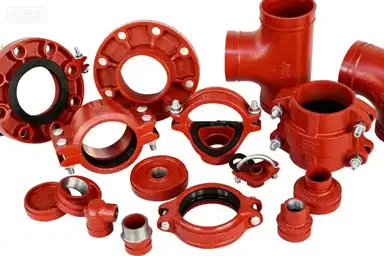
Understanding Grooved Fittings and Their Role in Pipelines
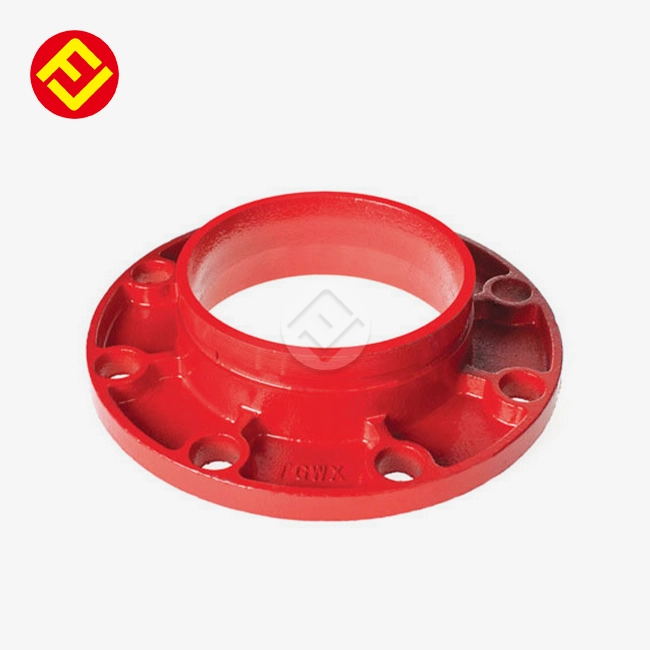
Grooved fittings are an advanced type of mechanical joint that has changed the way pipes are connected in many industrial settings. Because they have a cold-formed or machined hole at the pipe end that fits into a coupling housing system, these special parts don't need to be welded, threaded, or flanged.
Core Design Principles and Functionality
Mechanical grooved systems are made up of three main parts: the groove profile that is machined into the pipe end, the coupler box that is usually made from ductile iron that meets ASTM A536 Grade 65-45-12, and the elastomeric gasket that makes sure the seal stays in place. This set-up makes a strong mechanical lock while still allowing for heat expansion and piping movement.
The materials used for the building have a tensile strength of at least 65,000 psi, which is much higher than standard grey iron options. The makeup of the seal changes depending on the use. For example, Grade E (EPDM) is good for water services that operate between -30°F and 230°F, while Grade T (Nitrile) is good for oil-based media uses.
Applications Across Industrial Sectors
Modern grooved connection systems are used in many different types of industrial settings where dependability and quick installation are important. Fire safety systems work better when they meet the requirements of ANSI/AWWA C606 grooves and have approvals from UL/FM, VdS, and LPCB groups. When welding isn't possible or needs to be changed, these systems work great for automatic sprinkler uses that need flexible solutions.
The vibration-reducing qualities of flexible grooved couplings are used in HVAC and chilled water systems to block out noise from machinery and handle temperature stress cycles. Being able to work as unions at every joint makes servicing easier and keeps sensitive gear from getting out of alignment due to thermal expansion.
Key Factors Influencing the Selection of Grooved Fitting Size
Pipeline construction decisions need a thorough look at many interconnected factors that have a direct effect on how well the system works and how long it lasts. When buying professionals understand these factors, they can make choices that minimize both the original investment and the ongoing costs.
Pipe Diameter and Pressure Considerations
The right way to choose a grooved fitting is based on the relationship between pipe width and pressure grades. Grooved systems that are normal can fit pipes with a diameter of 2 inches to 60 inches. They can handle pressures from 175 psi for regular uses to 1,000 psi for high-pressure industrial systems.
When figuring out pressure, you have to take into account both steady head pressure and dynamic forces that are created by fluid flow, pump operations, and system cycles. For safety reasons, you should usually choose parts that are rated 1.5 times the highest pressure that you expect them to be put under during peak demand.
Material Compatibility and Environmental Factors
The choice of material has a direct effect on how well the fitting works in a range of environments and fluid types. For water uses, ductile iron housings are very resistant to corrosion. Stainless steel versions are better for harsh chemical conditions or food-grade systems that need better hygiene.
Changes in temperature have an effect on both the rate of metal growth and the efficiency of gaskets. Systems that go through big changes in temperature need to carefully choose the gaskets they use and come up with connection designs that can handle these changes without affecting the integrity of the seals. In cold climates, setups may need special gasket materials that stay flexible at temperatures below freezing.
Installation and Maintenance Requirements
In addition to basic size needs, the installation setting has a big impact on the choice of fitting size. In confined areas, you might need small coupler designs or flexible versions that can bend at an angle during assembly. Grooved systems are often better for maintenance access because they can be taken apart without having to cut or use special tools.
These useful tips make sure that the fittings you choose not only meet the technical needs of the moment, but also support long-term operating efficiency and cost-effectiveness throughout the duration of the system.
Comparison of Grooved Fittings with Other Connection Types
There are several different ways to join pipelines today, and each has its own pros and cons that affect the success of the project. Knowing these differences helps you make smart choices for the best system design and efficiency.
Installation Efficiency and Labor Cost Analysis
In terms of installation speed and work efficiency, Products" target="_blank" style="color:blue" >products">grooved fittings are a big step up from standard ways. Welded links need trained welders, hot work permits, and checking processes after the weld, all of which add a lot of time to the project schedule. Studies show that grooved systems cut the cost of installation work by 30 to 50 percent and get rid of the need for a fire watch and special welding tools.
While flanged joints make upkeep much easier, they need to be perfectly aligned and have many bolts installed, which takes a lot of time to put together. For bigger pipe sizes, threaded joints aren't useful because the threads can wear down over time.
To put grooved couplings together mechanically, you only need basic hand tools and standard torque processes. This means that general building teams without special certifications can do it quickly. This ease of access is especially helpful in remote areas or for jobs that need to be finished quickly.
Performance Under Dynamic Conditions
Pipeline systems are subject to many dynamic forces that can damage connections, such as shaking, temperature cycling, and earthquakes. Grooved systems work best in these conditions because they are naturally flexible and can adapt to movement without affecting the seal's performance.
In settings that are always changing, rigid welded parts can fail because of stress concentrations that are transferred. While keeping links safe, grooved joints can handle angular deflection, axial movement, and rotational forces. This adaptability is very important in situations where there is moving equipment, thermal expansion, or ground movement.
Lifecycle Cost Considerations
Total cost analysis needs to look at the original costs of materials, the costs of installation, the costs of upkeep, and any changes that might need to be made to the system over its lifetime. Grooved fittings may cost more in materials at first than soldered ones, but they usually end up being less expensive overall because they are easier to install and don't require any special skills.
Grooved parts can be used again and again, which is very helpful when the system changes or grows. For changes, welded systems need to be cut and re-welded, but grooved connections let you quickly rearrange things without wasting a lot of material or requiring a lot of work.
Procurement Insights: How to Source the Best Grooved Fittings for Your Project
To buy grooved coupling systems successfully, you need to carefully consider providers, technical details, and the possibility of forming a long-term relationship. Because modern pipeline systems are so complicated, they need suppliers who can offer full technical help along with high-quality goods.
Supplier Evaluation and Quality Assurance
Quality assurance methods focus on three important areas that have a direct effect on how well and how reliably fittings work. Metallurgical analysis verification makes sure that ductile iron parts have the right nodularity rates, which should be above 90% to keep them from breaking when they are shocked. For this checking, you need special tools and knowledge that set qualified makers apart from basic suppliers.
For agreement with normal C606 groove profiles, accuracy in the dimensions is very important. Laser measuring and checking of key dimensions, especially bolt pad gaps and key widths, with a caliper makes sure that the keys fit and close properly. Changes in tolerance can make it harder for the gasket to contract and create leak paths that put the system at risk.
Testing the sealing performance under 1.5 times the working pressure finds flaws in the casting and problems with the fitting of the gasket before it is used in the field. Porosity in cast parts that could become failure points in service situations can be found by vacuum testing.
Bulk Procurement Strategies
Strategic methods to buying that improve both cost and delivery times are helpful for big projects. By committing to a certain amount, you can negotiate prices and be sure that materials will be available during important building stages. But for large sales, it's important to carefully handle the specifications to make sure that different parts of the system work together.
In addition to making basic products, the supplier can also do custom groove cutting, make special gasket compounds for specific uses, and provide expert help in the field during installation. Most of the time, these extra services are worth more than small price changes between sellers.
For project planning, knowing wait times is very important, especially for non-standard forms or materials. Standard things in stock usually ship within days, but custom versions may need weeks to be made and tested.
Step-by-Step Guide to Selecting the Correct Grooved Fitting Size
Systematic selection processes, such as grooved fittings, make sure that mistakes are kept to a minimum and that all of the fittings in the pipeline system work perfectly. This organized method takes into account both technology needs and everyday things like setting up and maintaining the system.
Pipeline Parameter Analysis
The decision process starts with making a detailed list of all the important system factors that affect the choice of fitting. Calculations of flow rates decide the smallest pipe sizes and affect how to think about pressure drop in the whole system. The operating pressure needs to be met in both steady-state situations and short-term pressure spikes caused by pump operations or valve closing.
Ambient temperatures and fluid temperatures are both part of temperature research. These temperatures affect the choice of material and the amount of thermal growth that is allowed. Chemical compatibility testing makes sure that seal materials won't break down when they come in contact with cleaning or process fluids that are used for system care.
Safety standards compliance checking makes sure that the parts you've chosen meet the local building codes and industry standards that apply to your installation. For example, fire safety systems need to be UL or FM certified to meet insurance requirements and building codes.
Dimensional Verification and Testing Procedures
Making sure that the pipe slot profiles and fitting specs are exactly the same size and shape avoids installation problems and guarantees a good seal. To get the right gasket compression and mechanical contact, measures of the groove's depth, width, and position must be within certain ranges.
Using sample parts in trial fitting processes to make sure they work together before buying and installing the whole thing. This test finds any possible interference problems, confirms the torque needs, and makes sure the sealing works well in realistic working conditions.
Verification results that are written down provide quality records for project compliance and can be used as a guide for future changes or additions to the system. When trying to figure out why something isn't working right or planning repairs, these records are very helpful.
The planned method makes sure that the chosen grooved systems meet both short-term and long-term technical and operational needs, while also lowering risk and promoting project success.
Conclusion
To choose the right grooved fitting size, you need to carefully look at a number of technical factors, such as the pipe diameter, the pressure levels, the temperature requirements, and the compatibility of the materials. This guide lays out a methodical process that helps people who work in buying make smart choices that improve both performance and cost-effectiveness. Grooved fittings are much better than standard connection methods because they take less time to install, are more adaptable to changing conditions, and are easier to maintain. Knowing about these benefits helps with project planning and choosing the best seller for the best performance of the pipeline system.
FAQ
What standards compliance is required for grooved fitting installations?
Grooved coupling systems need to meet the standards of ANSI/AWWA C606 groove specs for performance and compatibility with other dimensions. For fire safety purposes, you need UL/FM certification. For foreign projects, you might need VdS or LPCB approvals. As well as these guidelines, there is ASTM A536 for ductile iron materials and different gasket compound needs for each type of application. Before finalizing details, you should always check the area code standards and talk to the people in charge.
How do I determine the correct pressure rating for my application?
Figure out the highest system pressure that can be expected, taking into account the standing head, pump pressure, and possible water hammer effects. For extra safety, choose parts that can handle at least 1.5 times this maximum pressure. Standard systems usually work at 175 to 300 psi, but up to 1,000 psi may be needed for high-pressure situations. Pressure values are also affected by temperature, so make sure that the fittings you choose can handle the pressure at the temperature where they will be used.
Can grooved fittings accommodate different pipe materials?
Modern grooved fittings can work with pipes made of steel, ductile iron, copper, and some types of plastic. But the groove shapes have to match the coupler specs, and the gasket materials have to be safe for both the pipe material and the process fluid. For galvanic corrosion protection, links made of different metals may need extra care. For non-standard pipe materials, you should always check with your part provider to make sure they are compatible.
Partner with FLA Industrial & Trading Co., Ltd. for Premium Grooved Fitting Solutions
Quality pipeline connections demand experienced manufacturing expertise and comprehensive technical support. FLA Industrial & Trading Co., Ltd. has been making grooved fittings for almost 40 years and has provided solid mechanical pipe coupling solutions to Fortune Global 500 businesses around the world. Our wide range of products meets more than 1,000 requirements, and our advanced quality control systems make sure that they always work right and meet international standards. Contact our technical team at sales@flaindustrial.com to get a unique quote and the best prices on the supplies you need for your next job.
References
American Water Works Association. "ANSI/AWWA C606 Standard for Grooved and Shouldered Joints." 2019.
ASTM International. "ASTM A536 Standard Specification for Ductile Iron Castings." 2020.
Underwriters Laboratories. "UL 213 Standard for Fire Test of Pipe Joint Systems." 2018.
National Fire Protection Association. "NFPA 13 Standard for Installation of Sprinkler Systems." 2021.
Factory Mutual Global. "FM Approvals Standard 1680 for Couplings Used in Fire Protection Service." 2019.
International Association of Plumbing and Mechanical Officials. "Uniform Plumbing Code Guidelines for Grooved Piping Systems." 2020.