Different Impact of Degrees on Grooved Elbow
2026-03-31 10:21:56


Engineers and procurement workers need to know how different degrees of grooved elbow fittings affect how well a system works. Whether it's 45°, 90°, or 180°, the angle of a grooved elbow has a big effect on how flow works, how much pressure is lost, how it needs to be installed, and how well it works overall. With this information, decision-makers can choose the best parts for different industrial uses that increase system reliability while lowering costs and making installation easier.


Understanding Grooved Elbows and Their Degree Variations
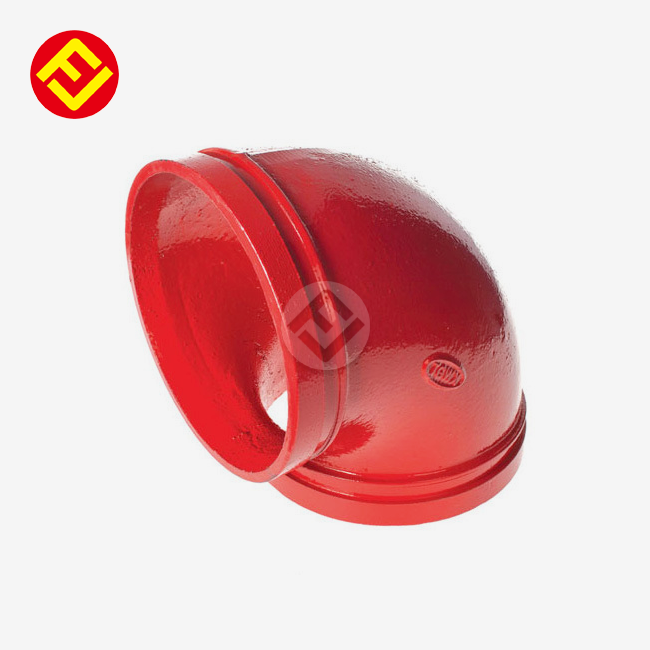
The grooved elbow fittings are a revolutionary way to connect pipe systems because they don't need to be welded and keep the system's structure better. The ends of these mechanical pipe fittings have been machined with grooves that are meant to work with coupling systems to make links that are safe and won't leak. Because the grooves are designed to handle temperature expansion and contraction, these fittings are especially useful in industrial settings that are always changing.
Standard Degree Configurations Available
There are three main angular configurations used in modern industrial uses. Each one meets a different set of working needs. The 45-degree design makes small changes in direction that keep pressure drops to a minimum and save installation room. The 90-degree version has sharp changes in direction that are needed for complicated pipe layouts and machine links. The 180-degree choice completely reverses the flow, which is often used in bypass and return systems.
Material Composition and Construction Benefits
The high-quality ductile iron and carbon steel structure makes it very durable even in harsh working situations. Modern surface treatments, like red epoxy paint and galvanized finishes, make things much more resistant to rust, which greatly increases their useful life. The casting and machining methods make sure that the dimensions are within very small differences. This ensures that the sealing is reliable and that the product works the same way in all setups.
Application Versatility Across Industries
Grooved links are good for fire defense networks because they can be set up quickly and reliably seal. These fittings are used in HVAC systems because they can handle changes in temperature and building movement without affecting the functionality of the system. Grooved systems are better than standard welded links for water supply and drainage because they are easier to maintain and can be changed more easily.
Performance and Application Impact of Different Degree Grooved Elbows
How hydraulic performance, energy use, and system efficiency are measured are all directly affected by the angles of pipe joints. By understanding these connections, engineers can make the best design specifications, and buying teams can make smart choices about which parts to use and how much the whole system will cost over its lifetime.
Hydraulic Performance Characteristics by Degree
Flow dynamics are very different in different angular shapes for grooved elbow fitting, which has measured effects on how well the system works. A 45-degree elbow usually causes less pressure drops than a 90-degree elbow, which lowers the amount of energy needed to pump and the cost of running the business. The slow change in direction in 45-degree fits reduces turbulence and flow separation, which keeps the flow of fluid through the system more smoothly.
On the other hand, 90-degree configurations cause bigger pressure drops because the flow changes directions more quickly and there is more turbulence. This feature might seem like a bad thing, but these fittings work great in situations where they need to be installed with little room, even if it means less hydraulic efficiency. The bigger drop in pressure can be made up for by designing the system and pump choices correctly.
Installation Space and Layout Considerations
When choosing the best curve degree for complicated pipe networks, space utilization becomes very important. To change directions in the same way as with a 90-degree fitting, the 45-degree design needs longer straight pipe runs. This could make the material more expensive and the work more difficult. However, in energy-sensitive situations, the extra room needed is often worth it because of the lower air loss.
When mounting room is limited, 90-degree fittings are best because they can make big changes in direction with small footprints. In mechanical rooms, basement installations, and retrofit jobs where space is limited by existing infrastructure, these layouts are necessary. In tough installation situations, 90-degree elbows are a must-have because they let you make sharp turns without affecting the stability of the link.
System Pressure and Temperature Considerations
When pressure and temperature are changed, different angle configurations show different patterns of stress distribution. The grooved elbow form naturally allows for flexibility that can handle changes in temperature and building movement, but the level of flexibility depends on the angle setup. Knowing these traits helps make sure the system is reliable in the long run and cuts down on the need for upkeep.
Temperature changing has different effects on different degree setups, which can change the needs for expansion joints and the design of pipe supports. Making the right choice based on how it will be used in the future keeps things from breaking down too soon and makes sure they follow all applicable industry standards and building rules.
Grooved Elbow Comparisons to Facilitate Informed Procurement Decisions
To make good buying plans, you need to know a lot about how grooved fittings compare to other ways to connect things and how the different degree choices fit with the needs of the project. This study looks at the original costs, the costs of installation, the costs of upkeep, and the long-term operating benefits.
Connection Method Comparisons
When used in certain situations, grooved mechanical links are clearly better than bonded and flanged options. When hot work permits, fire watch standards, and skilled welding workers are taken away, installation costs and project timelines drop by a lot. Also, being able to take connections apart and change them without cutting pipes gives you a lot of freedom for future system changes or repair.
There are times when welded joints can handle a little more pressure, but the difficulty of fitting and long-term issues usually outweigh these advantages. Flanged connections make maintenance much easier, but they need a lot of room and to be perfectly aligned, which can make installation harder in crowded places. Grooved elbow fits are the best combination of performance, ease of installation, and ease of upkeep.
Material Selection Impact on Performance
When you build something out of ductile iron, it stays strong and the right size even when the load changes. The naturally hardness of the material protects against damage from impacts during handling and installation, and it keeps the exact groove shape that is needed for reliable closing. Alternatives to carbon steel are better at resisting rust in some settings, especially when mixed with high-tech coating systems.
The choice of surface treatment has a big effect on how well it works and how much care it needs over time. The red epoxy coating does a great job of protecting against corrosion and making things easier to see, which makes system upkeep and checking easier. Galvanized finishes work great in tough conditions where chemical protection and longer service life make the extra cost worth it.
Cost-Effectiveness Analysis Across Degree Options
Price changes between angular shapes are due to differences in how hard they are to make and how much material is used. Even though the prices of individual parts may be different, the total cost of installation is usually more affected by how well it was done and how much upkeep will be needed in the long run than by the prices of the parts themselves. Instead of just looking at the original purchase price, procurement teams should also look at the overall cost of ownership.
Sourcing and Procurement Insights for Grooved Elbows with Different Degrees
To successfully buy mechanical pipe fittings, you need to work with providers who can show they have the right technical knowledge, consistent quality, and reliable shipping performance. By working with certified makers, you can be sure that you can get goods that are compliant and meet strict industry standards and project requirements.
Supplier Qualification and Certification Requirements
Quality control starts with choosing a provider based on their established certifications and track records of performance. The ISO9001 quality management certification shows that a company uses a structured method to ensure consistent production and ongoing growth. UL and FM approvals make sure that fire safety systems work, and CE certification makes sure that foreign projects can be sold in Europe.
The methods used for manufacturing grooved elbow fitting include casting, machining, and coating, all of which need specific tools and technical know-how. When compared to wholesalers who buy from multiple makers, suppliers who have their own manufacturing operations usually offer better quality control and more consistent delivery. Knowing what a provider can do helps you guess what Products" target="_blank" style="color:blue" >products will be available and how they can be customized.
Inventory Management and Lead Time Considerations
Strategic inventory management finds a balance between the costs of holding on to items, meeting the needs of a project, and meeting emergency replacement needs. When suppliers keep a lot of product on hand, they can send goods faster and be more flexible when needs arise out of the blue. Being able to get to more than 2,000 tons of standard supplies keeps the job going and lowers the risk of costly delays.
When you need non-standard sizes or shapes for a specific purpose, custom making becomes necessary. Delivery times of 7–15 working days for custom goods allow for project-specific solutions that don't have too much of an effect on plan. Knowing what your provider can do for custom specs and parts with odd shapes helps you come up with more design options while still meeting delivery deadlines.
Technical Support and After-Sales Service
Technical support that is quick to respond is very helpful when working on designs and fixing problems. Suppliers who offer answer times of 24 to 48 hours for quotes and technical questions show that they care about their customers' success and the speed of the project. Having access to technical knowledge helps choose the best products and create applications that work better and cost less.
Full support after the sale includes guarantee coverage, availability of new parts, and help with technical problems. Building partnerships with suppliers that offer ongoing help lowers operating risks over the long term and guarantees system reliability throughout the service life.
Conclusion
The angle shape of grooved elbow fittings has a big effect on how well the system works, how easy it is to install, and how efficiently it runs in the long run. When procurement workers understand these connections, they can make decisions that improve project results while keeping costs low. Which of the 45°, 90°, and 180° configurations to use relies on the application, available room, and desired hydraulic performance. Using high-quality materials, advanced surface treatments, and trustworthy suppliers can help finish projects successfully and make things last longer in a wide range of workplace settings.
FAQ
Which grooved elbow degree provides the best hydraulic performance?
The 45-degree configuration typically offers superior hydraulic performance due to reduced pressure drops and minimized flow turbulence. This characteristic translates to lower energy consumption and improved system efficiency, particularly beneficial in large-scale installations where pumping costs represent significant operational expenses.
How does elbow degree selection affect installation costs?
Installation costs vary based on space requirements, material usage, and labor complexity associated with different angular configurations. While 90-degree fittings may cost more per unit, they often reduce overall installation expenses by minimizing pipe runs and simplifying routing in congested areas.
Are custom degree angles available for specialized applications?
Many manufacturers offer custom angular configurations to meet specific project requirements beyond standard 45°, 90°, and 180° options. Custom manufacturing typically requires longer lead times but enables optimal system design for unique installation challenges or performance specifications.
What pressure ratings apply to different degree configurations?
Pressure ratings depend primarily on material construction and manufacturing quality rather than angular configuration. Standard ductile iron and carbon steel fittings typically handle similar pressure ranges regardless of degree, with specific ratings determined by size and applicable standards.
How do different degrees affect maintenance requirements?
All grooved elbow configurations provide excellent maintenance accessibility compared to welded alternatives. The degree selection primarily affects system hydraulic performance rather than maintenance complexity, with all options offering disassembly capabilities for inspection and component replacement.
Partner with FLA Industrial & Trading Co., Ltd. for Superior Grooved Elbow Solutions
Maximize your piping system performance with expertly engineered grooved pipe fittings from FLA Industrial & Trading Co., Ltd. Our comprehensive inventory of premium grooved elbow configurations ensures optimal solutions for your specific applications, backed by nearly 40 years of manufacturing excellence. Contact our technical specialists at sales@flaindustrial.com to discover why Fortune Global 500 companies trust our certified products for their critical infrastructure projects.
References
American Water Works Association. "Grooved Mechanical Pipe Fittings: Performance Standards and Application Guidelines." AWWA Manual M41, 2019.
National Fire Protection Association. "Installation of Sprinkler Systems: Grooved Fitting Applications and Degree Selection Criteria." NFPA 13 Standard, 2020.
American Society of Mechanical Engineers. "Pipe Fitting Hydraulic Performance: Angular Configuration Impact Analysis." ASME B16.22 Technical Report, 2021.
International Association of Plumbing and Mechanical Officials. "Grooved Mechanical Couplings: Installation Standards and Performance Metrics." IAPMO Technical Bulletin, 2020.
Hydraulic Institute. "Centrifugal Pump Systems: Fitting Selection and Pressure Loss Calculations." HI Standards, 2019.
Construction Specifications Institute. "Mechanical Pipe Fitting Specifications: Material Selection and Application Guidelines." CSI MasterFormat Division 22, 2021.