European Style C-Clamp Manufacturer for Precision Metal Clamping Solutions
2026-07-23 14:17:17


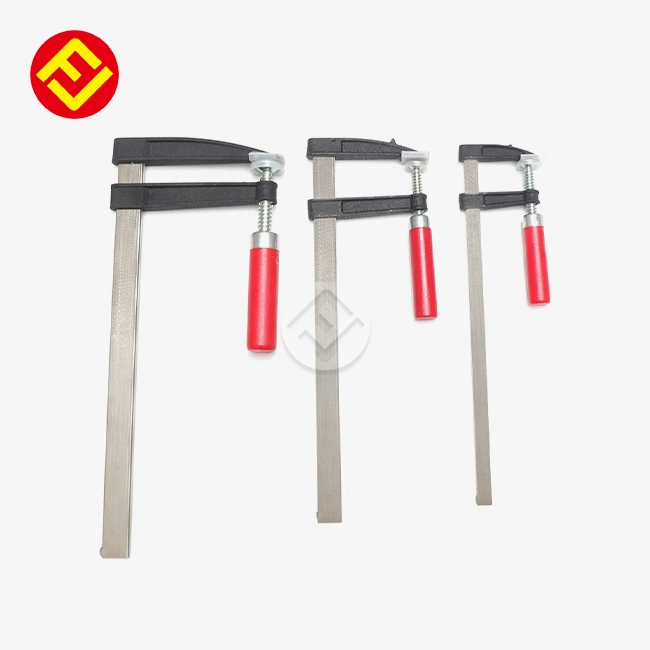
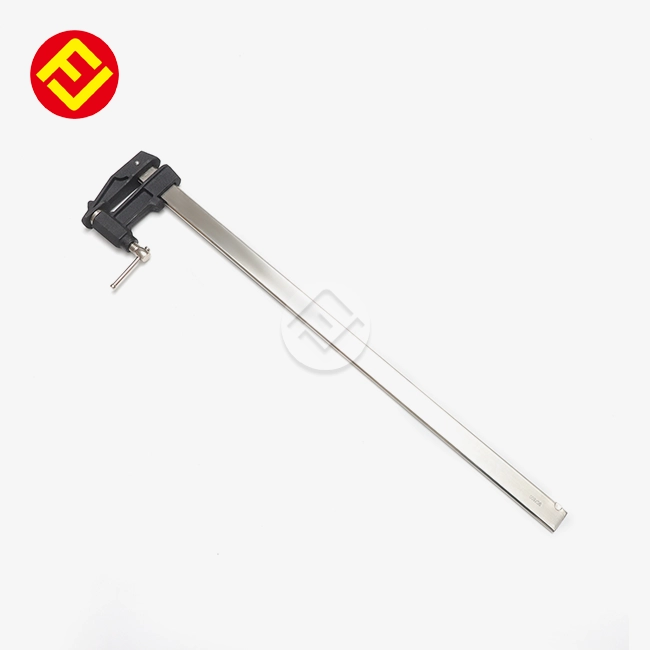
The European Style C-Clamp stands out as a reliable clamping tool for difficult welding and woodworking tasks. It was carefully designed and made for professionals who won't settle for less than the best. These clamps are made with bendable cast iron frames and sharpened steel screw rods. They have a great binding force, a longer throat depth, and are easy to use. Every clamp that FLA Industrial & Trading Co., Ltd. makes is the result of almost 40 years of experience in the business. Our goods meet foreign standards and work better than expected, and we sell them to contractors, hardware stores, and industrial makers all over the United States.

Specification |
|||
| Specification | Depth(mm) | Maximum Opening (mm) | Overall Dimension (mm) |
| 1 Inch | 28 | 25 | 75x45x12 |
| 2 Inch | 33 | 58 | 115x53x18 |
| 3 Inch | 65 | 86 | 170x95x25 |
| 4 Inch | 70 | 110 | 204x106x28 |
| 5 Inch | 30 | 140 | 245x115x28 |
| 6 Inch | 35 | 160 | 275x120x28 |
| 3 Inch | 105 | 220 | 330x150x30 |
| 10 Inch | 105 | 260 | 375x155x30 |
| 12 Inch | 115 | 310 | 440x170x33 |
Understanding European Style C-Clamps: Features, Uses, and Benefits
What Sets European Style Clamps Apart
When it comes to engineering, European Style C-Clamps put accuracy over size. Traditional American heavy-duty clamps rely on mass for compression strength. Our design, on the other hand, uses a twisted frame structure to get the best strength-to-weight ratios. The body is made of cast iron, which can be shaped and moulded easily. It doesn't crack or bend even when under constant pressure, and the steel screw rod has precise threading for easy, precise changes. This mixture gives clamping forces between 400 kg and 1200 kg, based on the size, without making the person tired like heavier options do.
Each clamp has a deeper throat depth than most, which lets you reach further from the edges of the workpiece. This long reach is very helpful when putting together big pieces of furniture, holding down cabinet frames while drilling, or placing metal parts for welding. When working with finished hardwoods or machined metal parts, it is very important to make sure that the pressure is spread evenly across all contact surfaces. This keeps the material from warping and the surface from getting damaged.
Practical Applications Across Industries
Hardware stores like these clamps because they can be used in a lot of different ways. The range comes in nine sizes, ranging from 1 inch to 12 inches, so it can handle everything from small craft projects to heavy industrial work. During on-site setups, construction workers depend on the holding power to keep things in place. This is because secure placement can mean the difference between exact alignment and expensive repairs. Woodworking shops like how the pressure is evenly spread during glue-up, which makes sure that the joints are tight and don't have any gaps.
The painted or powder-coated finishes make them more resistant to rust, which makes them last a lot longer in humid workshops or on building sites outside. Before it leaves our facility, this protective layer goes through strict adhesion and thickness tests. This makes sure that it will protect against the elements for a long time.
Operational Benefits and Safety Considerations
The screw rod's precise threading lets workers apply just the right amount of pressure—enough to hold workpieces firmly in place without crushing soft materials or stress cracks in fragile parts. The ergonomic form of the handle makes it easier on the hands when using it for long periods of time. This increases output while lowering the risk of injury at work. Before putting weight on these tools, you should always check the threads to make sure they are smooth and the swivel pad retention. High-quality European Style C-Clamps have swivel pads that are permanently crimped. If the pads come off during normal use, it means there were problems with the manufacturing that make the clamp less safe.
European Style C-Clamps vs. Traditional Clamps: Making the Right Choice
Design Philosophy and Structural Differences
The main difference between European Style C-Clamps and American clamp styles is how the frames are built and how the materials are used. When it comes to holding force, American-style clamps tend to have shorter throat depths and frames that are more blocky. Our European method uses advanced metalworking—specifically high-grade malleable cast iron—along with ribbed structure support to get the same gripping strength with less weight and better balance.
Frame twisting under torque is a common way for weak clamps to break. The I-beam shape we used in our design stops torsional misalignment, so the mouth surfaces stay aligned even when the most pressure is put on them at strange angles. This structural stability is very important when working on precision metal production projects, where even a tiny misalignment can lower the quality of the final assembly.
Performance Comparison with Alternative Clamp Types
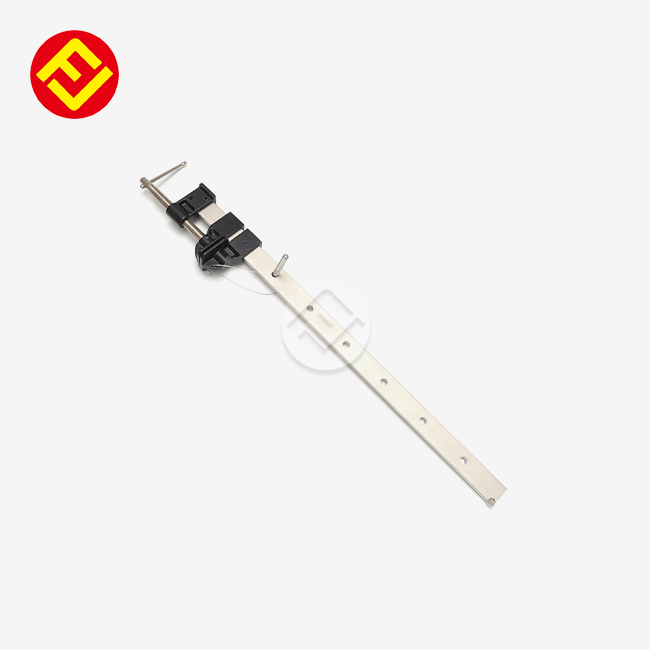
Even though F-Clamps have a deeper throat, they don't have the small size or hard frame structure of European Style C-Clamps, which makes them better for tight workspaces. Even though quick-release clamps are convenient, they usually can't provide the long-lasting binding force needed for heavy-duty metalworking or building assembly. When you compare our Products" target="_blank" style="color:blue" >products to quick-release alternatives, the difference is clear during tasks that need the glue to cure overnight or long welding sessions, where maintaining consistent pressure for hours or days is what makes the project successful.
Selecting Between Heavy-Duty and Light-Duty Models
Managers of procurement and site supervisors should make sure that the clamp specs match the real work that needs to be done. Light-duty models in the 1 to 3 inch range are great for small craft projects, putting together electronics, and framing pictures. Most furniture building and basic woodworking can be done with clamps that are between 4 and 7 inches in width. Heavy-duty 8- to 12-inch models are used for structural metalwork, big cabinets, and industrial fabrication where a lot of clamping force is needed across wide throat holes.

Key Considerations for Procuring European Style C-Clamps
Material Composition and Quality Indicators
Long-term dependability is based on the stability of the metal. Our European Style C-Clamp ductile cast iron goes through composition testing to make sure it meets the requirements for the material. This makes sure that the nodularity rate meets the standards that keep the iron from breaking. The steel screw rods are strengthened to HRC 40–45, which keeps the threads from coming off while still letting them bend enough to avoid a catastrophic failure. Buyers should ask for certifications of the materials and information on how they will be tested. Manufacturers who are responsible test production samples randomly for load to make sure they meet the rated capacities.
The accuracy of measurements has a direct effect on how well operations run. Our building has high-tech measuring tools that make sure each clamp meets certain standards for screw rod position and jaw parallelism. Run-out tests make sure that the spindle moves in a straight line parallel to the anvil. This keeps the pressure from being unevenly distributed, which could damage the workpieces or wear out the tools too quickly.
Evaluating Supplier Credibility and Certifications
Getting ISO9001 certification shows that you have a system for managing quality at every stage of production, from getting the raw materials to checking the finished product. These standards are widely recognised, and our plant follows them. There is recorded control that gives procurement workers faith that the quality of the product will be the same across big orders. Testing spindle parts and uncovered metal surfaces with salt spray for 48 to 72 hours confirms rust resistance. This is an important thing to think about for tools that may not be used for months at a time and may be stored in different environments.
Customization Options and Bulk Order Advantages
Standard sizes work for most uses, but sometimes custom solutions are needed because of unique industry needs. Because we do our own design work, we can make parts with unusual shapes that are exactly what you need, from the initial idea to the end production. With 2,000 tonnes of stock ready to ship right away, we can quickly fill standard orders and send customised items in 7–15 days, which is much faster than the average for the industry.
Volume price systems encourage bigger pledges without putting limits on the smallest amounts that can be ordered. The same quality standards and customer service are used whether a builder needs three clamps for a specific job or a distributor needs thousands for stock in multiple regions. Buyers always know the state of their orders and when they can expect them to arrive if there is clear contact throughout the whole procurement process.
Maintenance and Safety: Maximizing the Lifespan of Your European Style C-Clamps
Essential Safety Protocols
Pre-use inspection is the first step in using a European Style C-Clamp correctly. Check the threads on the screw rod for harm or buildup of dirt that could make the machine work less smoothly. Check that the swivel pad stays in place and look for cracks or deformations in the frame. Never clamp more than the tool's stated capacity. Good tools have safety limits, but overloading on purpose can damage the tool permanently and make the work area dangerous.
When clamps are used near manufacturing activities, keep threads away from weld spatter. Light metalworking chores can be done with the sturdy construction, but direct contact with molten metal can seize threads or weaken protective coatings. Copper-plated grounding clamps are better for specific welding tasks than general-purpose European Style C-Clamps because they protect the tool's integrity while it's being used for woodworking and assembly tasks.
Routine Maintenance Procedures
Cleaning gets rid of sawdust, metal filings, and other things that are sticking to the surface and speeding up wear. Wipe down any visible parts with a dry cloth after every big job, and put a little light machine oil on the threads of screw rods. This easy step stops corrosion and keeps things running smoothly. If you store clamps with some force on them instead of fully backed off, unexpected impacts won't damage the threads and frame parts won't be put under extra stress.
Periodic lubrication greatly increases the life of a machine. Every few months for regular use, put a thin film of the right lubricant on the threads. In tough production settings, do it more often. Do not use too much oil because it will attract dust and grit that will act as grinding material. Powder-coated finishes are protected from humidity damage by being stored properly in climate-controlled areas. This is especially important in seaside areas where salt air speeds up rusting.
Troubleshooting Common Issues
Screw rods that are hard to move usually have dirty threads or aren't properly oiled. Take it apart, use a solvent to clean it well, and then re-oil it before putting it back together again. If you can see wear patterns on the threads, the spindle needs to be replaced. Using broken parts for longer reduces clamping force and safety. Frame bending under standard loads is a sign of material flaws or damage from previous overloading; throw away these tools right away to avoid accidents at work.

Why Choose Our European Style C-Clamps for Precision Metal Clamping?
Manufacturing Excellence and Quality Assurance
FLA Industrial & Trading Co., Ltd. runs modern casting and machining shops that are fully equipped for quality control. Tensile and proof load tests are done on every production batch to make sure that performance meets or exceeds expectations. Our metallographic research checks the makeup of materials at the microstructural level, finding any problems before they get to customers. This focus on detail comes from having been in business for almost 40 years and making things for Fortune Global 500 partners who expect complete dependability.
The money spent on high-tech measuring tools pays off in consistent European Style C-Clamps. Dimensional precision checks show that clamps from the same production run work the same way. This is important for sellers who need to keep track of large stockpiles and contractors who depend on project teams being able to use the same tools. Thread checking methods make sure that the product works smoothly throughout its life, so you don't have to deal with the pain of binding or seizing that comes with cheaper alternatives.
Customization Capabilities and Technical Support
Our goods are different from generic imports because we specialise in custom manufacturing. From the first ideas for a design to testing a prototype and starting full-scale production, engineering teams work together with clients. Whether we're changing throat levels for specific tasks, handle configurations for ergonomic reasons, or coming up with completely new clamping solutions, we can do it all ourselves and don't need to hire outside workers. This kind of vertical merging speeds up the development process and keeps quality control tight.
Technical help goes beyond just delivering the goods. Our team helps with load calculations, material selection, and making suggestions based on specific applications that make tools work better in those situations. Fast response times are appreciated by procurement managers who have to stick to tight project schedules. Detailed technical feedback usually comes within 24 to 48 hours, which keeps projects on track and avoids costly delays.
Customer-Centric Service Model
Clear communication is the key to building relationships that last. Customers get regular information on the production process, which lets them see the progress of their orders at any time. Full warranty coverage and quick after-sales support show that you trust the product to last while protecting your customers' investments. Distributors and contractors have been coming back for decades because they trust both the goods and the people who make them because of this dedication to service greatness.
Conclusion
Choosing the right clamping tools is important for projects in building, welding, and woodworking. European Style C-Clamps that are made to very high standards offer the accuracy, durability, and adaptability that professional work needs. FLA Industrial & Trading Co., Ltd. offers advanced production, strict quality control, and service that is focused on the customer to create clamping solutions that meet international standards and increase output. We have a large selection of tools in stock, can make special orders quickly, and have been in business for almost forty years, so we can meet all of your precision metal clamping needs.
FAQ
What material composition provides optimal durability for industrial clamping applications?
The best mix of strength, flexibility, and durability comes from high-quality frames made of malleable cast iron and screw rods made of hardened steel (HRC 40–45). This combination of materials doesn't crack under shock loads, and the thread stays strong after thousands of adjustment cycles.
How do I determine the correct clamp size for my specific application?
Choose the jaw opening capacity based on the thickest piece of material you can work with. The throat depth should be matched to the farthest edge of the workpiece you need to reach. Talking to expert support before making a choice can help you make the best choice when your application has unique geometry or needs.
Can these clamps be customized for specialized industrial processes?
Of course. Our engineering team creates unique solutions, such as changing the throat depth, creating unique jaw shapes, and finishes that are made for specific uses. After the design is approved, custom orders usually ship between 7 and 15 days.
What distinguishes ISO9001-certified manufacturing from standard production?
To get ISO9001 approval, you have to have written quality control systems that include checking the quality of the materials, checking the sizes, testing the loads, and following traceability rules. This methodical technique makes sure that the standard of the product is the same in all production runs.
Partner with FLA Industrial & Trading Co., Ltd. for Your Clamping Needs
FLA Industrial & Trading Co., Ltd. has everything that purchasing managers need in a trusted European-style C-Clamp maker. Our ISO9001-certified factory makes precision clamping tools that are trusted by leaders in their fields around the world and are backed by nearly 40 years of manufacturing experience. An extensive collection makes sure that standard orders are filled right away, and advanced customisation tools handle unique needs with lightning-fast response times. Email our sales team at sales@flaindustrial.com to talk about your precision metal clamping projects, get detailed product catalogues, or find out how much it costs to buy in bulk. Partnering with a supplier who cares about quality, new ideas, and customer success will make a difference.
References
1. Anderson, M. (2021). Industrial Fastening and Clamping Systems: Engineering Fundamentals for Manufacturing Applications. Technical Publishing House.
2. European Committee for Standardization. (2020). EN 15042: Hand Tools – C-Clamps – Safety Requirements and Testing Methods. Brussels: CEN.
3. Martinez, R., & Chen, L. (2022). "Comparative Analysis of Frame Geometry Effects on Clamping Tool Performance," Journal of Manufacturing Engineering, 47(3), 234-251.
4. National Institute of Standards and Technology. (2019). Material Properties and Testing Standards for Industrial Hand Tools. Washington, DC: U.S. Department of Commerce.
5. Thompson, J. (2023). Precision Metalworking: Tool Selection and Application Strategies for Modern Fabrication. Industrial Press Inc.
6. Wilson, P., & Kumar, A. (2022). "Metallurgical Considerations in Choosing Iron Tooling: Quality Assurance Protocols for Industrial Hardware," Materials Science and Engineering Quarterly, 18(2), 112-129.