Deep Throat G Clamps 250mm for Heavy-Duty Woodworking Projects
2026-07-23 14:08:56


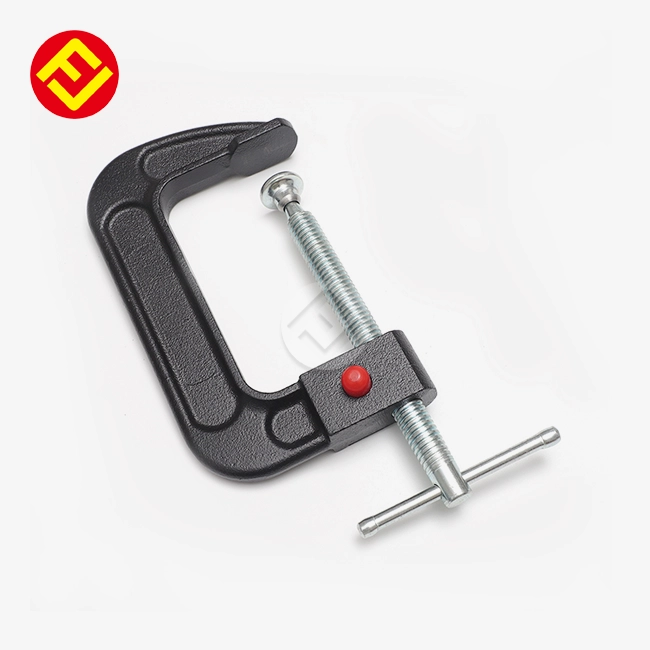
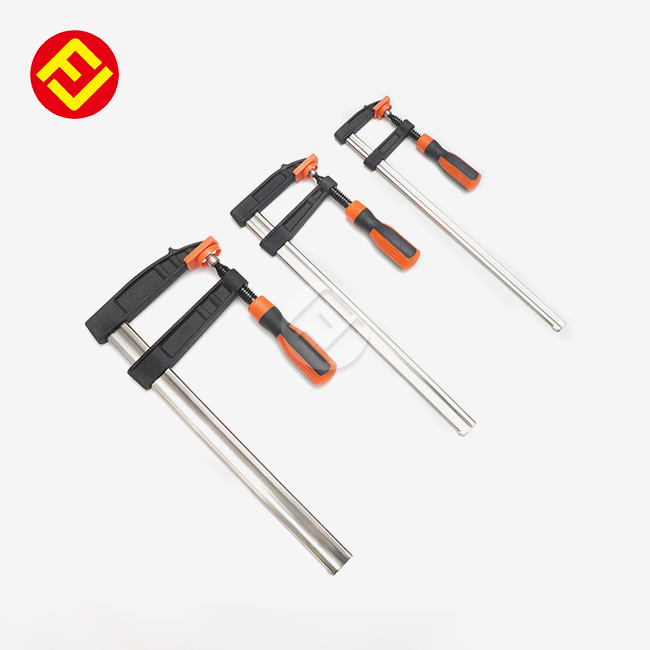
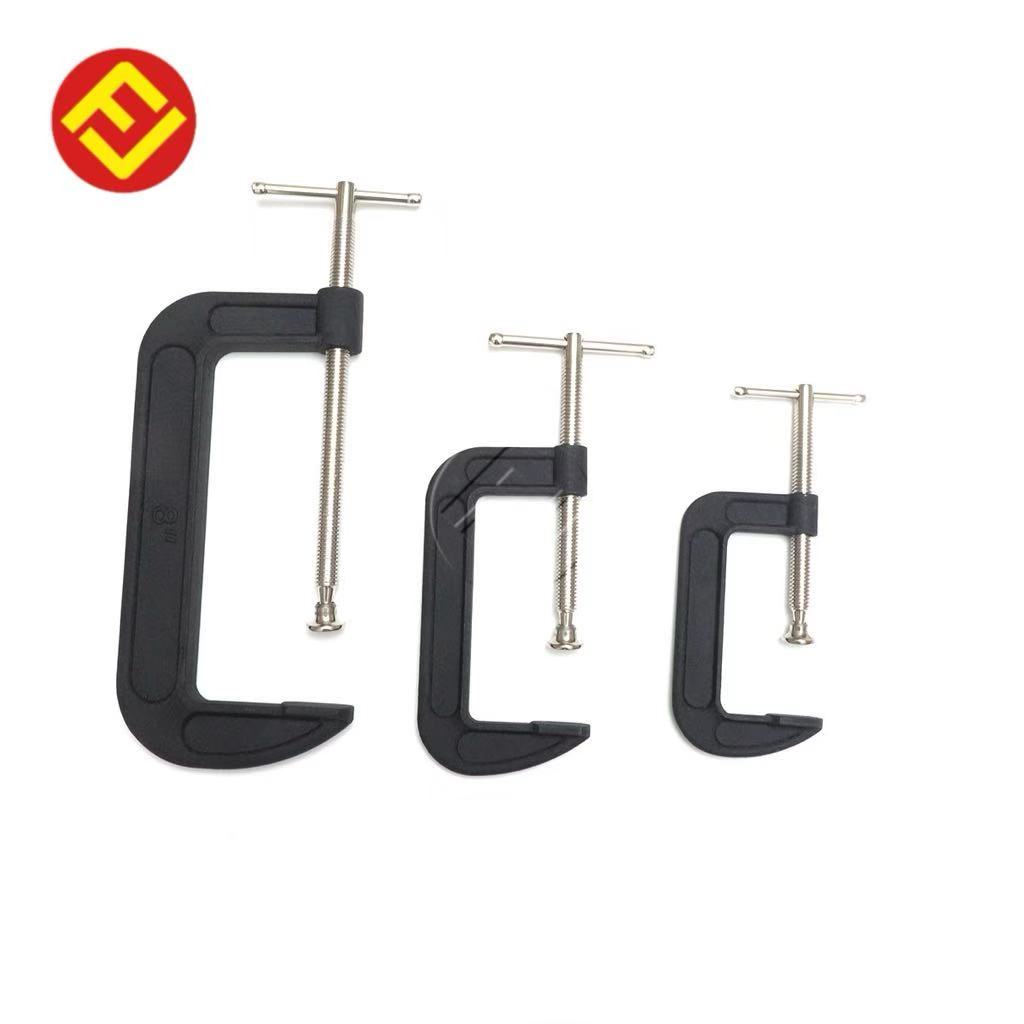
Deep Throat G Clamps 250mm are must-have tools for professional woodworkers and builders who need to reach past the edge of big panels or hold together complicated assemblies. With throat depths ranging from 120mm to 200mm, these extended-reach clamping tools let you apply steady pressure to the middle of wide workpieces that regular clamps just can't reach. These industrial-grade tools are made from drop-forged carbon steel or alloy steel with finishes that prevent rust. They provide a stable holding force for making furniture, building structures and heavy wood joinery without the "clothespin effect" that limits clamping around the edges.


Specification |
||
| Type | Model | Throat Depth x Jaw Opening |
| Deep Throat Clamp | Deep Throat 1.5 Inch | 35mmx110mm |
| Deep Throat Clamp | Deep Throat 2 Inch | 46mmx140mm |
| Deep Throat Clamp | Deep Throat 3 Inch | 82mmx110mm |
| Deep Throat Clamp | Deep Throat 3 Inch | 85mmx185mm |
| Deep Throat Clamp | Deep Throat Large 3 Inch | 95mmx250mm |
| Deep Throat Clamp | Deep Throat 4 Inch | 105mmx186mm |
| Deep Throat Clamp | Deep Throat Large 4 Inch | 110mmx305mm |
Understanding Deep Throat G Clamps 250mm
What Makes Extended Throat Clamps Different
The frame geometry of these specialized tools is what makes them unique. Normal G-clamps have a throat depth of 80 to 100 mm, but Deep Throat G Clamps 250mm have a much wider reach. This change to the design solves a major problem that comes up in heavy-duty situations: getting to clamping points that are far from the edges of the workpiece. The strengthened ribbed design at the throat curve spreads the stress that the longer lever arm creates, keeping the frame from warping when it's under load.
We've spent almost 40 years improving the way these tools are made so they can work in harsh industry settings. Forging and casting make grain structures that don't break easily, and careful machining on the Acme threads makes sure they work smoothly and allow for accurate pressure control. When production workers need the same results on thousands of units, this level of attention to detail is important.
Material Composition and Construction Quality
Premium Deep Throat G Clamps 250mm are made of spheroidal graphite iron or drop-forged steel that can handle tensile strengths of more than 60,000 PSI. These materials are flexible enough to bend under extreme overload without breaking suddenly, giving you a visual cue before they break. There are several quality checks in the production process. For example, metallurgical analysis checks for nodularity in the iron makeup, impact testing checks for structural integrity, and proof load testing up to 1.5 times the safe working load checks for performance under stress.
Treatments that go on the surface are also very important for longevity. Nickel-plated finishes are tested with salt spray according to ASTM B117 guidelines to make sure they can stand up to industrial chemicals and rust from the environment. Adhesion tests are done on painted surfaces to make sure the coating will last in the harsh conditions of a workshop, which include metal shavings, welding spatter, and moisture. These protected layers keep the look and usefulness of the tool in good shape over years of professional use, which lowers the need for replacements and lowers the cost of buying them.
Comparing Throat Depth Options
Which of the 150mm and 250mm jaw opening capacities to use depends on the needs of the project. The larger Deep Throat G Clamps 250mm types can handle making cabinet side panels, structural beams, and laminated composite parts with many layers that need to be accessed deeply. Throat depth measurements tell you how far away from the edge you can put the clamping point, which has a direct effect on how flexible you are when working with different-sized pieces.
How to Use Deep Throat G Clamps 250mm Effectively
Proper Setup and Preparation Techniques
Check both the tool and the workpiece's sides before putting binding pressure on them. Get rid of any dirt or dust that is on the swivel pad and the face of the anvil. If these things get stuck together, they can create pressure points that hurt materials or make them slip. When working with materials that are good for furniture, put protective softwood blocks between the clamp faces and the finished surfaces. This easy step keeps the surface from getting marred and spreads the pressure more evenly across the touch areas.
Thread the spindle until the swivel pad touches the piece of work with only light pressure. Check the alignment to make sure the pad is centered correctly on the anvil. If it's not, it could mean that the frame is damaged from being overloaded in the past. The ball-joint swivel mechanism can work with surface irregularities of up to 35 degrees. It can adapt to tapered or uneven surfaces that are common in rough-sawn wood and metal assemblies that were made.
Applying Gradual and Controlled Pressure
Tighten the handle little by little, and after every quarter turn, make sure the part is still in place. If you hurry through this process, parts could move before the glue or welds have a chance to set. Good Deep Throat G Clamps 250mm have a screw-type adjustment system that lets you feel the change in resistance. You should feel it gradually rise without any sharp jumps or grinding sounds. Strange noises or sticking are signs of thread damage that means the tool needs to be replaced right away.
Do not over-tighten beyond the point where the materials can be compressed enough. Too much force can damage threads, bend the frame too far, or crush materials that aren't strong enough. Operators with a lot of experience get a feel for the right torque through regular use, but new team members can benefit from pressure standards. For example, most glue joints in woodworking need 100 to 150 pounds per square inch, which can be achieved without using the full handle force.
Maintenance Practices for Extended Service Life
Regular repair makes things last a lot longer. After each use, clean the threads and moving parts to get rid of sawdust, metal filings, and other construction waste that speeds up wear. Molybdenum disulfide-based dry film lubricant should be used on the spindle threads instead of wet oils that can attract rough particles. This lubrication lowers friction while adjusting and stops thread galling, which can lead to binding.
To relieve spring tension on internal parts, store Deep Throat G Clamps 250mm with the spindles pushed back. Hanging storage keeps them close at hand and protects important surfaces from damage caused by bumps. Check that the swivel pad centers properly when it's totally closed every so often. If it's not, it means that the frame is warped and the tool needs to be retired. These care habits keep your investment safe and accurate over thousands of tightening cycles. They also make sure that the results are always the same.

Comparing Deep Throat G Clamps 250mm with Other Clamps
Extended Reach Versus Standard G-Clamps
When securing big panels during edge banding, lamination, or frame assembly, the main benefit over normal models becomes clear. With standard clamps, you have to work from the edges of the panel, which limits where you can clamp and could lead to uneven pressure distribution. Extended throat designs like the Deep Throat G Clamps 250mm let you get to the middle parts of the item, which makes it possible to evenly squeeze the glue joints and stop them from warping during the curing process.
This feature is especially useful when making furniture because cabinet sides, tabletops, and shelf units are too tall for normal clamps to reach. These tools are chosen by production engineers for use with jigs and fixtures when edge clamping is not possible because of the shape of the object or the need for tooling space. Being able to precisely place clamps cuts down on setup time and makes sure that assembly is the same from one production run to the next.
Bar Clamps and Alternative Systems
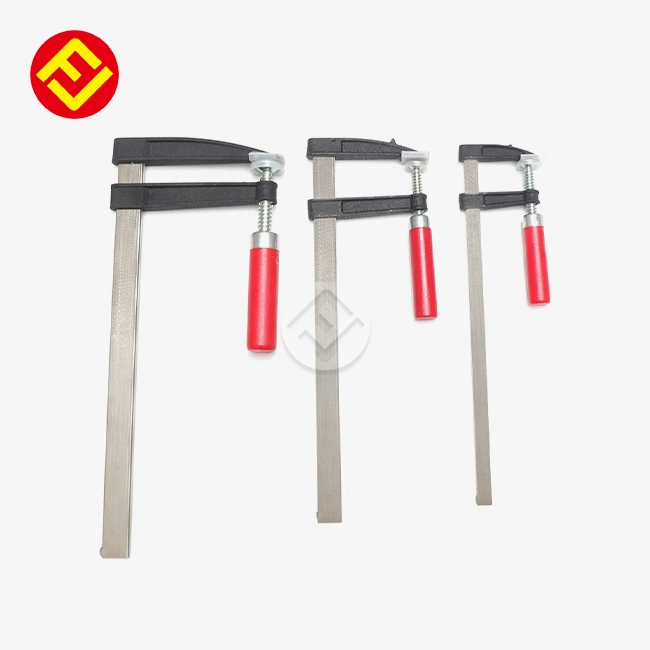
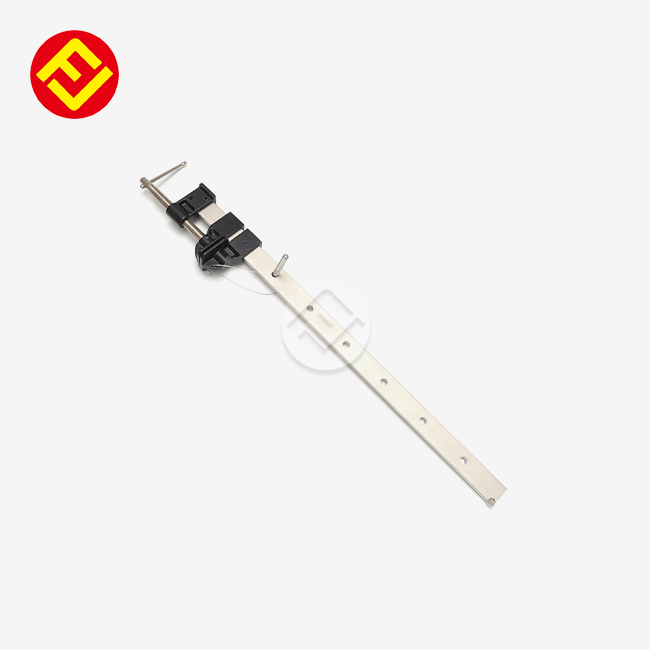
Bar clamps can be adjusted over a wider range of capacities, but they don't have the concentrated pressure or small footprint of G-style clamps. Deep Throat G Clamps 250mm work great when high pressure needs to be concentrated in a small area. Their stiff frame stops the bending that happens when big loads are put on long bar clamps, so they stay in place during the curing or welding process.
G-clamps can hold the same amount of pressure but have a shorter reach. Whether you choose the C or G layout relies on how much frame clearance and throat depth you need. A lot of skilled shops keep both kinds of tools and choose which ones to use based on the shape of the workpiece. Understanding these differences helps procurement teams build complete tools stocks that meet all production needs without having to make extra purchases.
Heavy-Duty Models Versus Lightweight Alternatives
Forged steel and ductile iron Deep Throat G Clamps 250mm are stronger and more reliable than cast iron options, even when loads are applied for a long time. The difference in weight is due to the density of the material and the need for frame support for uniform performance. For rare amateur use, light models work fine, but for professional work, you need tools that stay accurate after hundreds of clamping cycles per week.
Durability is more important to construction companies and fabrication shops than portability. Investing in heavy-duty Deep Throat G Clamps 250mm cuts down on downtime caused by broken tools, protects workpieces from damage caused by clamps that fall apart, and improves safety on the job by removing the risk of catastrophic fractures. When buying in bulk, you should compare the original cost to the long-term value, taking into account how often you might have to replace the tools and how long the job might be held up if they break.
Procurement Guide: Buying the Best Deep Throat G Clamps 250mm
Material Quality and Manufacturing Standards
Material certifications and documentation of the manufacturing process should be checked by procurement managers. Ask for metallurgical test reports that confirm the required tensile strength, ductility, and composition. Manufacturers of Deep Throat G Clamps 250mm give batch-specific paperwork that links materials to approved sources. This shows that the quality of the materials used throughout production is always the same.
Details about the production process show a dedication to quality. Forged frames have better grain structure than cast parts, and precise CNC machining makes sure that important areas are the right size. Go/no-go gauge tests that check thread specs make sure that the threads will work smoothly without locking or having too much play. These technical features have a direct effect on how well and how long a tool lasts in tough industry settings.
FLA Industrial & Trading Co., Ltd. keeps detailed quality records for all of our more than 1,000 product specs. Our ISO 9001 certification shows that we handle quality in a planned way throughout the whole production process, from checking the quality of the raw materials to making sure they work properly at the end. CE approval makes sure that Products" target="_blank" style="color:blue" >products meet international safety standards, which gives organizations with strict requirements for vendors peace of mind when they buy things.
Evaluating Clamping Capacity and Design Features
The rated safe working loads should be enough to meet the needs of your application with some room for error. Most woodworking and light construction jobs can be done with Deep Throat G Clamps 250mm rated for 800-1200 kg, but for heavy structural jobs, higher capacities may be needed. Make sure that the proof load testing documentation backs up the published ratings. Reliable manufacturers test beyond the rated capacity to make sure the product is reliable.
An ergonomic handle design affects how comfortable the user is when using it for a long time. Handles with good length and comfortable grips keep your hands from getting tired while still giving you enough leverage. The swivel pad design should be able to handle the angles of the workpieces you use without the need for shims or adapters. These traits, which may not seem important, have a big effect on how much work gets done when workers use tools for long shifts.
Bulk Order Considerations and Supply Chain Reliability
Suppliers who don't set minimum order amounts are good for companies that need to keep a lot of product on hand. Our 2,000-ton stock capacity lets us quickly ship standard configurations, so project delays caused by backorders don't happen. Custom specs for Deep Throat G Clamps 250mm with throat depths or jaw holes that aren't standard ship within 7–15 days, so they can meet the needs of a wide range of applications without taking too long.
The ability to provide technical help sets special sellers apart from commodity vendors. Having access to engineering help for checking measurements, confirming 3D designs, and giving advice on how to use the product adds value beyond the physical product itself. When technical questions come up during the design or installation process, our team answers them within 24 to 48 hours. This keeps projects moving forward.

Applications & Case Studies in Heavy-Duty Woodworking
Furniture Manufacturing and Cabinet Assembly
When putting together big case goods and entertainment centers, custom furniture builders use Deep Throat G Clamps 250mm. Because it can reach deep into cabinets, it is possible to clamp internal braces and dividers without using complicated jig systems. This feature speeds up the building process and keeps everything perfectly aligned during the glue cure rounds.
One mid-sized furniture maker said that switching to Deep Throat G Clamps 250mm for attaching cabinet side panels cut assembly time by 23%. Better access got rid of the need to reposition things, which was needed with regular clamps. Also, more even pressure distribution cut down on joint failures caused by incomplete bonding. Because they were more efficient, they were able to save money on costs across their whole work plan.
Structural Timber Framing and Heavy Joinery
When building a timber frame, huge beam systems are used, and standard clamps can't reach the mortise and tenon joints that are in the middle of the span. Deep Throat G Clamps 250mm keep these connections in place while layout and drilling are being done. This stops any movement that could affect the accuracy of the joint. These tools are chosen by construction teams working on business timber buildings because they are reliable in tough site conditions.
Because the frame is reinforced, Deep Throat G Clamps 250mm can handle rough treatment on the job site that would damage lighter tools. When it comes to weather, building debris, and accidental drops, something needs to be industrial-grade durable. Contractors like tools that keep working throughout the lifecycle of a project without needing to be replaced often. This helps projects stay within budget and lowers the cost of managing equipment.
Metalworking and Fabrication Support
Even though Deep Throat G Clamps 250mm are usually used for working with wood, they are also great for working with metal. They are used by structural steel fabricators to hold stiffener plates against beam webs while welding. This keeps the parts straight while the operator does the tack welds. The deep throat goes over flange lengths that would make it impossible for a normal clamp to fit, which makes the application more flexible.
These tools are used in marine fabrication shops to laminate composite parts on the transoms and gunwales of boats. The Deep Throat G Clamps 250mm can hold several layers of fiberglass and apply central pressure that keeps thick layups from delaminating. Because they can be used in different industries, they are useful additions to production businesses that serve a wide range of customers.

Conclusion
Extended throat G-clamps are specialized tools that professionals use when standard tools don't work well enough. The deep reach, high clamping force, and long-lasting construction meet important needs in settings like making furniture, putting together structures, and production. Material quality, processing standards, and a supplier's ability to help should be more important than just comparing costs when making procurement choices. When businesses buy quality Deep Throat G Clamps 250mm from well-known manufacturers, they get better production consistency, fewer replacements, and safer working conditions. These tools are very useful for many different tasks that need reliable clamping solutions but are hard to get to because of their technical specs and wide range of uses.
FAQ
What maximum pressure can a 250mm deep throat G clamp safely apply?
High-quality Deep Throat G Clamps 250mm with a safe working load of 800-1200 kg are more than enough for most crafts and light manufacturing tasks. The real pressure at the point of contact depends on how stiff the frame is and how much force the handle has. Don't go over the manufacturer's recommended limits, as doing so can permanently damage the frame or threads, making them less safe and less effective in the future.
Can these clamps be used for metalworking projects?
Deep Throat G Clamps 250mm are useful for a lot of metalworking tasks, like holding parts in place while cutting, drilling, or grinding. The steel construction can handle the heat from nearby welding jobs better than the plastic parts on some specialized Woodworking Clamps. Make sure that surface processes don't leave welding spatter behind if they will be used a lot in industrial settings.
How do I evaluate appropriate throat depth for my projects?
Find the distance from the edge of your project to the farthest clamping point you need to reach. Then, leave 25 to 50 mm of space for the Deep Throat G Clamps 250mm frame. This calculation makes sure that there is enough access without any frame interference. When working on projects with different-sized pieces, it's helpful to have a number of different throat depth choices in your toolbox so that you can handle different scenarios without limiting your access or forcing you to use inefficient workarounds.
Why choose drop-forged frames over cast iron construction?
Drop-forged frames for Deep Throat G Clamps 250mm have better grain structure and flexibility than cast iron frames, which tend to break easily when overloaded. They can handle leverage stress better. When you forge something, the grain of the metal lines up with the stress paths. This makes it stronger and creates ductile failure modes that let the piece bend before it breaks. This trait gives a clear sign that failure is about to happen instead of a sudden, catastrophic fracture.
Partner with FLA Industrial & Trading Co., Ltd. for Premium Clamping Solutions
With Deep Throat G Clamps 250mm from a dependable supplier, difficult assembly tasks become manageable ones. Every tool that FLA Industrial & Trading Co., Ltd. makes is the result of almost 40 years of experience in the business, blending advanced forging and machining skills with strict quality control. Due to our large inventory, we can ship basic setups right away, and our customization options allow us to provide unique solutions quickly. Our ISO 9001 and CE-certified processes are trusted by procurement teams that work with Fortune Global 500 companies to produce consistent quality on big orders. You can talk to our technical team at sales@flaindustrial.com about your specific clamping needs, ask for material certifications, or look into bulk purchasing options that will help you get the most out of your tooling investment.
References
1. Anderson, M. & Roberts, K. (2021). Industrial Clamping Systems: Design, Selection and Application in Manufacturing Environments. Technical Publishing International.
2. Chen, L. (2022). Material Science in Hand Tool Manufacturing: Forging, Heat Treatment and Surface Engineering. Journal of Industrial Tool Technology, 45(3), 112-128.
3. Hoffman, D. (2020). Woodworking Machinery and Tool Selection for Professional Cabinet Shops. Furniture Manufacturing Quarterly, 28(2), 45-59.
4. Martinez, S. & Thompson, J. (2023). Quality Control Protocols for Industrial Hand Tools: Testing Methods and Certification Standards. Manufacturing Quality Review, 17(1), 78-94.
5. Sullivan, P. (2019). Structural Timber Framing: Tools, Techniques and Assembly Methods for Heavy Construction. Construction Technology Press.
6. Williams, R. (2022). Procurement Strategies for Industrial Tooling: Evaluating Suppliers, Managing Inventory and Lifecycle Cost Analysis. Supply Chain Management Today, 31(4), 203-217.