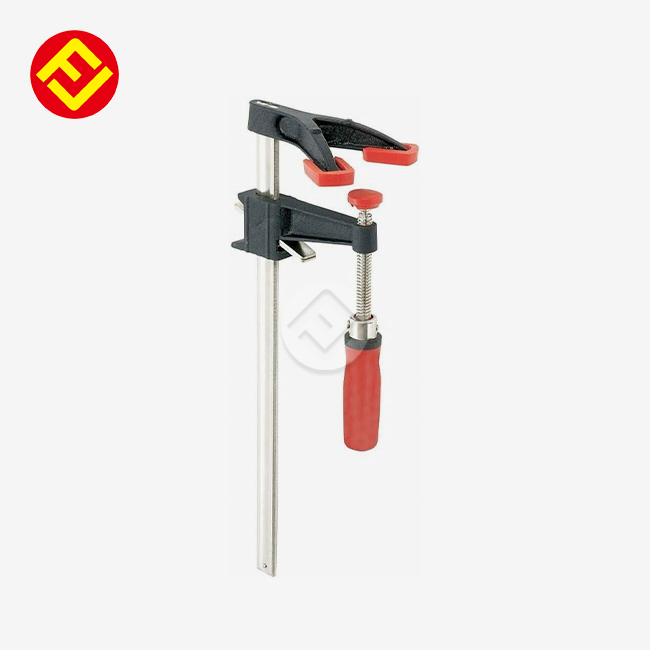
16mm Welding Table Clamps Designed for Secure Welding Operations
2026-07-23 14:08:42


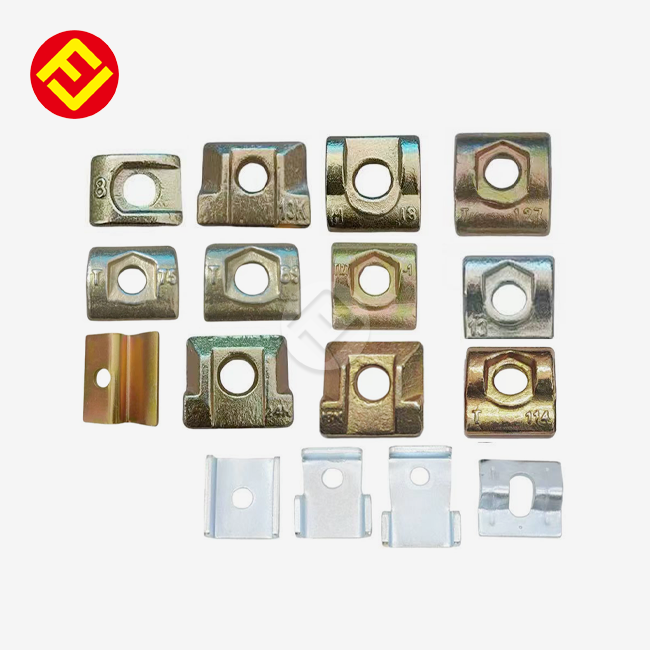
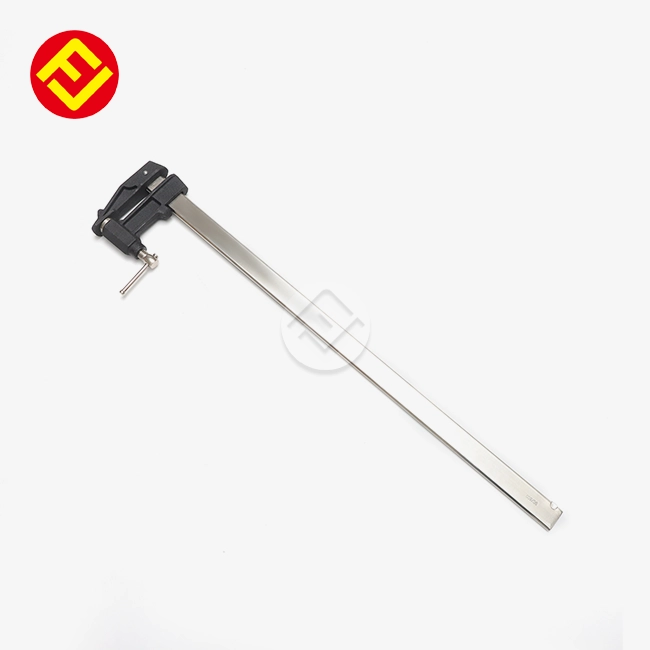
When precise welding needs complete support, F-Clamps/16mm-welding-table-clamps">16mm Welding Table Clamps are the most important tools in your workshop. With their 16mm bore holes arranged in standard grid patterns, these specialised fixturing devices work perfectly with modular welding tables. These clamps keep workpieces from warping during TIG, MIG, or stick welding. They are made of strong carbon steel or cast iron that can be shaped. Their zinc-plated or painted finishes keep weld spatter from sticking to them and protect them from corrosion. This makes them reliable for use in construction, welding, and precision manufacturing settings where exact measurements affect the quality of the end product.


Specifications |
||
| Item Code | Head Diameter (mm) | Rail (mm) |
| 60x60-B | Φ16 | 13.5x6.5 |
| 60x60-B | 19(3/4") | 13.5x6.5 |
| 60x60-B | Φ20 | 13.5x6.5 |
| 200x120-E | Φ16 | 22x10.5 |
| 200x120-E | Φ19(3/4") | 22x10.5 |
| 200x120-E | Φ20 | 22x10.5 |
| 00x120-G | Φ28 | 27x13 |
Understanding 16mm Welding Table Clamps and Their Core Features
What Defines a 16mm Welding Table Clamp?
This "16mm" number refers to the shaft's diameter, which is designed to fit normal welding table hole sizes. This standard for measurements makes a modular fixturing ecosystem where 16mm Welding Table Clamps, stops, and risers can be used on different compatible table systems that are compatible. Unlike clamping solutions that were made on the spot, these devices were designed to handle the specific problems that come up in welding settings, such as strong localised heat, spatter contamination, and the need to quickly reposition between production cycles.
To keep their tight tolerances, companies like FLA Industrial & Trading Co., Ltd. make professional-grade clamps by casting and precision machining. The shaft needs to fit snugly into the table's holes (H7) so it doesn't wobble and throw off the position of the item. This level of accuracy in making sets industrial tools apart from consumer-grade options.
Material Composition and Performance Characteristics
The carbon steel design gives it the strength-to-weight ratio needed for safe clamping without making it too big. The material can handle clamping forces greater than 2.5 kN and keeps its shape when thermal loads are applied and removed repeatedly. Different types of malleable cast iron are better at resisting impacts, which is especially useful in high-volume production settings where tool strikes happen a lot.
Surface treatments are very important for how long something works. Zinc plating acts as a temporary defence against oxidation, and painted finishes add extra chemical resistance in places where cutting fluids or acidic atmospheres are present. These protective layers need to be put on evenly to stop rust before it's time around threads and contact areas where stress is high.
Mechanism Types and Operational Principles
Fixed-position clamps offer the highest level of rigidity for situations where the workpiece must not move at all. Through precisely cut threads, their simple spindle design turns rotary force into linear gripping pressure. The mechanical advantage ratio tells us how much power turns into holding force. Most systems have conversion ratios of 10:1.
Adjustable clamps have swivel pads or ball-joint pressure points that can be used on workpiece surfaces that are not parallel to each other. This flexibility is very important for holding together irregular casts or systems with compound angles. The trade-off is a slightly lower clamping force compared to set designs. This makes choosing the right material very important for keeping the right amount of binding power.
16mm Welding Table Clamps are different from general-purpose designs because they can handle heat. When temperatures rise above 200°C for long welding sessions, parts that are close to the workpiece must keep their shape. Manufacturers of good Products" target="_blank" style="color:blue" >products use testing data to back up their claims of "heat-resistant" performance areas.
How to Choose the Best 16mm Welding Table Clamps for Your Operation
Assessing Your Welding Environment and Production Scale
For small fabrication shops that only do one-of-a-kind jobs, flexibility and quick setup are very important. Quick-adjust clamps cut down on the time it takes to switch between different types of workpieces. When looking for tools for this market segment, hardware distributors should focus on collections with different head diameters (16mm, 19mm (3/4"), and 20mm options work with a range of table configurations).
In mass production settings, longevity under repeated spinning is important. Cycle life specifications should be looked at by procurement experts at building companies and factories. A clamp that is rated for 50,000 operations doesn't need to be serviced as often as alternatives that aren't rated and break down without warning. The ISO9001-certified manufacturing process at FLA Industrial includes load-bearing tests that make sure the clamping force stays the same across production batches. This directly meets the requirement for reliability.
For custom OEM uses, non-standard sizes or pressure pad shapes may be needed. Manufacturers who can make their own moulds can make answers that are specific to the problems they are having with fixturing. Companies that install electrical systems and HVAC workers who work with custom equipment designs find this customisation knowledge to be very useful.
Core Evaluation Metrics for Performance Comparison
The most important criterion is the clamping force. When holding power isn't strong enough, the workpiece can move during welding, which can lead to mistakes in measurements and safety risks. Professional 16mm Welding Table Clamps should keep their stated force without "creep," which is the slow loss of pressure over time that happens when materials are compressed or heated and cooled. Calibrated load cell testing is used to tell the difference between claimed performance and actual performance.
Evaluation of durability goes beyond just checking how hard a material is. Spindle runout measurements show how precise a manufacturing process is. Too much runout causes uneven pressure distribution, which speeds up wear on surfaces that come into contact with each other. Go/No-Go gauge testing shows that the right table bore fit is ensured by shaft diameter tolerances. These quality control steps, which are part of FLA Industrial's normal production process, are closely linked to field longevity.
Productivity is directly affected by how easy something is to use. Spindle designs that need too many rotations to go the whole way waste time during setup for the operator. Maintenance downtime is cut down by enclosed thread systems that don't get contaminated by spatter. When purchasing in bulk, purchasing managers should figure out the total cost of ownership, which includes both the price of the purchase and the amount of work that will be needed to keep it in good shape.
Sourcing Strategies for Different Buyer Categories
Hardware distributors benefit when suppliers keep a lot of stock on hand. FLA Industrial keeps more than 2,000 tonnes of standard goods in stock so they can be shipped right away. This keeps stores from having to deal with backorders, which can slow down business. When there are a lot of different SKUs available, wholesalers can offer full clamping solutions instead of broken-up product lines that require them to work with multiple vendors.
Construction companies put a high value on shipping plans that are solid and fit with the project's schedule. When specifications change in the middle of a project, suppliers who offer custom orders with lead times of 7–15 days give you the freedom you need. This timeliness is especially important for electric utility companies that are in charge of maintaining infrastructure and need to repair broken equipment right away.
Manufacturers of woodworking tools and furniture often need special fixing solutions for materials that aren't metal. If a supplier has engineering support, they can suggest the right pressure pad materials and clamping force ranges to keep wooden parts in place without damaging the surface. This ability to provide expert advice adds value above and beyond just buying products.

Benefits and Advantages of Using 16mm Welding Table Clamps in Industrial Settings
Enhanced Weld Quality Through Superior Workpiece Stability
The most persistent quality problem in fabrication is thermal distortion during welding. As the base metal in the weld pool gets hotter than 1,400°C, the material around it expands in an uneven way. When workpieces aren't properly attached, they move, which causes misalignment that gets worse with each weld pass. Professional fixturing systems with evenly spaced 16mm Welding Table Clamps keep the dimensions under control during the whole thermal cycle.
Because table-mounted clamps are modular, they can be placed in a way that makes the most of the shape of the workpiece. To stop predicted distortion patterns, engineers can place multiple clamps, which is the same thing as "pre-loading" parts against expected heat movement. This proactive approach cuts down on straightening steps that need to be done after the welding process, which adds cost and could damage the material's properties through cold working.
The accuracy of the end result is directly related to how well the precision holding works. When making structural steel assemblies for construction projects, millimeter-level tolerances tell us if the parts will fit correctly when they are put together in the field. Site managers and project engineers know that quality fixturing upstream keeps expensive repairs from having to be done during the assembly phases.
Improved Operator Safety and Ergonomic Efficiency
Unexpected movement of the workpiece during operation is the most common cause of welding accidents. Secure workpiece fixing stops this from happening. When 16mm Welding Table Clamps break or aren't tight enough, quick shifts can hit the electrode, which can be dangerous for electrical reasons or send molten metal flying toward the user. People who work in factories are protected during shifts by reliable locking systems that were designed with enough safety features.
When setting up things over and over, ergonomic clamp designs keep operators from getting tired. Long shifts can still be productive thanks to quick-adjust mechanisms that place and lock workpieces with little rotational effort. This is especially important in schools where students with different levels of physical strength have to use tools safely and correctly.
Maintenance Practices That Extend Service Life
Protocols for regular inspections find problems as they start to form before they become catastrophic. Every month, plant managers should check to see if there is damage to the threads, wear on the pressure pads, and if the shaft is straight. Early spotting lets replacements happen during planned downtime instead of fixes that have to be done right away and stop production.
Using an anti-spatter spray makes a temporary shield that keeps welding debris from sticking to moving parts. When done before each welding session, this simple precaution greatly increases spindle life by stopping the thread seizure that stops 16mm Welding Table Clamps from working. Quality clamps with sealed spindle designs keep pollution even less likely to get in.
Many buying teams don't realise how important it is to store things correctly. When clamps are wet between uses, the surface corrodes, which speeds up wear. Protective finishes that ensure long-term performance are kept safe on tool racks in climate-controlled places. The MRO teams that are in charge of plumbing and HVAC systems should include these storage needs in their methods for handling tools.
Comparison and Market Insights: 16mm Welding Table Clamps vs Alternatives
System Compatibility: 16mm vs Heavier Duty Standards
The System 16 configuration is meant for precise fabrication with thinner materials and more complicated shapes. When compared to other System 28 options made for building with solid steel, 16mm Welding Table Clamps have more pin points and smaller grid spacing. This density is helpful when fixing complicated parts because it lets you be flexible with where you put the clamps, which makes the setup go more quickly.
The load capacity makes these systems clearly different. 16mm Welding Table Clamps have a holding force of about 2.5 kN, but System 28 devices have a holding force of 5–7 kN because their shafts are bigger and they have more mechanical advantage. These limits should be known by procurement engineers at construction companies that work with heavy beam fabrication. Using fixturing that is too small causes safety risks and quality issues that are worse than any cost savings from using lighter systems.
Mechanical vs Magnetic Clamping Technologies
Traditional threaded clamps offer a steady, measurable binding force that is not affected by the qualities of the workpiece's material. Because they are so reliable, they are usually used with different materials or non-magnetic metals like aluminium and stainless steel. The mechanical link also grounds the workpieces electronically, but special grounding clamps are still needed for the welding circuit to be set up correctly.
In high-mix production settings, magnetic clamps make it easier to place things quickly. When workers only place magnets instead of threading multiple 16mm Welding Table Clamps, setup time drops by a huge amount. But clamping force changes depending on the thickness of the workpiece, the condition of the surface, and how permeable the material is. Thin materials or ones with surface scale might not have the rated holding power. This leads to unpredictable performance, which manufacturers who care about quality find unacceptable.
The total needs of the application must be taken into account in the cost analysis. When quick switching makes the investment worthwhile, magnetic systems that cost a lot are only useful. The cost-effectiveness of standard threaded clamps is higher for making many of the same parts, because they are more reliable and need less upkeep.
Quality Indicators That Justify Premium Pricing
Surface hardness and nitriding depth specifications show changes in production quality that are hard to see because the products look the same on the outside. Weld spatter quickly wears away the thin layers of hardening, revealing the softer base metal that pits and corrodes. You can get objective comparison data from quality manufacturers that goes beyond marketing terms like "industrial-grade" by including Vickers hardness testing (HV) results and nitriding penetration depths.
Professional and cheap tools are differentiated by the design of their spindle mechanisms. Enclosed threads protect important areas from dirt and keep the machine running smoothly for thousands of rounds. Copper-coated threads actively resist the binding of hot metal, which stops the seizure that destroys cheaper alternatives after only a few uses. These technical details, which are normal in FLA Industrial's product specs, are in line with reports of how long products last in harsh production settings.
Having worn parts that can be replaced greatly increases the economic service life. When touch surfaces wear down, 16mm Welding Table Clamps with replaceable pressure pads can be replaced with cheap consumables instead of having the whole clamp thrown away. This design theory shows that makers care about total cost of ownership more than making as many units as possible by making products obsolete too soon.
Procurement and Supply Chain Considerations for B2B Buyers
Sourcing Channel Selection and Supplier Evaluation
When you work directly with a manufacturer, you have the most options for custom specs and expert help. Companies with almost 40 years of experience making things, like FLA Industrial & Trading Co., Ltd., offer technical advice throughout the whole process of making a product. When designing custom fixtures for proprietary processes or equipment configurations, this skill comes in very handy.
Distributor networks help buyers who want to access local goods quickly and buy a lot of different types of tools at once. Hardware wholesalers that carry a full range of 16mm Welding Table Clamps and other related items make it easier for small businesses that don't have their own purchasing departments to buy things. On the other hand, there are fewer ways to customise and wait times may be longer for non-standard needs.
Online business-to-business (B2B) platforms give buyers more options for where to buy things, but they need to carefully check the credentials of suppliers. Verification of certification through independent inspection services keeps you safe from fake goods with fake quality marks. ISO9001 and CE certifications are the bare minimum. When working with a new vendor, asking for test results and documentation about the production site gives you even more peace of mind.
Negotiating Bulk Orders and Custom Specifications
Volume pricing systems encourage buying across product groups in bulk. When buyers look for whole fixturing systems instead of just individual 16mm Welding Table Clamps, they have more power to get better terms. Hardware distributors should talk to suppliers about SKU diversity requirements to make sure they keep enough stock across all sizes without setting minimum order quantities for each variant.
Instead of just dimensional drawings, clear communication of functional requirements is needed for custom specification development. Manufacturers can suggest the best solutions, which may be different from the original ideas, by asking about the application setting, production volumes, and performance standards. When FLA Industrial's technical team does 3D visualisations, they make sure that the design purpose is clear before mould development starts. This keeps expensive changes from having to be made.
Payment terms and guarantee coverage show how confident the supplier is in the quality of the product. Longer warranty periods that cover both material defects and manufacturing flaws show that companies stand behind their products more than what the law requires. Before confirming big orders, buyers should find out how to file a warranty claim and check the availability of new parts.
Lead Time Management and Quality Assurance
Realistic delivery schedules strike a balance between speed and quality control. To keep their promises, manufacturers who offer impossibly short wait times often break inspection rules or use lower-quality materials. FLA Industrial's 7–15-day special order timeframe is based on true production needs, such as quality control, not unrealistic goals that let down clients.
Protocols for receiving screening protect against damage during shipping and variations from specifications. Before putting tools into production, go/no-go gauging is done on sample units from each shipment to make sure they meet the dimensions. Instead of taking generic statements of compliance, documentation standards should spell out which certifications and test results need to be included.
Total cost of ownership is greatly affected by the provision of after-sales assistance. Suppliers who offer expert troubleshooting help and access to new parts throughout the duration of a product provide value that goes beyond the initial purchase. This long-term connection is especially helpful for OEM customers who put bought parts into their own tools that they then sell to end users.

Conclusion
To choose the right 16mm Welding Table Clamps, you have to weigh the technical performance requirements against operational needs and budgetary limitations. Professional-grade fixturing from companies like FLA Industrial & Trading Co., Ltd. gives you measurable benefits through precise manufacturing, strong materials, and technical help that goes beyond just buying and selling products. Hardware stores, construction companies, and factories can stay ahead of the competition with reliable clamping systems that improve the quality of the weld, make workers safer, and lower the total cost of ownership. When making strategic sourcing choices, focusing on a supplier's qualifications, customisation options, and after-sales support creates long-lasting value that builds over production cycles and project timelines.
FAQ
What distinguishes 16mm clamps from other welding table fixturing options?
The 16mm shaft width lets you know which modular table systems are compatible with it because they have the right bore designs. These systems usually have 50x50mm grid spacing, which is best for working with smaller gauges and doing precise assembly work. This is different from System 28 configurations, which are larger and are made for structural steel uses.
Can these clamps hold things whose surfaces aren't parallel?
Clamps that can be adjusted and have ball-joint or swivel pressure pads can fit surfaces that are up to 15 degrees off-center. This adaptability is very important for holding casts, formed parts, or systems that need compound angle fixturing without having to make special support blocks.
How can I keep weld splatter from breaking the clamps?
Put anti-spatter spray on areas that will be welded before you start welding to make a temporary barrier. It is best to choose clamps with enclosed spindles that keep threads clean. Cleaning regularly with brass brushes gets rid of built-up dirt and grime without harming protective surface treatments.
What maintenance intervals ensure optimal performance?
Once a month, check the 16mm Welding Table Clamps for damaged threads, worn pressure pads, and straight shafts. Every three months, oil moving parts with light machine oil. When touch areas show cracks or deformation, it's time to replace the pressure pads. When compared to reactive repair methods, this preventative approach greatly increases the service life.
Partner with FLA Industrial & Trading Co., Ltd. for Your Welding Clamp Requirements
If engineers and procurement managers are looking for a dependable 16mm Welding Table Clamps provider, FLA Industrial & Trading Co., Ltd. has everything they need. Our manufacturing experience of almost 40 years makes sure that all orders get the same product, and our ISO9001 certification makes sure that quality control rules are followed at every stage of production. We respond to requests for specifications within 24 to 48 hours and ship custom orders within 7 to 15 days. This means that we can meet the needs of both urgent projects and planned equipment upgrades. With over 2,000 tonnes of standard inventory and the ability to make custom moulds, we can handle orders ranging from ten units to full containers of goods without having to delay deliveries. Get in touch with our technical team at sales@flaindustrial.com to talk about your unique fixturing problems and get personalised advice based on engineering research and years of experience working with Fortune Global 500 partners around the world.
References
1. Anderson, M.J. (2021). Precision Fixturing Systems for Modern Fabrication: Engineering Standards and Best Practices. Industrial Press Inc.
2. Chen, L., & Roberts, K. (2022). "Thermal Distortion Control in Arc Welding Through Strategic Workpiece Clamping." Journal of Manufacturing Science and Engineering, 144(8), 081005.
3. Hoffman, P.D. (2020). Modular Welding Tables: Design, Implementation, and Productivity Enhancement. Society of Manufacturing Engineers.
4. International Organization for Standardization. (2019). ISO 9001:2015 Quality Management Systems - Requirements for Industrial Tool Manufacturing. ISO Publications.
5. Miller, R.T., & Davidson, S.L. (2023). "Comparative Analysis of Mechanical vs Magnetic Workholding in Production Welding Environments." Welding Journal, 102(3), 45-52.
6. Thompson, G.W. (2022). B2B Procurement Strategies for Industrial Tooling: Risk Management and Supplier Evaluation Frameworks. McGraw-Hill Professional.