How to Choose the Right British F-Clamp Supplier?
2026-07-23 09:42:54


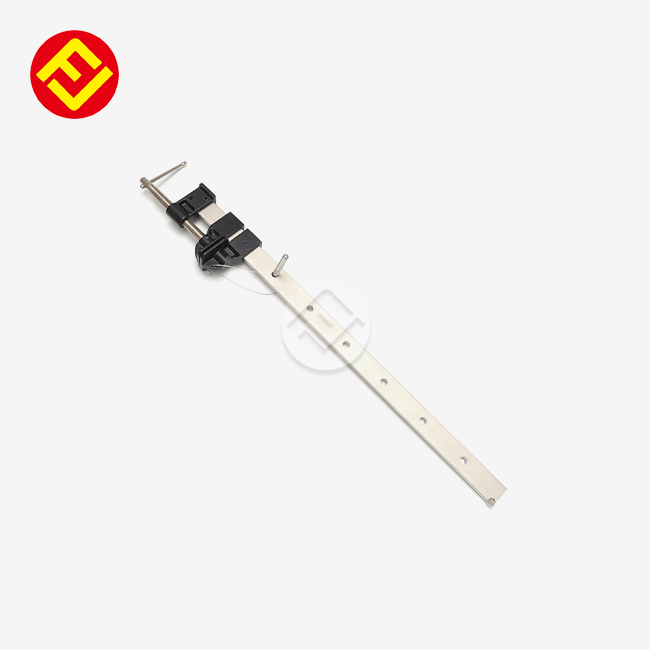
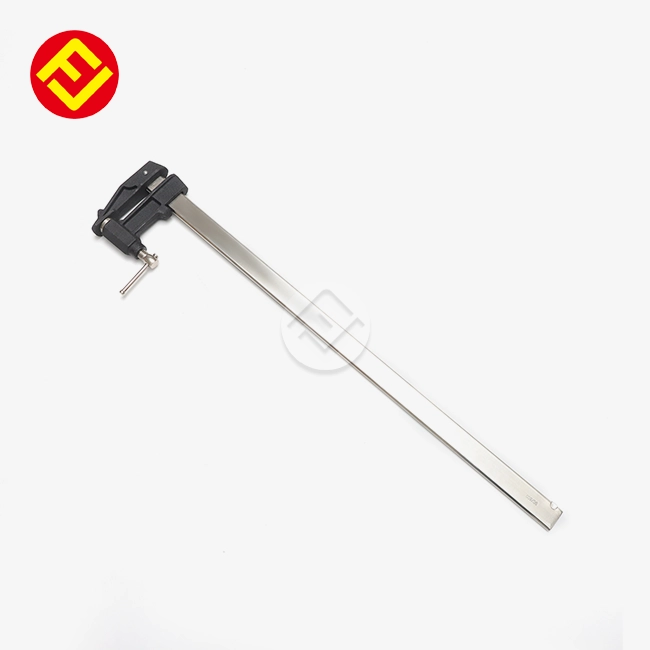
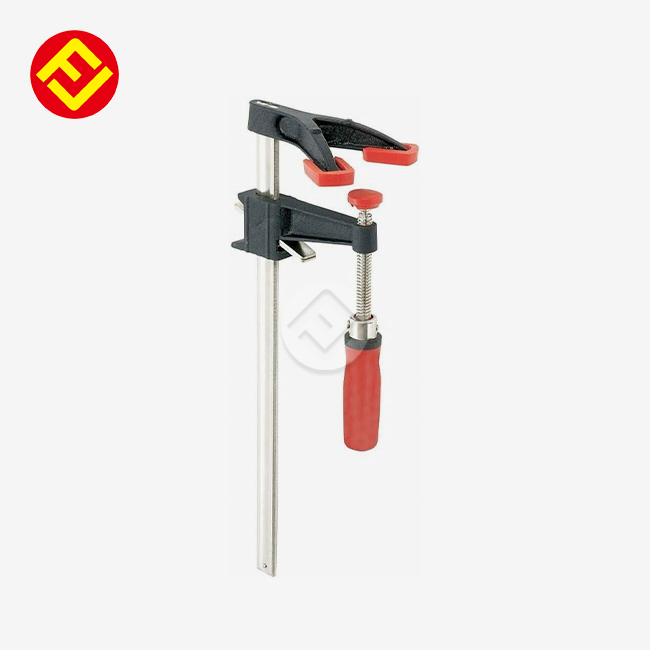
Picking the right provider for heavy-duty clamping tools has a direct effect on how well your business runs, the quality of the Products" target="_blank" style="color:blue" >products you make, and your bottom line. The F-Clamps/british-f-clamp">British F-Clamp is a unique industrial-grade solution that combines cast iron that can be shaped with precision-engineered steel bars to provide exceptional binding force for welding, woodworking, and assembly tasks. Choosing a reliable supplier will make sure that you get consistent quality, on-time deliveries, and technical support that meets your procurement standards. This is true whether you're a hardware distributor with hundreds of SKUs to manage or a construction contractor who needs tools that work well in tough conditions.


Specification |
|||
| Specification Model | Maximum Clamping Distance (mm) | Throat Depth (mm) | Total Length (mm) |
| Premium F-Clamp 200x80mm Guide Rail(15.5x7.5) | 200 | 80 | 260 |
| Premium F-Clamp 300x80mm Guide Rail (15.5x7.5) | 300 | 80 | 358 |
| Premium F-Clamp 400x80mm Guide Rail (15.5x7.5) | 400 | 80 | 460 |
| Premium F-Clamp 500x80mm Guide Rail (15.5x7.5) | 500 | 80 | 558 |
| Premium F-Clamp 800x80mm Guide Rail (15.5x7.5) | 800 | 80 | 366 |
| Premium F-Clamp 1000x80mm Guide Rail(15.5x7.5) | 1000 | 80 | 1062 |
| Premium F-Clamp 1200x80mm Guide Rail(15.5x7.5) | 1200 | 80 | 1255 |
Understanding Your Procurement Needs for Heavy-Duty Clamping Tools
Clarifying your operational needs with possible sellers before you start talking to them will save you a lot of money and time in the long run. The specs you need depend on the size and type of your projects. For example, installing cabinets needs different throat depths than structural welding, and making furniture needs clamps that keep the pressure on during long glue drying times without damaging softwood.
Your relationship with your seller is shaped from the start by how much you buy. When distributors buy British F-Clamp products to resell, they usually need consistent bulk availability with a range of SKU options. On the other hand, contractors may need quick access to mid-volume orders that fit their project schedules. Manufacturing plants with continuous production lines can't afford to have supply interruptions. This means that the reliability of the vendor is just as important as the quality of the product itself.
Choosing between cast iron heads that can be shaped and different steel rail finishes will affect how long they last in your surroundings. Painted finishes work well in workshops, while zinc-plated finishes don't rust in damp places or on job sites outside. For most uses, the throat depth should be 80 mm. The clamping distances should be between 200 mm and 1200 mm, and the throat depth should be able to fit your typical workpiece size.
Buying problems often happen because suppliers aren't screened well enough. Quality batches that aren't regular mess up production plans and hurt relationships with clients. Delays in the supply line cause jams that stop business. To find the best balance between original cost and long-term reliability, you need to know more than just unit prices. Taking care of these problems right away by systematically evaluating your suppliers protects your business's stability and upholds quality standards.
Core Criteria for Evaluating Clamping Tool Suppliers
Creating an organised evaluation framework takes the guesswork out of choosing a provider and lowers the risk of buying. The first step in making sure of quality is getting ISO9001 certification, which shows that the manufacturing process follows written instructions and produces consistent results. This international standard shows that a supplier is dedicated to quality management systems that include planning, making, inspecting, and helping customers.
How seriously a company takes quality control can be seen by how well they test their products. Tensile proof load testing at 1.5 times the maximum working load is done by reputable providers to make sure that the rails don't bend and the cast iron jaws don't crack under stress. Serration hardness testing makes sure that the locking system works consistently for the life of the tool. Checking the thread travel makes sure that everything works smoothly across the whole tightening range. When suppliers share their testing methods and results openly, they show responsibility, which saves your investment.
Supplier reputation is more than just marketing claims; it also includes track records that can be checked. How long has the business been in the industrial tools business? What kinds of businesses do they usually work with? Can they give you examples from clients who have used similar applications? Suppliers that have been around for a long time and have a lot of experience usually have higher quality standards and know what the needs of your business are. Their long life also suggests that they are financially stable, which lowers the risk of sudden supply problems.
Logistics skills show if sources can keep up with your working flow. Inventory depth affects how quickly orders are filled; suppliers who keep a lot of standard items in stock ship them within days instead of weeks. Shipping costs and times are affected by geographic distribution networks, especially for large orders. The time it takes to get customised specs should match the time it takes to plan a job. Issues are quickly resolved when there are clear lines of contact and helpful customer service. This keeps small problems from turning into operational disasters.

Comparing Direct Manufacturers Versus Distributors
When it comes to your buying plan and volume needs, each sourcing outlet has its own unique benefits. Direct makers are the ones who make the product, so they can often offer better prices for large orders and give you more customisation choices than middlemen. Companies that make things can change the sizes, the styles, or even make custom combinations that work with certain uses.
With almost 40 years of experience making industrial tools, FLA Industrial & Trading Co., Ltd. is a great example of the straight maker model. The company balances quick production with helpful customer service by keeping over 1,000 product specifications and 2,000 tonnes of stock on hand. Their ISO9001-certified quality management system controls every step of the production process, from choosing the raw materials to doing the final inspection. This makes sure that the quality of their work is always up to international standards.
The dealer approach works well for businesses that need a wide range of tools and can change how they buy them. Hardware sellers can save time and money by buying more than one type of product at once. Contractors like having quick access without having to commit to large amounts. The trade-off shows up in the prices, as distributors add margins to cover the costs of their value-added services, storage, and smaller order sizes.
A third way to find goods is through online marketplaces, which offer both convenience and a wide range of goods. Platforms make it easy to quickly compare prices and look over specifications. With standard shopping methods, the buying process is sped up. This ease of use comes at the cost of personalised technical help and problem-solving based on relationships. Since platforms usually don't check seller claims carefully, it's up to the buyer to make sure of the quality.
Real-World Procurement Success Stories
A neighbourhood hardware store that serves the building industry had customers who kept complaining about how reliable their current supplier's clamps were. Products arrived with unevenly straight rails, which caused the jaws to be out of place when they were loaded. The distributor used a structured review method to test samples from three possible sources in real-life work settings. They chose a manufacturer whose measurements were always accurate and who gave them thorough quality documentation. Within six months, the number of customer complaints dropped by 87%, and contractors started buying from the company again because they knew it was more reliable.
A business electrician who was starting to do industrial repair needed clamping tools that would not break down in welding settings. Their purchasing team judged suppliers based on the quality of the materials they offered and how well they stood up to heat. They found that not all "heavy-duty" clamps were made of real cast iron that could be shaped; some used cheaper materials that broke easily when heated. They found a supplier whose products worked reliably in high-temperature settings by checking material certifications and asking for metallurgical test reports. This kept them from having to deal with safety issues and the cost of replacing tools.

Building Sustainable Supplier Partnerships
Long-term relationships with suppliers are valuable because they lead to better communication, better treatment, and teamwork in solving problems. Setting clear quality standards makes it possible for everyone to agree on what a good job is. Set accepted defect rates, spell out how to check, and write down how to take appropriate action. Regular audits make sure that ongoing compliance is being met, catching quality drift before it hurts your business.
Key performance indicators are used to track success and give suppliers a number that shows how reliable they are. Keep track of the number of on-time deliveries, correct orders, product defects, and reaction times to expert questions. Reviews every three months give you a chance to deal with problems before they get worse and to praise good work that should be kept up. When suppliers get positive comments and praise, they tend to keep their service standards better.
Suppliers who give maintenance advice make tools last longer and give you a better return on your investment. Storage that is done right stops corrosion. Adhesive buildup that gets in the way of systems can be removed by cleaning regularly. Schedules for lubrication keep threaded parts running smoothly. Knowing the limits of the load keeps overloading from causing early failure. If a supplier really wants their customers to be happy, they will give you this information before problems happen.
Conclusion
To find the best provider for industrial locking tools, including British F-Clamp solutions, you need to do more than just compare unit prices. Long-term buying success is affected by quality checks using certifications and testing methods, figuring out how well a company can make things, and how well its operations work. It is easier to match sourcing channels to operational needs when you know the pros and cons of direct manufacturers, distributors, and online marketplaces. Structured supplier selection has a direct effect on product reliability, operating efficiency, and total cost of ownership, as shown by real-world buying experiences. Clear performance metrics, volume consolidation, and technical collaboration can help you build long-lasting partnerships with your suppliers. This turns them from vendors into strategic assets that help your business grow.
Frequently Asked Questions
What distinguishes heavy-duty industrial clamps from standard consumer-grade options?
Industrial-grade clamping tools have rails made of thicker steel and deeper serrations that automatically lock when they're loaded, holding at least 600 kilograms. Consumer versions are usually made of lighter materials and lock on smooth bars with friction, which limits the weight to 150 kilograms. Professional tools have heads made of malleable cast iron that doesn't bend under high pressure. This keeps the heads straight for precise work, while lighter alternatives may bend or slip during long tasks.
How can buyers check that a supplier's quality certificates are real?
Ask for copies of ISO9001 certificates and use international approval sites to check the legitimacy of the organisations that issued them. Ask for good test reports that show the results of tensile load tests, measurements of serration hardness, and coating adhesion tests. Reliable sellers make this paperwork easy to find. Before you commit to large sales, you might want to ask for sample units to be tested by someone else in your real working circumstances.
Can manufacturers accommodate custom specifications for specialized applications?
Many well-known companies offer customisation services that let you change things like throat depths, clamping ranges, coatings, or the way the jaws are shaped. Customisation usually needs a minimum order quantity to make the investment in tools worthwhile, and it takes longer to validate the design. Talk about the needs early on in the buying process to figure out what's possible, how long it will take, and how much it will cost.
Partner with an Experienced Industrial Tool Manufacturer
FLA Industrial & Trading Co., Ltd. has been making high-quality products for almost 40 years and sells them to hardware stores, contractors, and businesses all over the United States. As a British F-Clamp seller, we can offer seven basic models with clamping distances ranging from 200mm to 1200mm. All of them are made with high-grade steel rails and precision-cast malleable iron. Every step of the production process is overseen by quality management that is ISO9001-certified. This makes sure that the work is always done to the high standards expected by professionals. We can meet the buying needs of people in the building, woodworking, and manufacturing businesses because we keep 2,000 tonnes of stock on hand and let you order anything from a single unit to a large quantity. Our expert team answers questions about specifications within 24 to 48 hours and can make changes for specific uses. Get in touch with our purchasing experts at sales@flaindustrial.com to talk about the tools you need and find out how reliable partnerships can help your business run more smoothly.
References
1. Williams, D. (2021). Industrial Clamping Systems: Engineering Specifications and Quality Standards. Professional Tooling Press.
2. Thompson, R. & Martinez, S. (2020). Procurement Best Practices for Construction and Manufacturing Equipment. Supply Chain Management Institute.
3. British Standards Institution. (2019). Quality Management Systems for Industrial Tool Manufacturing: Implementation Guide. BSI Standards Publication.
4. Anderson, K. (2022). Materials Science in Industrial Hardware: Metallurgy and Performance Characteristics. Engineering Materials Journal.
5. Harrison, J. (2020). Strategic Supplier Selection: Framework and Case Studies in Industrial Procurement. Business Operations Quarterly.
6. Chen, L. & Roberts, M. (2021). Total Cost of Ownership Analysis for Industrial Tooling Procurement. Manufacturing Economics Review.