Durable Customized C-Clamps for Workshop and Factory Use
2026-07-23 09:42:02


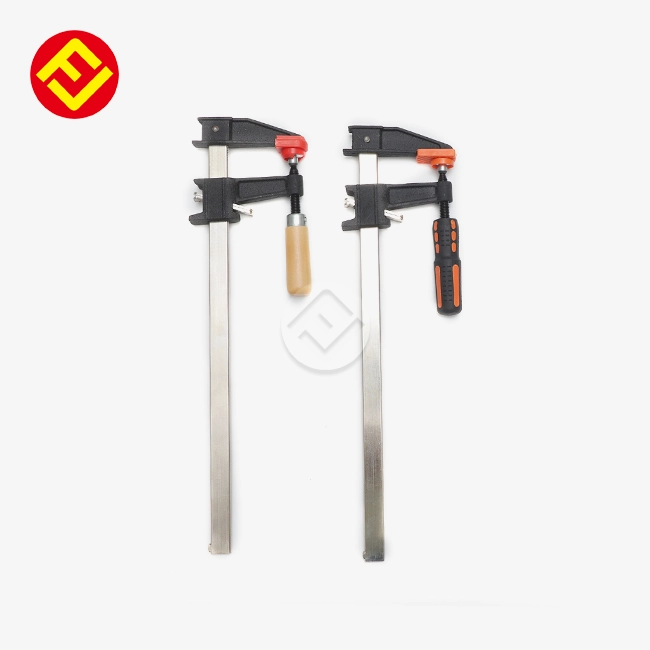
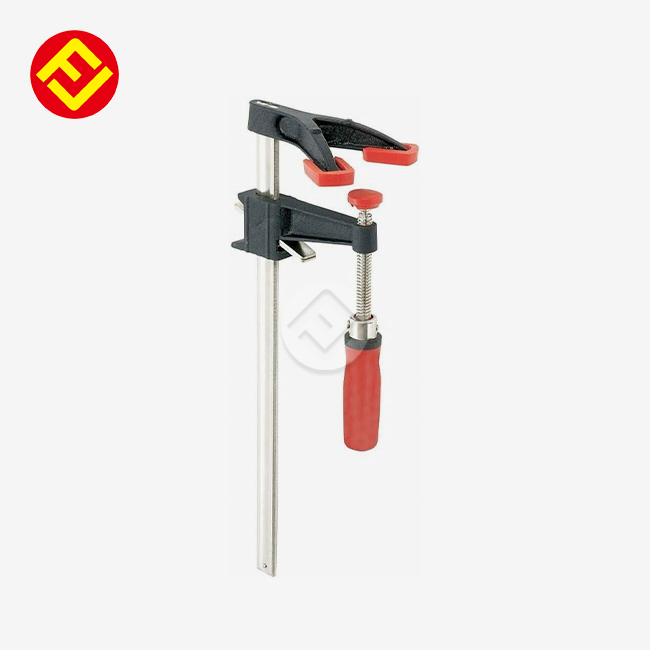
It can be hard for procurement managers to find solid holding devices for a wide range of industrial uses. In these cases, a Customized C-Clamp designed for workshop and factory settings is a must. These specialized clamping tools are not like off-the-shelf models; instead, they are carefully engineered to meet specific geometric needs, load limits, and weather conditions. At FLA Industrial & Trading Co., Ltd., we've seen how custom clamping solutions can make construction sites, woodworking shops, and metal fabrication shops run more efficiently. Our method, which is based on nearly 40 years of manufacturing experience, uses material science, structural optimization, and strict quality control to make clamping tools that meet the high standards of B2B buyers who can't afford downtime or broken equipment.


Specification |
|||
| Specification | Depth (mm) | Maximum Opening (mm) | Overall Dimension (mm) |
| 1 Inch | 28 | 25 | 75x45x12 |
| 2 Inch | 33 | 58 | 115x53x18 |
| 3 Inch | 65 | 86 | 170x95x25 |
| 4 Inch | 70 | 110 | 204x106x28 |
| 5 Inch | 30 | 140 | 245x115x28 |
| 6 Inch | 35 | 160 | 275x120x28 |
| 8 Inch | 105 | 220 | 330x150x30 |
| 10 Inch | 105 | 260 | 375x155x30 |
| 12 Inch | 115 | 310 | 440x170x33 |
Understanding Customized C-Clamps: Features and Benefits
In tough production settings, the difference between standard clamps and properly designed custom solutions is clear right away. Iterative Computer-Aided Design (CAD) modeling and Finite Element Analysis (FEA) are used to change the C-frame architecture to meet the needs of each application. This is how custom clamping tools are made. In the engineering world, this process solves important problems that regular tools just can't do well.
What Sets Customized Clamps Apart
The first step in customizing something is figuring out exactly what your business needs. Custom engineering lets you make changes like deeper throats to reach deeper into structural assemblies, different spindle thread pitches for fast movement in high-speed production lines, or unique pad configurations to protect the surface of delicate materials from damage. We use drop-forged steel (AISI 1045) and heat-treated ductile iron (ASTM A536 Grade 65-45-12) in our manufacturing process. These materials have tensile strengths of over 65,000 PSI, which means they will stay strong even after years of heavy use.
The choice of material is very important for performance longevity. Cast iron is great for woodworking because it reduces vibrations, but steel versions are better for metal manufacturing and building because they are stronger when pulled apart. The finish choices—painted, powder-coated, or electroplated—affect not only how the metal looks, but also how well it resists rust, how well welding spatter sticks to it, and how long it can be used in certain industrial settings.
Superior Holding Strength and Durability
Because we use FEA optimization, the I-beam cross-section form in our Customized C-Clamps gives you the best strength-to-weight ratio. This structural engineering keeps the frame from bending under eccentric loads, which is a typical way for frames to break when the throat depth is more than 12 inches. We get torsional resistance by making the web wider and the flange thicker at the back curve, which is where the most stress is concentrated. This keeps the clamping pressure even when holding for long periods of time.
When we use ACME threaded spindles in unique designs, they let us move heavy loads with less user input force. This mechanical advantage is very useful in situations where clamping operations need to be done over and over during shifts. Copper plating on spindles keeps welding spatter from sticking to them in places where metal is being worked on. Specialized swivel pads, which come in polyurethane, large-diameter steel, or brass options that won't damage the workpiece, distribute pressure to keep it from deforming. These improvements in engineering have direct practical effects that procurement managers see right away. Less frequent tool failures mean less downtime for production, and better ergonomics mean that operators don't get as tired doing the same tightening jobs over and over again. Customized C-Clamps that are properly designed last longer and need to be replaced less often, which gives you a clear return on your investment.
How to Choose the Right Customized C-Clamp for Your Business Needs
To make a good choice, you need to carefully look at a lot of different procurement situations, not just the specs. The clamping needs of a factory that makes furniture are very different from those of a building company that needs to secure pipe assemblies or an electrical utility company that needs to do repair work. A good buying plan starts with understanding these differences.
Critical Selection Criteria for Industrial Applications
The quality of the materials is what makes the function solid. When looking for custom clamping tools, make sure that the materials used meet ASTM standards and use Optical Emission Spectrometry (OES) to prove the alloy's makeup. The amount of carbon and manganese in steel has a direct effect on its strength and ability to be welded. Material approvals and hardness test reports should be asked for by procurement managers. Spindles usually need Rockwell C hardness between HRC 38 and 45 to keep the threads from stripping when the force is applied at full speed.
In some places, corrosion protection is very important. Surfaces need to be properly treated on construction sites that are open to weather, HVAC systems that deal with condensation, and facilities that work with corrosive materials. Powder coating protects against chemicals and chips very well, and hot-dip galvanization protects against corrosion better and meets ASTM B117 salt spray standards. You should choose a finish that is appropriate for the setting your equipment will be in over its lifetime. Both operational productivity and worker happiness are affected by the way adjustments are made. When it comes to general uses, standard screw systems work well, but when it comes to high-volume production, different thread pitches are better. Coarser threads with multiple starts allow for quick opening and shutting, which cuts down on cycle times on assembly lines. On the other hand, finer thread pitches give you a mechanical advantage that lets you get higher clamping forces with less input torque. This is useful for metalworking tasks that need a lot of holding pressure.
Cost-Benefit Analysis and Strategic Procurement
People often wonder if the money spent on custom building is worth it when compared to normal tools. Case studies from real life show how the money makes sense. When a furniture factory we work with switched to Customized C-Clamps with wider, contoured swivel pads that spread pressure over larger surface areas, they cut workpiece damage by 60%. Within eight months, the savings from fewer rejected pieces and repair costs more than covered the cost of the special tools.
Strategies for buying in bulk have a big effect on the costs of each unit. For cast clamps that need new dies, the minimum order quantity is usually between 500 and 1,000 units so that the costs of the tools are spread out evenly. Custom versions that are machined or fabricated, on the other hand, can still be made in smaller batches of 10 to 50 units, though each one costs more. Working with suppliers who keep a lot of stock—our building has over 2,000 tonnes of stock—allows us to meet instant standard needs while custom orders are being met. When planning for lead time, it's important to have realistic goals. Custom solutions usually need between 7 and 15 days for the design to be checked and the first production runs to begin. Complex changes that involve growing a new mold may make deadlines longer, so planning ahead is important for keeping projects on schedule. Building partnerships with providers that offer fast prototyping and 3D design verification speeds up the development process and lowers the chance that the specifications won't match.

Using and Maintaining Customized C-Clamps for Optimal Performance
The useful life and dependability of industrial clamping equipment are directly related to how well it is used and maintained. Even the most carefully designed tools won't work as well if they aren't handled correctly and kept in good condition.
Maximizing Clamping Efficiency Through Proper Use
Positioning is the first and most important step in clamping correctly. The swivel pad should touch the workpiece straight on so that the pressure is spread out evenly and there are no points of load that could damage the tool or the piece being worked on. Specialized V-groove pads keep round stock stable and stop it from rotating while cutting operations are being done on uneven or curved surfaces. The throat depth should be just right to allow the part to fit with enough room to spare. Forcing clamps to work beyond their designed limits causes stress to build up, which speeds up frame wear.
To use torque, it needs to be calibrated for the job. If you tighten the clamps too much, you could damage the piece you're working on and put extra stress on the clamp frame and spindle threads. Standard torque values that provide enough binding force without deforming are helpful in manufacturing settings that work with fragile materials like composites or aluminum. On the other hand, higher clamping forces are needed for welding and heavy manufacturing to keep things in place during rounds of thermal expansion and contraction.
Maintenance Best Practices for Extended Service Life
The main part of preventive maintenance plans is regular checks. Inspecting the tool visually should show signs of frame distortion, which means it has been loaded beyond its recommended capacity. Thread wear on spindles can be seen when there is more play or when it's hard to get a tight closure. Magnetic Particle Inspection (MPI) or Dye Penetrant Inspection are good non-destructive ways to find tiny cracks in places with a lot of stress, especially in the back curve of the C-frame where tension forces are strongest.
Schedules for lubrication of Customized C-Clamp based on the working environment keep things running smoothly and stop wear and tear from happening too soon. Putting light machine oil on the spindle threads every 40 to 50 hours of use keeps the resistance to turning constant and stops galling. Facilities that work in dusty areas should clean the threads before lubricating them to keep sharp particles from building up. Swivel pad pivot points need to be oiled from time to time to keep them free to rotate and make sure they are in proper perpendicular contact with workpieces. How things are stored affects their long-term state. To keep the spring pressure in swivel mechanisms without putting stress on them, clamps should be stored with moderate tension on the spindle. Unpainted parts don't rust when they're stored in a climate-controlled space, and cast iron frames don't break when they fall from a height. Using tool accountability systems, like shadow boards or digital tracking, makes sure that broken equipment is found and taken out of service before it fails during important operations.
Procurement and Supply Chain Insights for Customized C-Clamps
To find the best way to buy specialized industrial tools, you need to know how the market works, what suppliers can do, and how transportation affects the total cost of the purchase and the reliability of the supply chain.
Sourcing Channels and Supplier Evaluation
Business-to-business buyers who need unique specs can benefit greatly from having direct relationships with manufacturers. Distributors only carry a few basic configurations, but makers who have their own engineering departments can change designs to solve problems in specific applications. When looking at possible suppliers, checking to see if they are ISO9001 certified shows that they are committed to quality management systems with documented process controls, traceability, and methods for continuous improvement.
Suppliers who overpromise and underdeliver can be told apart from those who are capable based on their production capacity and lead time dependability. Manufacturers who keep a large stock of raw materials, like our 2,000-ton stock capacity, can quickly meet standard needs while also working on special orders. Ask for case references from companies in the same industry that are having the same application problems. Verified reviews from purchasing managers at building companies, woodworking shops, or metal fabrication shops can tell you a lot about how quick a provider is, how consistent their Products" target="_blank" style="color:blue" >products are, and how well they can solve problems. Having technical help available during the whole buying process adds a lot of value. Suppliers that offer 3D design verification can find possible specification conflicts before the production of tools starts. This keeps expensive redesigns from having to be done. Full-process support, which includes making prototypes, lets you test the performance in real life before placing large orders. If you can get specific technical feedback within 24 to 48 hours of asking a question, that usually means that the company is responsive throughout the whole relationship.
Logistics, Packaging, and Delivery Considerations
International shipping adds factors that need to be managed proactively. Protective wrapping must keep things from getting damaged during shipping while minimizing the weight of the package's dimensions to keep freight costs low. Individually boxed clamps with corner guards and moisture barriers make sure that the condition of arrival meets quality standards. For big orders, consolidated packages on pallets with stretch wrap and edge guards are the best way to protect them while also making them easy to handle. Tracking deliveries makes things less unclear and helps with planning production. When suppliers offer real-time shipment tracking through integrated logistics tools, receiving teams can work together to plan inspections and the merging of goods. Knowing the average lead times for standard and custom orders, along with the fact that shipping can get backed up during busy import times, helps you make realistic project schedules that avoid expensive expedited freight charges.

Top Manufacturers and Trusted Suppliers of Customized C-Clamps
To find manufacturing partners who can provide consistent quality, new solutions, and reliable service for a Customized C-Clamp, you need to look at more than just the product specifications. The relationship with the provider has a big effect on the continuity of production and the speed of operations.
Industry Leaders and Innovation Drivers
Manufacturing excellence comes from investing in output power all the time and building on the skills that are already there. FLA Industrial & Trading Co., Ltd. has been making precision clamping tools for almost 40 years and has over 1,000 product specifications that show how deep their engineering knowledge is and how it is used to solve a wide range of industrial problems. This base of knowledge makes it easy to solve problems quickly when procurement teams come up with unique application needs that normal catalogs can't meet. Adopting new technologies sets forward-thinking producers apart from those who are still using old methods. CNC cutting and advanced casting methods work together to make sure that all production runs are the same size and shape. Before shipping, a Coordinate Measuring Machine (CMM) checks that the key tolerances, throat depth, and opening capacity are all in line with the CAD designs. Proof load testing at 125 to 150% of the Working Load Limit makes sure the structure is solid and gives proof of how well it works.
Building Long-Term Supplier Partnerships
Manufacturers who offer warranties and help after the sale show that they believe in the quality of their products and want their customers to be happy. Full warranty coverage that covers both material faults and production flaws lowers the risk of buying investments. Just as important, quick expert support helps fix problems with applications and choose the best tools for changing business needs. Suppliers that work with Fortune Global 500 companies and have long-term partnerships with big building companies, furniture makers, and industrial builders have shown that they can meet high standards. These partnerships need consistent quality, on-time delivery, and the ability to work together to solve problems. These are all qualities that buyers at all business sizes can benefit from. Being able to serve both local and foreign markets, such as those in the US, Germany, and Australia, shows that you have good logistics skills and high-quality standards that meet a wide range of regulatory needs.
Conclusion
FAQ
What materials work best for heavy-duty industrial applications?
For the best performance in tough environments, use drop-forged steel (AISI 1045) and heat-treated ductile iron (ASTM A536 Grade 65-45-12). These materials have tensile strengths of more than 65,000 PSI and don't deform when loaded for a long time. 304 and 316 types of stainless steel are good for chemical handling or naval uses that need to be more resistant to corrosion. When choosing materials, you should think about the surroundings and the load that they will have to carry.
How long does custom engineering and manufacturing take?
Usually, it takes between 7 and 15 days to make common changes to current designs. Lead times may be longer if there are complicated needs like making a new mold or doing specialized testing. Manufacturers who can do quick prototyping can speed up the initial design proof process, and having a large collection of standard components makes it easier to meet the needs of hybrid custom specs that include existing parts.
Can one custom design serve multiple applications?
Many unique specs give you options for a wide range of related uses. Extended throat depths made for deep-reach welding can also fit woodworking parts that are too big. Swivel pads that don't damage finished woodwork work just as well on metal parts that have been cleaned. Talking to engineering teams about all of your business needs during the specification phase can often lead to multi-use solutions that save you money on purchases and make your supplies easier to manage.
Partner with a Trusted Customized C-Clamp Manufacturer
FLA Industrial & Trading Co., Ltd. is a responsive partner for procurement managers looking for reliable clamping solutions made for tough industrial settings. We have been making things for almost 40 years, are ISO9001 certified, and are dedicated to quickly customizing products so that they fit your needs. We can deliver these solutions within 7 to 15 days, which makes us a preferred source for both Fortune Global 500 companies and specialized industrial operations. Our engineering team is here to help you every step of the way during the procurement cycle, whether you need help making a prototype, placing large orders for ongoing production, or getting expert advice on the best tools to use. Get in touch with our experts at sales@flaindustrial.com to talk about your unique needs. Within 24 to 48 hours, you'll get full technical feedback.
References
1. Anderson, M. (2021). Industrial Clamping Systems: Engineering Principles and Application Guidelines. Manufacturing Technology Press.
2. Chen, L., & Roberts, K. (2020). Material Selection for Heavy-Duty Hand Tools: Performance Factors and Durability Analysis. Journal of Industrial Engineering, 45(3), 234-251.
3. Harrison, D. (2022). Procurement Strategies for Custom Manufacturing Equipment. Supply Chain Management Institute.
4. Mitchell, R. (2019). Quality Control Methodologies in Metal Casting and Forging Industries. International Journal of Manufacturing Science, 38(2), 112-129.
5. Peterson, S., & Wong, J. (2023). Maintenance Best Practices for Workshop Tools and Equipment. Industrial Maintenance Quarterly, 17(1), 45-63.
6. Williams, T. (2020). B2B Supplier Evaluation: Frameworks for Risk Mitigation and Performance Optimization. Business Procurement Association.
YOU MAY LIKE