Grooved Couplings: The Future of Reliable and Flexible Connections
2026-03-30 10:21:11


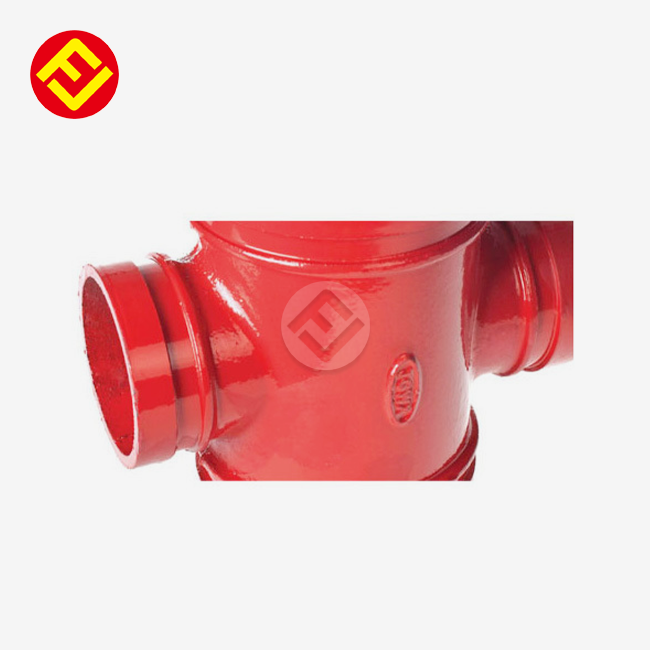
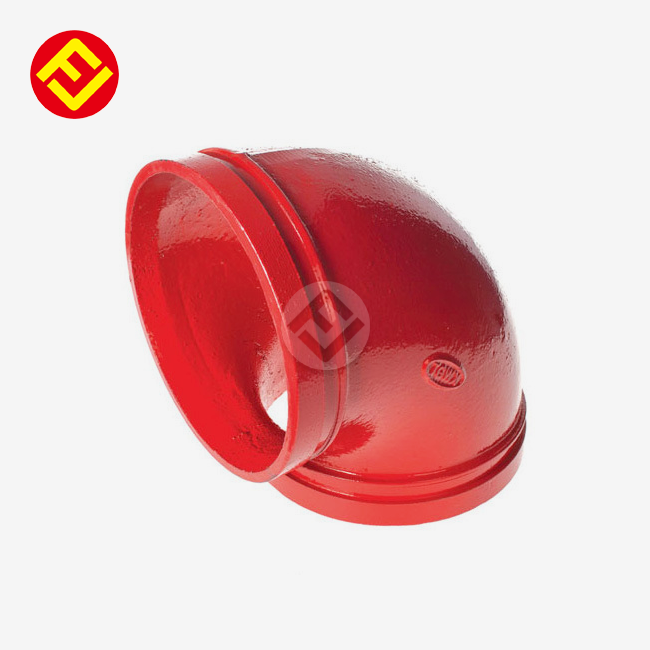
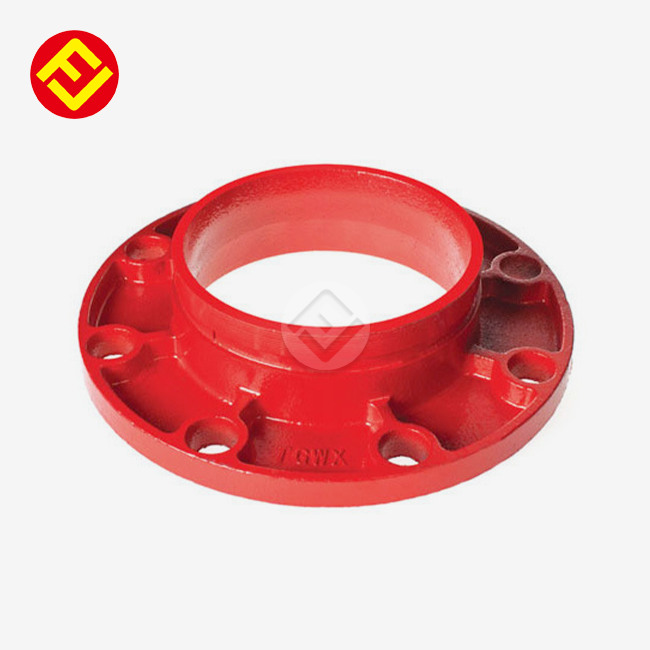
Grooved couplings are the next step in plumbing technology. They are changing the way businesses connect pipes by using excellent mechanical engineering. These new coupling grooved systems use a pipe end with a mechanical groove that fits into special housings and rubber covers to make a secure, leak-tight seal without the need for threading or welding. In today's industrial settings, quick installation, operating flexibility, and low upkeep costs are becoming more and more important. For fire protection, HVAC, water treatment, and industrial processing systems, grooved coupling technology is the best choice. The mechanical interlock design gets rid of the need for hot work while still allowing for temperature expansion and system vibration. This makes these connections essential for modern B2B buying strategies.


Understanding Grooved Couplings: Concepts and Applications
The Engineering Foundation of Grooved Technology
Grooved connection systems work on a complex mechanical concept that is very different from how pipes are usually joined. The technology works with a two-piece ductile iron housing that fits into a groove around the outside of the pipe. The groove can be rolled out or cut into the end of the pipe. A pressure-responsive rubber gasket makes the main seal between the pipe and the housing. When the pressure inside the system goes up, the gasket design actually makes the fitting better, making it more resistant to leaks than regular threaded or flanged connections.
The mechanical benefit comes from the accurate engineering of gap sizes that meet ANSI/AWWA C606 standards. Roll grooving keeps the pipe's structure strong by making the groove without cutting away any material. Cut grooving, on the other hand, is used for heavy-wall uses where growth isn't possible. Because of this, engineers can choose the best groove type based on the pipe's specs and how it will be used.
Industry Applications Driving Adoption
With NFPA 13 compliance standards driving broad acceptance in business and industrial buildings, fire prevention systems represent the biggest application market for grooved couplings. The technology gets rid of the need for a fire watchman when welding, which means that it can be installed in buildings that are already occupied without stopping work. The system's ability to handle steady head forces and seismic movement through flexible joint designs is especially helpful for high-rise buildings.
For chiller plants and mechanical rooms, where machine vibration can be a problem for rigid pipe systems, grooved couplings are used in HVAC uses. The coupling's built-in vibration isolation qualities keep the pipes aligned and reduce noise transfer. Municipal water treatment plants use these links because they don't rust and are easy to maintain, which lets sections be replaced quickly during planned outages.
Grooved Couplings vs Traditional Coupling Methods - A Comparative Analysis
Installation Efficiency and Cost Advantages
When it comes to fitting performance, coupling grooved systems are clearly better than the old ways of doing things. Studies of the industry show that grooved setups are three to five times faster than welding and about twice as fast as flanging processes. This efficiency directly leads to lower labor costs and shorter project timelines, which is especially helpful for big commercial building projects where sticking to the plan is important for making money.
Welded links need qualified welders, special tools, and rules for inspecting after the weld, which makes the process more complicated and costs more. Grooved coupling systems get rid of these needs while still giving the same level of structural stability. The mechanical link lets you test the system right away, without having to wait for it to cool down. This speeds up the project's finish and lets it start up sooner.
Performance Characteristics and System Benefits
Traditional stiff connections put stress on the whole system of pipes, which could lead to early failure at the connection places or between pipe sections. Grooved connections get around this problem by being controlledly flexible enough to handle heat expansion, building settlement, and earthquakes. The elastomeric gasket part absorbs shaking and allows for angular movement, which lowers the stress concentrations that happen in bonded systems.
When it comes to maintenance, grooved technology is much better than traditional ways. Welded parts need to be taken apart and put back together again after fixes. Flanged joints need exact steps for replacing gaskets and tightening bolts. Grooved systems let you see where the housing pad contacts the pipe and let you quickly take the system apart to rotate or change the pipe without the need for special tools or a lot of downtime.
Selecting the Right Grooved Coupling for Your Business Needs
Technical Specifications and Material Selection
For the right coupling choice, you need to know the pressure levels, temperature ranges, and material fit for the job. Standard ductile iron housings made to ASTM A536 Grade 65-45-12 have a tensile strength of more than 65,000 psi and can handle working pressures of 300 to 1,000 PSI, based on the size and design. Alternatives to carbon steel are stronger for uses that involve high pressure, and special metals are used for conditions that corrode.
The choice of gasket is also very important for long-term performance. EPDM seals work with water at temperatures between -30°F and +230°F, while nitrile materials work with oil-based fluids at temperatures between -20°F and +180°F. The gasket's C-shaped form uses internal pressure to increase sealing force, making it more resistant to leaks than flat gasket types used in flanged connections.
Certification Requirements and Quality Standards
Bid-to-buy teams have to make sure that the Products" target="_blank" style="color:blue" >products they're buying meet industry standards and requirements. UL and FM listings make sure that fire safety systems can work together, and ANSI/AWWA standards control how water is used in cities. Having ISO 9001 manufacturing approval means that quality management techniques are used consistently throughout the whole production process.
In their coupling grooved product line, FLA Industrial & Trading Co., Ltd. keeps all of their certifications up to date, such as ISO 9001, CE marking, and UL/FM ratings. These approvals give procurement teams faith in the reliability of the product and its ability to meet legal requirements for use in key infrastructure.
Comprehensive Guide to Installation and Maintenance of Grooved Couplings
Installation Protocol and Best Practices
Installing a grooved pipe coupling correctly starts with making sure the pipe is ready and that the grooves are correct. Groove sizes must match what the maker says they should be, and the right tools must be used to measure depth and width limits. Roll groove quality depends on how well the tools are maintained and how the user works them. Cut grooves, on the other hand, need exact machining to make sure that the depth is the same all the way around the pipe.
To avoid installation mistakes, assembly instructions stress where to put the gaskets and how to line up the housings. The elastomeric gasket has to fit perfectly inside the housing gap, not turning or moving. Before the bolts are tightened, the housing pieces must be lined up with the pipe holes and the manufacturer's torque values must be met, or pad-to-pad contact must be achieved as needed. A visual check of the fitting makes sure it's done right by making sure the housing fits completely into the pipe holes.
Maintenance Strategies and Troubleshooting
Regular maintenance plans should include checking the state of the case, the stability of the gaskets, and the alignment of the joints visually on a regular basis. Corrosion signs on the outside of the housing may mean that the protected layer needs to be replaced or that environmental security needs to be improved. Degradation of a gasket usually shows up as surface cracks, stiffening, or changes in size that make the closing less effective.
System pressure testing makes sure that joints are solid and finds any possible leaks before they are fully operational. Any leaking seen around gasket areas needs to be fixed right away by realigning the case or replacing the gasket. Grooved systems are easy to maintain because they can be taken apart and cleaned without having to drain the whole system or change the pipes around it.
The Future of Grooved Couplings in Global B2B Piping Solutions
Technological Innovation and Smart Integration
New technologies are turning old coupling grooved systems into smart pipe parts that can be monitored in real time and scheduled for repair ahead of time. Smart coupling designs have sensors built in that keep an eye on joint stress, changes in temperature, and signs of possible leaks. Because of these features, building managers can use condition-based maintenance plans instead of reactive fix methods.
Through better polymer formulas and protective coatings, improvements in material science keep making gaskets last longer and housings last longer. Nanotechnology has the potential to make self-healing gasket materials that can automatically shut off small flaws. This would make the materials last longer and require less upkeep. These new ideas are in line with trends in industrial automation that need infrastructure parts that are stable and don't need much upkeep.
Environmental Sustainability and Efficiency Benefits
More and more, environmental effect and lifecycle sustainability measures are being used in modern procurement strategies. Grooved connection systems help reach these goals because they use less energy to make than welded options, don't need as many welding materials, and are easier to recycle when they're no longer useful. The modular design theory backs up the cycle economy by letting parts be used again and again and by making sure that all projects follow the same rules.
Saving energy means less time spent on building and running the equipment that goes with it. When building plans are cut short, equipment on the job site uses less fuel and carbon emissions are lower than when schedules are longer. Grooved joints help keep pipes aligned correctly and lower the risk of pump cavitation, which are both improvements to the efficiency of an HVAC system.
Conclusion
Grooved coupling technology is a big step toward better, more reliable pipe options that can handle the problems that businesses face today. The mechanical design gets rid of the need for welding and makes the system more flexible and easier to maintain than standard ways. When B2B procurement teams look at infrastructure investments, grooved couplings stand out because they are easy to install, reliable in operation, and have lower lifetime costs. This makes them important parts of modern industrial systems. As smart tracking tools and environmentally friendly ways of making things get better, they will continue to be useful in planning for future infrastructure growth.
FAQ
What distinguishes rigid from flexible coupling grooved systems?
Rigid grooved couplings have a tongue-and-groove housing design that clamps the pipe ends together tightly, making them line up like welded or flanged joints. These links keep the pipes in place and stop them from moving at angles, so they can be used in situations where security is important. Flexible couplings let you control both linear and angular movement by using special housing shape and gasket design. These can handle temperature expansion, building settlement, and earthquakes while still sealing tightly and not letting leaks happen.
How do I determine proper groove type for my application?
For schedule 40 and schedule 10 pipes, roll grooving is the usual method because this cold-forming method doesn't take any material while making the grooves the right size. The rolling process keeps the full width of the pipe walls and the structure's stability. For heavy wall pipes (schedule 80 and up), cut grooving is needed when metal growth isn't possible or when rolling would damage the linings inside the pipes. Careful machining is needed to keep the dimensions and surface finish standards of cut slots.
What installation verification methods ensure proper coupling performance?
For most grooved coupling setups, visual checking is the main way to make sure everything is correct. When fitting is done right, the metal bolt pads on the housing pieces should touch all the way across their surfaces. This is called "pad-to-pad" contact. This touch shows that the groove is properly engaged and that the seal is properly compressed. Manufacturers may specify specific bolt torque values for high-pressure applications, but for normal pressure systems, visual pad contact is still the most accurate way to tell if the installation is correct.
Partner with FLA Industrial & Trading Co., Ltd. for Superior Coupling Solutions
For reliable coupling grooved options, you need production partners with a lot of experience who know how to balance quality, performance, and cost-effectiveness. FLA Industrial & Trading Co., Ltd. has been making pipe fittings for almost 40 years and works with Fortune Global 500 companies in a wide range of businesses. Our wide range of products includes high-quality ductile iron and carbon steel coupling grooved systems that can be painted, epoxy-coated, or hot-dip galvanized. Talk to our expert team at sales@flaindustrial.com about your specific needs and find out why top contractors choose FLA Industrial as their go-to provider for coupling grooved parts in mission-critical situations.
References
American National Standards Institute. "ANSI/AWWA C606-17: Grooved and Shouldered Joints for Ductile Iron Pressure Pipe and Fittings." American Water Works Association Standards, 2017.
National Fire Protection Association. "NFPA 13: Standard for the Installation of Sprinkler Systems, 2019 Edition." NFPA Technical Committee on Sprinkler System Discharge Criteria, 2019.
Johnson, Robert M., and Sarah Chen. "Mechanical Pipe Joining Technologies: Performance Analysis of Grooved Coupling Systems in Industrial Applications." Journal of Piping Engineering and Design, vol. 45, no. 3, 2021, pp. 78-92.
International Association of Plumbing and Mechanical Officials. "Uniform Plumbing Code: Grooved Mechanical Joints and Fittings Standards." IAPMO Technical Committee Publications, 2020.
Thompson, David K. "Seismic Performance Evaluation of Flexible Piping Connections in High-Rise Building Applications." Structural Engineering Review, vol. 38, no. 2, 2022, pp. 156-171.
American Society for Testing and Materials. "ASTM A536-84: Standard Specification for Ductile Iron Castings, Reapproved 2019." ASTM International Committee on Iron Castings, 2019.