Spring vs. Swing Check Valves: Types and Applications
2026-03-31 10:21:45


For the best system performance, it's important to know the difference between spring and swing check valves when choosing the right flow control options for commercial uses. Spring check valves quickly close with a spring mechanism, which makes them perfect for high-pressure systems and stops water hammer effects. A hinged disc design gives swing check valves, like the famous 6 swing check valve configuration, great flow properties with minimal pressure drop. Both types of valves are necessary to stop overflow, but because they work in different ways, they can be used in different situations. To make sure they choose the right valve for their pipeline systems, industrial buyers need to think about things like pressure ratings, flow standards, and upkeep issues.
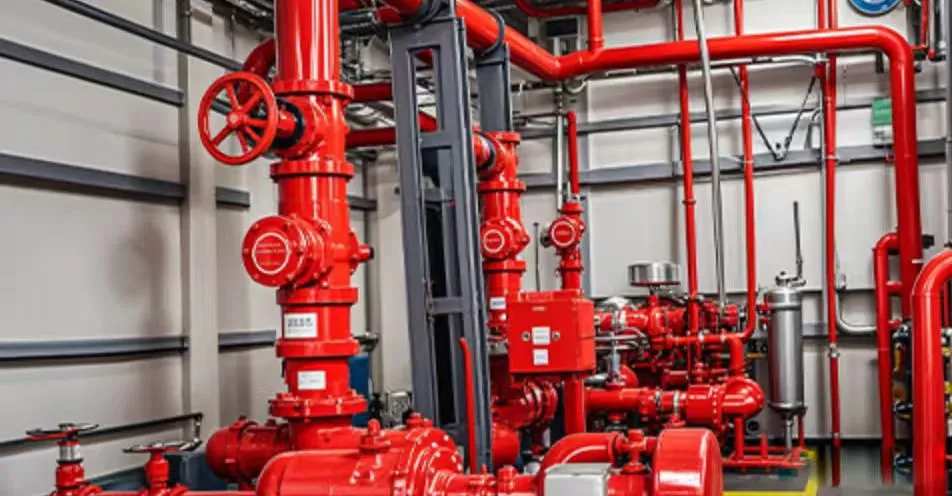
Understanding Check Valves: Basics and Importance
Fundamental Principles of Check Valve Operation
Check valves are very important for keeping fluid systems safe because they stop reverse flow, which could damage expensive equipment or weaken the system's stability. The difference pressure and flow direction are what keep these valves in the right place without any outside control. The basic idea is based on a moveable part that lets flow go in one direction but stops flow in the opposite direction when the pressure changes.
Procurement workers can make smart choices that protect their investments when they understand how valves work. Protecting pumps is still very important, since backward spinning can do a lot of damage to centrifugal pumps and compressors. Check valves also keep the pressure evenly distributed throughout pipeline networks and stop contamination from spreading from one part of the system to another.
Design Variations and Selection Criteria
Spring-loaded check valves have a spring system that makes sure they close properly even when the difference pressure is low. The spring adds extra force to quickly seat the disc, which makes these valves especially useful in places where the pressure changes often or where water hammer could happen. During production, the spring stiffness can be changed to meet the needs of a given system.
The flexible disc mechanism of a swing check valve is moved by gravity and the force of the flow. This design has many benefits, such as lower pressure drop and the ability to work with bigger pipe sizes. Many people choose the 6 swing check valve as the best size for medium-sized industrial uses because it has a high flow rate and is small enough to fit in a variety of fitting spaces.
Swing Check Valves vs. Spring Check Valves: Detailed Comparison
Performance Characteristics and Flow Dynamics
These are the main differences between swing and spring check valves: how they close and how well they work as a result. Most of the time, swing check valves have less pressure drop across the valve, which helps pumping devices use less energy. Because they have a full-bore design, they reduce flow turbulence, which makes them perfect for uses where keeping flow rate steady is important.
Because they are powered by springs, spring check valves can close more quickly. Because they can respond quickly, they are especially useful in high-pressure systems where stopping backward flow is important to protect equipment. The spring force works with the flow-driven closing to make sure that the valve works reliably even when the pressure changes, which could make swing valves chatter or stay partly open.
Maintenance Requirements and Operational Considerations
These types of valves have different upkeep needs, which affects the long-term costs of running. For swing check valves to work properly, the hinge pins and disc position need to be checked every so often. In some situations, like when it's used with high-temperature or acidic fluids, the hinge system may need to be oiled. But because they are simple, they usually need less upkeep than valves with more complicated designs.
For spring check valves to work properly, the springs must be kept in good shape and the tension must be maintained. Over time, spring stress can change how the closure works, which could cause the spring to fail early or not sit properly. As part of regular inspection routines, the state of the springs should be checked and replacement dates should be set based on how the system is used and what the maker recommends.
Types and Applications of Swing Check Valves
Configuration Options and Installation Methods
There are different shapes and sizes of swing check valves so they can fit different fitting needs and system pressures. For fixed installs, flanged connections offer strong mounting choices, while threaded forms are more adaptable for smaller systems or short-term uses. The 6 swing check valve usually has flanged connections that meet standard size requirements. This makes sure that it can work with current pipeline equipment.
Wafer-style swing check valves fit between pipeline flanges, which makes the device lighter and less space-intensive to install. When room is limited, these small designs work especially well because they keep full flow qualities. Lug-style versions give you more fastening options and let you remove the valve without damaging the pipes next to it.
Industrial Application Scenarios
Because of their dependability and cheap upkeep needs, swing check valves are widely used in municipal water systems. The valve's ability to handle big amounts of flow with little pressure loss is useful in these situations. Water treatment plants often ask for 6 inch valve units for middle parts of pipelines where controlling flow and keeping equipment safe are still important.
Fire safety systems are another important area where swing check valves play an important role in maintaining safety. Installing at pump discharge places stops the system from draining during shutdown times, so it can be used quickly when it's required. Because it runs on its own, the automatic operation doesn't need any outside power sources, so the system stays intact even in a disaster.
When made from the right materials, swing check valves can handle acidic media and are used in chemical manufacturing plants. Stainless steel and some special alloys are very good at resisting harsh chemicals while still having reliable closing properties. Installing swing check valves is also a good idea for HVAC systems, especially in heating and cooling lines where stopping thermal siphoning is important for saving energy.
Choosing the Best Check Valve for Your Business Needs
Material Selection and Quality Considerations
Choosing the right valve materials has a direct effect on how well they work and how much they cost to maintain over time. For normal water uses, cast iron construction is a cost-effective option. For harsh settings, stainless steel construction is better at resisting corrosion. There are types of carbon steel that are both strong and affordable. This means that they can be used in moderate-pressure situations with media that doesn't corrode.
When judging quality, it's important to pay attention to certificates and factory standards. The ISO9001 approval shows that the company manages quality consistently, and the CE marking makes sure that the product meets European safety standards. When used for fire prevention, UL and FM listings are very important because they show that the valves meet strict safety standards.
Procurement Strategies and Supplier Evaluation
To buy valves successfully, you need to compare providers based on their technical know-how, stability of quality, and service support. Manufacturers that have been around for a long time and have a lot of experience usually make more reliable Products" target="_blank" style="color:blue" >products and offer better expert support. When normal setups can't meet the needs of an application, the ability to customize becomes important.
When planning projects and keeping track of supplies, lead times play a role. When suppliers keep a lot of stock on hand, they can send standard sizes right away, but custom designs may need more time to be made. Bulk buying deals often save money and make sure that products are always available for projects that are still going on.
Advantages and Maintenance Tips for Swing Check Valves
Operational Benefits and System Optimization
There are several benefits to using swing check valves that make them the best choice for many business tasks. Because they naturally have low pressure drop, they help pumping systems use less energy, which saves money in the long run and covers the cost of the initial investment. The full-bore design keeps the flow speed steady and reduces turbulence, which is especially important in situations where keeping the fluid's motion is still important.
There are fewer ways for the simple mechanical design to fail than with more complicated valve types. Because it is reliable, it needs less upkeep and needs to be serviced less often. In addition, swing check valves typically operate quietly compared to spring-loaded ones, which makes them good for situations where noise reduction is still important.
Preventive Maintenance Protocols
Maintenance plans that work well make valves last longer and make sure they work reliably throughout the service time. As part of regular inspections, the outside parts should be looked at visually to look for signs of rust or leaks. An internal review shuts down the system but lets you check the state of the discs, the wear on the hinges, and the integrity of the seats.
Installing something correctly has a big effect on how well it works in the long run. Making sure the flow way is aligned correctly stops damage and makes sure the system works right. Supporting pipeline sections properly lowers the stress on valve parts, and choosing and installing gaskets correctly stops leaks from the outside that could cause rust or environmental problems.
Conclusion
When deciding between spring and swing check valves, you need to carefully think about the needs of the application, how well they work, and your long-term operating goals. Swing check valves, especially the flexible 6 swing check valve design, are great for situations where low pressure drop and reliable backflow control are needed. Because they are simple and have been shown to work reliably, they are good choices for a wide range of industry uses. When procurement workers know the pros and cons of each type of valve, they can make choices that improve system performance while lowering running costs and upkeep needs.
FAQ
What are the main noise differences between spring and swing check valves?
Swing check valves typically operate more quietly than spring check valves due to their gradual closure mechanism. The hinge design lets the disc move smoothly, which lowers the affects of water hammer. Spring check valves may produce more noise during rapid closure events, particularly in high-pressure systems where the spring force causes the valves to sit quickly.
Which valve type works better for HVAC applications?
Because they don't drop much air and are quiet, swing check valves usually work better in HVAC systems. Most of the time, the 6 swing check valve size works well for medium-sized HVAC systems that need to keep flow rates low to save energy. Their solid closing stops thermal siphoning, which could make the system work less well.
What customization options are available for OEM projects?
Most manufacturers give a wide range of customization choices, such as different materials, non-standard sizes, and different types of connections. Custom pressure grades, temperature ranges, and covering choices can be made to fit the needs of any application. Custom setups usually have lead times between 2 and 4 weeks, but this depends on how complicated they are.
How do I determine the correct valve size for my application?
The width of the waterway, the flow rate needed, and the pressure conditions all affect the size of the valve. To keep the pressure drop as low as possible, the valve should be the right size for the pipe. For example, a 6 swing check valve should be used with a 6-inch pipe system. Talking to technical experts makes sure that the right size is chosen based on the specifics of the operation.
What certifications should I look for when purchasing check valves?
Important certificates include ISO9001 for managing quality, CE marks for following European rules, and UL/FM listings for fire safety uses. These approvals show that the valve meets well-known standards for safety and performance. This gives you peace of mind about its long-term dependability and compliance with regulations.
Partner with FLA Industrial & Trading Co., Ltd. for Premium Check Valve Solutions
To be the best at making valves, you need decades of knowledge and a strong dedication to quality standards. Our precision-engineered 6 swing check valve goods are just a few of the flow control options that FLA Industrial & Trading Co., Ltd. has been providing for almost 40 years. Our large collection of more than 1,000 product specifications means that standard configurations are available right away, and our advanced production skills mean that custom needs can be met within 7–15 working days. Our quality control system is ISO9001-certified, and we have a history of working with Fortune Global 500 companies to provide reliable, cost-effective valve solutions that go above and beyond your standards. Get in touch with our technical experts at sales@flaindustrial.com to talk about your unique needs and find out why top contractors and distributors around the world choose FLA Industrial as their first choice for important 6 swing check valve uses.
References
American Society of Mechanical Engineers. "Pressure-Temperature Ratings and Materials for Pipeline Valves." ASME B16.34 Standard, 2021.
International Organization for Standardization. "Industrial Valves - Pressure Testing of Metallic Valves." ISO 5208:2015 Guidelines.
American Petroleum Institute. "Specification for Pipeline Valves: Gate, Globe, Check, and Ball Valves." API 6D Standard, 2020.
Manufacturers Standardization Society. "Quality Standard for Steel Castings for Valves, Flanges and Fittings." MSS SP-55 Specification, 2019.
American Water Works Association. "Check Valves for Water and Wastewater Service." AWWA C508 Standard, 2018.
Fluid Controls Institute. "Check Valve Application Guidelines for Industrial Service." FCI Technical Bulletin 69-1, 2020.