Heavy Pipe Wrench Applications: Unlocking the Surprising Facts
2026-05-22 15:26:42


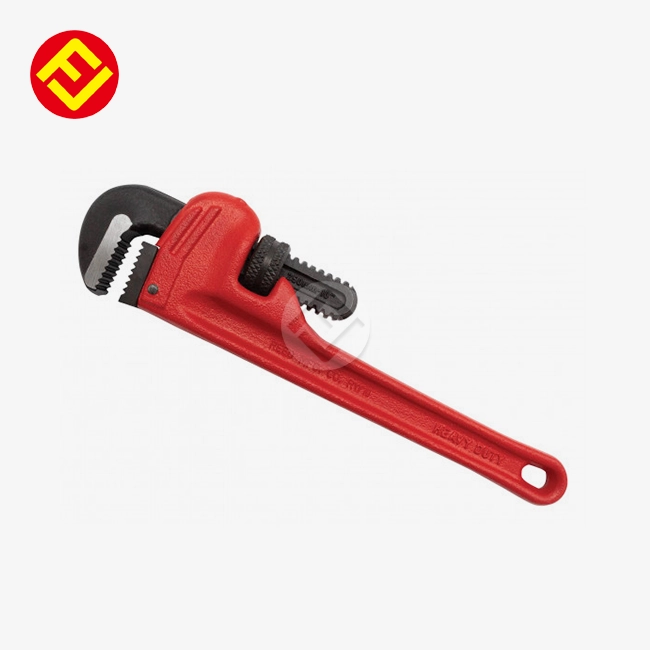
The heavy pipe wrench is one of the most important tools for industrial work. It is a worker that can't be done without in tough conditions. This special hand tool is the best choice for workers in the plumbing, building, oil and gas, and industrial maintenance industries because it can grip and torque large-diameter pipes very well. Unlike regular wrenches, these strong tools have jaws that tighten on their own as more force is applied. This keeps them from slipping on pipe surfaces that are rusted, slippery, or rounded, which can happen during high-stakes operations.


Understanding Heavy Pipe Wrenches and Their Core Applications
The Engineering Behind Superior Grip
A professional-grade pipe wrench is built around a full-floating hook jaw system that wedges the pipe while it is being used. When you press down on the handle, the serrated jaws bite deeper into the workpiece, making a strong link even on areas that have been worn down over time. This system makes these tools different from regular adjustable wrenches and explains why you can't use anything else when you need to apply a lot of force.
At FLA Industrial, our heavy pipe wrench has cast alloy steel teeth and a ductile iron handle that are made to withstand the high forces that are common in industrial settings. A special heat treatment process keeps the jaw teeth at HRC 55-60 hardness so they don't wear down easily, and it keeps the shank tough so it doesn't break completely when it's loaded.
Critical Applications Across Industries
One of the most popular uses for these tools is to put in plumbing. It's very helpful to be able to hold pipes that are anywhere from 1 inch to several inches in diameter when working on water supply systems, sewer networks, or fixture connections in business buildings. The self-cleaning thread design keeps dirt from building up, so the machine keeps working well even during long shifts.
For oil and gas work, you need tools that can maintain pipelines, put together valve systems, and install equipment in plants where failure is not an option. The covering on good wrenches that doesn't rust shields them from the harsh chemicals and environments that are common in these places. On drilling rigs, workers depend on these tools to make and break out links quickly, and how reliable they are has a direct effect on how much work they get done.
When working on HVAC systems, fire prevention networks, and mechanical room setups, builders need to use safe pipe fittings that follow strict safety rules. Site managers and project engineers use heavy-duty tools because they have the torque needed to make sure the seal is tight enough without damaging the threads or fittings.
These tools are used by industrial maintenance teams to keep machines running smoothly, fix broken equipment, and build new facilities. They are especially useful when they need to connect pipes that can handle high pressure, shaking, and changes in temperature. The ergonomic handle design keeps techs' hands from getting tired during long repair sessions. This lets them work quickly without putting safety at risk.
Safety Practices That Protect Your Team
The right way to choose tools starts with matching the wrench size to the pipe width. The size number refers to the length of the handle. An 18-inch model can usually handle pipes up to 2 inches in diameter, and a 24-inch model can handle pipes up to 3 inches in diameter. When you use tools that are too small, you could slip and hurt yourself, and when you use tools that are too big, you can't control them in tight areas.
Adjusting the jaws needs to be done carefully before each use. The hook jaw should be able to turn easily and not move too far to the side. If it does, it means the pivot pins are worn or the frame is stretched. These problems are found during regular inspections, before they get worse and make it harder to hold on to things during important activities.
A lot of workers using a heavy-duty pipe wrench try to get more force by connecting pipe extensions to handles, which goes against the rules and can bend handles or break jaw pins. It is safe for both the tool and the person using it to follow the manufacturer's power values. For when extra force is needed, choosing a bigger wrench size is the best option instead of experimenting with extensions.
Size, Materials, and Maintenance: Ensuring Optimal Performance
Choosing the Right Size for Your Applications
Purchasing managers can make better tool stocks if they know how the length of the handle affects the size of the pipe it holds. For example, 14-inch wrenches are good for plumbing in homes and light commercial work with pipes up to 1.5 inches in diameter; 18-inch wrenches are good for general construction and maintenance work on 2-inch pipes; 24-inch wrenches are good for heavy-duty commercial plumbing and industrial piping up to 3 inches; and 36-inch and larger wrenches are used for specific tasks in refineries and processing plants that work with large-diameter pipelines.
Size selection is affected by more than just meeting the pipe width. Project needs and workspace limitations play a role as well. For overhead work, lighter metal types that make operators less tired are better, even though they usually cost more to buy. Small versions are needed in confined areas like mechanical rooms or under floors, but bigger tools that can handle more power can be used in open industrial settings.
Material Selection and Performance Characteristics
Choosing between ductile iron and aluminum metal handles has a big effect on how well the tool works and how much it costs. Building with ductile iron that meets ASTM A536 standards lasts the longest and usually costs less at first. These classic designs work great for repair shops that don't move and other places where strength is more important than weight.
Versions made of aluminum alloy are about 40% lighter than versions made of iron, but they still have the same power values according to ASME standards. This weight loss directly leads to higher productivity during overhead setups, longer work sessions, and moving from one job site to another. The higher costs of materials and production show up in the prices, but many workers think the benefits to their health make the investment worth it.
The stuff in the jaws should be treated the same way. Differential induction hardening is used to make drop-forged chromium-molybdenum or chromium-vanadium alloy steel lips as hard as possible on the teeth while keeping the body tough. This mechanical balance stops both early wear and breaking into small pieces when shock loads are applied.
Maintenance Protocols That Extend Tool Life
Setting up regular repair processes will protect your equipment investment and make sure it works well. Cleaning the jaw surfaces and adjustment mechanisms of dirt at the end of each work shift keeps them from building up and making the machine less smooth. A wire brush is a good way to get rid of pipe scale and thread glue that has built up.
Lubrication is very important for keeping adjustments smooth and stopping rust. Every couple of weeks, put some light machine oil on the threads of the jaw hinge pin and adjustment nut to keep the mechanisms moving easily. Corrosion-resistant finishes are better off when stored in dry conditions, but good tools can handle being wet sometimes without breaking down.
In places with a lot of use, jaws should be checked once a month. If your teeth are flattened or rounded, it's time to get new ones because teeth with bad shape can slip during operation. If there are hairline cracks near the jaw shank, the tool must be taken out of service right away so that it doesn't suddenly break under load. Having new jaws on hand cuts down on downtime when they need to be replaced.
The adjustment system of a heavy pipe wrench needs to be checked on a regular basis to make sure it keeps working right. When the adjustment nut's threads wear out or build up, it can make the jaws stick or not position correctly. Taking these parts apart, cleaning, and lubricating them once a year keeps the tool running smoothly for as long as it's used.
Comparing Heavy Pipe Wrenches with Alternative Tools: Making Informed Decisions
Heavy Pipe Wrenches Versus Standard Alternatives
Procurement workers can choose the best tools for their jobs by knowing the differences between the different types of tools. Standard pipe wrenches also have jaws that tighten themselves, but they are made of lighter materials and are better for home plumbing and small business work. The thinner material and smaller cross-sections of the handles make them less torque-capable, so they can't be used in industrial settings with frozen connections or large-diameter lines.
The jaws of a monkey wrench are horizontal, so they can grip flat surfaces instead of round pipes. They work well with hexagonal nuts and square stock, but they don't self-tighten like pipe wrenches do, which makes them less useful for cylindrical workpieces. The parallel jaw design changes how force is distributed, so you need a lot more hand strength to get the same holding power.
Adjustable wrenches with smooth jaws work well for tightening nuts and bolts but are easy to lose grip on pipes, especially ones that are rusted or dirty. Since there are no sharpened teeth, there is no mechanical bite that is necessary for a pipe wrench to work. When flexible tools are used on pipes, they often damage fittings and round off the pipe surfaces instead of letting them be put together or taken apart properly.
Chain wrenches are useful in some situations, especially when dealing with lines that have thin coats or plating that would get damaged by the serrated jaws. The chain spreads the force over a larger contact area, but compared to standard jaw designs, this setup can't handle as much pressure. Chain wrenches are useful for tasks that involve chromed or painted pipes.
Lightweight Models Versus Heavy-Duty Construction
Choosing the right tool for the job depends on how well it can be moved around and how much power it needs. Lightweight metal designs work best when tools need to be moved around a lot, when work needs to be done high, or when operator fatigue directly affects productivity. Even though they cost more, electricians, HVAC technicians, and home plumbers often choose these types.
Heavy-duty ductile iron construction works well in repair shops that stay in one place, factories, and other places where maximum torque capacity is more important than transport. The extra mass actually helps with some tasks by giving motion while badly stuck connections are first being loosened. In processing plants and factories, these strong models are usually chosen by maintenance managers.
Weight issues are more than just an issue of user comfort. Less weight on tools used from ladders, platforms, or overhead lifts makes them easier to balance and less likely to fall. On the other hand, working on the ground in equipment rooms lets you use heavy tools that last longer without putting safety at risk.
Performance Comparison of Leading Models
The market for industrial tools in 2024 has a lot of choices from well-known brands, and each one has its own unique qualities. Quality wrenches that meet the standards of US Federal Specification GGG-W-65IE and ASME B107.100 work reliably, but different names have different features.
Large numbers of people know that Ridgid models are good because their I-beam handle design makes them stronger while keeping the price low. Professionals who are short on time appreciate how the full-floating hook jaw system lets them grab and release instantly. Their wide range of sizes makes them suitable for most industry uses.
Crescent tools have unique red metal finishes and are known for always checking the quality. Their jaw teeth are shaped in a way that stresses the first bite. This makes them especially good for corroded lines, where other brands might slip. The slightly higher price is due to more precise making, which means the product will last longer.
Milwaukee has come up with new ideas for the heavy-duty pipe wrench, like overmolded grip zones that make long-term use more comfortable. Their focus on ergonomics makes them appealing to builders who are worried about teams getting injuries from repetitive stress. The higher price shows both the high quality of the materials and the careful design details.
Procurement Guide for Heavy Pipe Wrenches: Buying Smart for Your Business Needs
Sourcing Strategies for B2B Buyers
Building partnerships with makers that can offer a wide range of SKUs, reasonable pricing, and uniform quality across all product lines is good for hardware dealers and tool suppliers. When you deal directly with a maker, you can usually get better unit prices on large orders and get technical help and the ability to make changes.
Online business-to-business (B2B) platforms make it easy to compare prices and find many sellers, but it takes time to make sure that quality standards are met. By asking for ISO9001 and CE certifications, you can be sure that makers have recorded quality control systems. Material approvals for ductile iron and alloy steel make sure that the metallurgical specs match the performance characteristics that were mentioned.
Local industrial distributors have benefits like being able to provide instant access, established warranty service, and expert advice from staff with a lot of experience. When equipment breaks down and project deadlines are at risk, same-day pickup is very helpful. By forming agreements with nearby distributors, you can get solid backup sources in addition to your direct relationships with manufacturers.
OEM direct buying works best for businesses that have specific technical needs or volume promises that make custom manufacturing necessary. This method gives you the most power over the requirements, the supplies, and the quality control processes. Companies that work in specialized fields, like chemical processing or remote drilling, often look for OEM ties to get tools that meet their specific performance or legal needs.
Key Considerations During Tool Selection
Ergonomic design features have a direct effect on how productive operators are and how healthy they are in the long run. The non-slip areas on the handles keep your grip even when you're wearing gloves or your hands are dirty. Pressure spots that hurt after long use are less likely to happen with contoured forms. More and more, purchasing managers are realizing that small price increases for comfortable designs pay off in lower accident rates and happier workers.
Warranty programs show that the company that made the product is confident in its durability and protect buyers' investments. Comprehensive guarantees that cover both material flaws and poor workmanship for at least a year are a sign of good building. Figuring out the real service value is easier when you know the difference between guarantee terms for normal wear items like teeth and structural parts.
There are more perks to ordering in bulk than just lower unit prices. Buying in bulk usually comes with free shipping, longer payment terms, and first dibs on production schedules. By working out inventory management deals with suppliers, you can lower your carrying costs and make sure that the supply of tools fits the project cycles.
When making the first purchase choice, you should think about how easy it is to get replacement parts. The total cost of ownership is higher for tools that use unique parts that need longer wait times to be replaced than for models that use standard parts that can be easily sourced from many places. Checking to see if parts are available before committing to a brand guards against supply problems in the future.
Conclusion
Because of its strong construction and special self-tightening jaw mechanism, the heavy pipe wrench is still an important tool in the plumbing, building, oil and gas, and industrial maintenance fields. Choosing the right sizes, materials, and features based on the needs of the application guarantees the best performance and longest life. Procurement workers can make better choices that balance capability, cost, and comfort when they know the differences between different tools. When you work with experienced makers like FLA Industrial, you can get access to high-quality goods, technical know-how, and the ability to customize them in ways that help your business run more efficiently. Proper upkeep and following safety rules protect both the tools and the health and safety of the workers. Even as the needs of industry change, these basic tools will still work reliably because they were carefully designed and made.
FAQ
What distinguishes a heavy-duty model from standard versions?
A heavy pipe wrench is made of ductile iron that meets ASTM A536 standards. They also have I-beam handle designs that make them stronger than smaller types made of cast iron or aluminum. The hook jaw device is made of drop-forged alloy steel that has been treated with different amounts of heat to make the teeth HRC 55-60 hard. These requirements make it possible for the tools to handle high-torque tasks, even when leverage extensions are used incorrectly, without breaking. Standard types are good for home and light business use, but they don't have the right metalworking qualities or dimensional stability for industrial settings where connections often break and high forces happen all the time.
How do I determine the correct wrench size for my pipe diameter?
The length of the handle determines the wrench's size, not the width of the jaws, which is related to the largest pipe capacity. A 14-inch wrench can usually handle pipes that are up to 1.5 inches in diameter. An 18-inch wrench can handle pipes that are 2 inches in diameter, a 24-inch wrench can handle pipes that are 3 inches in diameter, and so on. Besides just matching the diameters, you should also think about the room you have and the power you need. In confined spaces, small tools are needed, but in open industrial settings, bigger models that make the most of force can be used. Buying one size bigger than what is needed gives you more practical freedom and less stress during tough applications.
What maintenance procedures extend tool lifespan?
Regular cleaning gets rid of pipe scale and thread glue that gets in the way of the jaws working. Once a month, put light machine oil on the adjustment threads and hinge pins to keep them running smoothly and stop rust. Check the teeth in the jaw for flattening or rounding, and replace the jaws when the tooth shape is lost. To protect surfaces that don't rust, keep tools in a dry place. Disassembling and cleaning the adjustment parts thoroughly once a year keeps them from getting clogged with dirt and dust. These simple steps will greatly increase the service life while keeping the gripping performance solid.
Partner with FLA Industrial & Trading Co., Ltd. for Your Heavy Pipe Wrench Needs
Looking for a heavy pipe wrench maker you can trust that offers both quality and a competitive edge? FLA Industrial & Trading Co., Ltd. has been making high-quality Products" target="_blank" style="color:blue" >products for almost 40 years and serves hardware stores, building companies, and industry maintenance teams in the US and around the world. Our production facilities are ISO9001 and CE approved, and they use cutting edge casting, machining, and heat treatment methods to make tools that meet the strictest requirements. We have over 1,000 product specifications and reliable partnerships with Fortune Global 500 companies, so we can give your business the technical know-how and supply chain stability it needs. Email our team at sales@flaindustrial.com to talk about your particular needs, look into custom solutions, or get full product information and pricing for bulk orders.
References
American Society of Mechanical Engineers. "ASME B107.100 - Hand Torque Tools." Standards for Hand Tool Performance and Safety. 2021.
ASTM International. "ASTM A536 - Standard Specification for Ductile Iron Castings." Materials Standards for Industrial Applications. 2019.
National Safety Council. "Hand Tool Safety Guidelines for Industrial Environments." Workplace Safety Publications. 2023.
Industrial Distribution Magazine. "Trends in Professional Hand Tool Procurement and Performance Requirements." Annual Industry Analysis. 2024.
Occupational Safety and Health Administration. "Hand and Power Tool Regulations and Best Practices." Federal Safety Guidelines. 2022.
Materials Science and Engineering Journal. "Heat Treatment Processes for Alloy Steel Tools: Achieving Optimal Hardness and Toughness." Metallurgical Research Quarterly. 2023.