What are the Common Applications of a Permanent Screw Jack in construction?
2026-05-22 15:26:37


Construction workers rely on permanent screw jacks for structural support, accurate placement, and long-term load stability. These sturdy devices use a threaded screw mechanism to generate vertical movement from rotating power, allowing construction crews to lift, lower, or support big objects with millimeter-level accuracy. These lifting devices transmit load from beams and joists to secure foundations permanently, unlike temporary shoring equipment. Their self-locking functionality and maintenance-free operation provide outstanding value in residential, commercial, and infrastructure projects for foundation stabilization, beam leveling, bridge building, and equipment installation.
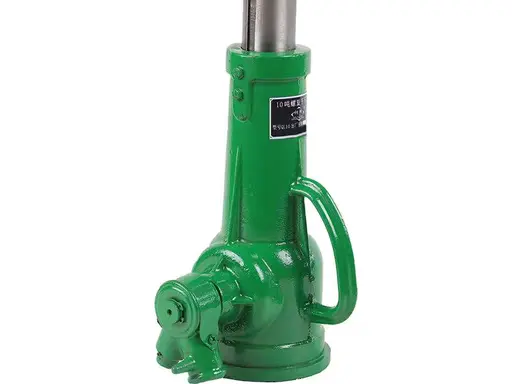
Understanding Permanent Screw Jacks in Construction
Operating Principles and Core Mechanism
Every permanent screw jack has a precision-engineered threaded screw mechanism that converts rotation into linear vertical displacement. Tempered or quenched alloy steel lead screws fit bronze or engineering plastic nut assemblies. The nut moves along the thread profile, raising or lowering the load platform as operators twist the screw using manual or motorized handles. A single operator can precisely lift 500 kilograms to over 100 tons using this mechanical advantage method.
Permanent screw jacks' self-locking function is crucial to safety. The thread angle and friction coefficient prohibit reverse motion under load, keeping the jack in place without power or brakes. These devices are useful in construction circumstances where electrical or hydraulic failures might cause hazard due to their passive safety mechanism.
Material Selection and Durability Factors
Quality manufacturing affects performance lifespan in difficult construction conditions. Premium permanent screw jacks are made of carbon steel, cast steel, or stainless steel to resist compression and deformation. The lead screw is quenched and tempered to obtain ideal hardness and toughness. Spray-painted finishes, corrosion-resistant coatings, and hot-dip galvanization prevent moisture penetration, chemical exposure, and air corrosion in crawl spaces, coastal construction sites, and industrial buildings.
Comparison with Alternative Lifting Technologies
Procurement managers must distinguish between mechanical permanent screw jacks, hydraulic cylinders, and electric actuators while assessing lifting equipment. Hydraulic systems are quicker and smoother but require fluid maintenance, seal replacement, and leaks that can pollute building sites. Electric linear actuators give accurate electronic control but require constant power and larger initial investment.
Mechanical permanent screw jacks are ideal for long-term static load support without operating complexity. Their basic mechanical design removes hydraulic fluid, lowers maintenance, and performs reliably from -20°C to +80°C. Their absence of electrical components eliminates moisture-related failures and voltage fluctuations, making them ideal for outdoor and subterranean construction.
Common Applications of Permanent Screw Jacks in Construction
Structural Foundation Stabilization
Foundation settling is a major issue in new and renovated building. Floor joists droop due to soil settling, moisture fluctuation, and inadequate support spacing, causing uneven surfaces and structural stress. Permanent screw jacks solve these problems by transferring structural weight to solid concrete footings with adjustable point-load support. These devices are placed beneath unstable beams in crawl spaces and basements by construction crews to level and prevent deterioration. Adjustability lets contractors regularly correct for settling, extending the life of existing buildings without expensive beam replacement.
Beam and Column Support During Renovation
To preserve structural integrity during construction, load-bearing wall removal projects need precise temporary and permanent support. Contractors use permanent screw jacks to support steel I-beams or laminated veneer timber beams while replacing interior walls. The millimeter-accurate adjustment allows flawless beam leveling and load distribution throughout the new spanning members. This use is useful in commercial remodeling projects where company activities must continue during structural changes since the tiny footprint reduces proximity interruption.
Bridge Construction and Infrastructure Projects
Large-scale infrastructure building requires precision lifting equipment for formwork support, beam alignment, and deck leveling. Permanent screw jacks allow engineering teams to precisely align pre-cast concrete pieces before permanent connections. These devices stabilize girders during bridge rehabilitation for inspection and repair teams. The high load capacity versions, which can handle 100 tons, meet the demanding safety and redundancy needs of infrastructure projects.
Equipment Installation and Machinery Positioning
Precision equipment installation ensures operational efficiency and safety in manufacturing and industrial construction projects. Concrete slabs and structural floors must be level to minimize vibration, alignment difficulties, and premature wear during heavy machinery installation. Permanent screw jacks beneath equipment frames allow personnel to fine-tune location after first deployment. The vibration-resistant architecture maintains settings throughout operational loads, and the corrosion-resistant coatings resist manufacturing solvents, coolants, and cleaners.
Formwork and Concrete Construction Support
Under fluid concrete pressure, formwork support systems must maintain dimensional correctness during concrete pouring. Slab forms, beam bottoms, and architectural elements can be raised with scaffolding and shoring tower permanent screw jacks. Load capacity specifications—often with safety factors of 2:1 to 4:1—ensure sufficient strength margins during crucial cures. After concrete reaches design strength, chosen jacks may support cantilevered portions or locations with poor soil.
These various applications show why residential, commercial, and infrastructure building workers use permanent screw jacks for reliability, accuracy, and durability. The mechanical simplicity and sturdy engineering produce a flexible solution that solves numerous building problems in one equipment category.
Installation and Maintenance Guide for Permanent Screw Jacks
Site Preparation and Foundation Requirements
Preparing the foundation is key to installation. System performance and safety depend on the supporting surface's load-bearing capability. Reinforced concrete footings distribute point loads across enough soil area to prevent localized settling that would endanger the jacking mechanism. Soil bearing capability, estimated load magnitude, and local construction codes determine footing size and reinforcing schedule. Standard installations use 24-inch square footings with a minimum 12-inch depth and steel reinforcing mesh to resist concentrated stresses.
Installation Procedure and Positioning
After curing the concrete footings, installers place permanent screw jacks vertically beneath structural parts. Alignment keeps the load path perpendicular to the footing and supported beam, eliminating eccentric loading that might cause bending strains or premature failure. Contractors use spirit levels and laser alignment instruments to check plumb location before progressively extending the jack to meet the overhead structure. Adjustment is gradual, progressing one-quarter turn at a time while evaluating nearby structural parts for stress redistribution. This strategy prevents abrupt load transfer that might damage frame members.
Maintenance Protocols and Inspection Schedule
Despite low maintenance, occasional examination assures reliability. Quarterly visual inspections should assess thread wear, corrosion, and coating integrity. Grease application to screw threads via optional lubrication interfaces reduces friction and galling in regularly adjusted installations. Technicians check locking collars or double-nut systems for vibration or thermal expansion damage. Inspection reports help predictive maintenance and building authority compliance.
Safety protocols during maintenance require load monitoring to prevent unintentional leaks. Teams must use temporary shoring before adjusting loaded jacks and never work under unsupported loads. The sturdy design and self-locking threads provide inherent safety, but following procedures protects workers and assets.
Comparative Insights: Permanent Screw Jacks vs Alternative Solutions
Performance Analysis Across Lifting Technologies
Construction procurement choices benefit from objective lifting technology comparisons. Hydraulic jacks are ideal for regular repositioning due to their fast extension rates and smooth operation. Maintaining fluid-based operations requires seal replacement, contamination avoidance, and pressure system monitoring. In outdoor winter construction or high-temperature industrial situations, hydraulic fluid viscosity can be affected by temperature fluctuations.
Electric linear actuators include advanced control features including programmable placement and remote operation. These traits are useful in automated production and coordinated multi-point lifting. Electronics and motor assemblies are additional failure areas for moisture, electrical surges, and mechanical wear. Installation costs more than mechanical solutions owing to wiring and control system integration.
Mechanical permanent screw jacks are simple, reliable, and affordable. Lack of hydraulic seals, electrical components, and fluid systems minimizes maintenance categories and lowers ownership costs. In intermittent power conditions and distant construction locations, load-holding without constant power input improves safety. It supports year-round building schedules in different regions by operating without performance deterioration at harsh temperatures.
Lifecycle Cost Considerations
In addition to the purchase price, total cost of ownership includes installation, maintenance, replacement parts, and disposal. Mechanical permanent screw jacks have a long service life—often over 20 years in well maintained installations—and low consumable costs. The sturdy steel design allows refurbishing and thread reconditioning, extending use beyond expectations. Over several years, hydraulic systems require fluid changes, seal kits, and pressure component replacement, which are costly.
Procurement Considerations for Permanent Screw Jacks
Supplier Evaluation and Quality Verification
Choosing manufacturing partners with experience and quality processes guarantees project success and risk reduction. Procurement managers should favor ISO9001-certified suppliers, who demonstrate rigorous process controls and continuous improvement. Industry standards like DIN, AGMA, and EN ensure dimensional correctness and performance consistency, while CE marking proves compliance with European safety laws.
Manufacturing capabilities should be assessed beyond product offers. Precision machining suppliers can meet specific dimensions, mounting configurations, and load requirements using CNC turning, grinding, and milling centers. Heat treatment facilities that quench and temper in-house have superior quality control than providers outsourcing essential activities. Load testing, dimensional inspection, and surface treatment verification demonstrate production quality.
Customization Capabilities and Engineering Support
Construction projects can have unique dimensional limits, load specifications, or environmental circumstances that require specialized solutions, such as permanent lifting jacks tailored to specific needs. Engineering collaboration with manufacturing partners optimizes designs for specific applications, adding value. 3D modeling for visualization and interference checking, finite element analysis for stress verification, and quick prototype creation for specific configuration testing before production are needed. Technical support for bids, weight verification, and engineering drawings in 24–48 hours speeds project planning and construction.
Ordering Logistics and Commercial Terms
Bulk purchase for contractors managing several projects or regional distributors saves money and ensures inventory availability. Lead time transparency facilitates proper project scheduling, with production cycles ranging from two to six weeks depending on customization complexity and order volume. Material faults, manufacturing craftsmanship, and performance assurances should be covered by warranties for premature failures. Payment conditions, shipping procedures, and packing criteria must be clearly defined to avoid confusion and guarantee things arrive intact.
Suppliers to Fortune Global 500 firms are trusted for quality and stability. Export-experienced manufacturers know international shipping, documentation, and regulatory compliance across markets. US contractors buying from overseas vendors benefit from this knowledge since shipping logistics and customs clearance can delay projects without competent supplier support.
Conclusion
Strategically using permanent screw jacks solves foundation stability, structural rehabilitation, infrastructure development, and precise equipment installation problems. In applications that need long-term load support without power or complex maintenance, their mechanical simplicity, sturdy design, and self-locking safety qualities outperform hydraulic and electric equivalents. Understanding technical features, installation processes, and application situations helps procurement experts specify appropriate lifting solutions that balance performance and lifespan cost. Working with experienced manufacturers that offer customization, engineering assistance, and quality certifications guarantees projects have dependable equipment and timely technical support.
FAQ
1. What load capacity should I specify for my construction application?
Engineers must analyze structural loads and add a safety factor to determine load capacity. To account for dynamic forces, load distribution changes, and long-term safety margins, construction experts provide components with rated capacities two to four times the predicted operating load. Consultant structural engineers guarantee local building code compliance and factor of safety selection based on occupancy classification and load duration.
2. Can screw jacks be adjusted after initial installation?
The flexible design allows post-installation changes. Operators may rotate the threaded screw mechanism to raise or lower the jack when soil conditions change or structures settle. They are especially useful in remodeling projects when final dimensions are determined during construction rather than planned.
3. What environmental protection features should I specify for outdoor applications?
Outside and in high-moisture situations, corrosion prevention must go beyond paint. Hot-dip galvanization, fusion-bonded epoxy coatings, and stainless steel construction increase service life in coastal, chemical, and subterranean systems. Optional dust coverings and sealed lubrication interfaces prevent contaminants from affecting thread function or wear.
Partner with FLA Industrial & Trading Co., Ltd. for Premium Permanent Screw Jack Solutions
FLA Industrial & Trading Co., Ltd. offers outstanding value to procurement managers looking for a dependable provider of permanent screw jacks. Our nearly four decades of precise lifting equipment manufacturing experience ensures high product quality, competitive pricing, and project-specific technical assistance. We make 500kg to 100t permanent screw jacks with alloy steel, carbon steel, and stainless steel construction, tempered lead screws, and bronze or engineering plastic nut assemblies. Our ISO9001 and CE-certified precision turning, grinding, milling, and heat treatment operations exceed DIN, AGMA, and EN requirements. Engineering estimates, weight verification, and 3D design renderings for custom solutions are prioritized within 24–48 hours. Talk to sales@flaindustrial.com about your lifting equipment needs and learn why Fortune Global 500 firms trust our quality and innovation.
References
1. American Institute of Steel Construction. Steel Construction Manual: Design Specifications for Structural Support Systems, 15th Edition, 2017.
2. Brown, David K. Mechanical Lifting Devices in Modern Construction: Engineering Principles and Applications. Construction Technology Press, 2019.
3. International Code Council. ICC Evaluation Service Acceptance Criteria for Mechanical Jacking Systems, AC25 Standard, 2020.
4. Johnson, Michael P. and Stevens, Robert A. "Comparative Analysis of Load Support Systems in Structural Renovation Projects." Journal of Construction Engineering and Management, Vol. 146, No. 4, 2020.
5. National Association of Home Builders Research Center. Foundation Stabilization Techniques: Best Practices for Residential and Light Commercial Construction, Technical Report, 2018.
6. Wu, Chen and Martinez, Sofia. "Lifecycle Cost Analysis of Mechanical Versus Hydraulic Lifting Systems in Infrastructure Projects." International Journal of Construction Equipment and Management, Vol. 8, No. 2, 2021.