How do European Style C-Clamps Differ From American Style?
2026-05-19 09:56:18


When looking for clamping tools for business use, knowing the difference between European-style C-clamps and American-style C-clamps is very important for getting the best results. The European-style C-clamp is different because it has a deep throat and a reinforced ribbed frame construction. Compared to standard American heavy-duty types, it has a better reach and less user strain. When it comes to compression strength, American designs rely on sheer mass, but European designs use advanced metallurgical engineering—usually using malleable cast iron mixed with sharpened steel screw rods—to get better gripping force with a lighter, more ergonomic shape. This basic difference solves some of the most important problems, like not being able to get to workpiece centers easily, frames turning in high-torque situations, and the physical strain of carrying heavy equipment for long production shifts.


Understanding European Style C-Clamps: Features and Functionality
Clamping tools made in Europe are the result of decades of improvements in handling and technical efficiency in the workplace. These devices stand out because they were carefully designed to value both efficiency and user experience in harsh production settings.
Advanced Frame Engineering and Material Selection
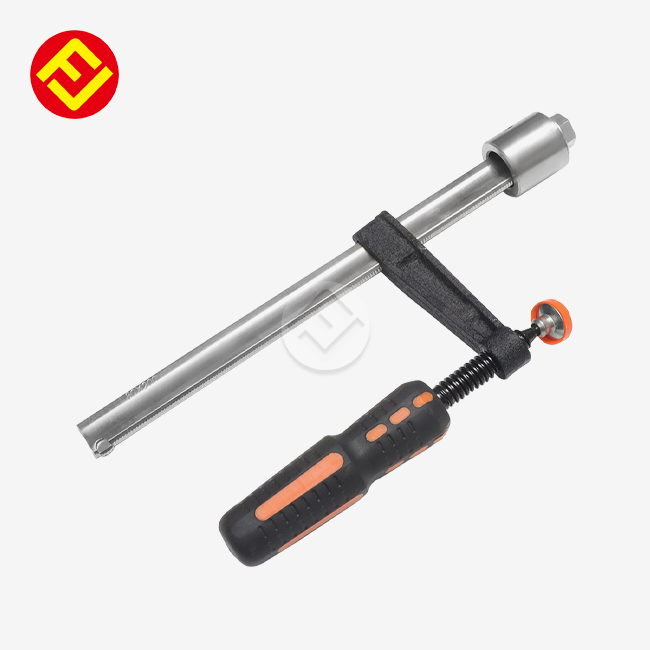
European-style C-clamps are built on bodies made of malleable cast iron that have carefully placed support plates. This way of designing makes frames very stiff for their weight, so they can withstand rotational stress without having too much mass like frames with more blocks. The mix of malleable iron goes through controlled heat treatment, which makes a material structure that can absorb impact forces and keep its shape even after many pressing cycles. This metallurgical balance stops the brittle crack patterns that can be seen in casts made of lower-grade grey iron.
When used with these frames, polished steel screw rods apply pressure in a smooth, controlled way. The screw specs are based on European standards for woodworking and have exact pitch measurements that let you make small changes during important assembly tasks. Surface treatments, like industrial-grade paints or powder coating, protect against corrosion, which is very important in workshops where the temperature changes or where wood glues and finishing chemicals are used.
Extended Throat Depth and Reach Capability
The measurement of the extended throat depth is what makes European-style C-clamp design unique. The clamp can go as far into a piece of work as this measurement, which is the distance from the screw axis to the frame's deepest point. European designs usually have throat depths that are 30 to 40 percent deeper than American designs with the same jaw opening ability. This long reach is very helpful for holding big panel sections in place, keeping European-style C-clamps away from areas where glue can squeeze out, or getting to internal frame parts while building cabinets.
This physical benefit directly helps manufacturing facilities that use large desk sizes, cabinet sides that are extra wide, or a lot of glue-up work. Being able to put clamping pressure exactly where it's needed, instead of having to make do with edge-only applications, cuts down on material waste from bad alignment and rework from parts that aren't held properly.
Ergonomic Swivel Pad Design
European-style C-clamps have swivel pads that are designed to spread pressure evenly across the sides of the item. The pad unit has a ball-and-socket device that automatically aligns to angled surfaces. This keeps finished materials from getting damaged by stress builds up in one area. The permanently crimped retention ring keeps the pad assembly from coming apart when it's loaded, which is a typical place where cheap options fail. This design factor is especially important when gluing thin veneered surfaces or pre-finished materials, since protecting the surface has a direct effect on the quality of the finished product.
When you put these features of a European style c-clamp together, you get a clamping tool that can solve real-world problems in the workshop, like getting into tight spaces, applying consistent force without damaging the surface, and keeping working well over long production runs. These traits work well with quality-focused production needs for manufacturers who make furniture, do specialized carpentry, and put together things very precisely.
Comparing European Style and American Style C-Clamps
The main differences between these binding ideas show different ways of dealing with similar problems in the workplace. Knowing about these differences helps buying teams choose tools that meet the needs of specific operations.
Frame Geometry and Structural Philosophy
American-style C-clamps tend to have strong, blocky frames that have a lot of mass across their width. This design creates clamping power through the sheer volume of the material, making tools that can handle a lot of abuse in rough building sites. The frame profiles usually have shallower throat depths that work best for edge-clamping tasks that are popular in making structural steel and doing basic metalworking.
European-style C-clamp frames use internal ribs and smart placement of materials to get the same level of strength while weighing less overall. As a result, trained operators can place and change tools with less physical fatigue while clamping them over and over again. When clamps need to be moved around a lot, like when putting together batches of furniture or making custom cabinets, this physical benefit makes work go more quickly and efficiently. It's possible for workers to keep the tightening pressure the same throughout shifts without getting tired from moving heavy tools.
Screw Mechanism and Adjustment Precision
The thread specs show another important difference. European-style C-clamp models often have smaller thread pitches, which makes it easier to control how much pressure is applied and make precise small changes while putting together delicate parts. This thread shape works well in situations where overtightening could cause the material to compress or the joint to become out of line. Precision machining standards and the right thread form shape make it so that high-quality European screws work smoothly. This is because they don't have the binding and catching problems that can happen with less precise options.
American designs often use thread patterns that are rougher and better suited for high-torque and quick contact. This setup works great in heavy manufacturing settings where speed is more important than fine-tuning and where workpieces can handle strong clamping forces without getting damaged.
Surface Treatment and Corrosion Protection
The finish quality has a big effect on how long a tool lasts, especially in wet workshop settings. Manufacturers in Europe usually use industrial-grade powder coating or multilayer paint systems that are designed to prevent rust. These treatments are put through salt spray tests to make sure they work well in tough conditions. They protect the frame and any exposed screw threads from rust that could damage the structural integrity or make adjustments less smooth.
Investing in better surface protection makes useful tools last a lot longer, so they don't need to be replaced as often and keep working the same way throughout their service life. When factories figure out the total cost of ownership, not just the original purchase price, they often see this durability edge as a big deal for the bottom line over a number of years.
Understanding these comparative factors allows buying managers to compare European-style C-clamp variants against how things really are in the workshop. European standards are usually better for operations that need to be precise, have long reach, and be ergonomic. On the other hand, heavy production settings that need to be strong and resistant to impact may find that traditional American designs work better.
Procurement Considerations for European Style C-Clamps in B2B Markets
When buying quality European style c-clamp clamping tools strategically, you need to pay attention to the specs, the supplier's skills, and the stability of the long-term supply chain. Professional buyers have to weigh the needs of the current job against bigger issues like standards, managing supplies, and building relationships with vendors.
Size Range Selection and Application Matching
When it comes to jaw opening, European-style C-clamp sizes usually range from 25mm to 300mm, which is about 1 inch to 12 inches. Instead of just buying standard assortments, procurement teams should figure out what size and delivery needs their business has. By looking at real project details like normal material thicknesses, assembly setups, and entry restrictions, we can find the best size distributions that reduce the number of under- and over-capacity situations. Businesses that make fine cabinets may focus on buying smaller quantities, while factories that make furniture need to keep a lot of mid-range and bigger types in stock.
Because makers like FLA Industrial & Trading Co., Ltd. offer nine different forms, it is easy to fit the tool's capabilities to the needs of the job. This variety of specifications cuts down on the times when workers have to make do with the wrong European-style C-clamp tools, which is better for both safety and quality.
Supplier Evaluation and Quality Verification
To choose trusted providers, you need to check their production skills, quality systems, and technical support infrastructure. ISO9001 certification is a basic guarantee of organized quality management. It covers everything from where to get materials to how to do the final review. Manufacturers with a good reputation test the raw materials they receive for metals, check the sizes of their Products" target="_blank" style="color:blue" >products while they're being made, and load test finished products to make sure they meet standards for rated capacities.
In addition to reviewing certification paperwork, procurement pros should also look at how quick suppliers are, how well they communicate, and the quality of their technical documents. Manufacturers who provide thorough specs, load capacity data, and application advice show that they have the technical depth needed to support tough industrial uses. Being able to make unique solutions for non-standard needs, like different throat depths, frame geometries, or surface treatments, shows that the production process is flexible, which is important for businesses whose needs change over time.
Logistics and Inventory Management
Strategies for buying in bulk must weigh the benefits of lower prices against the costs of keeping goods and the space needed for storage. When suppliers keep large amounts of ready-stock on hand, they can fill regular orders more quickly, cutting down on lead times that could throw off project plans. FLA Industrial keeps more than 2,000 tons of stock on hand so that common specs can be shipped right away. For more complicated needs, the company can also produce unique items in 7 to 15 days.
When you buy European-style C-clamp products internationally, you have to think about things like shipping methods, customs processes, and payment terms. Getting to know makers who have experience exporting, especially those that serve big markets like the US, Germany, and Australia, makes these technical problems easier to handle. Clear communication about the state of production, shipping dates, and tracking of deliveries helps buying teams plan supplies and coordinate project timelines well.
Maintenance and Longevity of European Style C-Clamps
To make tools last as long as possible, you need to set up routine repair procedures and training programs for users that stop tools from wearing out too quickly and keep their working performance.
Routine Maintenance Protocols
Cleaning European-style C-clamp screws on a regular basis gets rid of wood dust, metal shavings, and dried glue that can get in the way of their smooth operation. Particulate pollution stuck in thread valleys can be removed by brushing the threads with wire brushes and then compressed air. Using the right lubricants on a regular basis—light machine oil for screw threads and anti-seize compound for production tools that are used a lot—keeps the adjustment smooth and stops galling when tightening pressure is kept up for a long time.
Routine inspections should check the stability of the frame, looking for cracks to start forming at stress concentration points and making sure the turning pad stays in place. A thread condition review finds wear patterns that point to problems with too much force or contamination that need to be fixed. Systematic recording of inspection results and maintenance actions lets you keep an eye on trends in tool health, which helps you make choices about replacements based on data.
Storage and Handling Best Practices
When European style c-clamp clamping tools are stored correctly, they are protected from external factors that speed up wear and tear. Keeping European-style C-clamp units in places with controlled humidity lowers the chance of rusting. This is especially important for keeping screw holes and bare metal surfaces safe. Putting tools in storage by size and capacity makes them easier to find and protects your hands from damage that comes from digging through a mess.
Abuse that shortens the life of tools can be stopped by training programs that stress the right way to clamp. The instructions should talk about how to choose the right size, line up the pads correctly, and spot overload situations. When workers understand the physics behind clamp design, they can make better choices about how to use tools in real time, which lowers the risk of accidents and delays tool failure.
Decision-Making Guide: Choosing Between European and American Style C-Clamps
To choose the best clamping system, you have to match the features of the tools to your specific working needs, your budget, and your long-term strategy goals.
Application-Specific Performance Factors
European-style C-clamp features are usually good for precise woodworker tasks like making furniture, handmade cabinets, and architectural millwork. The longer throat depth, lighter weight, and ability to make small adjustments work well with the need for accuracy and repeated placement in these situations. European standards have a big impact on efficiency and quality in production settings where surface protection is important and workers handle clamps a lot during shifts.
When maximum compressive force and impact protection are more important than ergonomics, traditional American designs may be better for heavy building assembly, structural steel production, and general metalworking tasks. The cost savings of regular heavy-duty clamps can be useful for projects that involve rough materials, working outside, or building tasks that don't need to be exact.
Total Cost Analysis
If you only look at the original purchase price of clamping tools, you miss important factors that affect the long-term economy. European-style C-clamp variants usually last longer than cheaper options because they are better at protecting against rust, have precise threading, and are built to last. When operations figure out the cost-per-year-of-service, they often find that better tools are better investments, even if they cost more up front.
When doing a full cost study, productivity is also taken into account. European-style C-clamp units that are lighter make operators less tired, tools that can be adjusted more precisely save time, and tools with better surface protection improve quality. All of these things add up to economic value that goes beyond the tool itself. When factories are competing on quality and production speed, these operational changes often make it worth the extra money to buy high-quality tools.
Supplier Partnership Value
Aside from the actual goods, the ties with suppliers are also important to the success of procurement. Manufacturers who offer expert support, such as application advice, custom design services, and rapid-response engineering help, give customers more than just the products they buy. FLA Industrial & Trading Co., Ltd. is a good example of a seller that can support complicated industrial processes. They have been making things for almost 40 years and work with Fortune Global 500 companies as a partner.
Getting different types of products, like hand tools, electrical line tools, and pipe fittings, from a single approved seller makes managing vendors easier, streamlines shipping, and might even allow for price breaks based on volume across all product lines. When making buying choices for European-style C-clamp orders, companies that care about both product quality and supply chain efficiency should think about these relationship factors.
Conclusion
There are fundamentally different ways to solve industrial clamping problems, which is reflected in the differences between European-style C-clamp and American-style C-clamp designs. European designs put a high value on long reach, natural comfort, and precise control through advanced materials and polished engineering. This makes them ideal for woodworking, making furniture, and precise assembly tasks. For tough manufacturing and building sites, American heavy-duty models focus on offering the highest levels of compressive force and impact protection. When making a purchase choice, clamp features should match the unique needs of the operation. This includes both short-term and long-term factors, such as tool life, operator fatigue, and the total cost of ownership. Working with seasoned makers that offer a wide range of products, helpful technical support, and dependable supply lines can help both the short-term success of a project and the long-term efficiency of its operations.
FAQ
Can European style clamps handle the same load capacity as American heavy-duty models?
Quality European-style C-clamp units can hold the same amount of weight or more because they use modern metals and structural engineering, not just mass. High strength-to-weight ratios are achieved by the twisted frame form and the iron used in its construction. When properly defined, European clamps meet strict clamping force standards and provide comfort benefits. Check estimated capacities against the makers' technical specs instead of relying on how something looks to decide if it can do what it says.
Do European clamps work with existing American workshop setups?
European-style C-clamp models work in all workshop settings, no matter what the area tool standards are. The basic idea behind binding stays the same; the only things that have changed are the shape and the way they are built. Integration doesn't need any special adjustments; just choose the right sizes for your needs. The most important thing to think about is making sure that the throat depth is right for the size of your usual part, which may be different from the sizes of your current American-style inventory.
What maintenance schedule should we implement for European clamps in high-volume production?
High-volume operations should clean and lubricate European-style C-clamp units that are used all the time once a week, and they should also do thorough inspections every month to check the frame's integrity, the state of the threads, and the retention of the swivel pad. When tools are exposed to harsh conditions like glue, metal dust, or high humidity, they need to be serviced more often. Keep track of your repair tasks so you can find trends that could lead to better environmental control or changes to the way the product is used that would lower the rate of wear.
Partner With FLA Industrial for Premium European Style C-Clamp Solutions
It has a direct effect on production quality, user efficiency, and long-term tooling costs to replace your old clamps with professional-grade European-style C-clamp solutions. FLA Industrial & Trading Co., Ltd. has been making things for almost 40 years and serves hardware stores, building companies, and craft shops all over the world. Our building of steel screw rods and moldable cast iron meets strict ISO9001 quality standards, giving our Fortune Global 500 partners the dependability they need.
Our full size range, from 1-inch to 12-inch capacities, makes sure that we can perfectly match your application needs, whether you're buying in bulk for marketing or giving production facilities the precision European-style C-clamp tools they need. We can meet both urgent needs and unique project requirements because we have over 2,000 tons of ready-to-ship goods and can make custom items in just 7–15 days. Please email our team at sales@flaindustrial.com to talk about your specific needs with European-style C-clamp suppliers who know how to meet the technical needs of professional industrial uses. You can look at our full line of products at flaindustry.com and learn how smart relationships with experienced manufacturers can help your business compete better.
References
Henderson, T. (2019). Industrial Clamping Systems: Design Principles and Application Guidelines. Manufacturing Technology Press.
Weber, K. & Schmidt, A. (2021). "Comparative Analysis of European and American Tool Standards in Woodworking Applications." Journal of Industrial Engineering and Manufacturing, 45(3), 178-192.
Morrison, J. (2020). Materials Selection for Hand Tools: Metallurgy, Performance, and Durability. Engineering Publications International.
Bergström, L. (2018). "Ergonomic Factors in Manual Tool Design: Impact on Worker Productivity and Fatigue." International Journal of Occupational Safety, 12(2), 88-103.
Thompson, R. & Davis, M. (2022). Procurement Strategies for Industrial Hardware: Quality Assessment and Supplier Evaluation. B2B Publishing Group.
Chang, W. (2021). "Evolution of C-Clamp Design: Historical Development and Modern Innovations." Tool Engineering Quarterly, 38(4), 245-261.