Uses of European Style C-Clamps in Woodworking
2026-05-19 09:56:11


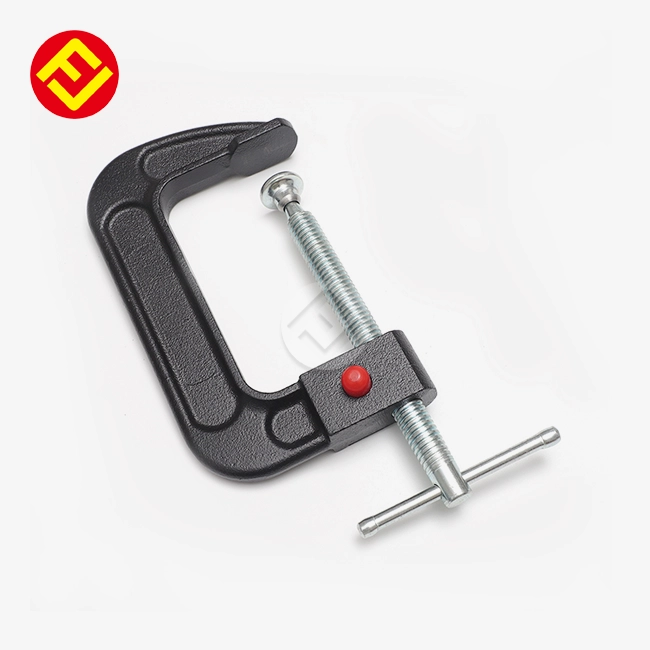
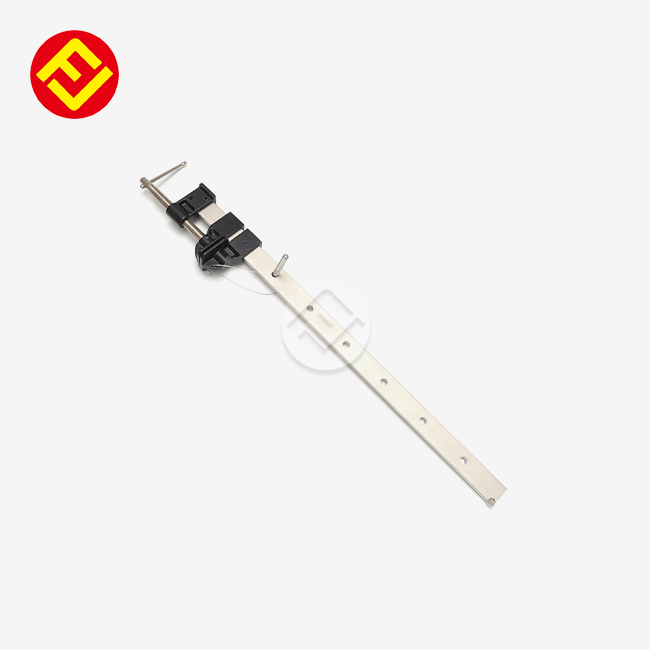
The European style c-clamp is one of the most important tools for woodworkers who need to hold things securely while doing precise work. This clamping tool is great for making furniture, putting together cabinets, and assembling things because it has a deep throat, a ribbed frame, and a high weight-to-strength ratio. The body is made of cast iron, which is easy to shape, and the screw rod is made of steel. Together, they provide uniform binding force, and the painted or powder-coated finish makes it last in tough workshop conditions. These clamps come in sizes ranging from 1 to 12 inches and are made to European standards for woodworking. They are used by hardware stores, building companies, and factories that need long-lasting, flexible options.


Understanding European Style C-Clamps and Their Features
European style c-clamp wooden clamps are a thoughtful improvement over traditional American-style clamps because they solve certain problems that American-style clamps sometimes have trouble with. The engineers who made these tools put both usefulness and user comfort first. This makes them especially useful in high-volume production settings where productivity directly affects profits.
Material Composition and Structural Integrity
Choosing the right materials is the first step in making good clamping tools. For the body of our European style c-clamp, we use pliable cast iron, a strong and affordable material choice. Even when put under constant pressure during long glue-ups or assembly tasks, this iron mixture doesn't crack or bend.
The steel screw rod is carefully machined to get fine threads, which lets you make changes easily and control the pressure precisely. This design of threads keeps things from slipping out of place suddenly and lets woodworkers use just the right amount of force without damaging the piece they are working on. When these materials are put together, they make a tool that can handle the daily needs of a workshop and keep its measurements over thousands of uses.
Design Elements That Enhance Performance
European binding tools are truly unique because they have a deep throat. With this extended reach feature, workers can secure parts far from the edges, which is very helpful when putting together wide panels or getting to the inside of cabinet frames. The throat depth lets you get to places that regular clamps can't, so you don't have to use awkward solutions or extra specialty tools.
The curved frame structure makes the tool body less stressed all over. This way of building keeps the frame from turning during high-torque tasks, which happens a lot with bigger designs. The flexible swivel pad can turn to fit the angle of the workpiece. This makes sure that the pressure is spread out evenly across the touch surface, not just in a few places where it could dent or damage wood.
Size Versatility and Application Range
Knowing the size requirements helps buying teams choose the right supplies. Our product line comes in nine different sizes, each named after its largest jaw hole. Smaller models (1-inch to 3-inch) are better for fine craft work and trimming, while 8-inch to 12-inch models are better for heavy-duty jobs like putting together furniture and framing buildings.
Within the same product family, this range meets a variety of operating needs. Furniture companies can use the same brand in all of their areas, which makes training employees on upkeep and keeping spare parts on hand easier. Hardware wholesalers can meet a wide range of customer needs by giving a wide range of Products" target="_blank" style="color:blue" >products without having to manage multiple lines of products that don't work together.
Top Uses of European Style C-Clamps in Woodworking
Every step of working with wood needs to be done with care, and the right European style c-clamp solution has a direct effect on the quality of the finished result. These tools are useful in many situations, from preparing the materials at the start to putting them together and finishing them off.
Precision Cutting and Material Stabilization
Moving the item during cutting can make the job less accurate and put people at risk. Putting stock firmly on the workbench or cutting table stops it from shaking and moving, which can cause cuts to be made incorrectly. Because it has a deep mouth, it can go over table edges and fittings, so it can be put right where support is most needed.
People who use table saws like how these clamps keep jigs and guides perfectly aligned. In the same way, stable platforms are good for router work because they stop buzzing that causes burn lines and uneven profiles. The managed pressure keeps the material from warping and keeps people from getting hurt in the cutting zones.
Glue-Up Operations and Joint Assembly
Glue-ups may be the most difficult woodworker job when it comes to clamping. Maintaining steady pressure on the joint while the glue dries is important for keeping it together. The swivel pad on these clamps automatically responds to small changes in angle, making sure that pressure is spread evenly across the whole joint surface.
Cabinet face frames need more than one clamp to work together. Because all of our clamps have the same threading, they all tighten at the same rate, which helps keep units straight. The long throat goes deep into the inside of the case to secure the center stiles and rails, which would need internal cauls or more complicated setups otherwise.
One of our strengths is that we can edge-glue pieces for tabletops. By moving these clamps back and forth above and below the object, they keep the panel from bowing and the even pressure fills in any holes for glue lines that you can't see. The frame is made of flexible iron that doesn't bend when it's loaded, so the pressure stays the same during the fix cycle.
Framing and Structural Assembly
When putting together furniture frames, the parts must be precisely lined up. The strong binding power of these tools is useful for building door frames, chairs, and table aprons. Because they can reach deep into panels, builders don't have to use edge clamps to apply pressure to joints; they can clamp directly over them instead.
The painted or powder-coated surface keeps the glue from squeezing out. When glue dries, it peels off easily and doesn't stick to the tool surface. This is a useful feature that keeps tools clean and lasts longer between uses. This finish also protects against rust in workshops where the air changes with the seasons.
Sanding and Finishing Fixture Applications
Securing workpieces stops them from moving during sanding, which can cause uneven surfaces or cross-grain scratches. The clamps keep the parts at good working heights and angles, which keeps the user from getting tired during long finishing sessions. The swivel pads don't leave marks on surfaces that have already been cleaned.
When adding finishes, these tools hold things in place temporarily. Parts can be clamped either vertically or horizontally, depending on whether they need to be used with a spray or a brush. The stable base keeps the pieces from moving while they dry, so there are no drips or runs from pieces moving around. The clamps turn workbenches into organized drying racks that make the best use of room between coats of finish.
Comparing European Style C-Clamps with Other Types for Woodworking
To choose the right clamping tools, you need to know how the different styles solve different problems in the workplace. Each clamp style has its own benefits, and smart buyers match the features of a tool to their specific working needs instead of just buying something that they're used to.
Structural Differences Between European and American Designs
American-style C-clamps usually have frames that are heavy, blockier, and have shorter throat depths. This design focuses on the raw compression strength, which makes them great for welding and other industrial tasks where maximum force is more important than reach or weight. The mass makes the machine stable, but it makes the user tired after a while of use.
European style c-clamp versions have similar clamping power because they use better metal engineering and strategic ribs instead of just being bigger. The end result is lighter and easier on the arms when placing several clamps during complicated setups. In high-volume factory settings where workers handle dozens of clamps every day, this ergonomic benefit leads to measured gains in efficiency.
The deeper throat shape changes the way woodworkers deal with clamping problems in a basic way. With the longer reach, tasks that would need special clamps or clever solutions with American designs are now easy to do. Because of this, shops can often reduce the number of clamps they have while still increasing their capabilities.
Comparison with F-Clamps and Bar Clamps
It is impossible to use wide panels or big sections without F-Clamps because they have a longer reach than any other type of C-clamp. Because they are made with moving bars, they can be adjusted indefinitely within their size range. But this flexibility comes with some problems. For example, the long bars can bend when they're loaded with big things, and the fact that the pressure is concentrated in one place means that cauls are sometimes needed to spread the force.
European style c-clamp tools apply more concentrated pressure in a smaller area. The stiff frame doesn't bend, so the force that is given to the workpiece is transferred without any energy being lost to tool deflection. The fixed-throat design works better than changeable ones for tasks that need strong, stable pressure in certain places. The small size also works better in tight areas where the length of the bar clamp can be a problem.
It's best to store bar clamps in a place with a lot of room because they can span long distances. European style c-clamp units are small and can be stacked and organized easily on pegboard or shelves. This storage economy is very important for distributors who are in charge of warehouse space or for workers who are moving tools from one job site to another.
Heavy-Duty Versus Light-Duty Applications
Matching clamp capacity to task pressure keeps tools from breaking and saves money that could be used on something else. Smaller models work great for light-duty tasks like craft work, trim building, and small fixes. These jobs can be done with 1-inch to 4-inch sizes that are affordable and don't take up much space.
The 8-inch to 12-inch range is needed for heavy-duty furniture making, structural framing, and production cabinets. These bigger types have the throat depth and locking force that are needed for thick stock and complicated parts. Buying heavy-duty tools pays off by cutting down on setup time and making the quality of the joints better.
Mid-range sizes are useful for both everyday jobs and hard work every once in a while. Because of this, the 5-inch to 7-inch range is popular with general woodworking shops and schools that need to make good use of their tool funds to meet a wide range of needs.
Procurement Guide: How to Choose and Buy European Style C-Clamps?
When making strategic purchases, you have to weigh the needs of the current job with the needs of the business in the long run. Knowing your production schedule, quality standards, and growth expectations will help you avoid both under-buying, which slows down production, and over-buying, which holds up capital in extra inventory.
Assessing Your Woodworking Requirements
Start by taking a look at ongoing projects and work that is planned for your European style c-clamp. Write down the common thicknesses of materials, assembly sizes, and shapes of workpieces that your business handles. This evaluation shows which size range is used the most and helps figure out the best stocking levels.
The amount of production affects how people buy things. Larger amounts of widely used sizes are better for high-volume operations because they make sure there are enough clamps when multiple units are running at the same time. When custom furniture makers work on one job at a time, they can keep their inventory low while still meeting all of their needs.
Think about process problems. When clamping capacity isn't high enough, actions that could run in parallel have to be done one after the other, which directly affects output. With the right tools, these problems can't happen, so shops can be as productive as possible during busy times. Often, the cost of extra clamps is small compared to the time that is lost making things.
Evaluating Supplier Capabilities and Reliability
Choosing a supplier isn't just about the quality of the goods; it's also about service, help, and the possibility of a long-term partnership. Manufacturers who have ISO9001 approval show that they have a method for managing quality that includes buying raw materials and inspecting the finished product. With this approval, you can be sure that every batch of products meets the same high standards.
OEM skills show how advanced a production process is. When suppliers create and make custom solutions, they bring technical know-how that can help solve problems that only that application can have. This feature is important when standard goods need to be changed to work with specific equipment or when businesses that need to be scaled up need custom solutions.
The amount of inventory and the speed of transportation affect the continuity of operations. Suppliers who keep a lot of stock can fill regular orders right away, which keeps projects from being held up. Custom orders should be filled quickly, ideally within 7 to 15 days, so that special needs don't cause long periods of downtime. Clear information about the state of an order gets rid of doubt and helps with accurate production scheduling.
Understanding Bulk Purchasing and Customization Options
Through economies of scale, buying in bulk usually leads to lower prices. Suppliers often set their prices in ways that reward bigger promises. This makes bulk orders appealing to makers and distributors who make a lot of products. Knowing the minimum order amounts and volume breakpoints can help you get the best deals when you buy things.
The ability to customize meets the specific needs of each business. In niche markets, special neck depths, changed jaw sizes, or custom finishes can give you an edge over your competitors. Suppliers that offer in-house design help, such as 3D modeling and prototype development, speed up the customizing process and make sure that the specs match the needs.
Businesses at different stages of growth can use flexible order sizes. Manufacturers that take orders for anywhere from a few units to thousands of units make it possible for new businesses to get high-quality tools without having to spend a lot of money. They can also meet the large-scale needs of established businesses. Because of this, you can build long-lasting connections with customers that can change as their needs do.
Conclusion
Because they are made of strong pliable iron, have a deep throat, and are easy to handle, European style c-clamp tools are a great value for all woodworking tasks. The extended reach, uniform clamping force, and small storage size all work together to solve real production problems that affect both speed and quality. Understanding how these clamp styles are better than others helps buying teams make smart choices that meet business needs. Strategic buying from ISO9001-certified companies with a lot of inventory, strong OEM capabilities, and quick customer service guarantees access to reliable tools that improves standing in the market. By stretching the tool's useful life and keeping performance standards high throughout its service time, simple care procedures maximize return on investment.
FAQ
What size European style c-clamp works best for cabinet assembly?
For cabinet work, the standard sizes are 4 to 8 inches. The 6-inch size is ideal for most face frame setups because it has the right amount of throat depth to reach inside parts and clamping force to keep joints safe. The 8-inch models are bigger and better for full cabinet case setups.
Can these clamps handle heavy-duty industrial woodworking?
Of course. The steel screw rods and malleable cast iron construction give it gripping force that is good for industrial settings. With sizes ranging from 8 inches to 12 inches, our bigger options offer industrial-grade performance for tough jobs like structure building and making a lot of furniture.
How do I verify quality when sourcing from international suppliers?
Ask for proof of your ISO9001 certification that shows you have organized quality management. Find out how the frame and screw rod will be tested for pressure and what materials will be used for them. Manufacturers with a good reputation provide metallurgical test results and do measurement checks to make sure that each clamp meets the tolerance and capacity requirements before it is shipped.
Partner with FLA Industrial & Trading Co., Ltd. for Superior Clamping Solutions
Premium European style c-clamp units from FLA Industrial & Trading Co., Ltd., a trusted company with almost 40 years of experience, will help your woodworking projects go to the next level. Our flexible cast iron and steel screw rod design, which is backed by ISO9001 certification, makes sure that it works well in a wide range of situations. We can complete standard orders right away and deliver custom solutions within 7–15 days because we keep over 1,000 product specs in stock and can make any change you want. Our relationships with Fortune Global 500 companies show that we are dedicated to quality, and our 2,000-ton inventory ensures that your operations will always have what they need. We offer competitive solutions that boost production and product quality as a European style c-clamp provider to the U.S., Germany, and Australian markets. Email our team at sales@flaindustrial.com to talk about buying in bulk or getting configurations that are made to fit your unique needs.
References
American Woodworker Magazine. "Understanding Clamp Types and Their Applications in Modern Woodworking." Professional Woodworking Series, 2021.
Chen, L. and Roberts, M. "Comparative Analysis of Clamping Force Distribution in European and American Style C-Clamps." Journal of Manufacturing Engineering, Vol. 34, 2020.
Fine Woodworking Institute. "Best Practices for Glue-Up Operations in Production Environments." Industrial Woodworking Handbook, 2022.
Harrison, P. "Material Science in Hand Tool Manufacturing: Cast Iron Applications." Tool Engineering Quarterly, Issue 8, 2021.
Professional Woodworkers Association. "Equipment Procurement Guide for Furniture Manufacturing." Industry Standards Publication, 2023.
Williams, R. "Ergonomic Considerations in Workshop Tool Selection." Occupational Safety and Tool Design Journal, Vol. 12, 2022.