How to Choose the Right Check Valve for Your Application?
2026-04-28 11:14:34


Picking the right check valve has a direct effect on the safety, working efficiency, and cost of upkeep of your system. When picking out a valve, you need to make sure that it can handle the pressure, temperature, and flow that your application needs. A cast steel steam check valve is very durable and resistant to high temperatures. It stops dangerous backflow that can harm pumps, boilers, and other equipment further down the line. If you know about the factors of your system, like the type of media, the installation room, and the compliance standards, you can find the best valve design that meets your performance and long-term dependability needs without going over your budget.
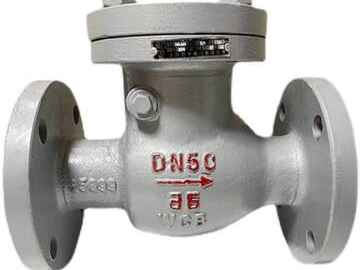
Understanding Cast Steel Steam Check Valves and Their Key Features
What Makes Cast Steel Valves Essential for Steam Applications?
Cast steel construction gives the structure the strength it needs for harsh steam conditions where temperatures can go above 400°C and pressures can hit several hundred PSI. Cast steel, unlike lighter materials, keeps its shape even when temperatures change, so it doesn't bend or shift, which can affect how well it seals. With the casting process, makers can make complicated internal shapes that improve flow dynamics while keeping thick walls to keep pressure in. Carbon steel types like ASTM A216 WCB are most common in steam service, while chrome-moly alloys (WC6, WC9) are used in power plants and industrial plants for superheated tasks.
When the flow speed changes, the internal disc system reacts right away and closes itself when the forward flow stops or turns around. Because they work passively and don't need any outside power or human input, these valves are naturally reliable. Different types of valves have different disc designs. For example, swing check valves have a flexible disc that moves out of the flow path to keep the pressure low while the valve is working normally. Lift check valves have a directed disc that rises vertically with flow. This makes it possible for vertical pipes to be tightly shut off. For setups with limited room, wafer-style designs fit between flanges, which reduces the total system footprint and weight.
Key Performance Parameters That Define Valve Suitability
A very important feature is the operating temperature range. Standard cast steel valves can handle steam temperatures up to 425°C. For uses involving superheated steam, special high-temperature types can handle temperatures up to 540°C. According to ASME B16.34, pressure values are based on classes, with Class 150 being good for low-pressure HVAC systems in buildings and Class 2500 being needed for very high-pressure process uses. The highest working pressure in your system must be within the valve's stated capacity, giving you enough room for error.
You can tell if a valve size meets your output needs by looking at its flow capacity, which is shown by the Cv coefficient. When valves are too small, they cause too much pressure drop, which makes pumps work harder and waste energy. When flow rates are average, valves that are too big might not fully open, which can cause disc flutter and wear to happen too soon. Manufacturers give you flow charts that show the relationship between pressure drop and flow rate for each valve size. This helps you figure out which width is best for your needs. Connection type is also important. Flanged ends work well for fixed installs in large-diameter pipes, while threaded connections are better for smaller lines and uses that need to be taken apart and put back together again and again.
Material Selection: Balancing Performance and Environment
Depending on the quality of your steam and the weather, you can choose between carbon steel, stainless steel, and special metals. Carbon steel bodies with stainless steel fittings work well in clean steam systems with few acidic contaminants at a low cost. Full stainless steel construction (CF8M grade), which doesn't rust or crack, is good for buildings that deal with wet steam or vapor that has dissolved oxygen in it. For tough chemical working settings where steam comes into touch with aggressive media, duplex stainless steels are strong and resist corrosion better.
Careful material matching is needed for internal parts. Most seat rings and disc faces are made of sharpened stainless steel or stellite hard-facing to protect them from wear and tear from fast-moving steam and particles. Spring materials need to stay flexible across a wide range of temperatures. Inconel and high-chrome metals keep their spring force at high temperatures, where regular carbon steel springs would lose their tension. Pay attention to the gasket and packing materials as well. Graphite and PTFE alloys close well across wide temperature changes without breaking down or losing their shape.
Criteria for Choosing the Right Check Valve: A Demand Matching Approach
Defining Your Application Requirements with Precision
To begin, write down exactly how your method is working. Write down the highest and lowest steam pressures that your cast steel valve will experience, as well as any temporary pressure spikes that happen during the starting and stop processes. Extreme temperatures are just as important as steady-state working temperatures. Write down both, as well as any thermal cycle patterns that put the valve through repeated expansion and contraction. Average, peak, and minimum flow rates should be included because valves must work reliably across this whole range without buzzing or sticking.
Your choices are greatly limited by the limitations of the installation. Manufacturers define the minimum distances needed for proper flow development, so measure the lengths of straight pipes that are available upstream and downstream of where the valve is supposed to go. The type of valve you choose depends on whether the pipes are oriented horizontally or vertically. Swing check valves work best in horizontal lines, while lift designs work best in vertical upflow setups. Access for maintenance should be thought about. For disc cleaning, some valve styles need to be taken out of the line, while others have cover designs that let you get to the inside without taking the whole thing apart.
Comparing Valve Types Against Your Operational Needs
Each type of check valve has its own specific benefits that can be used in different situations. Swing check valves keep the pressure drop to a minimum by moving the disc out of the flow line. This makes them perfect for situations where saving energy is important. Compared to slam-shut designs, their slow closing action lessens the impact of water hammer. However, they need enough room for the disc to rotate, and they might not close well in systems with slow flow rates. Boiler feedwater systems, steam distribution heads, and large-diameter process lines are all common uses where pressure saving is important.
Because they are made with a guided disc, lift check valves seal better than other types, and they can shut off bubble-tight even when the difference pressure is low. The vertical lift action works perfectly with vertical pipes, and gravity helps the disc close. Their small size makes them better for tight areas than swing types. The trade-off is that the disc stays in the flow line, which causes the pressure drop to be greater. Process engineers choose lift designs for places where backflow has to be completely stopped, like turbine extraction lines, pump discharge protection, and the steam inlets of chemical reactors, where even small amounts of backflow can be dangerous.
Wafer check valves save room and weight, which is good for platforms that need to be light or retrofitted. When put in between normal flanges, they don't need any other fasteners besides the through-bolts, which saves money on both work and materials. Spring-loaded disc shapes make sure a tight seal no matter which way the flow is going, so they can be used for pipes that are horizontal, vertical, or at an angle. The small shape works well in situations where the steam check valve face-to-face size limits what can be done. Wafer designs are often chosen by building HVAC systems, food processing plants, and light industrial steam users because they offer a good mix of performance and cost.
Material Comparison: Matching Alloy to Environment
Carbon cast steel valves are the most cost-effective way to serve clean steam in controlled settings. When combined with stainless steel internals, ASTM A216 WCB bodies can handle temperatures up to 425°C and will last for decades if they are properly kept. Carbon steel structure is a great choice for buildings with indoor installations, controlled condensate chemistry, and regular repair programs. Because the cost of materials is cheaper, more money can be spent on high-end features like hard-faced seats or bodies that are too big to last as long.
When corrosion protection is very important, the extra cost of stainless steel structure is worth it. Chlorides, acids, and water don't damage CF8M (316 stainless) bodies as quickly as they do carbon steel. Stainless steel building is needed to keep things from breaking too soon in coastal areas, chemical plants, and places where wet steam or acidic condensate is used. The material's natural resistance to rust means that it doesn't need to be maintained as often and can last longer between replacements. This often makes up for the higher initial investment through lower lifespan costs. Stainless steel is also good for uses that need to be cleaned often or meet sanitary standards, like medicinal and food-grade steam systems.
Alloy steel can be used in extreme working situations that are too hard for regular steel to handle. Chrome-moly grades (ASTM A217 WC6, WC9) stay strong at superheated steam temperatures above 480°C, so they can be used in power plant steam lines and industrial reformers. Duplex stainless steels are stronger than carbon steel and are better at resisting rust. They can handle harsh chemical conditions that would normally damage carbon and austenitic stainless steels. These unique materials come at a high cost, but they are necessary when normal materials can't handle the conditions of the job.
Maintenance Considerations and Lifecycle Planning
The shape of the valve has a big effect on how often it needs to be maintained. Bolted bonnet designs let techs do in-line maintenance, which means they can remove the top cover to get to the internal parts without having to cut out the whole valve body. This feature cuts down on repair downtime and labor costs, especially for big valves that need heavy lifting tools to be taken off. Welded cap designs get rid of possible leak paths, but when internal parts wear out, valves need to be replaced or special repair methods need to be used.
Inspection times and wear rates are based on the materials of the seat and disc. Soft-seated valves with rubber rings work very well at closing, but they need to be replaced every three to five years because the material breaks down when exposed to heat and steam. Metal-seated designs with hard-faced surfaces can handle higher temps and last longer, usually 10 to 15 years before they need to be fixed up. However, metal-to-metal sealing may allow a small amount of loss compared to soft seats, which makes them less useful in places where zero-leakage norms are needed.
Coatings on the outside of valve bodies keep them from rusting in storage and during service. Coatings made of epoxy or polyurethane don't react with water or harsh chemicals, which makes them great for outdoor projects or places where plants are constantly corroding. It's possible that stainless steel and metal valves don't need to be coated, but good protective finishes do a lot for carbon steel bodies. The coating you choose should be able to withstand the conditions it will be exposed to. For example, marine settings need special coatings that can withstand salt spray, while indoor installations can use normal industrial coatings.
Supplier and Brand Selection for Reliable Procurement
Evaluating Manufacturer Credentials and Capabilities
Certifications for manufacturing make sure that output rules and quality management systems work. With documented methods, calibrated tools, and processes for ongoing growth, ISO 9001 certification shows a dedication to consistent quality. Pressure equipment directions (PED) or ASME Section VIII certifications show that makers know how to follow the rules for designing pressure vessels and how to test them. Products" target="_blank" style="color:blue" >products that meet certain performance standards are given industry-specific licenses, such as API 6D for pipeline steam check valves or FM approval for fire defense uses.
Product supply and regularity are affected by how well a product can be made. When a company has its own foundry, it can directly control the quality of the casting by changing the alloys used and the heat treatment methods to make sure they meet exact specs. When machining, assembly, and testing are all done in-house by vertically integrated producers, the tolerances are better and wait times are shorter than when operations use multiple suppliers. When you visit factories, look at how clean they are, how new their equipment is, and how skilled the workers are. These things all have a direct effect on the quality of the products they make.
The ability to provide technical help is what sets exceptional providers apart from average ones. Companies that have engineering teams that help you choose the right valves offer more than just the product itself; they also help you find the best designs for complicated uses. Having access to application experts who can answer technical questions, look over installation plans, and fix operational problems is very helpful throughout the lifetime of the valve. Training programs that teach your repair staff the right way to service equipment cut down on downtime and make it last longer.
Commercial Considerations for B2B Procurement
When comparing prices, you need to look at more than just the unit cost. Ask for detailed quotes that include not only the price of the valve, but also any shipping costs, payment terms, and minimum order amounts that might change the total cost of buying the valve. Orders over a certain amount often qualify for volume rates. To save money, combine purchases when you can. Compare the total landing cost, which includes fees and taxes, for goods from different countries. Lower prices may not be as cheap as they seem once you add up the costs of importing them.
Lead times affect how projects are scheduled and how material is planned. Catalog items usually ship within a few weeks, but special designs need months for engineering, casting, and putting together. When suppliers keep a lot of stock on hand, transportation risks for immediate needs are lower. Build relationships with several qualified suppliers so that you have back-up choices in case your main sources experience capacity issues or shipping delays. Long-term supply deals make sure that supplies are given out first during times of high demand and may also lock in good prices.
Warranty terms show that the company that made the product is confident in its quality. Standard guarantees cover flaws in the materials and work for 12 to 18 months and protect against problems with the manufacturing process. Longer contracts or performance promises give you more peace of mind, but they may cost more. Know what the guarantee doesn't cover—misapplication, improper installation, and poor upkeep are common things that will cancel coverage. Write down the conditions of the installation and keep service records to back up guarantee claims if issues arise.
After-Sales Support and Customization Options
Having spare parts on hand makes it possible to fix things quickly when they break. Suppliers who keep a lot of extra parts on hand can quickly provide new discs, seats, springs, and seals, which cuts down on downtime. Standardizing parts across product lines makes inventory less complicated. For example, makers who use the same trim parts for a range of valve sizes make managing extra parts easier. Ask for part lists and pictures when you buy something to find out which parts wear out and need to be restocked.
Customization lets you meet specific application needs that normal catalog goods can't. Changes to the materials, special coatings, or bodies that are too big are made to work in harsh conditions or with odd fitting restrictions. When the needs of the application call for it, manufacturers with engineering design tools can change standard designs or make totally new ones. Custom goods often have minimum order numbers. This is because the costs of engineering and making the tools must be spread out over a large volume of production.
FLA Industrial & Trading Co., Ltd. has been making valves for almost 40 years and has ISO9001, CE, and UL certifications for their cast steel steam check valve, which meet world quality standards. Precision casting, CNC cutting, and strict testing methods are used in our factories in China to make sure that the parts are the right size and work reliably. We meet the needs of a wide range of industries, from HVAC systems to heavy industrial uses, with over 1,000 product specifications and the ability to customize them. We do this while maintaining affordable pricing without lowering the quality of our materials or building standards.
Conclusion
To choose the right check valve, you need to carefully compare the valve's powers to your unique operational needs. Cast steel steam check valve are used in high-temperature situations that are hard to handle because they are durable and stop overflow reliably, keeping expensive equipment from getting damaged. You can get the best performance and lifetime value by carefully comparing the pressure levels, temperature capabilities, material construction, and design features to the specifics of your application. Instead of just looking at the purchase price, you should also think about the total operating costs, which include how much energy it uses, how often it needs to be maintained, and how often it needs to be replaced. To build long-term supply relationships that help you reach your business goals, work with qualified makers who offer proven certifications, expert support, and reliable delivery.
FAQ
What makes cast steel different from stainless steel when it comes to check valves?
Cast steel valves made from carbon steel alloys are very strong and can handle high temperatures. They are also very cheap and can be used for clean steam service in controlled settings. Stainless steel construction is better at resisting rusting, which is important for environments with wet steam, acidic condensate, or rough situations where carbon steel would rust quickly. Stainless steel is much more expensive, but it lasts longer in acidic environments, which often justifies the higher price by requiring less upkeep and replacements more often. Carbon steel is good for projects that need to stay within a budget and will not be subject to harsh conditions, while stainless steel is best for harsh areas that need the highest level of corrosion protection.
How often should check valves be serviced and inspected?
How often you inspect relies on how bad the service is and how important it is to the business. For high-pressure steam uses, the outside needs to be checked for leaks and strange behavior every three months, and the inside needs to be checked once a year to see how the disc and seat are doing. Moderate-duty uses increase the time between checks to every six months for the outside and every two years for the inside. Even though it costs more, more frequent inspections are necessary to protect expensive equipment like turbines in critical situations. Systematically write down the results to find wear patterns that can tell you when something needs to be replaced before it fails.
What factors have the most impact on wait times for check valve deliveries?
Items from the standard list that come in common sizes and grades usually ship two to four weeks after they are in stock. Lead times are extended to 8–12 weeks to include planning, getting materials, and production for custom specs that need non-standard materials, pressure ratings, or connection types. Scheduling takes weeks longer when there are complicated certifications like NACE or specific testing needs. International shipping adds extra time for transportation and delays in clearing customs. Plan your purchasing schedules carefully, placing early orders for special items that take a long time to make and depending on standard items that can be shipped quickly for urgent needs.
Partner with FLA Industrial for Reliable Valve Solutions
Connect with FLA Industrial & Trading Co., Ltd., a reliable cast steel steam check valve maker that has been doing great work for almost 40 years, to make your buying process easier. Our wide range of products, from DN50 to DN300, accommodates diverse industrial requirements, from HVAC installations to heavy-duty process applications. We maintain rigorous quality controls throughout casting, machining, and assembly operations, validated through ISO9001, CE, and UL certifications that ensure compliance with international standards. Our technical team assists with valve selection, customization, and application engineering, ensuring you receive optimal solutions matched precisely to your operating conditions. Contact our specialists at sales@flaindustrial.com for detailed specifications, competitive quotations, and rapid delivery schedules that keep your projects on track and within budget.
References
American Society of Mechanical Engineers. (2020). ASME B16.34: Valves – Flanged, Threaded, and Welding End. New York: ASME International.
Skousen, Philip L. (2011). Valve Handbook, Third Edition. New York: McGraw-Hill Professional.
Zappe, R.W. (2004). Valve Selection Handbook: Engineering Fundamentals for Selecting the Right Valve Design for Every Industrial Flow Application, Fifth Edition. Houston: Gulf Professional Publishing.
Nesbitt, Brian. (2007). Handbook of Valves and Actuators: Valves Manual International. Oxford: Elsevier Science & Technology.
Smith, Peter & Zappe, R.W. (2003). Valve Selection and Specification Guide. Research Triangle Park: ISA – The Instrumentation, Systems, and Automation Society.
American Petroleum Institute. (2018). API Standard 6D: Specification for Pipeline and Piping Valves, Twenty-fourth Edition. Washington: API Publishing Services.