What's a Pipe Wrench and What is it Used For?
2026-04-28 11:14:02


A pipe wrench is a strong, flexible hand tool that is made to hold, turn, and move threaded pipes and cylinder fits precisely and forcefully. The tool works like a lever, with a floating hook jaw that wedges into place to make the bite tighter as the force grows. Regular pipe wrenches can handle plumbing chores, but an extra large pipe wrench can also work in harsh industrial settings and handle lines with diameters of 3 inches to 8 inches or more. In places like oil and gas, local waterworks, and mines where huge amounts of force are needed to put together or take apart large-bore fittings without hydraulic help, these specialized tools are a must.
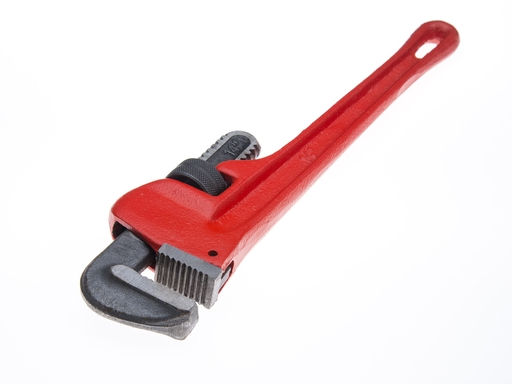

Understanding the Pipe Wrench: Definition and Uses
What Makes Extra Large Pipe Wrenches Different?
Standard and extra large pipe wrenches are different in how much they can hold and how strong their frames are. Standard types have jaw openings up to 2.5 inches and handle lengths ranging from 10 to 24 inches. They are good for plumbing in homes and light business work. Extra large versions, on the other hand, have handles that are 36 to 60 inches long and jaws that can hold things up to 8 inches wide. These are made to handle force loads of more than 3,000 ft-lbs.
These heavy-duty tools have I-beam handle cross-sections that make them less likely to bend while keeping their weight doable. Forging high-tensile ductile iron or aluminum alloy handles with chrome molybdenum jaws that go through differential heat treatment is how they are made. With this method, the jaw teeth get Rockwell hardness scores of 55–60 HRC for a better bite, while the shank stays at 40–45 HRC to prevent shear stress. This kind of engineering makes sure that the tool works effectively even when it's breaking loose connections on old infrastructure or working with muddy pipes in tough field circumstances.
Primary Industrial Applications
Extra large pipe wrenches are very important in many business-to-business (B2B) areas where dependability has a direct effect on project timelines and safety results. These tools are used in oil and gas drilling to connect drill strings and make surface casing joints on rig floors, which are dirty with drilling mud and have high temperatures. The wrench has to keep its grip on lines 6 inches or bigger that are coated with leftovers of oil production.
These tools are used by municipal utility teams to fix large-diameter cast iron and ductile iron water mains quickly. When turning heavy gate valves or threaded joints in flooded ditches where hydraulic equipment can't reach, the leverage is very useful. They are trusted by construction companies to install HVAC systems with lots of big supply and return ducts, especially when connecting industrial air handling systems to threaded pipe assemblies.
When corrosion causes joints to stop up totally, it can be very hard to work in heavy chemical processing plants and mines. When spark-producing power tools aren't allowed because of safety concerns, maintenance teams use extra large pipe wrenches to apply a lot of force manually. Because they can make enough force just through technical advantage, these tools can't be replaced in dangerous places. They are used by factories to maintain process pipes so that production lines can keep running while equipment is being serviced without having to be shut down for long periods of time.
How to Choose the Right Extra Large Pipe Wrench for Your Needs?
Evaluating Core Selection Criteria
When choosing the right heavy-duty pipe wrench for their work, procurement managers and engineers have to think about a number of factors. The jaw capacity is the most important technical feature, and it needs to be perfectly matched to the largest pipe width that will be found in normal work. When a wrench doesn't have enough opening range, techs have to make do with the wrong tools, which can be dangerous and damage the equipment.
The quality of the material has a direct effect on how long it lasts and how reliably it works. For regular use, alloy steel construction is very strong and long-lasting, while cast iron construction works well enough at a lower weight for rare use. Advanced types have handles made of an aluminum material that are about 40% lighter than handles made of ductile iron but still have the same power capacity. This weight reduction makes it much easier for operators to work without getting tired during overhead setups or when moving tools around big facilities.
Some things that go into ergonomic design are the feel of the handle grip, the position of the balance point, and how easy it is to get to the adjustment mechanism. Knurled or rubbery handle surfaces on tools make them easy to hold on to, even when workers are wearing heavy work gloves or their hands are dirty with oil. The adjustment nut should work easily and not have too much play, so the jaws can be put in place quickly. The thread should stay strong even after thousands of adjustments.
Comparing Adjustable Models and Design Variations
Depending on the task at hand, you can choose between straight jaw designs or flexible hook jaw designs. The floating hook jaw on traditional adjustable types pivots a little to make a wedging motion as pressure builds up. This design works great for grabbing round pipe surfaces and can work with small differences in the outside width of the pipe. Some operators think that the jaw mechanism's purposeful looseness is a sign of poor quality, but it's actually an important part of the design that lets the teeth bite deeper as the load increases.
Straight-jawed types have flat, straight gripping surfaces that are useful when working with hexagonal parts or square stock. These tools keep constant touch across the whole width of the jaw. This spreads the clamping forces more widely and makes it less likely that soft materials will get deformed. This type of jaws doesn't self-tighten like hook jaw designs do, so workers have to keep pulling pressure constant during the turn.
When businesses buy things, the image of the brand is very important because well-known companies always make sure the quality is high and back up their warranties. Companies that have been making things for decades have a track record of success in metals, heat treatment, and quality control. ISO 9001 and CE certifications show that a company follows international manufacturing standards. This means that you can be sure that the goods you buy meet basic performance standards. Instead of depending only on marketing claims, procurement teams should directly check these certifications by asking for proof of current compliance status.
Key Maintenance and Safety Tips for Extra Large Pipe Wrenches
Routine Care Practices That Extend Service Life
Regular repair routines have a big effect on how long heavy-duty pipe wrenches work and how reliable they are. Technicians should use a wire brush to remove any buildup from the jaw teeth after each use. They should pay special attention to the hook jaw pivot point, where mud and pipe scale tend to gather. This stops the buildup of material that gets in the way of properly placing the jaw and making holding less effective.
The mechanism for adjusting needs to be oiled from time to time with heavy machine oil or similar anti-seize chemicals. oil should be added to the threaded adjusting screw and nut assembly. The mechanism should be moved through its full range of motion several times to make sure the oil is spread out evenly. This practice keeps the threads from getting stuck and keeps the jaws in place smoothly even after being exposed to water and dirt. Because salt spray or chemical contact speeds up corrosion, operators who work in coastal settings or chemical processing plants should increase the frequency of lubrication.
How well and safely you can grip things depends on the health of your jaw teeth. Check your teeth often for cracks, chips, or too much wear that makes the tooth shape flat. When tooth height drops by more than 20% or when structural damage shows up, jaws need to be replaced because teeth that aren't strong enough can slip under high force loads, which is dangerous. Also, the hook jaw shank needs to be checked for any signs of bending or warping that would mean the tool has been used too much and could fail badly next time.
Essential Safety Protocols for Heavy-Duty Operations
When high-force uses happen, the right way to handle things keeps people from getting hurt and keeps tools from breaking. Positioning yourself to pull the wrench handle instead of pushing it will improve your body movements and control and lower your risk of getting hurt if the tool drops. When the fitting comes free, the worker should be able to stand on solid ground and have their weight evenly distributed so that they can handle the reaction force.
A popular but dangerous way to gain more power is to use cheater bars or pipe extensions. Manufacturers warn against this practice. These add-ons increase the force that is applied beyond the tool's design limits. This could cause the handle to break or the jaw to break, which can lead to serious injuries. It is better to use a bigger tool that is rated for the needed torque instead of making changes to an undersized model when current wrenches aren't enough to break stubborn connections.
Personal safety equipment is very important for keeping people from getting hurt while working on pipes. Safety glasses protect your eyes from metal shavings and scale that come loose when the pipe turns, and heavy work gloves protect your hands and make it easier to hold on to things. Steel-toed boots protect your feet from dropping tools or pipe sections. This is especially important when working with extra large pipe wrenches and the pipes they turn.
The choice of material affects both how well the tool works and how often it needs to be maintained over its lifetime. Chrome molybdenum alloy steel teeth are very hard and don't wear down easily, so the tooth profiles stay sharp even after thousands of holding cycles. Differential hardness heat treatment methods improve tooth bite while keeping the shank flexible so it can handle shock loads without breaking. When procurement teams understand these material science principles, they can better evaluate tool specs and predict upkeep needs based on the unique environments in which the tools will be used.
Where and How to Procure Extra Large Pipe Wrenches for Your Business?
Optimizing Procurement Channels
When setting up supply routes for specialized pipe wrench, B2B buyers have to make strategic choices. When a project needs a lot of items or sales that will be repeated, having a direct relationship with the maker can save you money on prices. With almost 40 years of experience, manufacturers like FLA Industrial & Trading Co., Ltd. can offer expert advice during the design process. This makes sure that buyers choose the right models for their needs instead of just buying based on size.
Wholesalers play an important part by keeping a wide range of Products" target="_blank" style="color:blue" >products in stock. This lets buyers combine the purchases of multiple tools into a single transaction, which cuts down on shipping and administrative costs. These wholesalers usually carry more than one brand, which lets you compare them side by side and make quick purchases when project deadlines don't allow you to wait for direct orders from manufacturers. Established wholesalers also offer local guarantee service and handle returns, which makes getting help after the sale easier.
Online procurement platforms have changed the way businesses buy things by making prices clear, giving thorough specs, and letting users leave reviews that can be read during the evaluation process. These tools let buying managers do in-depth study on the market without having to spend time in sales meetings. Once they find the goods they want, they can start talking directly with suppliers. When you mix digital study tools with the old-fashioned way of buying things through relationships, you get effective mixed methods that use the best parts of both.
Maximizing Procurement Value
Strategic buyers know that stated prices are just a starting point and not the end price, especially when they buy a lot of something. When you talk to suppliers about the scope of the project, release dates, and the possibility of continuing to do business with them, they are often willing to be flexible with price. Annual contracts that promise minimum purchase amounts in exchange for lower unit costs are good for both buyers and sellers because they help sellers predict their income and buyers get good prices.
Tool prices and availability are affected by the time of year when people buy them. For example, in most regions, building activity picks up in the spring and early summer, which are also high demand times. If procurement teams plan ahead and place their orders during the slower winter months, they may be able to get better prices and avoid supply problems that happen when many big projects are competing for the same goods at the same time. To correctly predict future tool needs, this kind of planning ahead needs the purchasing offices and project management teams to work together.
Buying tools together in a package deal is often a better deal overall than buying each one separately. A full pipe fitting toolbox might include different types of wrenches, threading equipment, and inspection tools. Buying all of these things together can save you money over buying them separately. These packages also make sure that all the tools will work together and cover all of their capabilities. This lowers the chance of losing important tools after work has started.
Evaluating Supplier Reliability
A supplier's image includes more than just the quality of their products. It also includes how well they handle questions or concerns and how accurate their orders are. As part of their due diligence, procurement experts should ask current customers in related industries for references and then get in touch with those contacts to talk about their experiences. Through these talks, patterns of communication responsiveness, desire to deal with product problems, and adaptability in meeting unique needs become clear.
Manufacturers' warranty policies show how confident they are in their goods and make it clear how to handle problems like premature failures or production flaws. Comprehensive guarantees that cover flaws in both materials and workmanship for long periods of time are a sign of good manufacturing practices and good quality control systems. The warranty claim process should be easy to understand and cause as little downtime as possible. It would be best if there were choices for early replacement that would ship new tools before the faulty units are returned.
Infrastructure for after-sales support is especially helpful for foreign purchasing relationships, where language hurdles and different time zones can make it hard to talk to each other. Maintaining specialized export support teams with technical know-how and ease in English helps transactions go smoothly and problems are solved quickly. Clear documentation, such as English operation manuals, upkeep rules, and technical specs, helps end users learn how to use tools correctly across the company.
Conclusion
When choosing the right heavy-duty pipe wrench, you have to weigh the technical specs against the budget and working needs. Extra large pipe wrenches represent significant investments in industrial capability because they give workers the technical edge they need for important infrastructure work where dependability directly affects the success of the project and the safety of the workers. When you know about the material science, design principles, and performance differences between professional-grade tools and cheaper options, you can make smart purchases that will last.
There are a lot of different price ranges and feature sets on the market, so buyers can find tools that work perfectly with their specific applications. Whether you're providing building providers, oil field service companies, or local maintenance crews, the best jaw capacity, material construction, and ergonomic design all work together to make sure workers are safe and productive. Regular repair and the right way to handle tools will extend their useful lives and keep workers safe during high-force operations.
FAQ
How do I determine the correct wrench size for industrial plumbing projects?
Match the wrench's jaw capacity to the biggest pipe width you usually work with and then add about 20%. For projects that involve 4-inch lines, you need a wrench with jaws that open at least 5 inches. Think about the length of the handle based on how much torque is needed. Longer handles give you a mechanical edge, but they need more room around the work area.
What maintenance schedule should facilities implement for heavy-duty pipe wrenches?
In harsh settings like chemical or sea work, clean and oil tools after each use. In climate-controlled factories, inspection and cleaning once a week are enough. If you use your jaws a lot or when you can see tooth wear, you should replace them every year. Do official safety checks every three months and write down what you find about the jaw's state, the handle's integrity, and how the adjustment mechanism works.
Are adjustable pipe wrenches more practical than fixed models for heavy-duty industrial work?
Adjustable types are more useful for working with pipes of different sizes because they don't need as many specialized tools. Through wedging physics, the floating mouth design makes for a better gripping action. Fixed jaw types work best in high-volume production settings where pipe sizes stay the same. They are a little faster to use because they don't need to be adjusted between uses.
Partner with FLA Industrial & Trading Co., Ltd. for Premium Extra Large Pipe Wrench Solutions
Our company knows how important it is to have reliable tools in order to keep operations running smoothly in harsh industrial settings. Every extra large pipe wrench that FLA Industrial & Trading Co., Ltd. makes is the result of nearly 40 years of experience making high-quality tools. We use precise casting, advanced machining, and strict heat treatment processes to make them. Our ISO 9001 and CE-certified factories keep a close eye on quality throughout the whole production process to make sure that every tool meets the standards for professional use.
We are a reputable extra large pipe wrench maker that works with Fortune Global 500 companies. Our product lines cover over 1,000 specifications and are made for the plumbing, building, oil and gas, and manufacturing industries. As an application consultant, our expert team can help you choose the best tool configurations for your needs, whether you need standard adjustable models or custom designs for specific settings. We are your key partner when you need to buy industrial tools because we offer competitive wholesale prices, reliable foreign shipping to the US and other countries, and helpful customer service.
Email our sales team at sales@flaindustrial.com to talk about your needs, get more information, or set up a product presentation. We would love the chance to show you how our dedication to quality, innovation, and customer service can help your business succeed by giving you reliable, high-performance tools that are made to handle the hardest challenges in the industrial world.
References
American Society of Mechanical Engineers. ASME B107.110: Hand Torque Tools - Pipe Wrenches. New York: ASME Press, 2019.
Oberg, Erik, et al. Machinery's Handbook, 31st Edition. New York: Industrial Press, 2020.
National Institute for Occupational Safety and Health. Ergonomic Guidelines for Manual Material Handling. Cincinnati: DHHS Publication, 2021.
Peterson, Richard M. Industrial Tool Design and Application: Principles and Practice. Boston: Engineering Publications, 2018.
Society of Manufacturing Engineers. Metal Forming: Processes and Equipment Selection. Dearborn: SME Technical Publications, 2020.
Williams, David J. Maintenance and Reliability Best Practices for Industrial Equipment. New York: McGraw-Hill Professional, 2019.