What is the Purpose of Motor Housing?
2026-04-27 14:06:41


Electric motors are protected from damage from the surroundings by motor housing, which also keeps the structure strong and the working conditions just right. This special case, especially the aluminum motor housing, protects the stator, rotor, and windings, which are all important parts of the motor. In addition to basic security, the housing is an integrated thermal management system that effectively removes heat, keeps dust and moisture from getting inside, and provides mounting points for safe installation. Maintaining exact internal standards, lowering electromagnetic interference, and making sure safe operation are all part of the goal. This is especially important in industrial settings where motors have to deal with tough conditions like vibrations and high temperatures.
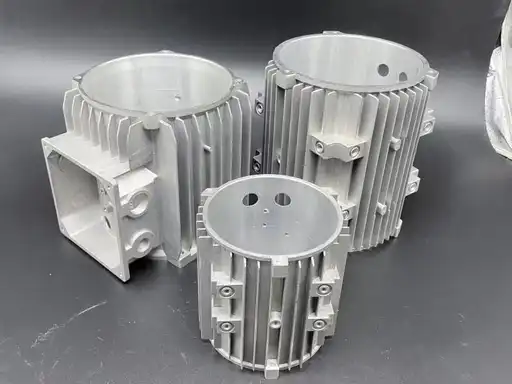
Understanding Motor Housing and Its Core Functions
Motor casings are important parts of infrastructure that determine how long equipment lasts and how well it works in industrial settings. When purchasing parts for machines, tools, and factory systems, buying managers can make better decisions when they know what the parts are really used for.
Structural Protection and Environmental Shielding
The main job of any motor cover is to keep outside threats from getting to the electrical and mechanical parts inside. Motors work in a wide range of situations, from clean plant halls to dusty building sites, from humid marine environments to places that process chemicals. If the housing isn't right, water can get into the windings and break down the insulation, which can lead to short circuits. When dust builds up on moving parts, it causes more friction and wear. Corrosive substances attack metal surfaces that are uncovered, which causes them to fail too soon.
These environmental dangers can't get through good housings made of materials like aluminum alloy or cast iron. The ingress protection grade of the shelter tells you how well it keeps solids and liquids out. Industrial motors usually need grades between IP54 and IP67 to make sure they work reliably even when they are hit with water jets or briefly submerged in water during cleaning.
Thermal Management and Heat Dissipation
Electric motors make a lot of heat when they're running because the windings fight electricity and the wheels rub against each other. Too high of temperatures speeds up the breakdown of insulation, lowers efficiency, and shortens the useful life of an item. This problem is solved in motor housings by using materials and design elements that help cool things down.
When it comes to temperature management, aluminum motor housing works great because it moves heat around three times better than cast iron. Because it is so good at transferring heat, the housing can also act as a heat sink, taking heat away from the inside parts and releasing it into the air. The natural qualities of the material help motors maintain safe operating temperatures without the need for extra cooling systems in many situations.
Ribbed or finned patterns on the outside help heat escape even more by exposing more surface area to air. These design features work especially well in places with little air flow or high-power motors, where controlling temperature is important to keep equipment from shutting down and making it last longer.
Mechanical Support and Vibration Control
The structure that keeps moving and fixed parts perfectly aligned is provided by motor housings. The stator is safely attached to the inside wall of the box, and the rotor shaft is held in place at each end by bearing supports. This exact design makes sure that there are always even gaps of air between the rotor and the stator, which has a direct effect on how well and efficiently the motor works.
When the machine is working, electromagnetic forces and mechanical errors can cause vibrations that can spread through the supporting structures. Vibrations are slowed down by strong house construction, which also lowers noise levels and keeps associated equipment from getting damaged. The rigidity of the case also protects sensitive internal parts from hits from the outside that could happen during shipping, installation, or normal use in industrial settings.
Electromagnetic Shielding
Motors create electromagnetic fields that can mess up electronic gear that is close by, especially when variable frequency drives or precision control systems are used. Conductive housing materials, like metal, naturally block electromagnetic interference. This keeps radio frequency interference inside the enclosure and away from nearby sensitive tools or communication systems.
This ability to shield is especially important in medical equipment, lab tools, and automatic manufacturing systems that need to be very compatible with electromagnetic fields. The housing works like a Faraday cage, keeping the motor safe from electromagnetic shocks from the outside and protecting nearby electronics from the motor's electromagnetic emissions.
How Aluminum Motor Housing Enhances Motor Performance?
The choice of material has a big effect on how well and how often the motor needs to be maintained. Aluminum has become the material of choice for many uses because it has certain physical qualities that directly improve motor performance and long-term cost-effectiveness.
Superior Heat Dissipation Capabilities
Cast iron has a thermal conductivity of about 50 W/m·K, while aluminum's runs from 90 to 160 W/m·K based on the alloy makeup. In real life, this basic difference means that the working temperatures are much lower. Insulation lasts longer when the temperature is lower. In fact, studies show that every 10°C drop in working temperature can double insulation lifespan.
In real life, this thermal edge means that motors with aluminum motor housing can handle more power without getting too hot. Manufacturers can make smaller motors that work just as well as bigger cast iron motors, or they can run motors at higher steady loads without going over their temperature values. Both scenarios offer real benefits for people who build equipment and people who use it, who want to make the best use of room and run their businesses more efficiently.
On exposed areas, the material naturally makes a stable oxide layer, which doesn't keep heat in like rust does on steel but actually helps heat flow. This feature makes sure that the motor's temperature performance stays the same over its lifetime, without getting worse because of surface rust.
Lightweight Construction Benefits
Aluminum weighs about one-third as much as steel or cast iron because it has a density of about 2.7 g/cm³. This decrease in weight has many performance benefits that go beyond just being portable. When it comes to electric vehicles and hybrid cars, every kilogram of weight loss directly increases battery range and energy efficiency. Because the aluminum motor housing is lighter, designers can put more weight on the batteries or the payload while still keeping the goal car mass.
Less weight is good for all kinds of tools, from portable power tools and small equipment to heavy industrial machines. When used in handheld applications, lighter motors make operators less tired, lower the structural requirements for placing brackets and supports, and lower the costs of moving equipment to job sites or customer facilities. It is also easier to install because it is lighter, especially for fans that are mounted on the roof or overhead conveyors that require techs to work at heights.
When it comes to high-speed spinning machinery, a lighter housing lowers the system's friction, which makes it faster to speed up and slow down. You can use this dynamic performance edge in precision automation, robots, and variable-speed drives, where speed changes happen all the time.
Corrosion Resistance and Durability
The natural oxide layer that forms on aluminum surfaces makes them more resistant to rust than steel or cast iron that hasn't been protected. This inactive protection layer fixes itself when it gets scratched or worn down, so the case will stay corrosion-resistant for as long as it is used. In outdoor settings, marine environments, or places that work with chemicals that eat away at metal, this feature greatly increases the time between motor services and lowers the amount of upkeep that needs to be done.
Iron-based materials rust and weaken when they come into contact with water. Aluminum, on the other hand, keeps its shape even after being exposed to water for a long time. This means that replacement costs will be lower, and there will be fewer sudden breakdowns in mission-critical apps. The substance doesn't break down easily when exposed to UV light, changes in temperature, and many industrial chemicals. This means it can be used in tough situations where regular housings would break down quickly.
When extra protection is needed, surface processes like painting, powder coating, or anodizing can make things even more resistant to rust. The finishes stick very well to metal bases, and they can be changed to match different tastes. They also last longer in harsh settings.
Guide to Procuring Aluminum Motor Housing for Your Business
To buy motor casings successfully, you need to carefully consider the technical needs, the supplier's skills, and the business terms. Quality problems and shipping delays are less likely to happen when standards are clear and suppliers are carefully evaluated.
Defining Technical Requirements
Clear specifications keep things from getting confusing and make sure that sellers quote similar goods. Start by writing down the type of motor, its power level, and how it will be mounted. These will decide the size of the housing and the structure that it needs. Set the needed ingress protection grade based on the location where the motors will be used. For example, outdoor sites usually need higher levels of protection than climate-controlled facilities.
When specifications are being made, thermal needs should be given a lot of thought for the motor housing. Figure out how much heat the motor is likely to produce based on its efficiency and duty cycle, and then make sure that the suggested building designs can handle the heat. Ask for thermal analysis or testing results that show the housings stay within acceptable temperature ranges when they are used as planned.
Dimensional errors have a direct effect on the quality of the building and the function of the motor. Tolerances must be very close, usually within 0.02mm for bearing fits, for important measurements like bearing hole concentricity, stator pocket diameter, and mounting face perpendicularity. Make sure that providers know what quality standards you have by being clear about these requirements, as well as measurement methods and acceptance factors.
Surface finish needs depend on how well you want to protect against rust and how you want the surface to look. You can choose a simple as-cast finish, powder finishing, wet painting, or anodizing. There are differences in how long each treatment lasts and how much it costs. Powder coating is popular for industrial uses because it is resistant to rust well, comes in a lot of colors, and doesn't cost too much.
Evaluating Supplier Capabilities
Choosing the right supplier has a big effect on the quality of the product, the reliability of shipping, and the total cost of purchase. Check out the company's industrial skills, such as its casting methods, cutting tools, and quality control systems. Suppliers who do their own die-casting usually have better cost control and faster wait times than those who hire outside companies to do the casting.
ISO9001 recognition means that quality management systems have been in place for a while, but certification by itself doesn't mean that the system will work well. Ask for details on specific quality control processes, such as the steps for inspecting incoming materials, keeping an eye on work in progress, and doing final tests. Suppliers who use coordinate measuring tools to check measurements and do leak tests on liquid-cooled housings show a level of quality commitment that goes beyond what is required for approval.
Different providers offer very different levels of technical help. Look at the technical tools that are out there to help with improving designs, making prototypes, and fixing problems in production. When it comes to custom housing designs, suppliers that offer 3D models, mold flow analysis, and application engineering help are more valuable than those that only offer manufacturing services.
When demand changes, delivery dependability is affected by how much production capacity and freedom there is. Find out how long it takes for suppliers to make both standard goods and unique designs. Find out about the minimum order size, how the inventory is managed, and any choices for faster shipping. Suppliers who keep popular setups in stock can complete orders faster than those who only make things when they are ordered.
Understanding Pricing and Commercial Terms
The price of an aluminum motor housing depends on how complicated the design is, how many are made, what materials are used, and how the housing is finished. Get quotes that are very specific and list the prices of materials, tools, machining, and surface processes. This openness makes it possible to compare prices between sellers in a useful way and finds ways to improve things.
When making unique housings, the initial cost of the tools is very high. This is especially true for die-casting, where molds can cost tens of thousands or even thousands of dollars. Make it clear who owns the tools, who is responsible for upkeep, and how long they are expected to last. Some providers spread the cost of tools over the first few units they make, while others charge for each one separately. This has a different effect on the total cost of the job.
Lead times are split between regular goods that can be bought right away and unique designs that need to have tools made. Standard housings may be sent out within days, but custom projects usually take 7–15 weeks, which includes validating the design, making the tools, sending out samples, and starting to mass produce. Plan your buying timelines properly, leaving extra time in case there are delays during the development stages.
Payment terms and logistics plans are the last parts of business talks. Find out what payment options are available, what the credit terms are, and if there are any bulk discounts that apply to bigger buys. Make it clear who is responsible for foreign shipping costs, insurance, and customs paperwork. These factors change the total cost of landing and the amount of cash that is needed.
Practical Applications and Case Studies of Aluminum Motor Housing
Implementations in the real world show how choosing the right material affects motor performance, running costs, and system design in many different fields. These examples show decision factors that procurement workers should think about when looking at housing choices.
Industrial Manufacturing Equipment
A big company that makes textile gear had problems with their weaving looms' motors breaking down often because they got too hot. The first motor housings made of cast iron couldn't get rid of heat properly in the enclosed machine frames where they were placed. By using aluminum housings with better fin designs, working temps dropped by 18°C, preventing early failures and increasing maintenance intervals from three times a year to once a year.
Because of the better thermal performance, the maker was able to increase the motor power by 15% without going over the temperature limits. This made the loom go faster and more things could be made. Even though cast iron housings are 40% cheaper than aluminum motor housing alternatives, the added stability, lower upkeep costs, and higher production capacity made the aluminum motor housing worth the extra cost within eight months of introduction.
Electric Vehicle Traction Motors
A company that makes traction motors for hybrid cars had to make the motors as light as possible while still getting the most power out of them. The engineering team came up with a liquid-cooled aluminum motor housing with cooling tubes inside that moved coolant around the stator. The aluminum construction had two benefits: it was good at moving heat from the stator to the coolant, and it was also less dense than similar cast iron designs, which cut the weight of the motor by 8.5 kg.
In standardized tests, this weight loss directly increased the fuel efficiency of the car by 0.3%. This is a big benefit in automotive uses where regulations require constant efficiency increases. To make sure there were no holes in the cooling tunnels inside the housing that could let water in, the design of the housing needed complex die-casting and advanced mold technology. For the project to go smoothly, the motor creator and the casting provider had to work together closely.
HVAC Systems and Compressors
Commercial air conditioners are outside all the time, so the motors are exposed to rain, humidity, and changes in temperature. After having problems with corrosion that hurt both the look and the strength of their compressor motors, a major HVAC maker moved from painted steel housings to powder-coated aluminum ones.
During rapid salt-spray tests, aluminum motor housing with marine-grade powder coating showed better corrosion resistance. After 1,000 hours, they had almost no degradation, while steel samples had obvious rust and coating delamination after 500 hours. In the field, the results from the lab were confirmed. Motors with aluminum motor housing kept looking good and working well after five years in coastal sites where steel motors had to be replaced every three years.
The change made housings 25% more expensive, but warranty claims dropped by 60% and customer happiness scores went up in a meaningful way. The longer service life and lower maintenance needs created a lot of value for both the company that made the motors and the people who use them in big setups with hundreds of motors.
Emerging Trends and Innovations
Motor case technology keeps getting better to keep up with the needs of the business. For motor uses, new aluminum alloys that are better at conducting heat while still being easy to make and strong mechanically are available. Some modern alloys have copper or graphene added to them, which makes their thermal qualities better than those of regular metals.
Integrated cooling designs are another area of innovation. Housings have complex internal shapes that make heat movement as efficient as possible. Currently, the high prices of additive manufacturing keep it from being widely used outside of high-value fields like aircraft and racing. However, it does allow for cooling channel designs that could not be made with traditional casting methods.
More people are interested in recycled metal material because they care about the environment. Aluminum is very easy to recycle because it can be burned down and remade many times without losing any of its properties. This makes it a good material for circular economy projects. Suppliers that make housings from metals that have a lot of recovered content help customers meet environmental goals while still meeting performance standards.
Conclusion
Motor housing is very important for many reasons that have a direct effect on how reliable, well, and cheaply equipment works in many industrial settings. In addition to keeping sensitive interior components safe from outside threats, the enclosure handles thermal loads by effectively dissipating heat, provides structural support to keep components aligned precisely, and blocks electromagnetic interference. Making the right choice of material is very important. Aluminum motor housing is much better than standard cast iron or steel at managing heat, reducing weight, and resisting rust. For procurement to go well, there must be clear technical specifications, a careful review of suppliers, and a full understanding of the application needs. Motor housing designs keep getting better as manufacturing methods get better and industry needs change. This is done by using better alloys, new ways to cool them down, and eco-friendly materials that are good for both the maker and the consumer.
FAQs
What makes aluminum superior to cast iron for motor housings?
Aluminum is about three times better at transferring heat than cast iron. This means that heat can be removed more efficiently, which increases the power density and makes motors last longer. The material is about one-third as heavy as cast iron, which lowers the cost of shipping and makes installation easier. It also makes mobile apps use less energy. Aluminum's natural oxide layer also makes it resistant to rusting. This means that aluminum doesn't rust like iron-based materials do in damp or outdoor settings.
How do I specify the right housing for my motor application?
Describe the motor's power level, how it will be mounted, where it will be used, and its temperature needs. Give the required entry protection grade based on how much dust and water will be coming in. Find the most important sizes and standards, especially for fixing surfaces and bearing bores. Think about whether normal plans will work for you or if you need custom engineering. Give this information to possible providers so they can help you choose the right housing styles and materials.
What quality standards should I expect from motor housing suppliers?
Suppliers with a good reputation keep their ISO9001 certification, which shows that they have built quality control systems. You can expect coordinate measure machines to check the sizes, material makeup analysis to make sure the alloys meet the specs, and leak tests for designs that are cooled by liquid. Suppliers should give you paperwork like material certificates, measurement records, and instructions on how to treat the surface. Before you place an order, find out more about the inspection process and acceptance standards.
Can aluminum housings handle high-temperature motor applications?
At motor working temperatures, which are usually below 150°C for most uses, aluminum alloys keep their mechanical traits. The material's high thermal conductivity helps with high-temperature tasks by moving heat away from important parts quickly and effectively. When built correctly, aluminum motor housing can make motors run cooler than cast iron counterparts in the same uses. This means they can be used in harsh thermal environments.
Partner With FLA Industrial for Reliable Aluminum Motor Housing Solutions
FLA Industrial & Trading Co., Ltd. has been making things for almost 40 years, and our team adds that experience to every aluminum motor housing job. We know the technical needs and buying problems that hardware dealers, contractors, and industry buyers have when they need to find important parts. With our precision casting and machining skills, we can make housings that meet strict quality standards and dimensional limits that have been checked by ISO9001-certified methods. We offer reliable options with short lead times, whether you need standard setups from our large collection or custom designs made to fit your needs. Get in touch with our expert sales team at sales@flaindustrial.com to talk about your motor housing needs with an experienced aluminum motor housing seller who wants to help you succeed by giving you good Products" target="_blank" style="color:blue" >products and quick service.
References
Chapman, Stephen J. "Electric Machinery Fundamentals: Fifth Edition." McGraw-Hill Education, 2012. Chapter 8: Motor Construction and Thermal Management.
American Society for Testing and Materials. "ASTM B85-03: Standard Specification for Aluminum-Alloy Die Castings." ASTM International Standards Organization, 2003.
Boglietti, Aldo et al. "Evolution and Modern Approaches for Thermal Analysis of Electrical Machines." IEEE Transactions on Industrial Electronics, Vol. 56, No. 3, March 2009.
Davis, Joseph R. "Aluminum and Aluminum Alloys: ASM Specialty Handbook." ASM International Materials Engineering Reference Series, 1993.
National Electrical Manufacturers Association. "NEMA MG 1-2016: Motors and Generators Standard." NEMA Standards Publication, 2016.
International Electrotechnical Commission. "IEC 60034-5: Rotating Electrical Machines - Part 5: Degrees of Protection Provided by Integral Design of Rotating Electrical Machines." IEC Standards, 2020 Edition.