OEM Permanent Screw Jack Solutions for Equipment Makers
2026-04-27 11:14:51


Permanent screw jacks are becoming a more and more important design element for equipment makers looking for reliable lifting and positioning systems. These mechanical devices change circular motion into linear motion. They help industrial tools, assembly systems, and heavy-duty equipment precisely control the load. Unlike hydraulic or pneumatic options, permanent screw jacks offer a mechanical edge through beautifully simple engineering. They let equipment manufacturers include self-locking, adjustable support systems that need very little power from outside sources. When making equipment that will last a long time in tough conditions, it's important to know what features and customization options are available through specialized screw jack solutions. This will help you stand out from the competition and make sure the equipment works well.
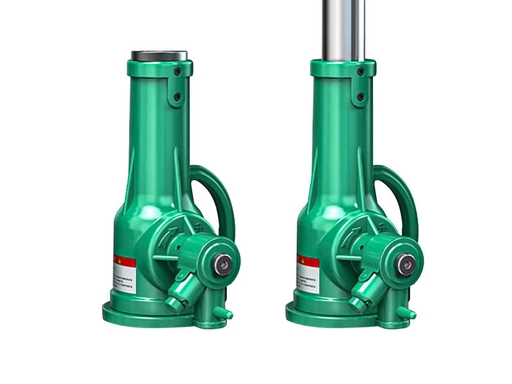
Understanding Permanent Screw Jacks and Their Role in OEM Equipment
We at FLA Industrial & Trading Co., Ltd. have spent almost forty years getting better at knowing how mechanical lifting solutions fit into the process of making original equipment. A permanent screw jacks system is made up of three main parts: a threaded spindle, a nut assembly that fits on top of it, and a strong case that holds and protects these precise parts.
Core Operating Principles
The clever way these devices work is by turning rotational input into controlled movement in either the vertical or horizontal direction. The thread engagement creates linear motion when the spindle turns inside the stationary nut, or the other way around based on the setup. Because of this mechanical edge, workers can lift loads that are much bigger than they could with their own strength. Our engineering team makes sure that each part is made to transmit loads as efficiently as possible while still having a small size that makes it easy to fit into a wide range of equipment designs.
Customization Capabilities for Equipment Makers
OEM uses need more freedom than what's available off the shelf. Temperature ranges, exposure to contaminants, space limitations, and load cycle patterns can all be very different in manufacturing settings. We deal with these problems by picking the right material for the job. You can pick from alloy steel for maximum strength, stainless steel for environments that rust, or carbon steel for normal uses that don't cost much. The lead screws are heated through tempering and cooling to make the surface harder and more resistant to wear. The nuts can be made of bronze for better load distribution or industrial plastics when weight reduction is important.
Surface treatments make operations last a lot longer. Our spray-painted finishes protect against basic damage, and special coats that are resistant to corrosion protect against chemical contact and water getting in. When used in dusty places, equipment benefits from built-in dust covers that keep the threads in good shape without needing to be serviced often. Lubrication connections can be placed in a way that makes regular maintenance easier without having to take apart the equipment around them.
Manual and Electric Configurations
Depending on the needs of the product, either manual or power actuation will work best. Manual versions are best for situations that only need to be adjusted occasionally, for backup systems in case of an emergency, or for tasks that can't be done with electricity. Because trapezoidal and Acme thread profiles self-lock, loads stay safely in place even when power isn't being applied continuously. This is an important safety feature for equipment that supports people or expensive parts.
When screw jacks are powered by electricity, they become automatic positioning devices. When synchronized across multiple units, they allow exact leveling of large platforms, coordinated lifting of uneven loads, or height changes that are programmed and built into production processes. Our tech support helps you figure out the motor power needs, gear reduction ratios, and how to integrate the control system so that it works with your equipment.
Our manufacturing method is modular, which means that it includes precise cutting, grinding, milling, heat treatment, assembly, and thorough testing. This makes sure that all production runs are the same. This level of dependability becomes part of the image of your equipment, which lowers warranty claims and raises customer happiness.
How to Choose the Right Permanent Screw Jack for Your Equipment?
To choose the right lifting devices, you need to carefully compare scientific factors with real-world operating conditions. There are a lot of factors that affect long-term success and cost efficiency for procurement managers and design experts using permanent screw jacks.
Load Capacity and Safety Factors
Our product line has listed capacities ranging from 500 kg to 100 tons, so it can be used for a wide range of tasks, from positioning sensitive instruments to heavy industrial press systems. The safety factor is the ratio between the maximum strength and the working load limit. In our plans, it's usually between 2:1 and 4:1. Higher safety factors can handle shock loading, shaking, or situations where it's hard to get an exact reading of the load. When stating the required capacity, you should take into account not only the static weight but also the dynamic forces that happen during acceleration, braking, and working vibration.
Environmental Considerations and Material Selection
The performance of a material is affected by its operating temperature range. Our basic designs work successfully from -20°C to +80°C, which is most industrial settings. Extreme cold can change the viscosity of a fluid and the ability of metal to bend. On the other hand, extreme heat speeds up wear and may need more cooling. Chemical exposure, such as from cleaning agents, process fluids, or corrosion in the air, determines the type of protected covering to use and how well it works with other materials. Stainless steel construction is the most resistant to chemicals, but it costs more than treated carbon steel options that are better for less harsh circumstances.
Spatial Constraints and Installation Flexibility
When designing equipment, strict size limits are often set. Because our thread geometries and material strength are optimal, our small profiles can fit into tight areas while still holding their full load capacity. Our usual lift heights range from 100 mm to 2000 mm, and you need to take into account both the extended and retracted measurements of your equipment when you set the height requirements. You can mount it on a top plate, a bottom flange, a clevis end, or with special connection points that fit perfectly with your structure.
Manual Versus Electric Models
The difference in speed between operating something by hand and using electricity goes beyond the cost of buying it. Electrical parts are not needed for manual operation, which makes upkeep easier and lowers the number of places where things can go wrong in harsh settings. But the cost of labor for making regular changes and the health risks that might come up when people turn handwheels while they're heavy may make motorization worth it. Electric models can be controlled from a distance, have sequences that can be programmed, and work with automatic production systems. The maintenance tasks change from checking for mechanical wear to keeping an eye on the electrical system and servicing motor bearings.
Comparative Brand Landscape
On the global market, there are well-known companies that specialize in different things. Bosch takes precision from the car industry and European engineering standards to business settings. Hilti uses its knowledge of the building business to make designs that are tough and can be used in the field. Enerpac focuses on making hydraulic and mechanical systems for big industry that can handle a lot of weight. Kenco specializes in integrating lifting and moving materials tools. Omega makes engineered systems for automating industrial processes. At FLA Industrial & Trading Co., Ltd., we offer affordable manufacturing efficiency from our Chinese production facilities, as well as the ability to customize Products" target="_blank" style="color:blue" >products and quick technical support that bigger international companies find hard to match for OEM applications.
When getting important parts, authorized delivery networks are very important. Having direct manufacturer ties, like the ones we have with our OEM clients, makes sure that the goods are real, that the technical documentation is correct, and that engineers can help with the design process. With this partnership method, fake parts can't hurt the safety and performance image of your equipment.
Cost Efficiency and Procurement Insights for OEM Buyers
The real economic value of permanent lifting jacks options built into your equipment designs can be found by looking at costs other than the initial purchase price.
Price Influencing Factors
The makeup of materials has a big effect on the costs of making things and, by extension, on prices. Because it has better mechanical qualities and is harder to heat treat, alloy steel construction costs more than carbon steel construction. Stainless steel is the most expensive material, but it's worth it when corrosion protection is needed for long-lasting tools. Lead screw heat treatment processes, like tempering and cooling, make the screw harder and more resistant to wear. These processes add steps to the manufacturing process that cost more but make service times much longer.
The level of technological complexity goes up as more tailoring is needed. Standard store items can be made more cheaply because they are made in larger quantities, but custom designs cost more to develop, require more tools, and set up. But custom solutions get rid of the trade-offs that come with changing general parts, and they can often lower the total cost of the equipment by making integration better. Our promise to respond within 24 to 48 hours to quotes, load confirmations, and 3D design plans speeds up the time it takes to complete your job and makes it clear early on what the total costs will be.
Comparative Technology Analysis
When it comes to dynamic uses, hydraulic lifting systems offer smooth, controllable motion. However, they are more complicated because they need pumps, fluid upkeep, seal wear, and the possibility of leaks polluting the environment. Mechanical screw jacks eliminate hydraulic infrastructure while providing self-locking security without continuous power consumption. Temporary shoring posts are useful for building, but they don't have the accuracy and stable load values that are needed for industrial equipment. Pneumatic actuators move things quickly, but they need systems that hold compressed air and don't have the mechanical staying power that screw mechanisms do.
Strategic Procurement Approaches
Strategies for buying in bulk take advantage of economies of scale while keeping store costs in check. Manufacturers of equipment whose production schedules are known can benefit from making blanket buy deals that lock in good terms while still allowing for flexible delivery. You can get better use of your working capital by negotiating longer payment terms, contract inventory deals, or vendor-managed inventory programs. It is important to carefully read the warranty terms and conditions. Knowing the length of coverage, the types of failures that are covered, and the service response times helps avoid complaints and figures out the value of long-term support.
Sourcing directly from manufacturers like FLA Industrial & Trading Co., Ltd. eliminates distributor markups while providing access to engineering expertise during the planning process. Our expert team works together to make sure that the specifications are as good as they can be, that cost-cutting possibilities exist through design changes, and that the product works with your equipment's operational profile. This partnership method changes your relationship with your vendors from just buying things to working together strategically, which makes you more competitive by making your tools work better and last longer.
Enhancing Performance and Future-Proofing Your OEM Applications
Because of the need to stay competitive, equipment skills and operating efficiency must always be improved. OEM companies that are on the cutting edge accept new technologies including permanent screw jacks that make their goods stand out in crowded markets.
Operational Optimization Strategies
Systematic performance analysis finds the problems that are slowing down work. If you have slow positioning routines, you might want to switch from manual jacks to motorized ones with customizable controls. Redistributing support points or placing higher capacity units in key areas can sometimes fix problems with how loads are distributed. Vibration analysis can show resonance conditions that can be fixed by changing the base or adding dampers. As part of our engineering help, we do on-site assessments that use both academic analysis and real-world field experience to find specific ways to make things better and show a clear return on investment (ROI).
Emerging Technology Integration
Trends in electrification go beyond simple motorization and include more complex motion control integration. Acceleration tracking is possible with variable frequency drives, which reduces shock loads and increases the life of mechanical parts. Closed-loop control systems can get accurate position reports from encoder input. Distributed I/O units let supervisory control systems connect to a network, which lets complex equipment setups be monitored from afar and operated in a coordinated way.
Automation turns jobs that used to be done by hand into programmable routines that can be repeated with accuracy down to the micron level. Automatic production systems that are driven by recipes change the shape of equipment to fit different product forms. This cuts down on switching time and eliminates human error. Predictive maintenance algorithms look at motor current signatures, cycle counts, and working conditions to figure out when service needs to be done so that production plans don't get thrown off.
Smart tracking systems with temperature monitors, vibration accelerometers, and load cells let you see what's going on in real time. Connecting to the cloud allows for online diagnostics, tracking of performance trends, and fleet-wide analytics that find ways to make all types of tools better. These features create data that helps with efforts to keep getting better and let you know early on when problems are starting to appear that need your attention.
ROI Demonstration Through Case Studies
A company in the Midwest that makes cars used our electric screw jack systems to replace hydraulic cylinders that often had seal failures and fluid leaks in tire assembly fixings. The change got rid of planned hydraulic repair, cut unexpected downtime by 40%, and made it easier to train operators. The payback time was only 14 months based on the money saved on upkeep costs alone, not taking into account the fact that the equipment was more available and workers were safer because hydraulic hazards were gone.
A furniture company on the East Coast brought old assembly lines up to date by adding our corrosion-resistant screw jacks with customizable position control. Automated height adjustments between product styles cut the time it took to switch between styles from 45 minutes to less than 5 minutes, and they also made the sizes more consistent. Within the first production season, the investment paid for itself through higher output and lower rates of scrap due to positioning mistakes.
These examples show that equipment makers who are willing to question traditional ways of doing things and adopt designed solutions that are tailored to specific operating needs can get real benefits. In addition to supplying parts, our job includes working with you to make measurable performance gains that set your equipment apart in a crowded market.
Conclusion
Permanent lifting jacka are tried-and-true mechanical solutions that meet important lifting, positioning, and load support needs in a wide range of OEM equipment uses. Threaded power transfer, self-locking security, and strong construction are the engineering basics that make these devices work so reliably that more complex options have a hard time keeping up. They are also incredibly easy to use and maintain. The ability to choose the right material, specify the capacity, and make changes means that exact matching can be done for operating needs in building equipment, manufacturing systems, car uses, and industrial machinery. The most value can be gotten from these important mechanical parts through strategic purchasing methods that focus on long-term partnerships, direct collaboration with manufacturers, and engineering help during the design process.
FAQ
What load capacities do permanent screw jacks typically support in OEM equipment?
Our products run from 500 kg, which is good for precise positioning, to 100 tons, which is good for big industry equipment. Capacity choice is based on the weight of the steady load, the dynamic forces that happen during operation, the desired safety factor (which is usually between 2:1 and 4:1), and the weather conditions that affect how well the material works. Consulting an engineer makes sure that the specifications are correct and take into account all of the practical factors that affect load needs.
How do maintenance requirements compare between mechanical screw jacks and hydraulic alternatives?
Mechanical systems need to be oiled and have their threads checked on a regular basis, but they don't need to have their hydraulic fluid changed, their seals replaced, or their pumps maintained like hydraulic systems do. Thread-based systems have fewer weak spots that can be damaged by dirt, high or low temperatures, or worn-out parts. The self-locking feature makes the system safe without needing constant power or pressure upkeep, which is common in hydraulic systems.
Can screw jack solutions be customized for unique OEM equipment requirements?
Full customization options take into account special size limitations, mounting arrangements, material needs, and environmental protection rules. During the development process, our engineering team helps with load analysis, 3D design visualization, and merging. Custom solutions include everything from changed standard designs to units that are made just for your equipment's needs in terms of how it works and how well it performs.
Partner with FLA Industrial & Trading Co., Ltd. for Superior Screw Jack Solutions
OEM equipment makers who need reliable lifting mechanisms backed by engineering know-how should look into our full range of permanent screw jacks. We've been making metal tools and industrial parts for almost 40 years, which means we can give you the stability your equipment designs need. You can get reasonable prices by working directly with manufacturers, get quotes and technical help quickly (usually within 24 to 48 hours), and use customization options to meet your specific needs. You can email our team at sales@flaindustrial.com or go to flaindustry.com to talk about your project needs with experts who know how to deal with problems that come up with OEM equipment. Whether you're making new goods or improving old ones, our permanent screw jacks supplier knowledge and track record of working with Fortune Global 500 partners means that we can provide solutions that improve performance and set you apart from the competition.
References
Anderson, M. (2021). Mechanical Power Transmission Systems: Design and Application. Industrial Press Inc.
Chen, W. & Liu, T. (2020). "Comparative Analysis of Linear Actuator Technologies for Manufacturing Equipment." Journal of Manufacturing Systems Engineering, 15(3), 142-158.
International Organization for Standardization. (2019). ISO 9001:2015 Quality Management Systems – Requirements. Geneva: ISO.
Müller, H. (2022). Machine Elements in Mechanical Design (7th ed.). Pearson Education.
Richards, P. & Thompson, J. (2020). "Load Support Systems for Heavy Equipment: Performance and Reliability Assessment." International Journal of Industrial Engineering, 28(4), 301-317.
Wilson, D. (2023). OEM Equipment Design: Integration Strategies for Mechanical Components. McGraw-Hill Professional.