The Benefits of Standardized Cast Steel Valves in Industrial Processes
2026-04-27 11:14:04


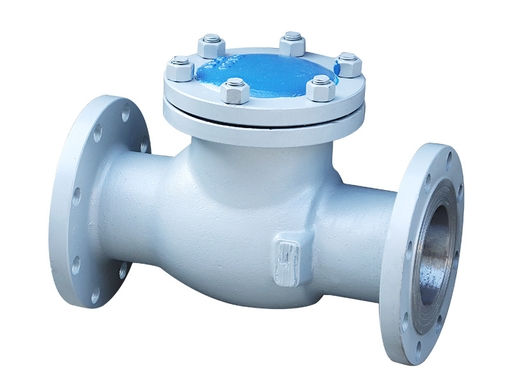
The use of standardized cast steel valves, particularly cast steel steam check valve, is beneficial to many industry processes. Their job is to protect important tools like boilers, turbines, and pumps, stop leaks that cause damage, and cut down on unplanned downtime. These parts are made with great care and according to strict industry standards like ASME B16.34 and ISO 9001. This makes sure that the parts are always the same size and made of the same material. They can also be used in many different situations. It is easier to handle supplies and lowers the total cost of ownership when things are standardized. This helps procurement teams get reliable flow control solutions for areas like power generation, chemical processing, and HVAC systems.
Understanding Cast Steel Steam Check Valves and Their Importance
When it comes to industrial steam systems, parts have to be able to work well in rough situations. Backflow must be stopped in these places right away, because it can damage equipment badly, stop production for long periods of time at a high cost, and pose major safety risks.
Working Principles of Steam Check Valves
cast steel steam check valve work on a very basic level: they let liquids move in one direction but stop it from going the other way. The disc or flap inside the pipe pulls up as the steam moves forward through it. This lets the steam flow easily. When the flow of either forward or backward stops, the disc is pushed against the valve body right away by gravity or spring force. This makes a tight seal that stops backflow. The valve reacts right away to changes in flow direction and pressure difference. It doesn't need any outside power, help from a person, or control signals to do this.
When very hot steam is used, this step is very important. Many times, in steam systems, the pressure changes, the heat grows, and condensate forms. Condensate can rush backward into pumps or heaters if you don't have good backflow control. This can cause water hammer, which is bad. This is an increase in pressure that can break lines, hurt pump impellers, and make rotor blades less strong. If the cast steel steam check valve works right, it stops these risks and keeps the flow steady no matter what happens in the system.
Key Types: Lift and Swing Check Valves
If people who work in buying know the detailed differences between valve types, they can choose the right one for the job.
Lift Check Valves have a disc that moves up and down vertically and along the flow path when the steam pressure is higher than the spring or gravity force that is holding it shut. These valves work great when you need a good seal with few leaks. Because they are small and straight, they can be put in places with little space. Cons: The pressure drops are usually bigger than with swing designs, but the directed disc movement makes sure steady performance. You can use lift check valves to make tight cuts in systems that send water to burners, have high-pressure steam lines, and other places.
The bendable disc on a swing check valve opens when there is forward flow. The disc closes when there is no movement. A hinge pin above the flow line lets the disc turn. It's easy for a lot of water to flow through this. It is good to use these valves when low resistance and low energy use are important. They need less maintenance because they are simple and don't have many working parts. In large-diameter steam distribution heads, low-pressure process heating systems, and other places where a slow sitting velocity is fine, a lot of people use swing check valves.
Material Considerations: Cast Steel, Stainless Steel, and Bronze
How well the Products" target="_blank" style="color:blue" >products">steam check valve works, how long it lasts, and how much it costs to own all depend on the material that is used. Each choice has its own pros and cons that depend on the work environment and outside factors.
For most commercial steam uses, cast steel valves are the best choice because they are strong and don't cost too much. You can put up to 425°C and 2500 psi of pressure on some grades of carbon steel, like ASTM A216 WCB. The material is tough, so it can handle changes in temperature and dynamic stress. This means it can be used consistently in many settings. Cast steel is simple to work with, so narrow gaps can be made in protected places. Cast steel works best and costs the least when used with steam that doesn't corrode in factories, power plants, and chemical plants.
Stainless steel valves are used in places where it's important that they don't rust. It's not possible for acids, chlorides, and process chemicals to damage types like CF8M (which is the same as 316 stainless steel). In places like the ocean, along the coast, and where acidic materials are used, these locks keep the surface in good shape. Since the material is naturally passivity, there is no need to worry about rust getting into areas where purity is very important, such as electronics, food processing, and medicines. In acidic service, stainless steel valves often last longer, even though they cost more to buy.
When low pressure and good rust resistance are needed in both steam and water service, bronze valves are used. Because bronze can move heat around, it helps get rid of heat, which lowers thermal stress. Smaller valve sizes can be made for less money because the material is easy to work with. Valves made of brass are often used in HVAC systems, district heating networks, and educational buildings that need to work at lower temperatures and pressures.
When buying teams know about these material traits, they can pick valves that meet performance goals, stay within price, and keep working smoothly over time.
Key Benefits of Standardized Cast Steel Valves in Industrial Applications
When uniformity is used, getting valves goes from being hard to understand and take a lot of time to being a quick and easy process that always gives the same results. People who buy parts that meet certain standards for size, material, and performance gain a lot of advantages in the market.
For now, let's talk about what unity means in general. It's not just being able to swap out parts. It includes ways to try things, make sure they are of good quality, and keep records that make sure the same thing happens every time the buying cycle comes around.
Enhanced Reliability and Extended Service Life
Standardized production methods get rid of the differences that can show up when parts are made to order or don't meet standards. When valves meet ASME, API, or ISO standards, they all go through the same tests to make sure the material is good, the casting is good, the cutting is accurate, and the cast steel steam check valve work properly. Because of this steadiness, you can bank on it in the field.
- Material Traceability: To meet standards, materials must have written records that show what chemicals they contain and how they work. You don't have to worry about using cheap metals that will break quickly.
- Dimensional Accuracy: Standardized cutting limits make sure that the areas that close the system fit together properly. This stops leaks that shorten its life and make it less useful.
- Pressure Rating Confidence: If you stick to known pressure-temperature ratings, you can be sure that valves will work safely within their assigned ranges and not break down at strange times.
- Performance Testing: Standards require certain tests, like shell pressure tests, seat leaking tests, and working cycles, to be done on each valve to make sure it meets performance standards before it is shipped. It's less likely that flaws will get to your spot with this pre-delivery approval.
The quality promises make sure that the parts can handle the heavy loads, changes in temperature, and corrosive conditions that are typical in factories. This makes them last longer. It's cheaper to maintain and run a business when parts last longer because they don't need to be replaced as often.
Simplified Installation and Maintenance
Making sure that things are all the same size helps with fitting and ongoing maintenance right away. If cast steel valves meet ANSI/ASME B16.10 for face-to-face lengths and B16.5 for flanges, they can be easily added to pipe systems that are already in place without having to make big, expensive changes.
- Interchangeability: Because valves come in standard sizes, broken ones can be replaced without having to change the pipeline. It cuts down on the time lost during emergency repairs by a large amount.
- Reduced Inventory: You don't need to keep as many extra parts on hand if you only keep a small range of normal sizes. This saves money on stocking costs and makes it easy to get new ones quickly.
- Simplified Training: Maintenance workers who know how to fix valves from different manufacturers can do so because they are familiar with standard designs. This means that training is easier. It costs less to train people and gives them more choices.
- Universal Tooling: The same new parts and tools can be used on all types of valves because they all have the same bolt patterns, actuator mounting ports, and trim components.
Putting things together is easier when the parts come with clear directions on how to join, arrange, and hold them up. They stop being one-of-a-kind jobs that need special tools or skills and start being normal. It costs less to hire people, gets better over time, and people make fewer mistakes when these things work together.
Procurement Efficiency and Cost Optimization
When you standardize something, it goes from being hard to negotiate to being easy to make a deal on because the specs are clear and the prices are competitive in the market. There are more providers that customers can choose from when they need basic parts. It's good for the business that this lets other people bid.
- Shorter Lead Times: Lead times are shorter for standard parts because manufacturers keep them in stock or make them in larger batches. This means that production and shipping times are shorter than for unique designs.
- Competitive Sourcing: There are many accepted companies that make standard valves. This makes the market competitive, which keeps prices low and improves service quality.
- Volume Discounts: Standardization lets buyers get voice discounts that lower the cost per unit. This is possible because it combines the needs of many projects or sites into one.
- Simplified Specifications: Standard names get rid of long custom specifications, which saves engineers time and keeps them from making mistakes that cost a lot of money.
When you add up all of these buying perks, they do more than just lower unit prices. When you shop around, you have more negotiating power. Faster delivery helps you stick to tight project plans, and simpler specs lower the cost of doing business. It makes a big difference when you look at the total cost of ownership for a bunch of valves instead of just one buy.
These benefits are very useful for tool stores that need to keep track of lots of different items, workers that have to handle lots of projects at once, and factories that need to keep track of big bases that are already set up. Standardization makes operations more efficient, which frees up resources for more important tasks and makes buying and handling parts less of a daily job.
How to Select the Best Cast Steel Steam Check Valve for Your Industrial Needs?
Before picking out a cast steel steam check valve, you should carefully think about how it will be used, how well the materials will fit, and how skilled the seller is. An planned process makes sure that the chosen valve will work as it should for the whole time it's meant to.
Evaluating Application Conditions
The working settings of your valve tell it what range of performance it needs to work properly. The first step in making the right choice is to correctly assess these conditions.
What Pressure Does Your System Need? Find out what its regular working pressure is and what its largest spike pressure is. Anywhere from 25% to 50% is a safe range for the pressure number of the valve you choose to be higher than the highest pressure in the system. It depends on how the system works and how important it is. Remember that pressure changes as the temperature does. Check that the pressure-temperature curve of the valve works in all the settings you plan to use it in.
Temperature: For the choice of material and pressure rates, the temperature of the steam is very important. For systems that work below 230°C, standard carbon steel trim can be used. For systems that work above that temperature, better materials are needed. When using very hot steam, it's important to keep an eye on how it spreads and the chance of thermal shock when the machine is first turned on or when it is upset.
Characteristics of the Flow: Find the real flow speed through the cast steel valve when demand is low and when demand is high. Too much speed speeds up wear and raises pressure drop. On the other hand, too little speed could make the disc stop working right. Lift check valves close better when flow rates are low or work is only done once in a while, while swing check valves can handle higher flow rates with less pressure drop.
Setting up the system: It's very important that the valve goes in the right way. Lift check valves can be mounted both horizontally and vertically, and swing check valves can only be placed horizontally. How the lines are set up, how easy it is to maintain, and how much mist could form should all help you decide where and what kind of valve to use.
Material Selection for Specific Environments
For the best performance and life, match the valve material to the working conditions. You don't have to pay extra for extra features.
Clean, non-corrosive steam can be used in bodies made of carbon steel with standard trim. The valves in this package are very strong and can handle heat well. They are also very cheap. Before buying expensive materials that only treat the symptoms and not the causes, a facility should check to see if the pH levels and oxygen content of the steam are off, as this could be causing the valves to fail too soon due to rust.
It makes sense to use stainless steel for valves that deal with both steam and chemicals, make-up water that has chlorides added to it, or steam that condenses in an acidic way. In places like technology, food processing, and pharmaceuticals, stainless steel keeps metals from getting dirty, even when rust isn't the main problem.
Other metals, like chrome-moly steel (ASTM A217 WC6 or WC9), work well in power plants where the steam is hotter than carbon steel can handle. When it gets hot, these materials don't weaken or grow, so they last longer in tough conditions.
Supplier Evaluation and Procurement Considerations
How well the valve works over time and how much it costs to own depend on how well the buyer and seller work together. Your investment will be safe and you will get ongoing help if you carefully check out the seller.
- Proof of Certifications: Check that the companies you're considering have the right quality system certifications, such as ISO 9001. These show that they are dedicated to consistent production methods and steady growth. Approvals that are special to the product, like CE, UL, or FM, give you even more confidence that it meets safety and performance standards. To make sure that each valve meets the requirements, ask for test results and proof of materials.
- Manufacturing Skills: Take a look at the testing equipment, production places, and ways of making sure the quality is good. Companies that use CNC machines, exact casting, and automatic testing are better at keeping the quality of their goods fixed than those that only check things by hand and in small amounts. FLA Industrial & Trading Co., Ltd. has been making things for almost 40 years. We use cutting-edge casting technology and have strict quality standards that include checking the material, the size, and the functionality of the product while it is under pressure. We work hard to make the best goods possible, as shown by our ISO9001, CE, UL, and FM standards.
- Help after the sale: Find out if there is professional help, a stock of extra parts, and what the guarantee terms are. When problems happen, suppliers who keep thorough technology records, quick engineering help, and open service networks cut down on downtime. Making guarantee terms clear, like how long the warranty lasts, what it doesn't cover, and how to file a claim, keeps products from breaking down too soon and encourages companies to make good products.
- Lead Time and Availability: Make sure that the ways you ship and store your goods are fair. When customers need something quickly, sellers who keep common sizes in stock or who can make a lot of different things can respond faster. Project planners can make better plans and make sure they have enough spare parts on hand if they know the usual lead times for normal and special setups.
This review method helps people who buy things for other people find sellers who not only sell good products but also build relationships that help the company grow and do well in the long run.
Conclusion
It's clear that standard cast steel steam check valve are the best choice when it comes to buying, fitting, running, and keeping equipment. Standardization makes sure that measures are always the same, materials can be tracked, and performance can be expected. This lowers the total cost of ownership and makes the system more stable. You need to carefully think about the working conditions, how well the materials fit, and the skills of the seller in order to make the right choice. Installing things the right way makes them easier to use, and taking care of them on a regular basis keeps them from breaking down without notice. As time goes on, new materials, computer tracking, and global standards help valves work better and make more money. Standard parts from qualified manufacturers are important for businesses that want to do well in fields that are getting more and more competitive.
FAQs
What is the primary function of a cast steel steam check valve in industrial systems?
cast steel steam check valve prevent backflow in high-pressure, high-temperature steam piping systems, protecting pumps, boilers, and turbines from reverse flow damage. The internal disc mechanism responds automatically to pressure changes, opening during forward flow and closing immediately when flow stops or reverses. This automatic operation requires no external power or manual intervention, providing continuous protection against destructive water hammer and equipment damage caused by steam or condensate backflow.
How do I determine whether a lift or swing check valve suits my application?
Valve selection depends on several factors. Lift cast steel steam check valve provide superior sealing in high-pressure applications requiring minimal leakage but generate higher pressure drops. They suit compact installations and vertical mounting. Swing cast steel steam check valve offer lower pressure drop and work well in large-diameter, horizontal installations where moderate seating velocity is acceptable. Consider operating pressure, available space, mounting orientation, and whether tight shutoff or minimal flow restriction takes priority when choosing between designs.
What maintenance do cast steel steam check valves typically require?
Routine maintenance includes periodic visual inspection for external leakage or corrosion, monitoring for abnormal noise indicating unstable disc operation, and scheduled internal inspections during plant outages to assess seat wear and internal condition. Clean steam service typically requires minimal intervention beyond monitoring, while applications with contaminated steam or high-cycle operation may need more frequent inspection. Following manufacturer recommendations for inspection intervals based on operating severity ensures optimal performance while preventing unexpected failures.
Why does material selection matter when specifying steam check valves?
Material choice directly impacts valve longevity, reliability, and cost. Carbon steel provides excellent strength and thermal performance for general industrial steam service at optimal cost. Stainless steel resists corrosion from acidic condensates or chlorides, justifying higher costs in corrosive environments or purity-critical applications. Chrome-moly alloys withstand temperatures exceeding carbon steel limits in power generation. Proper material selection balances performance requirements against economic constraints while ensuring compatibility with actual operating conditions.
Partner with FLA Industrial & Trading Co., Ltd. for Your Valve Requirements
If you want backflow prevention choices that work, you need to work with companies that care about quality and customer happiness. FLA Industrial & Trading Co., Ltd. has been making high-quality goods for almost 40 years and has very tight processes in place to make sure they stay that way. They make cast steel steam check valve that meet the strict needs of companies, power plants, and chemical plants all over the world. We make sure that every valve works the same way every time by using modern casting facilities, strict testing methods, and ISO9001, CE, UL, and FM certifications. There are important flow control parts that our technical staff can help you find, and there are also cast steel steam check valve sources that can help you with jobs that are spread out over several places. Contact our team at sales@flaindustrial.com to discuss your specific requirements and discover how FLA's standardized valve solutions optimize your operations.
References
American Society of Mechanical Engineers. (2021). ASME B16.34: Valves—Flanged, Threaded, and Welding End. New York: ASME Press.
Skousen, Philip L. (2019). Valve Handbook, Fourth Edition. New York: McGraw-Hill Education.
Zappe, R. W. (2018). Valve Selection Handbook: Engineering Fundamentals for Selecting the Right Valve Design for Every Industrial Flow Application, Sixth Edition. Oxford: Elsevier.
Pearson, Glenn R. (2020). "Standardization Benefits in Industrial Valve Procurement: A Lifecycle Cost Analysis." Journal of Procurement and Supply Chain Management, 15(3), 112-128.
Smith, Peter & Wong, Edward C. (2022). Steam System Design and Best Practices for Industrial Applications. Lilburn: The Fairmont Press.
International Organization for Standardization. (2020). ISO 5208: Industrial Valves—Pressure Testing of Metallic Valves. Geneva: ISO Standards.