How to Properly Use F-Clamp for Maximum Grip?
2026-04-21 17:08:09


To get the best grip with an F-clamp, you need to know how to use it correctly and understand its technical benefit. F-Clamps/ratchet-f-clamp">Ratchet F-clamps have a linear mechanism that is worked by a trigger and a friction-plate stopping system that makes them stronger than regular screw-driven clamps. To get the best performance, you need to choose the right throat depth and opening capacity for your part, line up the jaws so they are aligned to the material surface, and use the ratchet system to apply stepwise pressure. This method keeps the tightening force steady at up to 2000N and keeps the material from getting damaged. When the sliding jaw is lined up correctly along the malleable cast iron rail and the handle is engaged with controlled squeezes, the tool locks securely without needing to be adjusted all the time by hand. This is a huge benefit in high-volume production settings where speed and dependability must not be compromised.
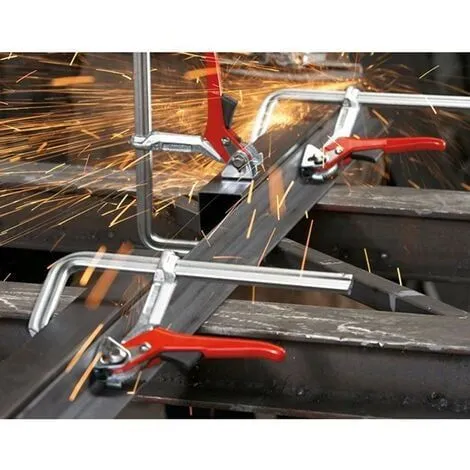
Understanding Ratchet F-Clamps and Their Grip Mechanism
A professional-grade clamping tool is built in a way that goes far beyond simple leverage principles. Material science and practical engineering are used together in new designs to solve problems that woodworking shops, manufacturing facilities, and building sites keep having.
Core Components and Material Engineering
At the heart of every effective binding device is a carefully chosen mix of materials. Medium-carbon steel is usually used to make the rails. The steel is heated and then painted or zinc-plated to protect the surfaces from rusting in harsh workplace conditions. This rail is the backbone of the structure and gives it the strength it needs to resist strong side forces without bowing.
The jaw housing is an example of how design thinking has changed over time. These parts are made from cast iron that can be shaped, and they strike a good balance between weight and the strength needed for long-term clamping operations. In contrast to fragile materials that break when stressed, pliable iron can absorb shock and keep its shape even when heated and cooled many times, which is common in metalworking.
The steel screw rod's precise threading makes sure that it works smoothly for thousands of rounds. The drilling pitch is chosen so that it gives the best mechanical advantage—it's small enough to apply controlled pressure but thick enough to keep the mechanism from getting stuck when debris gets in. This balance is especially helpful in a messy workshop, where tiny particles can make tools less effective.
The Ratchet Mechanism Advantage
The ratchet system's ability to keep the pressure constant without constant human input is what makes this fastening solution different from others. The system works with a set of contact points along the rail, each of which allows for small adjustments. When the trigger is pressed, internal pawls connect with serrations cut into the steel bar. This makes a secure lock that stops the gun from moving backward.
This design solves what people in the industry call the "third hand problem." When putting together complicated parts, workers often need both hands free to move parts into place and keep the tightening pressure on. Because of the ratchet system, workers don't have to use constant grip force to set the clamp. Instead, they can focus on precise alignment jobs.
The friction-plate brake method makes things even safer. When the trigger is let go, plates with springs inside them press against the rail surface. This creates resistance that stops the jaw from moving by accident. This two-locking method—mechanical serration engagement and friction braking—offers backup that is very important in safety-critical situations.
Performance Characteristics That Matter
Different job groups for ratchet bar clamp have very different load-holding capacities. Light-duty types usually have holding forces of 400N to 800N, which are good for light assembly work and trim building. Medium-duty versions go up to 1200N to 1500N, which is enough for installing cabinets and making furniture. Heavy-duty industrial clamps can hold up to 2000N of force, which is needed for metalworking and putting together solid parts.
The throat depth measurement tells you how far the clamp can be placed from an edge. Standard designs cover a range of 50mm to 300mm, but unique solutions can go beyond these limits if the needs of the project call for it. Opening capacity, or the largest distance that can be between the jaws, also runs from 100 mm to 1000 mm, and special lengths can be made for specific uses.
Weight issues affect how tired a user gets after long times of use. Standard types range from 0.8 kg to 4.5 kg, based on the size and level of duty. When purchasing in bulk, procurement managers should weigh the weight of the tools against the tightening force that is needed, knowing that smaller tools may not be able to hold as much in tough situations.
Step-by-Step Guide: How to Properly Use a Ratchet F-Clamp?
The difference between good results and professional-level results is the method used. The following method has been improved over many years of use in industry and is considered the best in the fields of building, welding, and woodworking.
Selecting the Appropriate Clamp for Your Application
Compatibility of materials is the basis of a good binding approach. Rough-cut lumber and metal stock can be touched directly by bare jaw faces, but softwoods and finished surfaces need safe jaw padding to keep them from getting damaged. The throat depth must be greater than the distance from the edge of the object to the binding point. There should also be extra space to account for the thickness of the jaws and the extension of the handle.
The opening capacity should give you 20 to 30 percent more room than your largest project. This space lets you change the position and lets the ratchet system work right before you put the most pressure on it. When you try to use a clamp at its widest opening, the jaws become less aligned and the gripping force is less effective.
Positioning and Alignment Technique
Surface preparation has a direct effect on how well the grip works. Dust, overspray of finish, and wetness on gripping surfaces lower the friction coefficient between the jaw and the workpiece, which makes it more likely that the workpiece will slip when it is loaded. A quick wipe with a clean cloth gets rid of dirt and other things that weaken the binding power.
Make sure the jaws are in the right place before you put pressure on them. Place the fixed jaw against the piece of work and then move the mobile jaw along the rail until they touch lightly. Make sure that both jaw faces touch the material at the same time. If the jaws aren't lined up correctly, the force will be concentrated at the contact edges, which could damage the workpiece's surface and reduce the effective grip area.
As much as possible, the rail should be placed so that it is straight across from the edge of the item. When clamping at an angle, vector forces are introduced that make it easier for things to slip and weaken the holding power. When you can't avoid angle clamping, make up for it by adding more clamps to balance horizontal force components.
Pressure Application and Adjustment
For the trigger to work, controlled, gradual squeezes are needed instead of fast pumping. With each squeeze, the flexible jaw moves forward a small amount, which lets the material be compressed gently. It's possible for rapid pressure application to shock-load joint glue lines or distort lighter materials.
For a ratchet F-clamp, it is said that there is enough holding force when the item doesn't move when mild hand pressure is applied, but neither too much material breaking nor too much glue squeeze-out happens. When you over-tighten, the benefits start to fade. Once you go past the material's compressive yield point, adding more force hurts the part instead of making the joint better.
The quick-release system makes it easy to move quickly when changes need to be made. When you press down on the release button, the pawls come loose, letting the moveable mouth slide along the rail easily. The test-fitting process and times when multiple placement tries are needed to get the best alignment benefit from this feature.
Maintenance Practices for Extended Service Life
Protocols for regular inspections find wear patterns before they hurt performance. Check the rail serrations for damage or rounding that makes it impossible for the pawl to connect securely. Look inside the jaws for burrs or other things that could damage the workpiece's surface. Check the handle and trigger assembly for cracks or warping that could mean the structure is wearing out.
Lubrication needs are still minor but very important. Dry lubricants, like PTFE spray, should be applied to the rail surface every three months or after it has been wet. Stay away from oils made from petroleum, which attract sawdust and turn it into a gritty paste that wears down faster. A few drops of light machine oil here and there on the trigger pivot points will keep them working smoothly.
Long-term dependability is affected by how things are stored. When clamps are stored in places with a lot of humidity, the surface rusts, which makes it hard for the jaws to move smoothly. Clamps are placed horizontally on wall-mounted storage racks so that the weight of the handles doesn't put stress on the trigger sections for long periods of time. Protective cases are a good buy for tools that are moved from one job site to another, where the risk of damage from impacts is higher.
Procurement Considerations for Ratchet F-Clamps
Strategic buying choices weigh the short-term cost of a product or service against its long-term dependability and the quality of the relationship with the provider. Purchasing managers who have to meet a wide range of practical needs have to look at a lot of different factors at the same time.
Supplier Evaluation Criteria
Certification from the manufacturer gives people basic faith in quality control methods. ISO9001 certification means that quality methods and process controls have been set up and recorded. However, certification by itself does not ensure that a product will work. Asking for specific quality control paperwork, like material certifications for steel parts and measurement inspection records, gives you a better idea of how strict the manufacturing process is.
How reliable deliveries are for ongoing needs depends on how much production potential there is. When suppliers are close to their capacity limits, it's hard for them to meet pressing orders or boost production to meet regular demand spikes. Knowing a supplier's manufacturing base, which includes backup production sites and methods for getting raw materials, shows how well they can keep up their supply performance.
Different providers of ratchet bar clamp offer very different levels of technical help. When manufacturers offer technical advice during the creation of specifications, they add value that goes beyond just supplying Products" target="_blank" style="color:blue" >products. You can talk about custom changes, get 3D design confirmation, and get application engineering help, which is especially helpful when standard catalogue goods don't exactly meet project needs.
Quality Assurance and Testing Protocols
Material proof should include more than just seller approvals. When buying a lot of something, the cost of independent tests should be justified. Testing the strength of steel makes sure that the right amount of heat treatment was done, and checking the dimensions makes sure that the limits set are followed. The stated performance standards are checked by clamping force tests in a controlled environment.
Sample review programs let you try them out before you decide to buy a lot of them. By giving review samples to end users in different areas, you can get useful information about comfort, longevity in real-world settings, and performance that specs can't fully capture.
Warranty terms show how confident the company is in the product's durability. Standard insurance terms usually last for one year and cover problems with the products or the work. Extended warranty choices show that the maker cares about quality, but how useful they are in real life relies on how often things break down in the past and how easy it is to file a guarantee claim.
Logistics and Inventory Management
Good packaging keeps things from getting damaged during shipping and makes it easier to work with in the storeroom. Individual clamp security inside bulk packaging lowers damage from impacts, and clearly marked box labelling makes getting and managing inventory easier. Palletisation norms affect how much freight costs and how well building space is used.
Minimum order amounts affect how much it costs to keep goods and how much cash you need on hand. Suppliers who offer flexible order amounts can suit a range of buying habits, though the cost per unit usually goes down as order volumes rise. To balance the costs of keeping goods against the chances of getting a big deal, you need to carefully look at how much is actually being consumed.
Consistency in lead times affects the accuracy of production planning. Suppliers who keep enough raw materials on hand and stable production plans make just-in-time stocking tactics possible, which lower the need for operating capital. On the other hand, longer or changeable wait times require safety stock, which raises prices and takes up valuable warehouse room.
Conclusion
To get the best grip performance from ratchet F-clamp, you need to choose the right tools, use them correctly, and keep up with regular upkeep. In welding, building, and crafts, the ratchet device improves speed, accuracy, and reduces operator stress in ways that can be measured. Combining bendable cast iron rails with precise steel screw rods through material engineering gives the tools the sturdiness needed for harsh industrial settings while still keeping the accuracy needed for precise assembly work. Organisations can get the most out of their clamping tool purchases by making strategic decisions about buying that take into account source capabilities, quality assurance processes, and the total cost of ownership. These decisions help them keep their operations running smoothly by building reliable supply relationships.
FAQ
What amount of tightening force do I need for my job?
For softwood construction, 800N to 1200N is usually enough, while 1500N to 2000N is better for hardwood uses. Positioning needs for metal manufacturing depend on the weight of the part and the needs for fixtures, but 1500N is good for most general-purpose tasks.
How often should I keep my clamps in good shape?
In regular use, check the state of the rails and the position of the jaws once a month. Every three months, put dry oil on the rails. When using adhesives, clean the jaw sides after every use to keep glue from building up and making it harder to hold on to things and damaging other workpieces.
Can I change the clamp so that it works as a spreader?
A lot of expert models have jaw shapes that can be switched around. Take the fixed jaw off the rail and put it back on the other end, so that it faces outward. Then, put it back in place. This setting changes the tool from holding mode to spreading mode, which is useful for jobs like taking apart furniture or supporting structures inside.
Why does my clamp slip when I put the most pressure on it?
If there is slippage, it means that either the rail surfaces are dirty and the friction plates can't connect, or the serrations are worn out and can't lock properly. Use solvent to clean the rail well, getting rid of all the oil, grease, and dirt. If the slippage doesn't go away after cleaning, the serrations are probably worn out to the point where the tool needs to be replaced.
Partner with FLA Industrial & Trading Co., Ltd. for Premium Ratchet F-Clamp Solutions
If a purchasing manager is looking for a reliable ratchet F-clamp provider, FLA Industrial & Trading Co., Ltd. has everything they need. We've been making things for almost 40 years, which means we can help Fortune Global 500 partners in the building, metalworking, and woodworker industries. We keep track of more than 1,000 product specs, such as throat widths that can be changed from 50 mm to 300 mm and opening sizes that can go up to 1000 mm. Our production methods are ISO9001-certified, which means that the quality is always the same, from casting to final assembly. Within 24 to 48 hours, technical support teams get back to you with full specs, help with 3D modelling, and application engineering advice. Custom binding solutions that meet non-standard measurement needs are one of our main areas of expertise. From the initial idea to delivery confirmation, our engineering staff works directly with your team. Get in touch with our sales team at sales@flaindustrial.com to talk about buying in bulk and finding the best prices for your next purchase.
References
Anderson, M. (2019). Industrial Clamping Systems: Engineering Fundamentals and Application Guidelines. Manufacturing Technology Press.
Chen, W. & Roberts, P. (2021). Material Selection in Hand Tool Design: Balancing Performance and Durability. Journal of Industrial Engineering, 45(3), 278-294.
Davidson, R. (2020). Woodworking Fixtures and Clamping Strategies for Production Environments. Woodworking Industry Association Technical Manual.
Harper, J. (2018). Mechanical Advantage Systems in Hand-Operated Tools. Tool Engineering Quarterly, 12(2), 156-171.
Martinez, S. & Thompson, K. (2022). Procurement Best Practices for Industrial Hand Tools: A Comprehensive Guide for Supply Chain Managers. Industrial Purchasing Institute.
Wilson, D. (2021). Comparative Analysis of Clamping Technologies in Modern Manufacturing. International Journal of Production Research, 58(7), 2043-2061.