Air Jack Vs. Floor Jack: Guide to Vehicle Lifting Like a Pro
2026-04-21 17:08:05


Which of the air jacks and floor jacks your team uses will decide how quickly they can lift vehicles. Using compressed air, a small pneumatic jack can rise quickly. This makes it perfect for high-frequency tasks where speed is important. Floor jacks that are driven by hydraulic systems make cars more stable and can carry more weight. When buying managers, site leaders, and repair teams know about these differences, they can buy equipment that meets safety standards and cuts down on downtime. To help you find the right lifting technology for your needs, this guide breaks down practical skills, performance measures, and selection criteria.
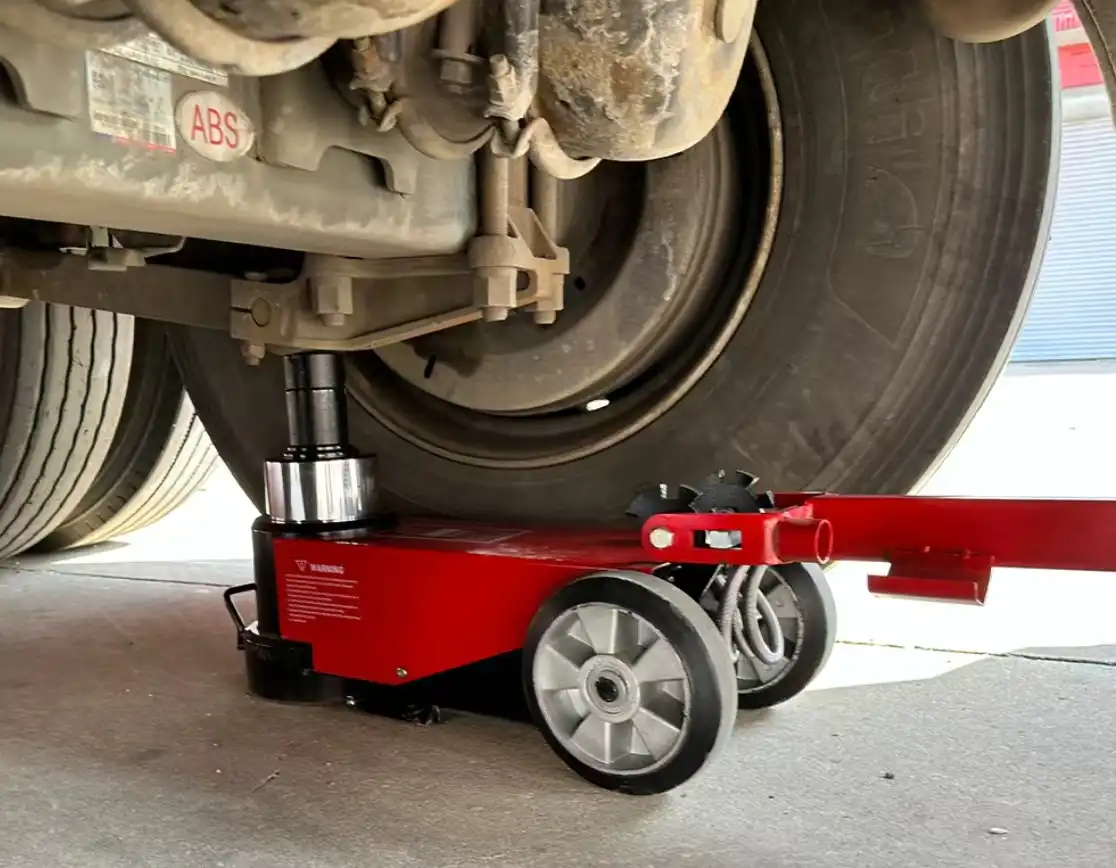
Understanding Air Jacks and Floor Jacks: Key Differences and Uses
In auto repair shops, air jacks and floor jacks are used for different things. If you know how they work and how they're usually used, you can buy equipment that fits the needs of your daily tasks.
How Air Jacks Operate
Air jacks use standard shop compressor lines to get compressed air, which they then use to lift things vertically. When these units are hooked up to an air source that delivers 85 to 115 PSI, they either fill strengthened rubber membranes or turn on piston systems that raise cars in seconds. The small pneumatic jack works great in tight spaces because it can slide under sports cars or modified cars that regular jacks can't reach. This makes them especially useful in tyre shops that work on dozens of cars every day and need quick access without having to pump tires by hand.
How Floor Jacks Function
Floor jacks work with hydraulic fluid. A hand-operated pump moves oil through sealed tubes that stretch a lifting arm. Because they offer great control during slow rise, these devices can be used with heavy-duty cars and other industrial equipment. The trolley-style design makes them easy to move around workplace floors, and the wide base makes them stable when carrying heavy loads for long repair sessions.
Typical Use Scenarios
Auto repair shops like to use air jacks for tasks like checking the brakes and rotating the tires because they work quickly and keep customers from having to wait. Construction companies use floor jacks on the job site to maintain tools because they don't need to be plugged in. In factories, pneumatic lifting tools are used on assembly lines where synchronised lifting tasks need regular cycle times. For roadside help, emergency response teams choose small, air-powered types because they are light and can be set up quickly in the field.
Performance and Safety Comparison: Air Jack Vs. Floor Jack
By looking at performance traits and safety rules, we can see how well each type of jack works in real life. This comparison looks at things like pulling ability, how well it works, and how much upkeep it needs. All of these things have a direct effect on your total cost of ownership.
Lifting Capacity and Speed
In small sizes, pneumatic jacks can usually handle 2.5 to 3 tonnes, and they can fully extend in 3 to 5 seconds. Their quick action comes from delivering air pressure instantly, so they don't need to be pumped over and over again like hydraulic systems do. Floor jacks can lift heavy loads of up to 20 tonnes, but they need to be pumped up several times before they can reach their full height. When you compare jobs, the trade-off is clear: air-powered units speed up high-volume tasks, while hydraulic types can handle heavy loads.
Operational Efficiency Factors
When using mini air jack, operators don't get as tired because they don't have to work as hard to lift something. In busy service areas where techs do dozens of lift rounds every day, this benefit grows over shifts. Floor jacks require the same amount of physical effort as the weight of the load, but good models have low-effort leg systems that keep your muscles from getting too tired. For both technologies to work safely, they need stable, level surfaces. However, pneumatic types are more sensitive to rough ground because they have a smaller size.
Safety Considerations and Standards
Safety valves and exhaust mufflers keep air-powered lifting equipment from getting too pressurised and from making too much noise in tight areas. Models that are approved to CE and ATEX standards are safe for use in dangerous places because they don't explode. This is important in places like mines and chemical plants. Overload bypass valves in hydraulic floor jacks keep the structure from breaking, but seal loss is still a common maintenance problem that needs to be checked regularly. Both types of jacks need mechanical locking supports for long-term standing loads because neither is made to support a car for a long time without extra jack stands.
Maintenance Protocols
Rubber seals on pneumatic jacks need to be checked for cracks or chemical damage from brake fluid contact on a regular basis. Chrome-plated cylinder innards don't rust, but in cold places, water in the air lines can freeze and block valve mechanisms. Floor jacks need to have their hydraulic fluid levels checked and their seals replaced at regular times that depend on how often they are used. Leak testing makes sure that the pressure stays in, and cycle testing, which simulates thousands of lift/release processes, makes sure that the system will last for a long time. Setting up preventive repair plans for equipment increases its useful life and lowers the costs of sudden downtime.
How to Choose the Right Jack for Your Vehicle Lifting Needs?
To choose the right moving tools, you need to make sure that the technical specs match the way you work. These decision criteria help buying managers make choices based on important factors.
Portability Requirements
Small gas types weigh between 15 and 30 pounds, which makes it easy for techs to move them from one service bay to another or from one service car to another. Their small size is very useful in busy workshops where floor space is very valuable. Hydraulic floor jacks can hold anywhere from 50 to over 200 pounds, which makes them better for work places that don't move. Lightweight air-powered choices are more convenient if your business uses movable repair units to fix building equipment at different places.
Lifting Height Parameters
Low-clearance cars that bottomed-out floor jacks can't reach can be worked on with air jacks, which have very low minimum heights of about 130 to 150 mm. Usually, the maximum extension is 400 mm, which is long enough for most cars and light trucks. Professional types can go higher than 600 mm to fit lifted trucks or other machinery with higher ground clearance. Floor jacks have wider height ranges. Make sure that the jacks you choose meet the minimum and highest height standards for the cars or tools in your fleet by measuring them.
Durability and Construction Quality
Constructions of small pneumatic jack made of carbon steel and alloy steel can handle harsh industrial settings, while aluminium alloy versions are lighter and can be used in portable situations. Chrome plating on the inside of the cylinders stops rust from forming in damp places, so they last longer in seaside or warm areas. Spray painting and anodising are two surface treatments that protect against chemical contact that is common in places where cars are worked on. Make sure that the seal materials (fluororubber or nitrile rubber) can handle the temperature range that you need them to. For most uses, this is between -20°C and +80°C.
Cost-Effectiveness Analysis
Heavy-duty hydraulic types require a bigger initial investment than air jacks, but air jacks can be used with infrastructure that already has compressed air. To find the total cost, you need to add up the capacity of the compressor, the cost of installing the air lines, and any possible production gains from faster cycle times. Floor jacks don't need compressed air, which makes them cheaper for jobs that don't already have gas systems. When buying in bulk from makers, you can often save a lot of money per item. This is especially true when standardising tools across various sites. To get an accurate picture of the long-term value, you should ask for thorough quotes that include guarantee terms, the availability of extra parts, and expert help.
Market Overview: Top-Rated Small Pneumatic and Floor Jack Models in 2024
If you know about the top makers and new Products" target="_blank" style="color:blue" >products, you can be sure that the things you buy will meet the latest quality standards and technology advances. The world in 2024 shows that safety measures and material engineering are still getting better.
Leading Pneumatic Jack Manufacturers
Chinese producers make most of the world's goods because they have strict quality control systems and decades of experience with precise cutting. FLA Industrial & Trading Co., Ltd. is a well-known company that sells gas lifting devices that are approved to ISO9001 standards and go through a lot of testing procedures, such as leak testing, pressure confirmation, and life cycle assessment. Their line of products has safety valves that stop over-extension, varying lifting speeds managed by air pressure adjustments, and exhaust mufflers that lower noise levels in the workplace. The units come with standard air hose connections that work with shop compressor systems, which makes coupling easier.
Performance Benchmarks
The best pneumatic models have burst pressure rates that are three to four times their normal working pressure. This gives you a lot of extra safety in case something goes wrong and causes a disaster. Dynamic overload testing at 125 to 150% of stated capacity makes sure that the structure is still strong in harsh circumstances. Random samples from quality makers are put through damaging tests to make sure that production is consistent from batch to batch. Cycle testing that simulates more than 5,000 lift actions proves that the product will last in high-frequency service settings. Professional-grade equipment is set apart from consumer-grade goods that don't have industry approval by these strict evaluation processes.
Bulk Purchase Advantages
When you place a lot of orders for mini air jack, you can get better deals, like specific load limits, mounting setups, and material choices that work best in your surroundings. Manufacturers who are used to working with other businesses offer 3D design confirmation, parameter optimisation advice, and real-time production reports while the product is being made. Standard requirements usually take between 4 and 6 weeks to deliver, while custom-engineered solutions can take up to 12 weeks, based on how complicated they are. Building ties with prompt providers who can provide technical data within 24 to 48 hours speeds up the buying process and cuts down on project delays.
Best Practices for Operating and Maintaining Your Vehicle Jack
The best way to get the most out of your equipment purchase is to use it correctly and keep up with regular upkeep. It is important to follow these rules in places like car repair shops, factories, and building sites.
Safe Operation Procedures
Before each use, jacks should always be checked for damage to the rubber parts, structural cracks, or fluid leaks. Place the jack on solid, level ground that is free of anything that could make it less stable. Place the lifting pad right under the lift points recommended by the maker. These are usually strengthened frame parts made to handle heavy loads. Pneumatic types should have their air supply lines firmly connected, and the pressure gauge numbers should be within the range of 0.4 to 0.8 MPa. Lift the loads slowly while keeping an eye out for strange sounds or movements that could mean there are problems with the machinery.
Avoiding Common Mistakes
Never go over the marks that say "rated capacity," because doing so causes earlier wear and raises the risk of failure. Jacks shouldn't be used on hills or slanted surfaces because the side forces can bend the internal guide systems. Do not work under cars that are only supported by jacks; as soon as you reach the required height, put out motorised jack stands. During operation, keep your hands and feet away from moving parts, and make sure that people around lifting zones stay at safe distances. To keep cars from falling quickly, turn off the air source or slowly release the hydraulic pressure when lowering them.
Maintenance Schedules
Once a month, check rubber seals for damage like cracks, swelling, or hardness that makes it harder for air to flow. After each use, clean the outside to get rid of brake fluid, oil, and chemicals that eat away at protection layers. Use the manufacturer-recommended greases to lubricate moving parts every three months. Stay away from petroleum-based products that damage rubber parts. Every year, check the pressure retention by pumping up the jacks to the working pressure and keeping an eye on them for 24 hours to see if the pressure drops. To keep your safety certifications and guarantee coverage, replace old seals right away with OEM parts.
Troubleshooting Common Issues
When rising speeds are slow, it's usually because the air flow is limited because of clogged input filters or not enough output from the compressor. Check the air lines for wetness that builds up and freezes in cold weather, stopping the valves from working. If hydraulic floor jacks can't hold weight, check the fluid level and look for leaks in the covers around the piston sections. Strange noises during operation could mean that bolts are loose or that internal parts are broken and need to be checked right away. Keep track of all upkeep tasks and strange performance issues so you can find reoccurring issues that need to be fixed by replacing equipment or changing the way it's designed.
Conclusion
If you need to balance speed needs with load capacity needs in your individual operating setting, you can choose between small pneumatic jack and floor jacks. Pneumatic models work best in high-throughput areas where quick cycle times and low-profile entry make the investment in the compressed air infrastructure worth it. Heavy-duty jobs that need the most security and don't need to be connected to a power source still use hydraulic floor jacks. To keep people and tools safe, both systems need to be maintained carefully and safety rules must be followed. Procurement pros find moving solutions that increase output while keeping long-term running costs low by matching technology specs to real process needs.
FAQ
In a business setting, can air jacks and floor jacks be used instead of each other?
These tools don't replace each other; instead, they work well together. When there is infrastructure for compressed air, air jacks are faster for lifting light to medium loads over and over again. Floor jacks are better for big machinery repair because they can hold more weight and are more stable. They don't need gas systems. Many sites keep both types on hand to handle the different lifting situations that come up during operations.
What safety rules must be followed when using gas jacks in car repair shops?
Before each lift, make sure the air pressure stays within the amounts given. Too much pressure can damage seals and cause them to burst. Place jacks only where the car maker tells you to in order to keep the structure from getting damaged. When you get to working height, put up the jack stands right away because hydraulic jacks aren't meant to stay in place for long periods of time. Teach all workers how to deflate in an emergency, and make sure everyone can talk to each other clearly during combined lifting operations.
How often should a professional check out an air jack?
Qualified techs should do full checks once a year, which should include testing for burst pressure, checking the quality of the seals, and making sure the valves work. When processes happen more than 50 times a day, they should be inspected every six months to find wear trends and fix parts before they break. Write down what you find during inspections so that you have a standard of performance data that shows how things are getting worse over time.
Partner With FLA Industrial for Reliable Pneumatic Jack Solutions
FLA Industrial & Trading Co., Ltd. has been making metal tools for almost forty years, which is valuable for procurement managers who need to find reliable small pneumatic jack makers. To meet the standards for ISO9001 and CE approval, our hydraulic lifting devices are put through a lot of quality control checks, such as leak tests, pressure confirmation, and cycle endurance tests. We offer flexible options with quick technical help thanks to our partnerships with Fortune Global 500 businesses and over 1,000 product specs. Our engineering team can help you find the best parameters and check the accuracy of your 3D designs, making sure that the equipment you buy meets all of your working needs. Contact our experts at sales@flaindustrial.com to talk about large purchases. You'll get full quotes within 48 hours, and you'll be able to get competitive terms that will help your equipment acquisition strategy.
References
Smith, J. & Anderson, M. (2023). Industrial Lifting Equipment: Safety Standards and Performance Benchmarks. American Society of Mechanical Engineers Press.
Chen, L. (2024). "Comparative Analysis of Pneumatic vs. Hydraulic Lifting Systems in Automotive Service Environments." Journal of Industrial Engineering Technology, Vol. 42, No. 3, pp. 178-195.
European Committee for Standardization (2022). EN 1494:2022 - Mobile or Movable Jacks and Associated Lifting Equipment. CEN Publishing.
Williams, R. (2023). Heavy Equipment Maintenance: Tools, Techniques, and Best Practices. McGraw-Hill Education.
International Organization for Standardization (2021). ISO 9001:2015 - Quality Management Systems Requirements for Manufacturing Industries. ISO Central Secretariat.
Thompson, K. & Rodriguez, P. (2024). "Lifecycle Cost Analysis of Vehicle Lifting Equipment in Commercial Fleet Operations." Automotive Service Management Quarterly, Spring Edition, pp. 45-62.