How to Select a Light-Duty F-Clamp for Small Assembly and Repair Tasks?
2026-08-24 10:18:39


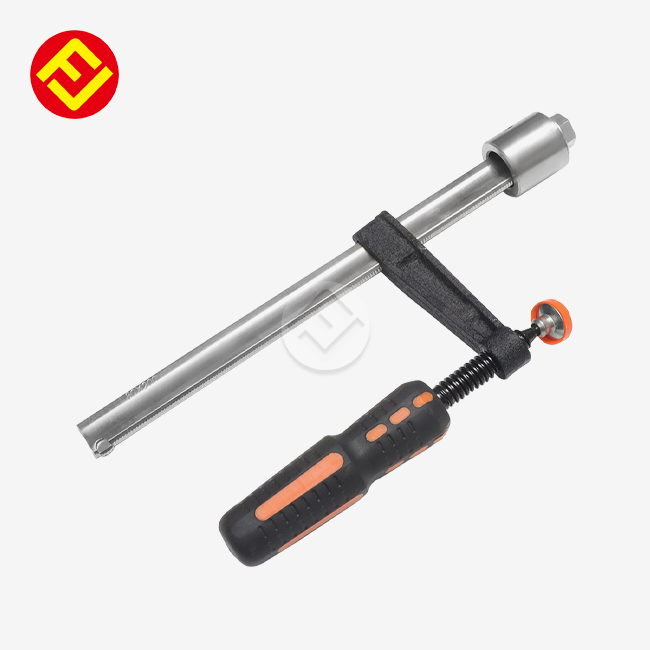
Selecting the right clamping tool for small-scale assembly and repair work requires understanding both your project requirements and the specific characteristics of available tools. When choosing a suitable clamp for woodworking, cabinet installation, or light metalwork, you need to consider several critical factors including clamping force (typically 60-150kg for light-duty applications), throat depth, material construction, and ergonomic design. A F-Clamps/light-duty-f-clamp">Light-Duty F-Clamp is an ideal choice for applications that require reliable holding power with easy handling, balancing strength with maneuverability while reducing operator fatigue during repetitive tasks. With numerous specifications available—from 6-inch compact models to 36-inch extended versions—matching the tool's dimensions to your workpiece thickness and reach requirements ensures optimal performance and safety across various applications.


Specifications |
||||
| Specification | Total Length (mm) | Total Width(mm) | Clamping Length(mm) | Clamping Width(mm) |
| 6 Inch | 248 | 110 | 160 | 60 |
| 12 Inch | 395 | 110 | 308 | 60 |
| 18 Inch | 550 | 110 | 460 | 60 |
| 24 Inch | 700 | 110 | 615 | 60 |
| 30 Inch | 850 | 110 | 765 | 60 |
| 36 Inch | 1000 | 110 | 915 | 60 |
Understanding Light-Duty F-Clamps: Key Features and Benefits
What Defines a Light-Duty F-Clamp?
Heavy-duty industrial equipment is very different from a clamping tool made for lighter tasks. The engineers made these tools to do work that needs controlled pressure instead of full force. A steel rail and precision-machined screw rods are usually used in building. These make a sliding mechanism that lets changes be made quickly. Strong clamps like those used in structural welding or masonry don't work as well with these "delicate rigidity" materials. They provide a firm grip without damaging pine, spruce, or laminated surfaces.
The tightening force range, which is usually between 600N and 1500N, is what makes it unique. This calibrated pressure keeps things from being too tight, which can damage workpieces or starve glued joints of glue. Casting, forging, machining, and final assembly are some of the steps used to make tools that are both portable and effective. Many models are made of steel or cast iron that can be shaped, which makes them durable while still being light enough to use for a long time.
Construction Materials and Their Impact on Performance
Material choice has a big effect on both how long something lasts and what it can be used for. Steel rail structure is very rigid, so the jaws don't bend and loose their parallel line while they're being used. When paired with precisely cut screw rods, this arrangement allows for smooth movement without sticking or requiring too much work. Serrations on two sides of the rail usually engage a clutch mechanism and keep it from moving backward when it's loaded. This is an important safety feature for glue-ups and assembly tasks.
Surface finishes protect tools from things in the world that wear them down. Painted finishes offer basic corrosion resistance that works well for workshops inside, while zinc-plated finishes offer better protection in damp places or outside. Quality manufacturers use finishes that meet established standards for corrosion resistance. This makes sure that tools keep working even in tough conditions. Many models have a clamping width of 60 mm, which can hold materials of different thicknesses and spread pressure evenly across the surfaces of the workpiece.
Practical Advantages for Repetitive Operations
The physics and weight control of tools have a big impact on how well they work in the workshop. Modern designs use smart material choices and better engineering to cut tool weight by 40 to 60% compared to heavy iron clamps that can be shaped. This weight loss makes operators much less tired when they have to do a lot of assembly work, like making cabinet drawers, where they have to do hundreds of gluing actions every day. The slim jaw shape makes it easier to get to places where bigger tools can't go. This is especially helpful when working with tight joinery corners or stacked components.
The smooth sliding mechanism makes it easy to position and adjust things quickly, which cuts down on cycle times in manufacturing settings. Ergonomic handle designs make it easier on the hands to use for long periods of time while still giving you enough force to get the right pressing pressure. Together, these features make the tools perfect for small-scale, repetitive industrial tasks where worker comfort and efficiency directly affect output. With six sizes running from 6 to 36 inches, you can use them for a wide range of projects, from small craft projects to big panel assemblies.
How to Choose the Right Light-Duty F-Clamp for Your Assembly and Repair Needs
Assessing Your Project Requirements
To choose the right tools for the job, you must first be clear about what you want to do. The width of the material is the most important thing to think about. To figure out the right holding length and throat depth, measure the largest workpieces you usually handle. When installing cabinets, the rules are usually different from when framing pictures or putting together furniture. Think about whether you mostly work with wood, plastic, or light metals sometimes. Clamping pressure affects different materials in different ways.
The amount of clamping force you need depends on the job. Glue-ups need steady, moderate pressure to make sure they stick well without squeezing out too much glue. To keep things from moving during tack welds, welding preparation needs stronger staying power. When putting things together, they may need quick-release features so they can be moved around a lot. Write down your most common situations so that you can find patterns that will help you decide who to hire.
Comparing Clamping Tool Options
In a workshop, different clamping mechanisms are used for different tasks. Bar clamps are great for dealing with longer or wider panels because they spread the force over greater lengths. But they don't have the small size and quick-adjustment features that make F-style designs useful for smaller jobs. Because Light-Duty F-Clamps have sliding jaws, you can often use them with one hand, which frees up your other hand to place parts or make adjustments.
Choosing the right throat depth means balancing the need for reach with the need for structural rigidity. Deeper throat options (100–120mm) allow access from farther away, but they also cause the rail to bend more, which lowers the maximum force that can be used before the jaw skews. When a long reach isn't needed, shallower depths (50–80 mm) offer better stiffness and force transfer efficiency. Look at the sizes of the workpieces you usually clamp to decide whether reach or maximum gripping stability is more important to you.
Ergonomic and Safety Considerations
The comfort of a tool has a direct effect on both safety and productivity at work. How well you transfer torque from your wrist to the spindle mechanism depends on how the handle is made. Handles made of polyethylene and thermoplastic rubber have a bi-material structure that makes them easier to hold while reducing friction loss during tightening. This design makes each clamping operation easier on the body, which is especially helpful for tasks that need to be done over and over again.
The safety features keep both the workers and the workpieces safe. Swivel pads allow for small angle differences in the work surfaces, which keeps the clamp from "spitting" parts when the surfaces aren't perfectly straight. When working with finished materials or fragile bases, non-marring safety caps keep the surface from getting damaged. The clutch mechanism must reliably keep the rails from moving. Good tools keep 95% of their initial clamping force for 24 hours, which makes sure that overnight glue-ups stay in place. When you put these safety features together, you get tools that work reliably and protect your materials and finished goods.

Evaluating Brands and Models: Trusted Suppliers and Product Features
Leading Manufacturers in the Global Market
There are a few well-known names that control the market for expert clamping tools. Each has its own strengths that make its Products" target="_blank" style="color:blue" >products stand out. The German company Bessey built its name on precise engineering and quality that has stayed the same for decades. Their tools are often found in professional woodworking shops that put them at the top because of how reliable they are. Irwin has a wide range of products available in North American markets. These products are easy to get and work well, which makes them popular with both contractors and production centers.
DeWalt takes advantage of the fact that it sells a wide range of tools to give users who already have their battery platforms and accessory systems benefits. Stanley has a long history of making hand tools, which means that they are easy to find and have competitive prices that make them appealing to hardware distributors. In addition to these well-known brands, producers who have ISO9001 certification show that they are committed to consistent quality management systems, which makes sure that the products work reliably across production runs.
Performance Ratings and User Feedback
Real-world success data gives us useful information that goes beyond what marketers want to know. Professional reviews always point out certain qualities as important differences. The straightness of the rail in a Light-Duty F-Clamp affects how the jaws line up and how the force is distributed. Any permanent deformation after applying load is a sign of low-quality materials or improper heat treatment. The dependability of the clutch determines whether the clamps can maintain pressure for a long time. This is especially important for glue-ups that last overnight or assembly processes that continue for several days.
The smoothness of the thread affects how well it works and how tired the operators get. Precision-machined threads make adjustments easy, but rough or misaligned threading needs a lot of force and slows down work. When tools are moved from indoor workshops to outdoor job sites or when the environment is humid, the durability of the protective finish is important. Recently, reviews of products have focused on price-to-value ratios instead of absolute cost. This is because buying choices balance the original investment with how long the product is expected to last and how often it needs to be replaced.
Evaluating After-Sales Support and Warranty Coverage
Long-term value depends a lot on how well the manufacturer supports the product after the initial purchase. The warranty terms show that the company that made the product is confident in its durability. For example, coverage that lasts for more than one year suggests that the company has strict quality control and built the product to last. Spare parts must be easy to get for people who use a lot of equipment and can't afford long periods of downtime when parts wear out or break. Manufacturers who make new nuts, handles, and jaw pads easy to find show that they want their products to last.
How quickly technical support responds affects how efficiently procurement works, especially when specifying specific needs or fixing problems with an application. When time is of the essence for a project, suppliers who give feedback within 24 to 48 hours help make decisions more quickly. Companies that keep a lot of stock—some keep 2,000 tons of stock—can fill orders quickly and avoid the frustrating delays that throw off project schedules. This mix of warranty security, easy access to parts, and quick service builds trusting long-term relationships with suppliers that make future buying processes easier.
Practical Tips for Using and Maintaining Your Light-Duty F-Clamp
Correct Positioning and Tightening Techniques
The quality of the joint and the life of the tool are both directly affected by where the clamps are placed. If you can, set the jaws so that they are perpendicular to the work surface. This will make sure that the pressure is even across the whole contact area. When things are placed at an angle, shear forces are introduced that can make the pieces move or "spit" out from between the jaws. When clamping parts with odd shapes, use scrap blocks to make areas that are aligned. This will protect both the finish on the workpiece and the clamp's integrity.
When you tighten something, you need to pay attention to what the tool and object are telling you. Keep the pressure on while watching for glue squeeze-out in adhesive joints. The right amount of pressure is shown by a small, steady bead along the joint line. Too much tightening crushes the fibers of softwoods or causes stress fractures in plastics, while not enough pressure makes joints weak. During the tightening process, the tool's handle should move smoothly. If there is too much resistance, it means that the tool is not aligned correctly or there are mechanical problems that need to be fixed before moving on.
Maintenance Protocols for Extended Service Life
Regular repair keeps things working well and stops them from breaking down too soon. After each use, use a dry wire brush to remove any glue, sawdust, or other debris that has built up on the serrated rails. These grooves in the rails create the friction that the clutch mechanism needs to work. If glue or grease get on them, the mechanism can slip under load, which is dangerous. Unlike many mechanisms, these rails work best when they are not wet; too much lubrication lowers friction and weakens the holding power.
The screw system and the rail should be treated in different ways. For a Light-Duty F-Clamp, the threads should be oiled every so often with a dry Teflon-based lubricant. Wet greases, on the other hand, attract dust and make an abrasive paste. Check the protected pads often and replace them if they are torn or squished. When pads are damaged, metals can touch each other, which damages smooth surfaces and builds up pressure in ways that can break soft materials. Keep tools dry to prevent rust, and hang them up when possible to avoid bumps that could bend rails or damage gears.
Troubleshooting Common Problems
Most of the time, stuck mechanisms are caused by dried glue or corrosion between moving parts. Carefully take apart the affected areas and clean the threads and sliding surfaces with the right solvents before putting them back together. If you try to force stuck parts, you could damage the housings or strip the threads. Rails that are bent are often to blame for problems with alignment. To make sure the rails are straight, sight along their length or lay them flat on a surface. Any lasting change to the shape of the tool weakens its structure and raises safety concerns for future use.
Wear on the clutch plates or broken rail serrations can cause slippage when the load is applied. Put the rated load on the test piece and measure how much the jaw moves along the rail. Good tools should not slip at all when the working load is right. If parts are worn too thin to be useful, they need to be replaced. Trying to fix systems that are badly worn creates risks that are greater than any cost savings. Knowing about these common problems lets you fix them quickly, reducing downtime and keeping the workplace safe for as long as the tool lasts.
Procurement Strategies for Bulk Buyers and OEM Clients
Supplier Vetting and Relationship Development
To build reliable partnerships with suppliers, you need to do more than just compare the obvious things. When evaluating a company's manufacturing capabilities, it should look at its production capacity, quality control systems, and technical certifications like ISO9001 that show it manages quality in a structured way. Suppliers who have worked in the field for almost 40 years have a lot of experience that helps them solve problems better when standards need to be changed or applications show unique problems.
Inventory management skills show how reliable delivery is, since suppliers with a lot of stock can fill standard orders right away, keeping projects on schedule. Customization is important for OEM customers who have special needs. Manufacturers who offer custom development with a 7–15 day turnaround time can get products to market faster and respond more quickly to market changes. Communication responsiveness affects the efficiency of buying throughout the whole relationship, from coming up with the initial specifications to providing ongoing technical help during production runs.
Volume Purchasing Advantages and Logistics
When you buy in bulk, you can get more than just lower unit prices. When you combine shipments, you save money on freight costs and make receiving easier. This is especially helpful when you need to coordinate deliveries to several job sites or distribution centers. Order amounts that are flexible can adapt to changes in demand without requiring minimum orders that lead to too much inventory or dealing with multiple suppliers. Good packaging keeps goods safe while they're being shipped and stored, avoiding damage that leads to returns, replacement costs, and project delays.
Clear communication about volume promises and timing flexibility is needed to negotiate good payment terms and delivery plans. Suppliers who can handle requests ranging from a few units to big contracts allow businesses to grow as their needs change. Hardware distributors, whose inventory needs change with seasonal demand patterns and market conditions, find this flexibility very useful. Strong transportation partnerships make sure that goods are always available, so customers further down the line can trust that they will be delivered on time.
Sustainability and Corporate Responsibility
Buying decisions in all kinds of industries are affected by the growing focus on environmental responsibility. Responsible sourcing of materials, efforts to cut down on waste, and production methods that use less energy are all examples of sustainable manufacturing practices. When suppliers make their environmental programs public, procurement managers can make sure that purchases are in line with the company's sustainability goals. Certifications that show you follow environmental standards help with reporting requirements and show that you are committed to doing business in a responsible way.
Product durability is an important aspect of sustainability that is often ignored. Tools that can be used thousands of times lower the need to replace them, which cuts down on waste. Repairable designs with spare parts available make tools last longer than most disposable models. These features save money and help the earth, making the product valuable for longer than just the price it cost. More and more, procurement teams are realizing that buying quality tools from responsible makers not only saves them money, but also helps their companies' larger social responsibility efforts.

Conclusion
FAQ
Can I use these clamps for welding applications?
Standard models with zinc alloy jaws and plastic bumpers aren't good for welding because the plastic pads and jaws warp or melt near welding arcs. For welding, you need special drop-forged steel clamps with copper-plated spindles that don't stick to spatter and can handle high temperatures without breaking down.
Why does clamping pressure decrease overnight during glue-ups?
When holding for a long time, the pressure drops usually because the joint volume decreases due to wood creep or glue absorption, not because the tool becomes free. But if the clamp mechanism does actually come loose, it could be because the clutch plates are worn out or the rail serrations are broken. When the load stays the same for 24 hours, good tools should keep 95% of their initial force.
How do I choose between different throat depth options?
Choosing the right throat depth means balancing the need for reach with the need for structural rigidity. Deeper mouths (100–120 mm) make it easier to get to places farther from the edges, but they also make the rails bend more, which lowers the holding force before problems with jaw alignment happen. When a long reach isn't needed, shallower options (50–80mm) offer better rigidity, better force transfer efficiency, and more stable clamping.
Partner with FLA Industrial & Trading Co., Ltd. for Your Clamping Solutions
Quality tools are essential for running a workshop smoothly and finishing projects on time. Every clamping tool that FLA Industrial & Trading Co., Ltd. makes is the result of nearly 40 years of excellent production. Our ISO9001 approval and strict quality control during the casting, forging, and cutting processes back this up. Our huge stockpile of more than 2,000 tons means that we can quickly send standard goods when your projects need to be done right away. We know that hardware stores, contractors, and people who work with wood need trusted Light-Duty F-Clamp providers who offer low prices and consistent quality across a wide range of SKUs. Whether you need standard specs from our six-size product range or custom configurations with specific parameters, our engineering team can help you with everything and get you answers within 7 to 15 days. You can email us at sales@flaindustrial.com or go to flaindustry.com to talk about your needs and find out how our dedication to innovation and customer service can help your business grow.
References
1. Hoffman, R. (2023). Modern Woodworking Tools and Techniques: A Comprehensive Guide to Workshop Equipment Selection. Professional Trades Publishing.
2. Mitchell, S. & Chen, L. (2024). "Comparative Analysis of Clamping Force Distribution in Light-Duty Metalworking Applications." Journal of Industrial Manufacturing Technology, 18(3), 245-267.
3. American Society of Mechanical Engineers. (2023). ASME Standards for Hand Tool Safety and Performance Testing. ASME Press.
4. Patterson, K. (2022). Procurement Excellence in Industrial Hardware: Strategies for B2B Buyers. Supply Chain Management Institute.
5. European Committee for Standardization. (2024). EN Standards for Workshop Clamps: Material Requirements and Quality Specifications. CEN Technical Publications.
6. Rodriguez, M. (2023). "Ergonomic Design Principles in Hand Tool Development: Reducing Workplace Fatigue and Injury Risk." International Journal of Occupational Safety, 31(2), 112-134.