Hydraulic vs Pneumatic Jacks - Pros & Cons Explained
2026-04-15 14:17:25


It's important to know the difference between hydraulic and gas systems when buying lifting tools for commercial use. Hydraulic jacks use the pressure of fluid that can't be compressed to create strong lifting forces. This allows for smooth, controlled rise that is good for heavy-duty jobs. Compressed air powers pneumatic jacks, which allow for quick lifting processes and great flexibility. If a worker is looking at choices like a small pneumatic jack for a workplace or a building site, knowing these basic operating differences has a direct effect on their output, safety, and the cost of long-term upkeep. This guide makes it clear how each system works, what its pros and cons are, and what you should think about in order to make smart purchasing choices that meet your business needs.
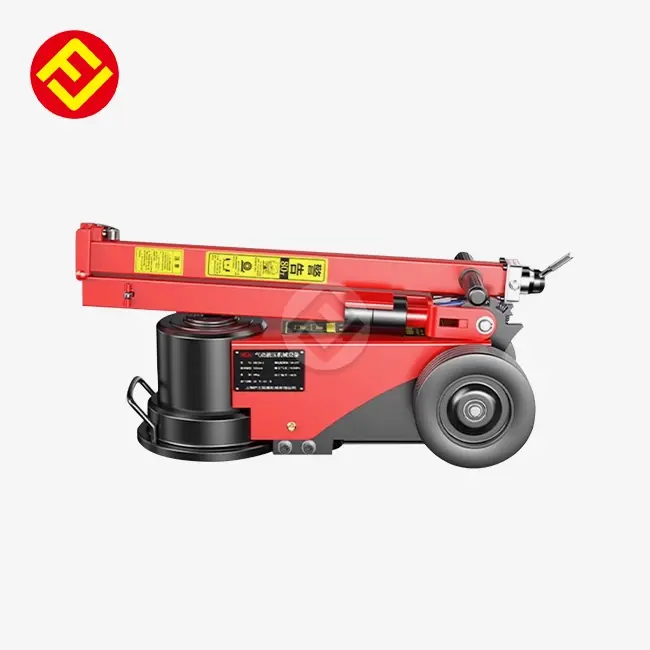
Understanding Hydraulic and Pneumatic Jacks
Although both hydraulic and gas jacks are used to lift big things, their basic processes give them different performance traits that are very important in real-world situations.
How Hydraulic Jacks Operate
Pascal's principle says that when fluid pressure is put on a smaller piston, it makes a bigger piston stronger. This is how hydraulic jacks work. When you pump the handle, hydraulic oil goes through spaces that are shut off. This turns the mechanical energy into steady pulling power. Hydraulic jacks are great for pulling cars, building equipment, and industrial tools because they use a closed system to make a lot of force from small units. When working with fragile parts or needing to make exact height changes, the controlled fall and precise placing are very useful. Once they are under pressure, hydraulic systems can keep the load in place without constant power input, which makes them stable during long repair procedures.
How Pneumatic Jacks Function
Compressed air energy is turned into mechanical lifting action by pneumatic jacks. When these units are hooked up to an air compressor using normal hose fittings, they either blow up internal tanks or move piston sections that raise the load. Working pressures are usually between 0.4 and 0.8 MPa, which allows for fast extension speeds that cut cycle times by a large amount. A small pneumatic jack made for car repair can fully lift in less than five seconds, which greatly speeds up work in repair shops that do a lot of it. Since there is no hydraulic fluid, there is no chance of contamination. This is especially helpful in places like food processing plants, clean rooms, and other places where fluid leaks could harm sensitive equipment or pose a safety risk.
Key Differences Affecting Procurement Decisions
The most noticeable difference is the power source needs. Once they are filled with fluid, hydraulic jacks can work on their own and only need to be pumped by hand or an electric motor turned on. Pneumatic systems need constant access to compressed air, which means that air engines, transport lines, and moisture filter tools need to be built into the infrastructure. This dependence can make it harder to move in rural areas without electricity or gas systems that are already in place.
Another important factor is the lifting ability. In industrial settings, hydraulic jacks can often handle loads of more than 20 tonnes. Bottle jacks and floor jacks are especially good at supporting weight in small packages. Pneumatic options are usually used for smaller tasks, and most models can hold between 2 and 5 tonnes. However, some specialised units can handle higher loads. The speed difference is that pneumatic devices can lift things three to five times faster than hydraulic jacks that have to be operated by hand.
Maintenance needs are very different. Periodically, hydraulic units need to have their fluids checked, their seals inspected, and the system bled to get rid of any air. Leaks in fluids not only hurt efficiency, but they can also be messy to clean up and could cause problems with environmental laws. Although small pneumatic jacks don't need any fluid upkeep, they do need regular air line moisture drainage, seal integrity verification, and safety valve functionality testing to make sure they work properly.
Pros and Cons of Hydraulic vs Pneumatic Jacks
In order to make a smart equipment purchase, you need to weigh the pros and cons of each technology against the needs of your business.
Advantages of Hydraulic Jacks
Hydraulic systems for a jack can lift more weight than any other method while taking up very little space. A 10-ton bottle jack doesn't take up much room on the floor but has enough force to lift big building equipment or hold up structure parts while they are being fixed. Because of this high power density, hydraulic jacks are essential for big industrial tasks where room constraints make other equipment choices limited.
The way hydraulic lifting works is very smooth. Because hydraulic fluid can't be compressed, it moves in a steady, controlled way without the sudden stops and starts that can happen with pneumatic systems. This smoothness is very important when putting delicate machine parts in place or working close to people who could be hurt by quick changes in load.
Hydraulic technology is different because it can hold loads without constant power input. Once they are under pressure, hydraulic jacks can stay raised forever without using any energy, which is helpful for long repair sessions. This feature makes things safer by removing the worry that a power outage could cause the load to drop suddenly.
Durability in tough settings is a result of the strong building that is common in hydraulic machinery. Heavy-duty steel cylinders, hardened piston rods, and industrial-grade seals can handle tough conditions like high and low temperatures, dirt, and physical hits that are typical in mining and building.
Limitations of Hydraulic Systems
Size and weight make it hard to move around. A hydraulic floor jack that can lift 3 tonnes usually weighs between 60 and 90 pounds, which means it needs to be moved by more than one person or stored in a special place. This weight makes it harder to move around in crowded workplaces or buildings with more than one floor that don't have goods lifts.
The cost of operations goes up when maintenance is harder to do. Hydraulic fluid needs to be replaced every so often, seals wear out and let air in, and the system needs to be bled, all of which take expert knowledge and special tools. Fluid pollution from dirt or wetness speeds up the wear on parts, which could lead to failure before it's time.
Using hydraulic fluids raises worries about the environment. Petroleum-based oils can catch fire, getting rid of them requires following environmental rules, and spills can cause slips and poisoning problems. Even fluids that break down naturally need to be handled and cleaned up carefully.
When used in high-frequency tasks, slower action compared to gas options lowers output. For manual hydraulic jacks to fully extend, they need to be pumped more than once. This takes time, which adds up quickly in repair shops that do a lot of lifting every day.
Advantages of Pneumatic Jacks
The main benefit of air-powered lifting tools is its speed. Rapid extension and retraction processes cut down on car repair times by a huge amount, which lets quick-lube and tyre shops get more done every day. This speed directly leads to more money coming in from customer service operations.
The lightweight design makes it easier to move around. A 3-ton air jack usually weighs between 30 and 45 pounds, which is about half the weight of a similar hydraulic unit. These jacks are easy for technicians to move from one desk to another without having to use extra tools or hurt their bodies.
Fluid pollution risks are eliminated by clean work. Because they don't use hydraulic oil, air jacks can be used to fix equipment in places that process food, make medicines, or put together electronics, where even small amounts of fluid could contaminate the product or damage the equipment.
When there are risks around, safety benefits show up. Pneumatic systems don't make sparks when they're working normally, so they can be used in places where explosives are present as long as they are properly approved. Being able to quickly release pressure is useful in emergency scenarios because it lets you lower the load right away.
Less upkeep means lower long-term costs of ownership. Since there is no hydraulic fluid to keep an eye on and replace, maintenance is limited to simple tasks like checking the air lines, draining wetness, and occasionally greasing the seals. These tasks can be easily done by general maintenance staff who have not been trained in hydraulics.
Limitations of Pneumatic Systems
Dependence on compressed air infrastructure for small pneumatic jack means that you have to make an initial investment and operate within certain limits. Before using pneumatic jacks, facilities that don't already have pneumatic systems must set up compressors, transport pipes, moisture filters, and pressure control equipment. For mobile apps to work, movable fans are needed, which increases the cost and complexity.
Less pulling power limits what can be done. While gas jacks are fine for fixing cars and putting together light industrial parts, hydraulic jacks are usually better for maintaining big machinery or supporting structures that need to hold more than one tonne.
Making noise during operations hurts the comfort of the workplace. When air goes through mufflers, it makes noise that can be heard. This could add to the noise level in places where many gas tools are working at the same time. Even though mufflers lower the volume of noise, it is still impossible to reach total quiet.
When a compressor stops working, the hydraulic jacks stop working right away because they need a constant flow of air. Power blackouts, broken lines, or broken compressors stop activities until service is restored. This is different from hydraulic jacks, which can work on their own once they are filled.
Small Pneumatic Jacks: Features, Benefits & Applications
Space, speed, and cleanliness are all very important in some operations, and compact air-powered lifting devices help with those problems.
Construction and Core Components
These days, air jacks have parts that are carefully made to work reliably even in tough situations. Depending on how strong it needs to be and how much weight it needs to be, the cylinder body is usually made of carbon steel, alloy steel, or an aluminium alloy. Carbon steel types are the most durable and are best for industrial uses where resistance to pressure is more important than weight. Models made of aluminium metal are lighter for uses that need to be moved around a lot.
Chrome coating is applied to the inside of objects, which has more than one purpose. The hard, smooth chrome layer keeps the piston and cylinder wall from rubbing against each other, which lowers wear and increases service life. This metal also doesn't rust when it comes to the wetness that is always in compressed air systems, even when filters are used. Sealing materials are made of fluororubber or nitrile rubber mixtures that are chosen based on their chemical strength and temperature range. When it comes to temperature ranges, fluororubber seals can safely work from -20°C to +80°C, making them good for outdoor use or places with little climate control.
Good air jacks have safety features built in to keep workers and machinery safe. Over-pressurization, which could break air tanks or damage mechanical parts, can't happen because of safety valves. Exhaust mufflers direct the pushed air away from workers while lowering noise levels and making the workplace more comfortable. Standard air line connectors let you connect to current compressed air systems using standard quick-disconnect fittings. This makes it easier to use in a variety of work areas.
The steps used in manufacturing make sure that the dimensions are correct and the structure is strong. Cylinder bores need to be made with tight tolerances through precision turning operations in order for the seal to work right. Welding processes put structure parts together using methods approved for use in pressure vessels. Before it is shipped, every finished unit is tested for leaks, pressure, and its useful life.
Operational Benefits in Professional Environments
Speed benefits of a mini air jack change how efficiently work gets done in high-volume settings. Tyre shops that work on dozens of cars every day are much more productive when techs can lift things in seconds instead of the minute or more it takes to manually pump a hydraulic jack. This time savings adds up over several daily lifts, which could increase the facility's output by 20 to 30 percent without having to pay more workers.
Less user tiredness makes the job safer and more satisfying. When technicians use air systems instead of hydraulic jacks, they don't have to pump the same way over and over again. This reduces physical pressure and the risk of joint injuries. This practical benefit becomes more important when the workforce is getting older or when it's hard to find people to fill physically demanding jobs.
Cleanliness has perks beyond just keeping things from getting dirty. Since there is no hydraulic fluid, there are no continued costs for absorbent Products" target="_blank" style="color:blue" >products, cleanup labour, or environmental dumping fees. The floors of the workshop stay clean, which makes them safer for people to slip on and gives service areas a more professional look.
Users who are only familiar with basic air tools are often surprised by how precise the controls are. Adjustable variable pressure lets you finetune the pulling force, which is useful for working with fragile parts or uneven loads. Controlled fall rates keep sudden drops from happening, which could damage equipment or put people working under heavy loads in danger.
Practical Applications Across Industries
The most common place for a program to be used is in an automotive care facility. Rapid lifting processes and low-profile designs that fit under current cars with little ground space make it easier to do quick tasks like changing tires, fixing brakes, and checking under the car. The small pneumatic jack works especially well in shops that work on high-end sports cars or modified cars, where regular floor jacks can't reach factory lift points without damaging the car.
Compact air jacks are used on industrial assembly lines to move parts and provide temporary support during the manufacturing process. Pneumatic systems are perfect for placing circuit boards, display panels, or sensitive tools during integration processes because they don't create any contamination when they move. Just-in-time placement is possible because of the quick reaction, which keeps the production flow going smoothly without any delays.
For field service uses, repair on construction equipment needs portable lifting options. When linked to portable gas engines, pneumatic jacks can be used as emergency lifts on remote job sites where hydraulic equipment would need to be pumped by hand or where there is no electricity. Because the units aren't too heavy, service workers can move several of them in standard service trucks without going over the payload limits.
In dangerous areas like mines, where explosion-proof approval is needed to make sure safety rules are followed, gas lifting equipment is used. Maintenance work on underground conveyor systems, train equipment, and processing machinery is easier when it can be done without sparks and quickly, which is important in small areas where entry is limited.
For car extrication and structure stabilisation, emergency reaction teams value features that allow for quick deployment. Pneumatic jacks quickly extend to their full length, which lets rescues make entry holes or stabilise fallen buildings faster than hydraulic ones. This could help people survive in situations where time is of the essence.
Conclusion
When deciding between hydraulic and gas jacks for small pneumatic jack, you need to carefully think about what you need to do and how the system works. Hydraulic systems are great for big industrial tasks where maximum force is more important than cycle speed because they can lift more weight and keep it steady. The advantages of pneumatic options are that they work well in high-frequency situations where quick moving, flexibility, and clean operation make it worth investing in infrastructure. Professionals in procurement should look at how the goods are actually used, figure out the total cost of ownership, which includes repairs and energy use, and make sure that the supplier's skills meet quality and support standards. By knowing these things, you can confidently choose equipment that boosts productivity, makes the workplace safer, and lasts for a long time in a wide range of industrial settings.
FAQ
How much weight do I really need to be able to lift for my job?
Find your highest expected load, making sure to include some extra space for error. As a general rule, a jack should be able to hold at least 1.5 times its highest estimated load. For service, 2 to 3 tonnes are usually enough for passenger cars and 5 to 8 tonnes are enough for light trucks. Because industrial technology is so different, it's important to be very careful when measuring real weights. Underestimating capacity can put people in real danger, and overestimating capacity adds weight and cost that aren't needed.
Can hydraulic jacks work even if the air generator isn't running all the time?
For lifting, pneumatic jacks need compressed air, but they don't need the compressor to be going all the time. Receivers store compressed air in most buildings. This lets compressors turn on and off while keeping the pressure right. Portable uses air tanks that are the right size and have enough volume to last for several lift rounds before they need to be refilled. To find the right tank size, compare the amount of air used per lift cycle to the amount of space available.
How do I find trusted companies to buy large jacks from?
Look for providers that have proof that they meet ISO9001 quality standards and the right safety standards, such as CE marks and pressure tank certifications. Ask for examples from current customers in related fields, and make sure that the guarantee terms make it clear how to file a claim and how long the coverage lasts. Check out the expert help options and how quickly they can answer questions about application building. Manufacturers that have been around for a long time and have a track record of reliability are usually more reliable than younger companies that haven't been around for as long.
Partner with FLA Industrial & Trading Co., Ltd. for Your Lifting Equipment Needs
Protect your operations with industrial-grade lifting options that have been made well for almost 40 years. Our line of small pneumatic jacks is made using ISO9001 and CE-certified methods that meet strict quality standards. They will give your building the performance it needs. We know that buying managers need sellers who consistently provide high quality goods, keep stock on hand, and offer quick technical support. If you're looking for pneumatic jack tools for car repair shops, factories that put things together, or building sites that need regular upkeep, our engineering team can help you match the right specs with your exact needs. Get in touch with our purchasing experts at sales@flaindustrial.com to talk about bulk discounts, unique setups, and shipping times that will help you keep your projects on track without sacrificing quality.
References
Parker Hannifin Corporation. (2021). Industrial Hydraulic Technology and Applications. Cleveland: Parker Hannifin.
Pippenger, J.J., & Hicks, T.G. (2019). Industrial Hydraulics Manual: Fifth Edition. New York: McGraw-Hill Education.
Society of Automotive Engineers. (2020). SAE Standards for Vehicle Service Equipment. Warrendale: SAE International.
American Society of Mechanical Engineers. (2022). ASME B30.1 - Jacks, Industrial Rollers, Air Casters, and Hydraulic Gantries. New York: ASME Press.
Occupational Safety and Health Administration. (2021). Guidelines for Safe Use of Pneumatic and Hydraulic Lifting Equipment. Washington: U.S. Department of Labor.
International Organization for Standardization. (2020). ISO 13849: Safety of Machinery - Safety-related Parts of Control Systems. Geneva: ISO Publications.