Advantages of Grooved Pipe Couplings Stand the Test of Time
2026-04-15 14:17:21


When you're in charge of big pipe projects, the link method you pick for coupling grooved affects more than just how quickly the work is done; it also affects how reliable the system will be for decades to come. In fire protection, HVAC, public water, and commercial settings, grooved pipe connection technology has become the best choice. Unlike traditional methods like welding or flanging, which require specialised skills and a lot of downtime, grooved mechanical connections have a simple but complex design that makes them safe and leak-proof. The main benefit is that they can be put together quickly and have very strong structures. This means that maintenance teams can change systems without damaging them and they can also accommodate heat movement and seismic activity that would damage rigid joints.
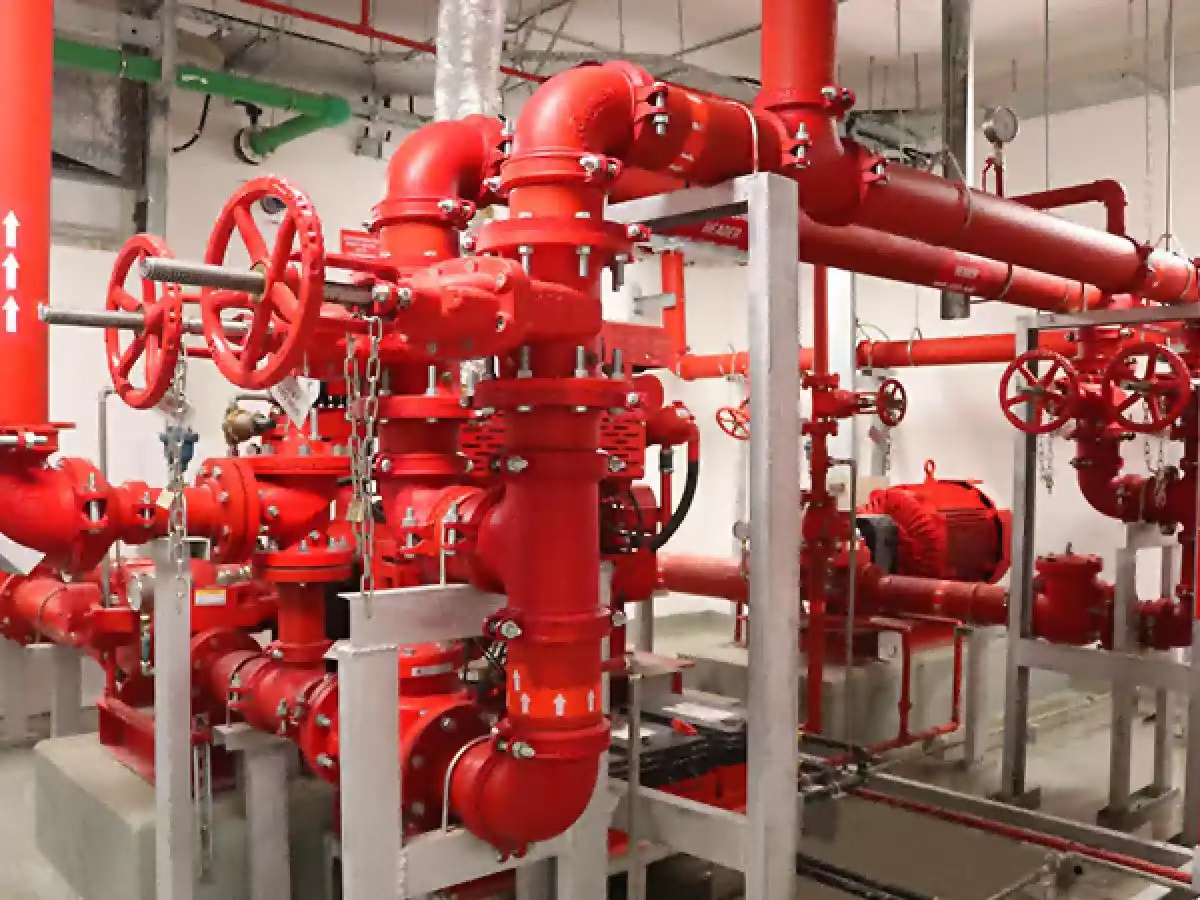
Understanding Grooved Pipe Couplings: Design, Functionality, and Applications
How Grooved Coupling Technology Works
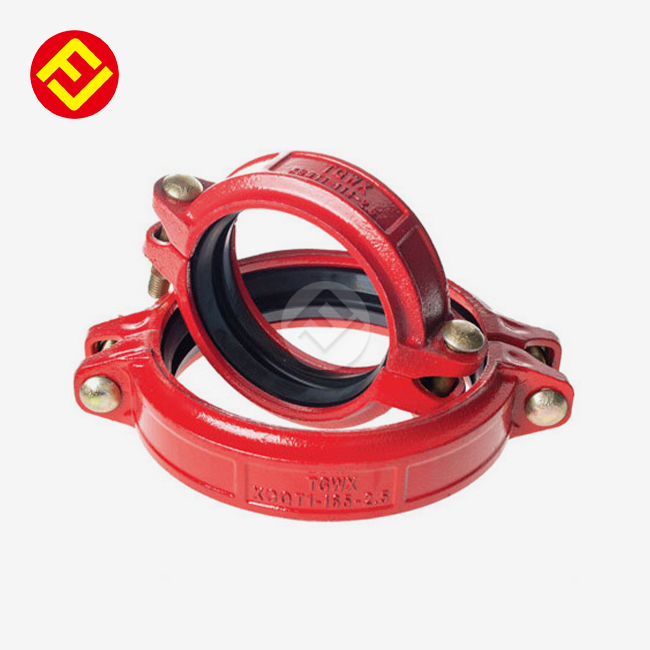
A grooved coupler system's main job is to join pipes mechanically by cutting or rolling grooves into the ends of the pipes. A pressure-responsive rubber seal is put around the pipe joint, and then a two-piece housing that fits into the holes is secured. This housing is usually made of ductile iron that meets ASTM A536 Grade 65-45-12. The gasket gets squeezed to make a leak-proof seal as the bolts pull the housing pieces together until the bolt pads touch. The pressure-responsive design is what makes this engineering so beautiful. In this case, pressure inside the system actually strengthens the seal instead of breaking it, which is different from threaded connections where pressure stresses the joint threads.
Rigid Versus Flexible Coupling Configurations
When procurement managers look at system standards, they need to know when to define hard or bendable connections. Rigid couplings have a tongue-and-groove housing design that tightly clamps the pipe ends, making them less mobile, like a soldered joint. You would use these when it's important that the pipes are lined up correctly, like with vertical fire sprinkler levels in high-rise buildings.
Flexible connections, on the other hand, let you control how much something expands or contracts linearly, how much it bends at an angle, and how much it turns. This adaptability is very helpful in systems that are affected by changes in temperature, earthquakes, or settlement. In HVAC systems, flexible couplings are especially useful at the points where equipment is connected. These couplings act as vibration isolators, lowering the noise from pumps and chillers without the need for costly extension loops or rubber bellows.
Industry Standards Governing Quality and Compatibility
Grooved systems must meet strict performance standards that are set by international standards. ANSI/AWWA C606 sets standards for groove sizes, which makes sure that pipes that are grooved according to the rules will fit properly with connections that meet the standards. Fire prevention uses that have been UL Listed or FM Approved have been shown to meet the standards set out in NFPA 13. ISO 9001 approval shows that companies use quality management methods all the way through production, from checking the raw materials to doing the final hydraulic testing. Instead of just believing what the maker says, buying workers should check that the goods they are looking at have these third-party approvals.
Application Versatility Across Industries
Grooved coupling technology is used in many different areas that have different performance needs. In the biggest application category, fire prevention systems, grooved systems are the standard because they can be quickly retrofitted and meet building codes. Municipal water treatment plants like epoxy-coated or hot-dip galvanised housings that don't rust and EPDM valves that can handle water temperatures continuously from -30°F to +230°F.
In industries like mining, chemical processing, and food production, grooved coupling systems are used to move slurry. During repair, being able to rotate pipe sections increases service life by spreading out wear and tear. Vibration damping properties protect sensitive equipment and keep the system aligned, which is good for HVAC machinery rooms. Each use takes advantage of different grooved coupling features, like speed, flexibility, resistance to rust, or ease of maintenance, to solve problems that are unique to that area.
Core Advantages of Grooved Couplings Over Traditional Methods
Dramatic Installation Time and Labor Cost Reduction
The business case for grooved connections starts with how quickly and easily they can be installed. Comparing different ways of installing things in the field shows that grooved systems are three to five times faster than welding and about twice as fast as flanging. To weld a 4-inch pipe joint, the pipe needs to be prepared, tack welded, fully penetrated, cooled, and non-destructively tested. This takes about 45 to 60 minutes of skilled labour. Grooved installation on the same width includes cutting the pipe (if it wasn't already grooved), placing the seal, and tightening the nuts to the pad-to-pad standard. Technicians with basic training can do this in 10 to 15 minutes.
This speed edge grows when working on projects with a lot of links. Construction managers like being able to plan mechanical installs more quickly, which shortens the time it takes to finish the whole job. Getting rid of the need for hot work permits in occupied buildings or dangerous areas cuts down on regulatory delays and fire watch requirements, which saves a lot of money in costs other than direct labour.
Enhanced Safety Profile and Reduced Risk Exposure
Safety concerns go beyond getting rid of welding risks. Grooved connections that have been proven to work at working pressures ranging from 300 PSI to 1,000 PSI (depending on the size and weight classification of the housing) work reliably in regular conditions and can handle pressure spikes that happen in pumped systems. Because the gasket responds to pressure, water hammer events, which can completely destroy threaded joints, actually make seal tension better in grooved systems.
Another aspect of safety is seismic resistance. Installing flexible grooved joints at regular intervals lets pipe systems handle ground movement without breaking, which is something that hard welded or flanged systems can't do. Building rules in areas prone to earthquakes are becoming more aware of this benefit. In some places, flexible joints are required at building penetrations and machine links in important facilities.
Simplified Maintenance and Operational Flexibility
When it comes to lifetime benefits, grooved systems really shine during the repair and change stages. For even small changes, welded systems need to be cut, re-welded, and put under pressure. Grooved systems, on the other hand, can be taken apart and put back together without damaging them. Maintenance crews can take off a joint, check or change parts inside, and get the machine back in service in hours instead of days.
Another benefit of upkeep is that it can be done visually. The 'pad-to-pad' installation standard lets techs quickly check that the coupling is properly put together: when the bolt pads on the housing pieces fully touch each other, the coupling is correctly put together. This is very different from flanged bolting patterns that need torque wrenches and specific steps for tightening, or welded parts that need to be x-rayed or sonographed to make sure they are quality. Check for pad-to-pad contact, check the state of the seal through housing inspection windows if they are available, and make sure that the bolts are still properly torqued. These are simple seasonal inspection procedures that only take minutes per joint and don't require any special tools.
Material and Size Compatibility for Global Procurement Needs
Ductile Iron Versus Carbon Steel: Material Selection Criteria
The choice of material for coupling grooved has a big effect on both the original investment and the success over the lifecycle. Ductile iron housings made to ASTM A536 standards are a great mix of strength, flexibility, and low cost of casting. The minimum tensile strength is 65,000 PSI and the minimum yield strength is 45,000 PSI. These strengths make sure that the structure stays strong at the specified pressures. The spheroidal graphite lattice also makes it more resistant to impact than grey cast iron. Ductile iron can have its surface treated in a number of ways, such as electrostatic powder coating for general use, hot-dip galvanisation according to ASTM A153 for acidic settings, or epoxy coating for chemical exposure. This means that procurement managers can choose finishes that are right for the job.
On the other hand, carbon steel housings are used in situations that need higher pressure levels or chemicals that are compatible with certain materials. Most of the time, steel connectors cost more than their ductile iron counterparts, but they may be cheaper in the long run in some harsh working circumstances. When choosing materials, procurement workers should think about more than just the original unit cost. They should also think about how long the materials are expected to last, how often they will need to be maintained, and how much they will cost to replace over the life of the system.
Gasket Material Engineering for Service Conditions
The rubber gasket is the most important part for closing, and choosing the right material can keep expensive field failures from happening. EPDM (Grade E) gaskets are used in most water-based uses because they are very resistant to ozone, weathering, and changes in temperature while still being flexible. The temperature range it can work in is from -30°F to +230°F, which covers most HVAC, fire protection, and city water situations.
Gaskets made of nitrile (Grade T) can handle temperatures from -20°F to +180°F and are used for petroleum Products" target="_blank" style="color:blue" >products like fuel oil and lubricating oil systems. Silicone is used for applications that need to withstand high temperatures, and fluoroelastomer is used for applications that need to withstand harsh chemicals. If you use the wrong gasket materials, they will break down faster. For example, petroleum-based oils will chemically attack EPDM gaskets, making them grow and lose their ability to close. Also, EPDM isn't good for hydrocarbon service, where nitrile works better.
Comprehensive Size Ranges and Custom Manufacturing Capabilities
Standard grooved connection systems come in widths ranging from 1 inch to 48 inches and even longer, so they can be used for most business and industrial pipe needs. Dimensional standards make sure that a 6-inch coupler from a maker that follows the rules will fit a 6-inch notched pipe made of carbon steel, stainless steel, or malleable iron. This openness makes buying things and keeping track of supplies easier.
Custom making for grooved coupling meets the unique needs that come up in retrofitting jobs or other specialised uses. FLA Industrial & Trading has engineers who can make fittings of any size, gasket materials that are changed for specific chemical exposures, and housings with special finishes or pressure ratings. Within 24 to 48 hours, our fast response system sends quotes, weight confirmations, and 3D plans. This helps buying teams quickly figure out if the project is possible and how it will affect their budget. We balance availability with customisation freedom by keeping 2,000 tonnes of standard goods in stock so they can be shipped right away and custom orders are filled within 7–15 business days.
Evaluating Market Choices: Leading Brands and Cost Considerations
Manufacturer Reputation and Global Support Infrastructure
There are well-known companies in the grooved coupler market that have been improving their products for decades and have track records of good performance in the field. Victaulic was the first company to use grooved mechanical pipe in 1925. The company has expert support facilities in over 120 countries, making it the biggest in the world. UL and FM approvals show that Tyco Fire Protection Products, which is now part of Johnson Controls, has a lot of experience with fire sprinkler uses. Anvil International has a wide range of products for the industrial, HVAC, and motor fields.
When procurement managers look at different makers, they should not only look at the products they make, but also how well they can help customers with technical issues, how much stock is available locally, and what the guarantee terms are. When working on projects in more than one country, it's helpful to have sources with regional delivery networks that make sure products are always available and make operations easier. Access to technical support, such as engineering help, installation training, and solving advice, is often just as important as the quality of the product itself. This is especially true during the testing phase, when projects need to stay on schedule by quickly fixing problems.
Lifecycle Cost Analysis: Grooved Systems Versus Alternatives
To get a full picture of lifetime economics, a cost comparison must include more than just the original costs of materials and installation. When labour is taken into account, grooved systems have much lower fixed costs than threaded systems, even though the cost of materials per link is higher with grooved systems. When compared to flanged joints, grooved systems often have the same or lower costs for materials and a lot less work to do.
The servicing part makes the best thing about grooved systems very clear. It only takes half a day to replace a grooved connection instead of two days of welding, pressure testing, and system downtime to make a change to the pipes. Over a building's 20–30-year life, the money saved on upkeep often covers the cost of installing the system in the first place. Unplanned downtime costs like lost output, emergency contractor fees, and faster shipping of materials favour systems that can be fixed quickly, which is an area where grooved technology really shines.
Cost factors like warranty covering and dealer help are often forgotten. Comprehensive contracts that cover material faults, production flaws, and performance promises lower the risk. Technical help from the supplier cuts down on installation mistakes that cause calls back and guarantee claims. When making decisions about where to get things, procurement teams should look at both these qualitative factors and the costs associated with them.
Conclusion
Coupling grooved pipe coupler technology has been used for many years and in many different situations. Its long-lasting success is due to basic engineering benefits that match buying priorities: it is easy to install, reliable in operation, and cost-effective over its entire life. For fire safety systems that need to follow the rules and be able to be retrofitted quickly, grooved mechanical connections work well. The same is true for industrial processes that need to be flexible with upkeep and be able to handle vibrations. When you mix different types of gaskets made from different materials and different surface treatments for housings made of malleable iron and carbon steel, you can make a design that can handle almost any pipe problem. When starting costs are weighed against total lifetime value, which includes labour, downtime, and the ability to react to future changes, grooved coupling systems consistently show why they have been used in important infrastructure around the world for so long.
FAQ
When it comes to longevity, how do grooved joints stack up against welded connections?
When placed correctly, grooved mechanical couplings work as well as or better than soldered joints at keeping air in and keeping the structure together. The main difference is that grooved systems are more flexible and can handle movement that would break hard soldered joints, like when there is an earthquake or a change in temperature. Data from installations that have been up for more than 50 years shows that it is as durable as or more durable than welded systems and is also better at adapting to changes that need to be made to the system over its lifetime.
Can different types of pipes be used in the same system with grooved couplings?
If the groove sizes meet ANSI/AWWA C606 standards, grooved coupling systems can connect pipes made of different materials, like carbon steel to stainless steel or ductile iron pipe to PVC-lined steel. This flexibility makes it easier to build systems and do upgrades on old pipes that are still in use. Which materials for the seal and covering should be used should depend on the connection's most demanding working situation.
How long does it usually take to get big sales, and can you speed up shipping?
Standard grooved connection setups are ready to ship right away from our 2,000-ton stock. Custom specs, such as non-standard shapes, special finishes, or changed gasket materials, usually take 7-15 business days to manufacture and check for quality. When project plans call for quick delivery, we can handle faster requests by organising production goals and resources to meet important targets. Get in touch with our purchasing team with special needs to find out if they are available and what shipping choices are available.
Partner with FLA Industrial & Trading Co., Ltd. for Reliable Grooved Coupling Solutions
The long-term success of your plumbing system rests on the quality of the parts and the knowledge of the seller for coupling grooved. Every notched coupling that FLA Industrial & Trading Co., Ltd. makes is backed by our nearly 40 years of manufacturing experience. Our ISO 9001-certified ductile iron and carbon steel couplings go through a lot of checks to make sure they are the right size, are resistant to pressure, and are made of the right materials before they are sent out. Our engineering team can make solutions that are exactly what you need, whether it's UL/FM approved fire protection fittings, epoxy-coated joints that won't rust for water systems, or custom setups for unique uses. As a reliable company that makes coupling grooved parts for Fortune Global 500 companies in the US, Germany, and Australia, we know what's important when it comes to buying things: low prices, reliable quality, and quick technical support. Email our team at sales@flaindustrial.com to talk about the needs of your project and get full quotes within 48 hours.
References
American National Standards Institute. (2019). ANSI/AWWA C606: Standard for Grooved and Shouldered Joints. American Water Works Association.
ASTM International. (2021). ASTM A536-84: Standard Specification for Ductile Iron Castings. West Conshohocken, PA: ASTM International.
National Fire Protection Association. (2022). NFPA 13: Standard for the Installation of Sprinkler Systems. Quincy, MA: NFPA.
Victaulic Company. (2020). Grooved Mechanical Piping Systems: Engineering Design and Installation Manual. Easton, PA: Victaulic.
International Organization for Standardization. (2015). ISO 9001:2015 Quality Management Systems—Requirements. Geneva: ISO.
American Society of Mechanical Engineers. (2018). ASME B31.1: Power Piping Code. New York, NY: ASME Press.