How Strong Are Wire Rope Clamps?
2026-04-15 14:17:29


When chosen and fitted correctly, wire rope clamps, especially those made of stainless steel, offer amazing power. When placed properly, a good stainless rope clamp made from Grade 316 stainless steel can usually handle 80 to 90% of the wire rope's stated breaking strength. Because of how well they terminate, these screws can be used for naval handling, building wire systems, and industrial tasks. The strength varies on the type of material, the form of the clamp, the thickness of the rope that can be used, and how it is installed. Knowing about these things helps people who work in buying make sure that decisions they make meet both safety and business needs.
Understanding Wire Rope Clamps and Their Strength
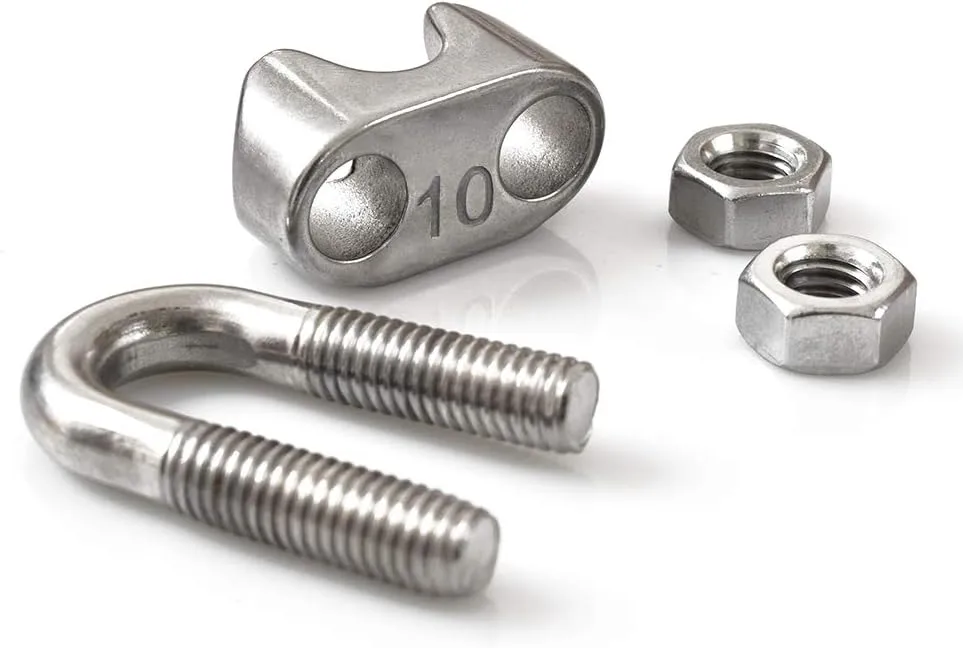
Wire rope clips are an important piece of hardware for keeping wire ends in place and making loop terminations that work well without the need for fixed swaging tools. The saddle part of these mechanical bolts applies pressing pressure to the rope surface, and the U-bolt holds the unit in place. When you know how these parts work together, you can see why making the right choice is so important for your projects.
Material Composition and Its Impact on Performance
The metal's makeup has a direct effect on how strong and long-lasting the clamp is. 304 and 316 types of stainless steel are the industry standard for uses that need to be resistant to rust. Grade 304 has chromium and nickel in it, which makes it very resistant to rust in light outdoor and indoor settings. Grade 316 adds molybdenum to the metal, which makes it more resistant to chloride pitting and crevice rust, which is important for use in saltwater. Because of this difference in materials, naval builders always choose 316-grade parts, even though they cost more. Unlike galvanised coats, which only provide barrier protection until they are broken, stainless surfaces naturally form a chromium oxide layer that protects them passively and heals itself when scratched.
Load Distribution Mechanics
Effective rope clamps are strong because they are designed with a shape that spreads pressure evenly around the rope's length. The saddle part has a rounded slot that fits the width of the rope. This keeps the strands from breaking while increasing the contact area. When the nuts are tightened to the right level, the U-bolt presses the rope against this saddle, making friction that keeps it from moving when it's loaded. This mechanical benefit only works if the saddle radius is the same size as the rope. Clamps that are too small put too much pressure on the rope strands, damaging them, while clamps that are too big don't grip well enough. Knowing this concept helps explain why there are standard size charts and why engineering testing is needed for unique uses.
Critical Factors Affecting Clamp Strength
Several factors that are linked together determine the real working strength in the field. The basic rust protection and tension qualities of a material are set by its grade. The level of accuracy used in manufacturing affects how well objects fit together and how evenly loads are distributed. The initial grip force is determined by the installation torque, and the right distance between multiple clamps makes sure that there are two ways for loads to go. If you switch the live end to dead end position, which means that the saddle must always touch the full rope part, it can cut efficiency by 40%. Temperature changing causes things to expand and contract, which can break connections if they aren't tightened again after the first load. The real safety cushion your system gets is made up of these things.
Types and Sizes of Stainless Steel Wire Rope Clamps
To choose the right clamp setups, you need to know about the different designs that are available and make sure that the specs match the needs of the application. There are a lot of different kinds of tools on the market, and each one is made for a different set of loading conditions and fitting needs.
Standard U-Bolt Clamps
A threaded U-bolt, a cast seat, and two hex nuts make up the most typical design of a stainless steel clamp. These clamps work well for a wide range of tasks where a wrench can easily be used to fix them. They come in rope sizes ranging from 3 mm to 50 mm and are a cheap way to set up static rigging and wire holding systems. Forged saddle clamps are better for important jobs because the process forms grain flow patterns that make them stronger than cast options. Thread quality is very important. When working with steel bolts, thick threads prevent galling better than fine threads, which is especially important when retightening.
Double Saddle and Fist Grip Designs
In some cases, special designs that get rid of the U-bolt completely are better. Double saddle clamps have two similar saddle pieces that are connected together. This spreads the pressure evenly and gets rid of the stress points that come with U-bolt bends. Fist grip clamps have a different way of clamping that makes them easier to put in tight areas. These other options are useful for building uses where looks are important or where the direction of the rope makes using a standard clamp installation impossible. They are usually more expensive per unit, but they solve certain fitting problems that would need special construction otherwise.
Matching Rope Diameter to Clamp Size
Correct size is probably the most important factor in the choosing process. Each clamp size fits a certain range of rope diameters, which are usually between 1 and 2 mm. Putting a 6mm clamp on an 8mm rope makes it hard to hold on and causes dangerous load conditions. In contrast, squeezing a clamp shut on a rope that is too big for it bends the saddle and breaks the rope strands. Manufacturers offer full match charts that buying teams should use when they are making specifications. When the width of the rope is between normal sizes, always choose the next bigger clamp size and test the grip to make sure it works well before putting the tools to use.
Material Comparison Analysis
The changes in performance between stainless steel and other materials have a big effect on the value over time. Galvanised steel clamps are cheaper at first, but they break down quickly when they come into contact with water, especially near the coast, where salt speeds up the zinc coating's breakdown. As soon as the zinc layer breaks, the steel underneath quickly rusts. Zinc-plated clamps protect against rust only on the outside and are good for keeping inside. Stainless steel clamps keep their shape for decades in harsh settings, which makes them the most cost-effective choice when repair labour and downtime are added to the total cost of ownership. When purchasing managers look at quotes from suppliers, they shouldn't just look at the buy price; they should also look at the total cost of ownership.
Installation Tips to Maximize Strength and Safety
When put wrong, even the best clamps won't work. If you follow tried-and-true construction steps, your wire rope systems will reach their stated strength and work reliably for the entire time they were designed to last. These steps can be used in a lot of different fields, from naval gear to building safety systems.
Saddle Orientation and the "Never Saddle a Dead Horse" Rule
Installers are reminded by the phrase "never saddle a dead horse" that the saddle part must always touch the live rope, which is the part that is under load. The U-bolt goes over the cut tail, which is the dead end. In this position, the larger saddle is against the working rope, and the U-bolt is only used to hold the tail. When you switch this around, the U-bolt bearing pressure is concentrated on the working strands. This creates stress points that lower the strength of the unit by 40% or more. During quality checks of the work, site managers should make sure that the right direction is being used. This mistake is common, even among experienced teams.
Proper Torque Application and Retightening Schedule
To get the right amount of clamp pressure without overtightening for a wire rope clip clamp, you need to follow the manufacturer's torque recommendations. When clamps are too loose, they slip when they're loaded, and when they're too tight, they damage the rope strands and risk breaking the nuts. Using measured torque tools makes sure that the quality of the work is the same at all connection places. When wire rope is first loaded, it slightly contracts as the strands settle into their load-bearing places. This happens all the time and is called "constructional stretch." It makes the rope thinner and the clamp grip less secure. It is best to retighten all clamps after the first time they are tightened and again after 24 hours of working load. As part of regular machine service, maintenance plans should include checking and fixing things every so often.
Clamp Spacing and Quantity Requirements
Single clamps don't usually offer enough closure strength for important tasks. According to industry guidelines, there must be at least three clamps for ropes up to 6 mm in diameter, four clamps for ropes 8–19 mm in diameter, and five or more clamps for sizes bigger than 19 mm. The distance between clamps should be about six rope diameters. This way, each clamp can add to the general grip without getting in the way of the others. The first clamp is put on closest to the loop stopper or ending point. The clamps that follow are put on along the tail. This arrangement makes a slow load shift that raises the strength of the unit and lowers the stress concentration.
Compliance with International Safety Standards
Professional setups have to meet basic safety standards set by the government. The American National Standards Institute (ANSI), the Occupational Safety and Health Administration (OSHA), and the International Organization for Standardisation (ISO) all put out guidelines on how to build wire rope assemblies, how to install them, and how to check them. Best practices in the business have been honed over decades of field experience and failure analysis, and these guidelines write them down. The paperwork for buying things should include references to relevant standards, and product certificates from suppliers should show that the Products" target="_blank" style="color:blue" >products are compliant. Meeting these standards keeps your business from being sued and makes sure that workers are safe and that operations run smoothly.
Strength Performance and Load Capacity Analysis
Figuring out the real working loads helps buying teams choose the right tools for each job. Data from lab tests and real-world experience are used to make sure that safe design methods are followed in all fields.
Testing Methodologies and Certification
Reputable companies try their goods in damaging ways to make sure they work at the rated levels. Tensile testing tools put steadily more weight on sample units until they break. The breaking point is then recorded. These tests show if clamps break because they slip, the U-bolt breaks, the saddle deforms, or a rope strand breaks. Test certificates should be sent with large orders to show that the product works as promised. Third-party testing labs offer independent confirmation that gets rid of the bias of the maker. The ISO 9001 approval shows that production methods are managed by quality management systems, and the CE marking shows that the product meets European safety standards. These certificates should be required by procurement requirements, especially for uses that involve the safety of people or important assets.
Load Ratings by Size and Configuration
The actual working load limits for a stainless steel clamp depend on the type of material, the thickness of the rope, and the form of the clamp. If you place a 6mm stainless rope clamp system correctly, it can usually handle loads of about 500 kg, and a 12mm setup can handle loads of about 2,000 kg. The numbers given are based on a safety factor of 5:1, which is the ratio between the breaking strength and the maximum working load. When people's safety rests on the link or when dynamic loading happens, conservative design practice adds more gaps. Manufacturers give out thorough load charts that show both the maximum working load and the breaking strength. During the quote process, procurement teams should ask for this information and make sure that the planned hardware meets the needs of the project with enough room for error.
Comparative Strength Analysis
When you compare two products side by side, you can see that they work differently in important ways. Stainless steel clamps don't break or soften when the temperature changes from -40°C to +200°C. They keep their stated strength. In acidic settings, the coating on galvanised clamps wears off, which drastically shortens their useful life. Marine industry groups have done tests that show 316-grade steel parts keep their structural integrity after years of being submerged in saltwater, but galvanised versions lose a lot of strength after just a few months of the same exposure. These results back up choices about which materials to use and back up lifetime cost studies that show stainless steel is better for tough jobs.
Real-World Case Studies
Real-life experience backs up what was learned in the lab and shows how good picking can stop mistakes. A dock facility in the Pacific Northwest replaced rusted galvanised clamps with 316 stainless steel ones. This got rid of the ongoing upkeep problems that meant the clamps had to be changed every year. After looking into a safety wire failure caused by small hardware, a building company in the Midwest set up standard clamp sizing guidelines. This will stop similar problems from happening again by making it easier to buy the right things. An user of an offshore platform started retightening connections on a regular basis after vibrations caused a number of non-critical connections to slip. This prevented damage to the equipment by performing preventative maintenance. These cases show that paying attention to the right materials, correct sizes, and quality of work has real benefits.
Conclusion
Choosing the right material, making sure it's the right size, and installing it correctly are all important parts of making sure a stainless rope clamp works well. Stainless steel clamps, especially those made of 316-grade steel, work very well in harsh conditions where resistance to rust and structural stability are very important. When procurement pros understand these connections, they can make smart choices that balance the original costs with the long-term value. Hardware will work as well as it's supposed to for as long as it's used if installation and upkeep plans are followed according to industry standards. When you work with skilled makers who can help with planning, provide good paperwork, and ensure on-time delivery, you can build buying relationships that help marine, building, and industry projects succeed.
FAQ
How much weight should I put on wire rope clamp assemblies?
Use a safety factor of at least 5:1 between the rope's breaking strength and the most weight you expect to be on it when figuring out the working load. Check that the number of clamps and the distance between them meet the standards for your rope's width. Higher safety factors, usually 10:1 or more, are needed for applications that deal with changing loads or the safety of people. Talk to the engineering team at your provider if the conditions of the product include shock loads, shaking, or high temperatures.
Can stainless steel clips be used in naval and ocean settings?
Marine settings are great for Grade 316 stainless steel clamps because they contain molybdenum, which stops salt rust. This metal stays strong even after years of being in sea, while galvanised options break down in just a few months. When buying gear for seaside, remote, or high-humidity areas, make sure it is made of marine-grade materials to make sure it won't rust.
How can I tell when clamps need to be fixed or replaced?
Check the joints every three months for obvious rust, saddles that are twisted, or nuts that are loose. Tea stains on stainless steel's surface is a sign of surface rust, but it rarely affects the structure's ability to hold things together. Check for damaged rope strands near where the clamps are. Crushed or broken strands mean that the rope is too tight or the wrong size. If you can see holes between the saddle and the rope, fix the links again according to the manufacturer's instructions.
Partner with FLA Industrial & Trading Co., Ltd. for Reliable Stainless Rope Clamp Solutions
If you choose the right maker of stainless rope clamps, you can be sure that your projects will get quality products and expert technical advice. FLA Industrial & Trading Co., Ltd. makes precision-engineered clamps out of approved 304 and 316 stainless steel and has been in business for almost 40 years. Our ISO9001 and CE standards show that we have quality management systems in place that check every step of the production process, from making sure the raw materials are safe to checking the finished product. Our engineering support can help you choose the best designs for your specific needs, and our production capacity can easily grow from small prototypes to full container loads. Get in touch with our team at sales@flaindustrial.com to talk about your needs and get full quotes that meet your unique technical and business requirements.
References
American Society of Mechanical Engineers. Wire Rope User's Manual, Fourth Edition. New York: ASME Press, 2015.
Federal Highway Administration. Post-Tensioning Tendon Installation and Grouting Manual. Washington, DC: U.S. Department of Transportation, 2013.
International Organization for Standardization. ISO 4309:2017 Cranes - Wire Ropes - Care and Maintenance, Inspection and Discard. Geneva: ISO, 2017.
MacKay, James R. Practical Guide to Wire Rope Terminations and Fittings. Cambridge: Maritime Engineering Publications, 2018.
Occupational Safety and Health Administration. OSHA Technical Manual, Section V: Chapter 4 - Overhead and Gantry Cranes. Washington, DC: U.S. Department of Labor, 2014.
Wire Rope Technical Board. Wire Rope User's Manual, Fifth Edition. Alexandria: Wire Rope Technical Board, 2019.