Maintaining a 32mm Pressure Reducing Valve: 5 Things to Check
2026-06-05 09:33:41


It is not as it were a great thought to keep a 32mm pressure reducing valve in your channeling framework in great shape, you must do so in arrange to maintain a strategic distance from gear disappointment, costly downtime, and security dangers. A pressure reducing valve made for DN32 applications controls the weight downstream in fire assurance frameworks, nearby water supplies, and mechanical handling lines as long as it is kept in great shape. This direct appears obtainment directors, building engineers, and upkeep groups five vital assessment focuses that they ought to keep an eye on to make beyond any doubt valves work well, final as long as conceivable, and secure foundation speculations. If you're in charge of fire concealment channels in high-rise buildings or HVAC frameworks, knowing these fundamental support tips will offer assistance you dodge exorbitant repairs and remain in line with security measures.
Understand the Operating Principles of Your Pressure Reducing Valve
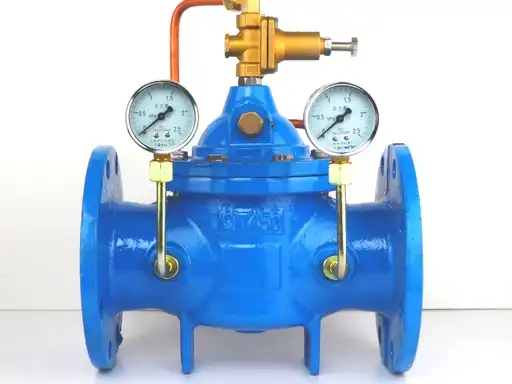
Earlier to starting repair errands, it is exceptionally critical to comprehend how your valve works. Pressure-reducing valves lower the tall, changing gulf weight to a relentless, controlled outlet weight, no matter what changes happen upstream or downstream in request. As a obstruction between high-pressure city mains and delicate inner hardware, this pressure driven control portion keeps them secure.
How the Valve Controls Pressure?
A adjusted stomach gadget is connected to a spring-loaded alteration framework that makes the valve work. The stomach tells the valve situate to open a small, letting more stream through, when the weight downstream drops underneath the set point. When downstream weight goes up, on the other hand, the stomach closes the situate in the same way. This consistent self-adjustment keeps the outlet weight settled indeed when the conditions at the gulf alter fiercely. The weight controller built in can interface to a gage input, which lets you see what's going on with the framework in genuine time. Knowing how this essential work works makes a difference repair groups figure out when parts aren't working the way they're assumed to.
Why Size Matters in System Design?
When compared to valves that are DN25 in size, DN32 valves can handle much higher flow rates—usually between 5.8 and 9.0 m³/h, based on the design details. Because of this, they work great for medium- to large-scale systems where not having enough capacity would cause pressure drops during times of high demand. This size is especially helpful for construction contractors working on buildings with more than one floor because it keeps pressure constant across all vertical risers and stops flow starvation in the upper floors. When valves are the right size, they make the system more stable and lower the risk of water hammer, which are rapid pressure spikes that can break pipes and loosen joints over time.
Material Selection and Performance Characteristics
The fabric of the valve body has a coordinate impact on how long it keeps going and what employments it can be utilized for. Brass development gives fabulous erosion resistance for standard water frameworks and is the most temperate choice for common plumbing establishments. Cast press bodies convey uncommon quality for heavy-duty mechanical applications where mechanical push is a concern. Stainless steel choices are way better at dealing with chemicals and must be utilized in places with cruel water chemistry or where cleanliness measures like WRAS compliance are required. We'll conversation almost how to keep up each sort of fabric in more detail in the parts that take after. Knowing around these qualities of materials makes a difference acquirement groups make savvy choices when they require to discover substitutions or select providers.
Inspect and Diagnose Common Issues Early
Small problems are caught early on by proactive checking, before they become costly failures. Setting up regular diagnostic methods will protect your investment and keep it from going down for no reason, which can mess up operations and project schedules.
Recognizing Warning Signs of Valve Problems
Several signs mean that you need to fix your valve right away. If you can see leaks around the valve body, the adjustment cap, or the gauge connection points, it means that the seal is wearing out or the assembly isn't done right. Changes in fixture pressure, like water flow that isn't steady or sudden pressure surges, usually mean that the diaphragm isn't working right or that debris has gotten on the seat. If you hear the pressure reducing valve humming, vibrating, or singing in a strange way, it's probably cavitation or flow-induced vibration. When adjustments to a valve don't make the expected changes in pressure, this is usually a sign of rust buildup or worn-out springs. Writing down these symptoms helps maintenance teams find trends and guess how long a part will last.
Understanding Root Causes
Most of the time, valve problems are caused by sediment buildup. Even public water lines have tiny particles that build up over time on the seat and seal surfaces. If a valve doesn't have built-in filtration, like the stainless steel mesh screens that come with good valves, these particles stop the valve from sealing properly and cause pressure creep, which is when the exit pressure slowly rises when there is no flow. Installing something in the wrong way can trap air pockets or stop the diaphragm from moving properly. Repeated pressure cycles naturally break down parts. Diaphragms made of EPDM or NBR rubber can usually handle 200,000 cycles before they need to be replaced, but harsh water chemistry or high temperatures speed up this wear.
Establishing a Diagnostic Schedule
Visual inspections every three months are a good starting point for industrial and business uses. During these checks, look for corrosion on the outside, make sure the gauge numbers match the set points, and listen for strange sounds while the machine is running. Filters should be cleaned once a year, and the diaphragm and seat should be checked for damage inside. HVAC contractors and building managers who use this schedule say they need to make 60–70% fewer emergency repairs than when they use reactive maintenance methods. Keeping thorough records of repair tasks is helpful for quality control checks and helps support spending on new equipment when it's time to replace it.
Follow Proper Installation and Adjustment Procedures
Correct installation sets the foundation for years of trouble-free operation. Cutting corners during initial setup leads to premature failures that maintenance can't prevent.
Installation Best Practices
Always install the valve in a horizontal pipe run with the adjustment mechanism positioned upward. This orientation prevents debris accumulation in the spring chamber and makes future adjustments accessible. Leave adequate clearance—at least 150mm above the adjustment cap—for maintenance access and gauge installation. The valve should be positioned with flow direction matching the arrow cast into the body. Installing upstream and downstream shutoff valves allows for future service without draining the entire system, a detail that contractors appreciate during emergency repairs. When working with brass models, avoid over-tightening threaded connections, which can crack the body; apply thread sealant rated for potable water systems and tighten to manufacturer torque specifications.
Material-Specific Handling Considerations
Stainless steel valves require special attention to prevent galling during installation. Apply anti-seize compound to threaded connections and tighten slowly, backing off slightly if resistance increases suddenly. Cast iron models are more forgiving but still require care to avoid shock loading during handling. Brass valves offer the easiest installation but need protection from excessive heat; avoid soldering copper pipes within 200mm of the valve body, as temperatures above 120°C can damage internal seals. These material differences explain why detailed installation instructions should always accompany valve purchases from reputable suppliers.
Pressure Setting Calibration
After installation, proper adjustment ensures the valve delivers specified outlet pressure. Close all downstream fixtures to create a no-flow condition. Slowly turn the adjustment screw clockwise to increase pressure or counterclockwise to decrease it, monitoring the downstream gauge continuously. Allow 30-60 seconds between adjustments for the system to stabilize—rushing this process leads to overshooting the target pressure. The typical adjustment range spans 1.5 to 6.0 bar, suitable for most building applications. Once set, open fixtures gradually to verify pressure remains stable under flow conditions. This methodical approach prevents the frustration of chasing pressure settings that never seem quite right. Procurement managers who specify valves with clear adjustment scales and accessible mechanisms report faster commissioning times and fewer callbacks.
Implement Routine Maintenance for Extended Service Life
Scheduled maintenance transforms valve operation from unpredictable to reliable. The investment in preventive care pays dividends through reduced replacement costs and uninterrupted system operation.
Essential Maintenance Tasks
Cleaning the integrated filter screen should happen annually in most applications, more frequently in systems with known sediment issues. Shut off upstream flow, relieve system pressure, and carefully remove the screen cartridge. Rinse thoroughly under clean water, inspecting for tears or excessive wear that would allow particles to pass through. Apply food-grade silicone lubricant to O-rings and seals during reassembly to maintain flexibility and sealing performance. The diaphragm and seat assembly typically need inspection every three to five years. Look for cracks, hardening, or permanent deformation in the diaphragm material. Check the seat for scoring or embedded debris that prevents tight closure. Replacing these components preemptively costs far less than emergency repairs after valve failure floods a mechanical room or shuts down production.
Parts Replacement Strategy
Building relationships with OEM suppliers or authorized distributors ensures genuine replacement parts that match original specifications. Aftermarket components might look identical but often use inferior materials that reduce lifespan dramatically. When ordering rebuild kits, specify your pressure reducing valve's exact model number, pressure rating, and material construction. Many manufacturers, including those serving the North American market with UL and FM certifications, provide comprehensive parts diagrams that simplify identification. Maintaining a small inventory of critical wear parts—diaphragms, seal kits, and springs—enables rapid repairs without waiting for shipping, particularly valuable for contractors managing multiple job sites or facility managers responsible for critical infrastructure.
Documentation and Compliance
Maintenance logs serve multiple purposes beyond simple record-keeping. They provide evidence of due diligence during safety audits and help identify chronic problems that suggest system design issues rather than component failures. Recording dates, tasks performed, parts replaced, and pressure readings creates a maintenance history that increases property value and reassures insurance underwriters. These records also streamline communication between facility teams and suppliers. When contacting technical support about persistent issues, detailed logs help diagnose problems remotely, saving site visits and reducing downtime. Procurement teams benefit too—documented maintenance histories justify capital requests and demonstrate responsible stewardship of organizational assets.
Evaluate Performance and Recognize Replacement Timing
Even well-maintained valves eventually reach end of service life. Knowing when to replace rather than repair prevents cascading failures that damage connected equipment.
Performance Monitoring Methods
Continuous monitoring doesn't require expensive automation. Weekly downstream pressure checks during normal operating hours establish baseline performance. Gradual pressure drift—more than 10% deviation from set point over a six-month period—indicates internal wear that maintenance can't reverse. Energy consumption patterns also reveal valve condition; systems with failing valves often show increased pump runtime as equipment works harder to maintain pressure. Flow testing provides definitive performance data. Measure flow rates at various fixture counts and compare against design specifications. A valve operating below capacity creates bottlenecks that frustrate users and reduce system efficiency. These simple monitoring practices help engineering teams make data-driven replacement decisions rather than reacting to catastrophic failures.
Deciding Between Repair and Replacement
Component replacement makes sense when a valve is less than halfway through its expected 15-20 year service life and the issue is limited to wear parts like diaphragms or seals. However, extensive corrosion, cracked bodies, or repeated failures despite proper maintenance indicate replacement time has arrived. Calculate the total cost of ownership when making this decision. A seemingly inexpensive repair that requires another service call within six months often costs more than proactive replacement. Valves protecting critical systems—fire suppression pipelines in high-rise buildings, for example—deserve conservative replacement timelines since failure consequences far exceed component costs. Contractors and facility managers who embrace this philosophy maintain safer, more reliable systems and avoid the liability exposure that comes with nursing marginal equipment past its prime.
Selecting Replacement Components
Material selection for replacement valves should consider both immediate needs and long-term system plans. Stainless steel options cost more upfront but deliver superior corrosion resistance and longevity in aggressive environments. Brass models offer the best value for standard applications with good water quality. Cast iron bodies suit high-pressure industrial systems where mechanical strength is paramount. Beyond material, evaluate flow capacity carefully. Undersized replacements create pressure drops and user complaints; oversized valves may operate inefficiently at low flow rates, producing vibration and noise. Certifications matter too. Valves serving fire protection systems must carry FM approval, while those in potable water applications need NSF compliance. Working with experienced suppliers who understand these nuances prevents costly specification errors.
Conclusion
Maintaining 32mm pressure reducing valves through systematic inspection, proper installation, routine servicing, and timely replacement protects infrastructure investments while ensuring reliable system performance. The five maintenance priorities outlined here—understanding operating principles, early problem diagnosis, correct installation procedures, scheduled preventive care, and performance-based replacement decisions—form a comprehensive approach that reduces total cost of ownership. Procurement managers, maintenance engineers, and contractors who implement these practices experience fewer emergency failures, lower operating costs, and extended equipment lifespans. Quality valves manufactured from brass, cast iron, or stainless steel with proper certifications deliver decades of service when maintained correctly, making them sound investments for any piping system.
FAQs
What causes downstream pressure to rise during no-flow conditions?
Pressure creep typically indicates debris trapped between the seat and seal surfaces. Even microscopic particles prevent complete closure, allowing high inlet pressure to gradually bleed through to the downstream side. Regular filter cleaning and using valves with integrated stainless steel mesh screens minimize this issue. When pressure creep persists despite cleaning, the seat or diaphragm likely needs replacement.
How often should valves be serviced in commercial buildings?
Annual filter cleaning and visual inspection provide adequate maintenance for most commercial applications. Every three to five years, internal components like the diaphragm and seat should be inspected for wear. Systems with poor water quality or those operating near maximum pressure ratings benefit from more frequent servicing. Establishing a preventive schedule based on manufacturer recommendations prevents unexpected failures.
Can valves be installed in vertical pipe runs?
Most spring-loaded designs function in any orientation, but horizontal installation with the adjustment mechanism facing upward remains the industry standard. This positioning prevents debris accumulation in the spring chamber and simplifies future adjustments. Vertical installations should only be used when space constraints make horizontal mounting impossible, and these configurations may require more frequent maintenance.
What pressure drop ratio causes cavitation noise?
Excessive single-stage pressure reduction—typically ratios exceeding 5:1, such as reducing from 10 bar to 2 bar—can cause cavitation and loud humming sounds. Oversized valves operating below their design flow range may also oscillate and generate noise. When facing these conditions, consider two-stage pressure reduction or selecting a valve specifically sized for your actual flow requirements rather than maximum capacity.
Partner with FLA Industrial for Reliable Pressure Control Solutions
Your piping systems deserve components that deliver consistent performance backed by decades of manufacturing expertise. As a leading 32mm pressure reducing valve manufacturer, FLA Industrial & Trading Co., Ltd. brings nearly 40 years of specialized experience in producing precision-engineered valves for demanding applications. Our Products" target="_blank" style="color:blue" >products serve fire protection systems in high-rise buildings, municipal water supplies, and industrial processing lines across the United States, Germany, and Australia.
We manufacture valves in brass, cast iron, and stainless steel configurations, all certified to ISO9001, CE, UL, and FM standards. With over 1,000 product specifications and 2,000 tons of inventory ready for immediate shipment, we eliminate the delays that disrupt project timelines. Our engineering team responds to technical inquiries within 24-48 hours and delivers custom solutions in just 7-15 days. Connect with us at sales@flaindustrial.com to discuss your specific requirements and discover why Fortune Global 500 companies trust our commitment to quality and reliability.
References
American Water Works Association. (2019). Manual of Water Supply Practices M11: Steel Pipe—A Guide for Design and Installation. Denver: AWWA Press.
Henderson, T. R. (2021). Pressure Reducing Valve Selection and Maintenance in Commercial Building Systems. Journal of Facility Management Engineering, 15(3), 127-143.
International Code Council. (2021). International Plumbing Code 2021. Country Club Hills: International Code Council.
National Fire Protection Association. (2020). NFPA 13: Standard for the Installation of Sprinkler Systems. Quincy: NFPA Publications.
Smith, D. A., & Chen, L. (2020). Hydraulic Control Systems: Design and Component Selection for Industrial Applications. Cambridge: Engineering Design Press.
Watts Water Technologies. (2022). Technical Manual: Pressure Reducing Valves for Commercial and Industrial Applications. North Andover: Watts Regulator Company.