Mastering the Art of Using a Pipe Wrench: From Beginner to Pro
2026-04-29 09:49:01


Learning how to use a extra large pipe wrench properly turns simple maintenance chores into skilled, time-saving tasks. Knowing how to use a wrench correctly keeps you safe, increases output, and stops damage, whether you're tightening large-diameter pipes in industrial plumbing or loosening seized fittings on building sites. The extra-large pipe wrench provides the mechanical edge and jaw capacity required for high-torque operations for heavy-duty uses involving pipes larger than five inches in diameter. This detailed guide teaches you the most important techniques, how to choose the right tools, and how to do things professionally so you can go from being a beginner to a master at using a pipe wrench.
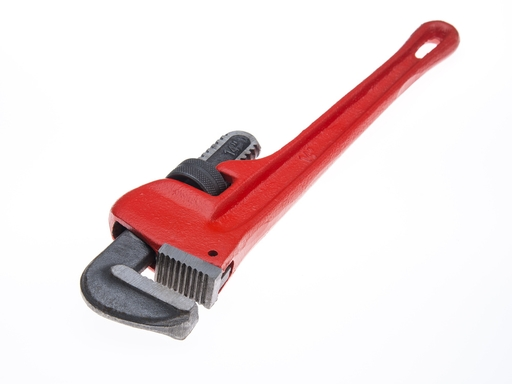
Understanding Extra Large Pipe Wrenches: Fundamentals and Key Concepts
Pipe wrenches are a special kind of hand tool that is designed to hold and turn cylinder-shaped items safely. Standard adjustable wrenches work on nuts and bolts that are hex-shaped, but pipe wrenches have toothed jaws that grip round surfaces through a wedging action that gets stronger when force is applied.
Types and Design Variations
There are different styles of heavy-duty pipe wrenches, and each one is best for a certain industrial task. Standard types with a straight handle are still the most popular. They have an I-beam handle design that keeps it from bending under heavy loads. These tools have a floating hook jaw that pivots a little while they're being used. This lets the teeth bite deeper as the rotating force grows. Pipe wrenches are the only tool that can be used on smooth, worn, or muddy pipe surfaces because they fix themselves. Other tools would slip.
Chain pipe wrenches are another option. They work by wrapping a strengthened chain around the pipe's outside to spread the force of the grip evenly. This style is especially helpful when working with fragile materials or finished surfaces that would be damaged too much by tooth marks from regular jaws. Not only does the chain setup work with odd forms, it also lets you get to places where straight-handled tools can't go.
Offset and end pipe wrenches solve specific placement problems by letting workers work flush against walls or in crowded pipe racks where normal handle angles make it hard to get enough space. These versions keep the basic holding principles the same, but change the shape of the tool to work in situations where it's hard to get to, like when installing retrofits or fixing things quickly.
Material Construction and Performance Implications
The metals that make up pipe wrenches have a direct effect on how long they last, how heavy they are, and how long they can be used. Cast iron types have been used in industry for decades because they are strong for the price and have been proven to work. As a result of the casting process, complicated jaw geometries and combined handle designs can be made in a single step. This helps keep production costs low, which is good for programs that buy in bulk.
For demanding expert use, alloy steel structure is the gold standard. Chrome molybdenum and chrome vanadium steel alloys are carefully forged and heated in special ways to make them harder. The jaw teeth usually have hardness values of 55 to 60 HRC, which is ideal for holding pipes well without wearing out too quickly. Differential heat treatment keeps the handle shank's hardness between 40 and 45 HRC. This makes it very resistant to bends while still being flexible enough to handle shock loads without breaking.
The way tools are made has a big effect on how well they work. Forging places the metal's grain structure along stress lines, which makes it stronger than cast options. Precision cutting makes sure that the jaws are lined up correctly and that the adjustment mechanisms work smoothly so that the tool always works the same way. Heat treatment methods create the metal's qualities that show how well the wrench can handle repeated high-torque cycles without permanently changing shape.
Sizing Guidelines for Industrial Applications
To choose the right wrench size, you need to make sure that the tool's dimensions match the pipe's width and the room you have to work. Leverage ability is directly related to handle length. Longer handles produce more spinning force but need more room to work. The jaw opening capacity must be greater than the outside diameter of the pipe by a range big enough to allow for fittings, joints, and surface irregularities.
The relationship between the size of the wrench and its torque ability is based on well-known engineering concepts. When 150 pounds of force is applied to the end of a wrench with a 48-inch handle length, it can produce about 3,000 foot-pounds of torque. This technical benefit lets people work by hand on big pipes that they would normally have to do with power tools or hydraulic equipment. When procurement managers understand these force connections, they can choose tools that fit the needs of the job site without choosing models that are too big and heavy, which makes the user less productive.
When choosing wrench stocks, industrial buyers should think about how they will be used. Graduated size ranges are helpful for maintenance teams that work with a variety of pipe sizes. Most uses can be handled by models that are 18 inches, 24 inches, 36 inches, or 48 inches. Specialized operations that focus on specific pipe sizes increase efficiency by choosing the right tools in a way that cuts down on change time and user fatigue.
How to Use an Extra Large Pipe Wrench Like a Pro?
Professional extra large pipe wrench method mixes the strongest gripping force with controlled application to keep the pipe from breaking and the operator from getting hurt. To get better at these skills, you need to understand how the tool works mechanically and practice good form until it comes naturally.
Positioning and Grip Techniques
Setting up a wrench correctly starts with turning it so that the jaw hole faces the way you want to turn it. The jaw of the hook should touch the pipe on the side that will be hit with force. This will let the wedging action get a better grip as the power builds. This basic rule makes sure that the wrench tightens instead of loosens while it is being used, which is very important for safety when working with parts that are seized and under high stress.
How you hold the handle has a direct effect on how you control and transfer power. To get the most force while keeping a firm grip that keeps the handle from slipping, operators should grab it near the end. When both hands work together, control is best. The main hand turns the wrench, and the support hand keeps it stable and guides its movement. This coordinated method evenly spreads physical effort and keeps precise control throughout the turning motion.
To get a good grip without making the jaws too tight, you have to be very careful when adjusting them. With about 20 to 30 degrees of play left in the adjustment mechanism, the hook jaw should make a hard touch with the pipe surface. This placement lets the self-tightening mechanism work right while avoiding over-compression, which could damage protection layers or bend pipe walls. Operators with a lot of experience get used to making this change and can quickly find the best settings without having to think about it.
Safety Protocols for Industrial Environments
Working with a heavy-duty pipe wrench requires a lot of force and comes with a number of different types of risks. Wearing the right safety gear is the first step to doing things safely. For example, heavy-duty work gloves protect your hands from sharp pipe threads and sudden tool slips, and safety glasses protect your eyes from rust particles, scale, and other debris that gets thrown around when the pipe turns. Dropped tools, which can weigh anywhere from 15 to 25 pounds in bigger sizes, can seriously hurt you if you don't wear steel-toed boots.
Pay close attention to where your body is placed while using a wrench to avoid getting hurt if the tool suddenly breaks off. Instead of standing exactly behind the handle path, operators should stand to the side of it. This way, if the tool moves unexpectedly, it won't hit the body. When wrenches break away from seized pipes, it's important to keep your balance by keeping your feet steady and spreading your weight evenly. During high-force operations, it is safer to work from stable platforms instead of stairs or scaffolding because you are less likely to fall.
Environmental danger evaluation finds the risks that are unique to each place of work. Before work can begin in a confined area, special ventilation rules must be followed and an exit plan must be made. Fall safety systems and barriers are needed for overhead pipe work to keep people below from getting hurt by dropped tools. In explosive environments, you can only use metal tools that don't spark or types that have been carefully coated to get rid of sources of ignition. Because these safety concerns depend on the situation, careful planning is needed before the tool is used.
Maintenance Practices for Extended Tool Life
Regular repair times keep wrenches working well and keep them from breaking down too soon. After each use, operators should use a wire brush to remove any buildup of waste from the jaw teeth. They should pay special attention to the adjustment threads, where mud and scale buildup can make them less smooth. This easy step of cleaning stops particles from getting embedded, which speeds up wear and makes holding less effective.
The right way to lubricate depends on the working conditions and the amount of use. Heavy machine oil should be put on tuning threads and pivot points once a week on tools that are used every day. This lubrication stops rust in damp places and lowers friction while the jaws are being adjusted. Periodic inspection finds wear patterns before they put tool safety at risk, especially jaw tooth thinning that goes beyond 20% of its original height, which makes it much harder to hold and raises the risk of slipping.
Good storage habits keep tools from getting damaged by the surroundings when they're not being used. Wrenches should be hung upright or laid flat on padded racks so that long-term pressure doesn't damage the mouth. Climate-controlled tool rooms keep tools from rusting in humid areas, and coatings that stop rusting add extra protection to tools that are kept in places that are open to the weather. These preservation steps make tools last a lot longer, which lowers the cost of repair and makes sure they are always ready to be used.
Maximizing Procurement Efficiency: Choosing the Right Extra Large Pipe Wrench for Your Business
Strategic procurement turns buying tools from a one-time thing into a way to gain a competitive edge by making sure that specifications are aligned perfectly and managing relationships with suppliers.
Requirements Definition Framework
Analysis of possible uses is the basis for good tool design for pipe wrench. When you have to put together and take apart pipes on a regular basis, you should use high-quality tools that are designed to last as long as possible. The higher starting cost pays for itself quickly through longer service. Intermittent use patterns support cost-effective choices that work well enough without charging too much, which maximizes the use of capital across the entire tool inventory.
Both the choice of tools and the plan for buying them are affected by the expected volume. Companies with regular staff should buy high-quality tools that don't need to be replaced as often and don't cause as much downtime when they break. In project-based operations with changeable staffing levels, lower starting costs might be more important than higher replacement rates, which are seen as a fair trade-off for not knowing what the future needs will be.
Evaluation Metrics and Decision Criteria
To judge durability, you have to look at how something was built, what materials were used, and how the maker checks for quality. Forged parts always work better than cast ones in high-stress situations, and heat treatment methods set the hardness levels that make them resistant to wear and distortion. Manufacturers who follow the rules set by ISO 9001 show that they use organized quality control methods to make sure that their Products" target="_blank" style="color:blue" >products perform the same way on all production runs.
Size suitability verification makes sure that the tools you choose are compatible with the real pipe sizes you'll be working with. By doing thorough facility studies that record the spread of pipe sizes, you can choose the right tools without either under- or over-specification, which can limit functionality and waste money on extra capacity that isn't needed. This data-driven method improves the make-up of the inventory, making sure that all usual cases have access to the right tools without having too many of them.
Evaluation of a brand's image looks at more than just marketing claims; it also looks at real-world performance data from similar businesses. Peer comments from people in the same industry, skilled trade magazines, and independent testing groups all give objective assessments of performance that help with buying choices. Long-term reliability data is especially useful because it shows which makers regularly make tools that last the length of their working life.
Strategic Procurement Implementation
Managing relationships with vendors turns one-time purchases into long-term partnerships that offer value. Long-term supply deals guarantee good prices and make sure that customers are given priority when there are supply problems. Performance checks that happen on a regular basis find ways to improve and deal with quality issues before they affect operations. These partnerships are good for everyone because they make planning easier and reduce problems with paperwork.
Standardization efforts make supplies less complicated and upkeep tasks easier. By choosing a single maker for each category of tools, operators can become familiar with the whole fleet, which cuts down on training needs and boosts efficiency by making handling more consistent. Parts that are similar make managing inventory easier and make it possible to rebuild tools quickly from stockpiles of parts during important operations.
Total cost modeling takes into account all of an item's ownership costs, not just the initial purchase price. This includes repairs and replacements, lost output, and the cost of getting rid of the item when it's no longer useful. This in-depth study often shows that premium tools give better economic returns, even though they cost more to buy. This helps buying focus on value improvement instead of just minimizing costs.
Conclusion
Mastering how to use a pipe wrench is an important career skill for plumbing, building, and industrial repair. Organizations can improve performance while keeping costs low by learning the basics of tool selection, operational methods, and buying strategies. The extra-large pipe wrench is an important heavy-duty tool that gives workers the technical edge they need to work on pipes with a large diameter in a wide range of industries. Investing in good tools from reputable makers, following the right repair procedures, and giving operators structured training to improve their skills all lead to long-term economic benefits. When companies put these things at the top of their list of priorities, they get better operating efficiency, less downtime, and safer results that have a direct effect on their profits and market place.
FAQ
What size pipe wrench do I need for industrial applications?
The size of the wrench you choose will depend on the largest pipe width you will be working with. A 48-inch wrench works well with pipes that are up to eight inches in diameter, while a 36-inch wrench works well with pipes that are five to six inches in diameter. Companies that work with a range of pipe sizes usually keep three to four wrench sizes, ranging from 18 to 48 inches, in stock so that they have the right tools for all common situations without having to buy too much inventory.
How often should heavy-duty pipe wrenches undergo maintenance inspection?
Daily users should check the state of their jaw teeth and the function of the adjustment device once a week. Lubricating the hinge points and adjustment threads once a month stops rust and makes sure the machine runs smoothly. Comprehensive inspections done once a year by trained experts find wear patterns that need to be fixed before a tool fails during use.
Can extra large pipe wrenches replace hydraulic tools for seized fittings?
Large manual wrenches can produce enough power for many stuck fitting tasks, especially when used with the right method and penetrating oils. When hand methods don't work or when safety worries mean that high forces like those used in cheater bar extensions can't be used, hydraulic tools are needed. When tools are the right size, most situations where hydraulic help is needed are avoided.
Partner with FLA Industrial & Trading Co., Ltd. for Premium Pipe Wrench Solutions
FLA Industrial & Trading Co., Ltd. is a great place for businesses looking for a trusted extra-large extra large pipe wrench manufacturer. We have been making professional-grade hand tools for almost 40 years. Our precision-engineered wrenches are made from high-quality alloy steel and cast iron using advanced casting, machining, and heat treatment techniques. Our manufacturing facilities are ISO 9001 and CE approved, and they follow strict quality standards that make sure every unit works the same way. FLA offers reasonable prices without sacrificing the durability and dependability needed for professional uses. They serve building companies, industrial repair teams, and tool distributors in North America, Europe, and Australia. Our large catalog of products, which has more than 1,000 specifications, lets you make unique purchasing solutions that meet your exact business needs. Get in touch with our technical team at sales@flaindustrial.com to talk about volume prices, product specs, and shipping times that work with your project's budget and plan.
References
American Society of Mechanical Engineers. (2021). "Hand Tool Design Standards and Safety Guidelines for Industrial Applications." ASME Technical Publication Series, Volume 47, pp. 112-145.
Industrial Maintenance and Plant Operation Journal. (2023). "Comparative Analysis of Pipe Wrench Materials and Performance Characteristics in Heavy-Duty Applications." Volume 84, Issue 3, pp. 67-89.
National Institute for Occupational Safety and Health. (2022). "Safe Tool Use Practices in Construction and Industrial Environments: Guidelines for Pipe Wrench Operations." NIOSH Publication No. 2022-156.
Procurement Strategies International. (2024). "Total Cost of Ownership Analysis for Industrial Hand Tools: A Comprehensive Buyer's Guide." Annual Industry Report, pp. 234-267.
Society of Manufacturing Engineers. (2023). "Metallurgical Processes and Quality Control in Professional Tool Manufacturing." SME Technical Paper Series, Reference TP23-1847.
World Federation of Tool Manufacturers. (2023). "Global Standards for Pipe Wrench Design, Testing, and Performance Certification." International Technical Standards Document, Edition 12, pp. 78-103.