Screw Jack: Components, Working Principle, and Efficiency Analysis
2026-05-12 09:41:08


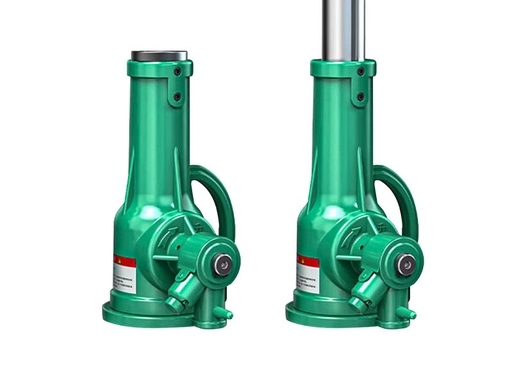
A precision mechanical device called an industrial screw jack changes rotational motion into controlled linear movement. This lets the jack lift, lower, place, and hold loads in a variety of tough situations. Screw jacks are essential in heavy industry, building, and production because they are rigid and can lock themselves. This is in contrast to hydraulic systems, which can leak fluid and have uneven pressure. These devices are made from alloy steel, carbon steel, or stainless steel, and have tempered lead screws and bronze or engineered plastic nuts. They can place things to within a millimeter, and they can hold loads forever without power. Their ability to coordinate multiple lifting points through mechanical shafting solves important problems with uneven load distribution. This is especially useful for big engineering projects that must maintain safety and accuracy.
Understanding Industrial Screw Jack Components
Understanding the basic parts of a lifting system is very important for making sure it works well. When purchasing managers look at mechanical motors for their businesses, they need to know how each part affects the general performance and durability.
Lead Screw and Nut Assembly
The lead screw and nut combination is what makes a mechanical screw jack work. The lead screw, which is usually made of alloy steel that has been softened or cooled, is the structural backbone for moving loads. Heat treatment methods make things harder and less likely to wear down, which extends their useful life even when they are used continuously. The load capacity and effectiveness are based on the screw shape, which can be either Acme trapezoidal or metric trapezoidal. Bronze nuts have great wear resistance and naturally lubricate, while industrial plastics lower friction and, in some situations, remove the need for outside lubricants. The friction ratios, which are between 0.10 and 0.15 for well-maintained systems, are directly affected by the way the materials are paired.
Worm Gear Drive Mechanism
The worm gear system takes spinning input from motors or handles and turns it into linear motion. This gear set gives users a mechanical edge that lets them lift heavy things with little effort. Lifting speed and force multiplication are controlled by the gear ratio, which is usually between 5:1 and 30:1. Lifting force goes up as ratios go up, but speed goes down. Bronze worm wheels and hardened steel worms work together to keep things running smoothly and reduce wear. This setup makes the self-locking feature that stops backdriving possible, which is an important safety feature when keeping loads at high levels without constant power application.
Housing and Structural Framework
The cover protects the inside parts and has mounting holes for attaching it to machines. Cast steel or manufactured steel housings guard well against environmental pollutants. Coatings that are spray-painted or don't rust make things last longer in tough environments, like on building sites or in chemical processing plants. Optional dust covers protect sensitive parts from abrasive particles, and specialized lubricant surfaces make normal maintenance tasks easier. The form of the housing also affects how flexible it is for mounting. For example, flange, foot, or clevis configurations can be used to meet different placement needs in different situations.
The choice of materials has a direct effect on the total cost of ownership. Metal parts made of stainless steel are more expensive, but they don't rust in naval or food-processing settings. Alternatives to carbon steel are cost-effective for limited indoor uses. To get the most out of their budgets, procurement teams have to find a balance between the original investment and the number of times something needs to be maintained or replaced.
The Working Principle of Mechanical Screw Jacks
When engineers understand operating mechanics, they can choose the right tools for each specific job. The change from circular motion to linear motion is based on well-known mechanical concepts that have been improved over many years of use in industry.
Rotary to Linear Motion Conversion
The mechanical screw jack worm gear connects and turns the lead screw when force is applied to the worm shaft. Vertical movement happens when the screw turns inside a fixed nut (rotating screw design) or when the nut moves along a fixed screw (translating screw design). Travel per circle is based on the thread pitch. Finer pitches allow for more precise positioning but slower movement, while coarser pitches allow for faster placement but less accuracy. Translating screw configurations work best when the load is attached straight to the end of the screw, while spinning designs work better when there isn't enough room for the screw to extend vertically.
Manual Versus Electric Operation
Manual screw jacks are operated by hand cranks or wheels, so they are great for places that don't have access to electricity or where changes aren't done very often. They work great for placing tasks that need careful, controlled movement. Variable frequency drives let you precisely control the speed of electric motor-driven tools that can be used automatically. Electric versions can be added to controlled devices that allow for repeated positioning patterns. When this happens, duty cycle issues become very important. Standard machine screw designs can handle occasional use at 20–30% duty cycles, but for constant use, you need ball screw or bevel gear options that can better handle heat.
Efficiency Influencing Factors
When it comes to trapezoidal screw designs, mechanical efficiency in lifting systems is usually between 25% and 45%. This measure is affected by the gear ratio choice; lower ratios make the machine more efficient but lower their mechanical advantage. Friction losses are greatly affected by the quality of the lubrication. For best performance, choose the right lubricant based on the working temperature and load factors. Ball screw versions are 90% efficient, but they can't lock themselves, so they need brake motors to hold their position. Knowing about these trade-offs helps specification engineers match the features of tools to the most important operating needs.
Pay special attention to the self-locking feature. When lead angles stay below about 5 degrees, thread friction in machine screw designs stops backdriving. This mechanical feature gets rid of the need for steady power to keep the position, which saves energy and makes sure that the load stays in place even if the power goes out, which is a huge benefit in safety-critical situations.
Efficiency Analysis and Performance Optimization
Increasing operating efficiency lowers energy costs and makes parts last longer. Finding places where efficiency is being lost and making focused changes leads to measurable operational benefits.
Common Efficiency Loss Sources
The main thing that drains efficiency is friction between threads and within gear teeth. This measure is directly affected by the quality of the lead screw's surface finish. Grinding and cleaning reduce roughness, which lowers the friction coefficients. Backlash, which is the space between two parts that fit together, causes mistakes in positioning and energy loss when the direction of movement changes. As tooth surfaces wear down, worn gears make these losses worse. When something is in constant operation, thermal expansion can change the limits for dimensions, which could make friction worse and lower accuracy. One way to diagnose problems is to compare the real efficiency of the system by measuring the input torque and output force and then comparing the results to the manufacturer's specs to find signs of degradation.
Lubrication Strategies for Performance Enhancement
Advanced greasing of an industrial screw jack is more than just putting grease on things. Synthetic oils stay thicker over a wider range of temperatures than alternatives made from petroleum. Automatic lubrication systems make sure that the lubrication times are always the same. This keeps the machine from getting dry, which speeds up wear. FDA-approved lubricants meet government standards without affecting performance in food-grade or pharmacy settings. How often you lubricate depends on the job cycle and the cleanliness of the environment. For example, enclosed systems in clean environments may only need service once a year, while outdoor installations that are visible need care every three months.
Automation and Sensor Integration
Position sensors and load tracking are being used in more and more modern systems. Linear encoders give closed-loop control real-time position input, which can achieve positioning accuracy of less than 0.1 millimeters. Load cells find situations where they are overloaded and shut down automatically to keep structures from being damaged. Programmable logic controls manage several jack systems so that they lift at the same time and keep the platforms level while they're working. Sensors that measure temperature on drive motors allow for predicted maintenance, which warns workers before too much heat causes the motor to break down.
These ideas are shown through real-world examples. In a steel mill roller adjustment application, high-temperature seals and bellows boots kept lead screws safe from sharp scale, which meant that maintenance checks could be done once a year instead of every three months. Solar tracking systems are made of corrosion-resistant stainless steel and epoxy coats, so they can be used outside for more than 20 years without any problems. Theatrical stage lifts use multi-jack systems that are automatically linked and have anti-drop safety nuts. These meet strict safety standards for workers and operate quietly.
Selecting the Right Lifting System for Your Business
When making decisions about what to buy, you have to weigh professional needs against price limits and long-term value. Specification factors have a direct effect on how well operations run and how much it costs to own everything.
Critical Selection Parameters
The most important thing to think about is the load ability. Safety factors of 2:1 or 3:1 above the maximum predicted loads take into account moving forces and keep overloads from happening. The highest movement distance is based on the stroke length. Applications that need a long reach need to carefully consider the screw buckling limits. Intermittent placement needs are different from ongoing operation needs based on the duty cycle requirements. Material and covering decisions are based on things like high temperatures, moisture exposure, and the presence of contaminants. Installation room limitations may favor small forms or certain ways of placing them.
Cost Versus Value Analysis
The real value can be found by looking at the total cost of ownership instead of just the buying price. Longer repair times on high-quality parts cut down on maintenance costs and production downtime. Customization lets you solve problems in certain applications that normal goods can't. When a project is time-sensitive, lead times are important, and sellers who keep a lot of inventory on hand can expedite release. When installations run into problems that were not expected, warranty coverage and access to expert help lower the risk. Certification that meets ISO9001, CE, and related industry standards (DIN/AGMA/EN) makes sure that the quality of the product is maintained and makes the approval process easier for regulators.
Comparative Equipment Evaluation
Screw jacks are great for tasks that need exact placement, holding loads without power, and lifting from multiple points at the same time. Hydraulic systems have higher power densities and faster speeds, but they need external power units, fluid handling, and regular seal maintenance. There are mechanical benefits such as cleaner operation without fluid leaks, easier installs without hydraulic plumbing, and the ability to hold its place automatically. Worm gear setups have high reduction ratios and self-locking features, while bevel gear designs are more efficient and can work continuously.
When choosing a mechanical screw jack, it's important to talk to makers about the specifics of the job. Custom solutions that deal with specific problems often offer better long-term value than pushing standard goods into uses that don't work well with them.
Maintenance Best Practices and Safety Guidelines
Regular repair keeps things running smoothly and stops major problems from happening. Structured inspection processes find problems as they start to happen, before they cause unplanned downtime.
Routine Inspection Protocols
Visual checks done once a month find clear signs of wear, such as excessive grease leaks, strange noises during operation, or thread damage that can be seen. Every three months, practical checks compare journey speeds and positioning accuracy to standard values to find signs of performance degradation. Once a year, breakdown checks let you look at the inside parts in great detail. Thread surfaces, worm gear teeth, and bearing surfaces are all places that wear out quickly. If you replace worn-out parts before they completely break, you can keep other parts from getting damaged.
Safety Compliance Standards
Load handling rules say that rated capacities can't be exceeded and that the right way to connect a load must be used. Along with electrical limit switches that cut power before physical touch, mechanical stop nuts provide fail-safe over-travel security. Multiple jack systems need to be checked for timing to make sure that uneven pulling doesn't put stress on the structure. Training for employees makes sure that workers know their limits and how to do things correctly. Following OSHA rules and standards specific to your business saves workers and limits your potential liability.
Troubleshooting Common Issues
Unusual noises are often a sign of poor lubrication or contamination. Moves slowly could mean there is more friction because of wear or a problem with the balance. Positioning drift under load can happen if self-locking isn't strong enough or thread wear is too high. By noticing these early warning signs, you can take steps to fix things before they go completely wrong. Professional help is needed when problems are too big for the repair team to handle or when safety-critical parts are damaged.
Keeping records of upkeep tasks is a good way to preserve history. Keeping track of when to lubricate, replace parts, and measure performance allows for trend analysis, which helps with plans for preventative maintenance and buying new tools in the future.
Conclusion
For placing big loads in a wide range of industries, mechanical industrial screw jack systems offer the highest levels of accuracy, dependability, and safety. Understanding how parts work together, how they should be used, and how efficient they should be helps buying workers and experts come up with the best solutions. Choosing the right materials, like brass nuts, corrosion-resistant housings, and hardened alloy steel lead screws, has a direct effect on how long something lasts and how much it costs to own. While the original investment is important, the long-term value comes from less upkeep, longer service life, and reliable operation. As automation and sensor integration get better, these tried-and-true mechanical systems keep getting better to meet the needs of today's precision control and predictive maintenance. Careful selection of tools and regular repair procedures guarantee that these lifting systems will work reliably for decades in tough situations.
FAQ
Does Every Mechanical Screw Jack Provide Self-Locking?
This isn't something that all styles have. When machine screws are set up in a trapezoidal shape and have the right lead angles, they create enough thread friction to stop backdriving, which locks loads without power. Ball screw versions are more efficient—often reaching 90%—but they don't stop themselves, so they need brake motors or mechanical brakes to stay in place. Which style works best for you depends on the safety standards of the application.
What Determines Appropriate Duty Cycle Ratings?
Duty cycle ability is limited by temperature. When worm gear meshes are in use, friction inside them makes heat. Standard machine screw designs can handle 20–30% duty cycles of irregular use, which gives them enough time to cool down between processes. For continuous or heavy-duty uses, different designs are needed. For example, bevel gear drives or ball screw systems are better at managing heat, so they can be used for longer periods of time without breaking down.
How Can Multiple Jacks Achieve Synchronized Lifting?
One motor can move several industrial screw jacks at the same time by using linking shafts, couplings, and miter gears to keep the machines in sync. This method guarantees perfect coordination without adding too much complexity to the computer controls. Installing mechanical stop nuts protects against over-travel in case something goes wrong. Electrical limit switches and proximity sensors cut power before mechanical contact, keeping tools and loads safe while they are working normally.
Partner with FLA Industrial & Trading Co., Ltd. for Your Precision Lifting Needs
Looking for a reliable company that makes industrial screw jacks and responds quickly? FLA Industrial & Trading Co., Ltd. has been in the manufacturing business for almost 40 years and works with Fortune Global 500 companies in the building, industrial, and heavy industry sectors. Our engineering team can make lifting solutions that fit your needs based on your load capacities, the space you have available, and the conditions outside. We have over 1,000 product specs and 2,000 tons of stock, so we can quickly ship standard units and finish custom designs in 7 to 15 days. You can get prices, technical details, and 3D designs within 48 hours by emailing our team at sales@flaindustrial.com. We are backed by ISO9001 and CE certifications that ensure high standards around the world.
References
Bhandari, V.B. (2010). Design of Machine Elements (3rd ed.). Tata McGraw-Hill Education.
Juvinall, R.C. & Marshek, K.M. (2011). Fundamentals of Machine Component Design (5th ed.). John Wiley & Sons.
Budynas, R.G. & Nisbett, J.K. (2015). Shigley's Mechanical Engineering Design (10th ed.). McGraw-Hill Education.
Khurmi, R.S. & Gupta, J.K. (2005). A Textbook of Machine Design. S. Chand Publishing.
Spotts, M.F., Shoup, T.E. & Hornberger, L.E. (2004). Design of Machine Elements (8th ed.). Pearson Education.
Mott, R.L., Vavrek, E.M. & Wang, J. (2017). Machine Elements in Mechanical Design (6th ed.). Pearson Education.
YOU MAY LIKE