What Materials are Used in European Style C-Clamps?
2026-05-12 09:41:00


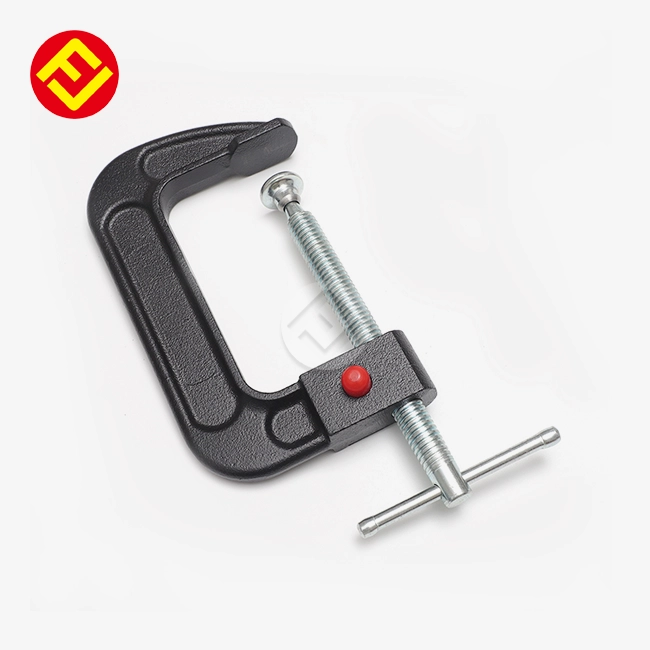
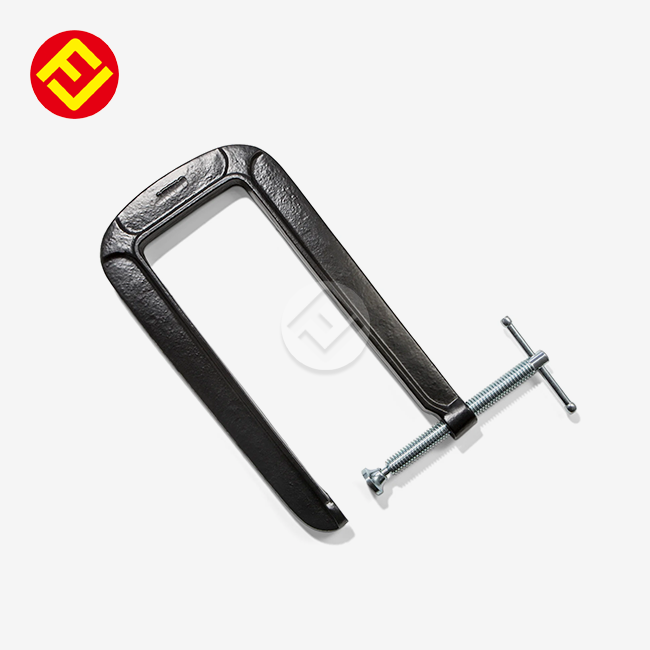
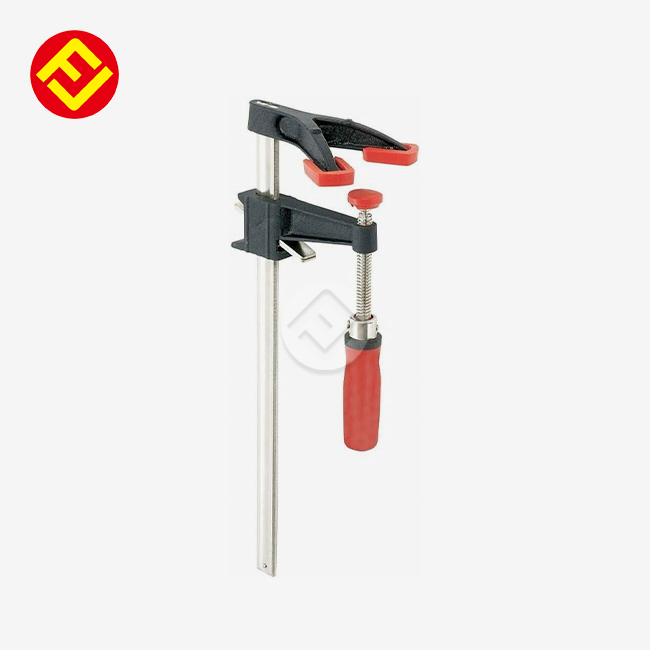
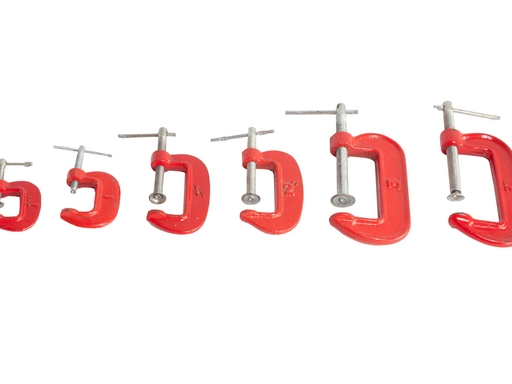
European style c-clamps are mostly made of cast iron that can be shaped and steel screw rods. However, ductile iron, drop-forged steel alloys, and stainless steel are also used by makers based on the needs of the application. Most frames are made of cast iron, which is strong and cheap to make. The threaded wheel, on the other hand, needs to be made of hardened steel so it can handle repeated rotational stress. These choices of materials have a direct effect on the clamping force, the safety of the dimensions under load, and the resistance to external factors. Knowing exactly what your clamping tools are made of helps purchasing managers choose goods that meet their needs in terms of operation, surroundings, and expected service life.
Understanding the Core Materials of European Style C-Clamps
Malleable Cast Iron: The Foundation of Frame Construction
The most common material used in production is malleable cast iron. White cast iron that is easily broken is heated in a controlled way to make it tougher and more flexible. This process adds graphite nodules to the iron core, which makes it much more resistant to contact than gray cast iron. This material is chosen by factories because it has high compressive strength, which is important for absorbing gripping forces, and is also cheap enough to be used for mass production. The casting method makes it possible to make complicated shapes, like the deep-throat design and reinforced rib structures that make good clamps stand out.
It is easier to machine malleable iron, which lets you get exact specs for the swivel pad seat and spindle threads. The tensile strength of this material is usually between 50,000 and 60,000 PSI, which is strong enough to support the stated clamping capacities for most common sizes. Carbon, silicon, and trace elements are carefully controlled parts of the chemical makeup. Spectrographic analysis is used by makers to check the composition during quality control reviews.
Steel Screw Rods: Engineering for Precision and Durability
The most physically stressed part is the threaded spindle, which needs medium carbon steel or an alloy steel with a certain stiffness. Usually, manufacturing requirements call for steel that has been heat treated to an HRC of 40 to 45. This range of hardness keeps threads from coming loose while still being flexible enough to handle shock loads without breaking into brittle pieces.
Thread accuracy has a direct effect on how the user feels and how long the tool lasts. CNC machining centers are used by high-quality makers to cut threads with precise pitch control, which ensures smooth spinning across the entire adjustment range. To keep the steel rod straight and make sure it applies pressure perpendicularly to the object, it must stay straight within very small limits—usually less than 0.002 inches of run-out per inch of length. Surface treatments like zinc plating or black oxide coats make things less likely to rust, which is especially important in workplaces where humidity is high.
Alternative Materials: Expanding Application Possibilities
Standard production mostly uses carbon steel and malleable iron, but some specific uses drive the need for other materials. Stainless steel versions are used in places where resistance to rust is more important than cost, like chemical processing plants or marine uses. The frame and wheel parts of these types are usually made of 304 or 316 stainless steel, which is very durable in corrosive environments.
Heavy-duty industrial models can be upgraded to ductile iron, which is also known as nodular cast iron. The spheroidal graphite structure gives it better stretching qualities and a higher tensile strength (up to 80,000 PSI) than regular malleable iron. This choice of material allows for bigger clamping capabilities and heavier frame parts without making the overall weight go up. Some makers are looking into using aluminum alloy frames for tasks that need to reduce worker stress, but these are still niche goods because they are more expensive than frames made of ferrous materials.
Material Features Driving Design Advantages of European Style C-Clamps
Strength-to-Weight Optimization Through Material Selection
Because malleable cast iron is an option for the Products" target="_blank" style="color:blue" >products">European style c-clamp, makers can make deep-throat shapes without adding too much weight. Traditional American heavy-duty clamps have the same gripping power because they are heavier and have wider cross-sections. Using the material's compressive strength and design freedom, the European method builds in strengthening ribs and I-beam shapes to the frame structure.
The choices made by engineers have real-world effects for many types of users. Furniture makers like that the tools don't make operators tired during long glue-up sessions, and building workers like that the tools do a good job without putting too much strain on equipment belts. Additionally, the ribbed frame structure offers better rotational stiffness, which means that the frame doesn't twist as much when eccentric loads are applied, which often happen when clamping close to edges or corners.
Surface Finishing and Material Longevity
Protective coats are the last layer of material that affects how well a product works. Painted finishes are a cheap way to protect things that are kept in climate-controlled workplaces. Powder coating, on the other hand, makes things last longer by adding layers of electrostatically applied thermosetting polymer. Powder coating makes a smooth finish that is between 2 and 4 mils thick. This is better than regular liquid paints because it is less likely to chip and can handle chemicals better.
Preparing the material before applying the coating has a big effect on how well it sticks and how long it lasts. To get cast iron surfaces ready, good makers use phosphate conversion coatings or mechanical abrasion methods. This makes sure that the protected layer sticks chemically instead of just mechanically. Paying attention to how the surface is treated greatly increases the useful life of the tool, especially for those that are kept in cold workshops, where changes in temperature speed up the failure of coatings on poorly prepared bases.
Precision Tolerances Enabled by Material Properties
Because malleable iron is easy to shape, it is cheap to make exact mating surfaces that are necessary for clamps to work. The ball-shaped spindle end and the pad holding cup must fit closely together (usually within 0.001 inches) for the swivel pad system to work properly and not wobble. In the same way, the threaded connection between the spindle and frame needs to be perfectly lined up so the spindle moves in a straight line across the anvil surface.
Modern factories use CNC machining centers with automatic tool adjustment systems to keep these limits the same from one production run to the next. Consistency of the material is very important; changes in the density or stiffness of the casting make it hard to machine, which lowers the accuracy of the measurements. Certified sellers follow guidelines for inspecting arriving materials and refusing castings that have too many holes, inclusions, or differences in size that are too big or too small.
European Style C-Clamp Materials vs. Standard and Alternative Clamps
Comparing Ferrous Material Applications Across Clamp Designs
Most American-style clamps use grey cast iron for their frames because it is cheap and has good damping properties, not because it is the strongest material. The graphite flake structure of grey iron makes it good for uses where compression loads are the most important. However, its brittleness when hit or stretched limits design optimization. The material limits throat depth extensions and minimum wall thickness, which makes designs that are blockier and heavier.
Most quick-release clamps are made of stamped steel or die-cast aluminum alloys, and they put speed of change over maximum gripping force. These materials help the mechanical advantage systems—cam switches and trigger mechanisms—that make quick-release work. The trade-off is that they can't hold as much as screw-adjusted models, so the choice of material should directly reflect the goals of the application. Bar clamps usually have cast iron jaw units and steel bar stock. This makes a mixed material system that is rigid at pressure points and can extend linearly at a low cost.
Performance Implications of Material Choices
The material makeup of the European style c-clamp has a direct effect on the total cost of ownership, which goes beyond the cost of buying the material itself. Because malleable iron is more resistant to impact, guarantee claims and replacement costs related to drops or overloads happen less often. Because they are more flexible, frames can bend a little when they are under a lot of stress instead of breaking in a big way, which could protect other workpieces nearby from damage.
Differences in corrosion protection between materials affect how often and what kind of upkeep is needed. Uncoated gray iron needs to be treated more often to keep it from rusting than powder-coated malleable iron or stainless steel. When facilities work multiple shifts or serve humid coastal areas, the extra costs of better rust protection are quickly paid for by the lower cost of upkeep labor and longer replacement cycles.
Material Standards and Procurement Specifications
Professional buyers look at material specs when judging sellers to make sure that the quality of all large orders is the same. Some important factors are the amount of carbon, the lowest tensile strength, and the ranges of stiffness for both the frame and the wheel. Material approvals from reputable makers can be tracked back to specific production batches. This makes it easier to do quality checks and follow industry rules. Getting ISO 9001 certification means that you have a method for managing quality that includes checking the quality of the raw materials and doing a final review. This certification gives purchasing managers peace of mind that material specs will stay the same during order fulfillment times. This cuts down on variation that makes inventory management and field performance harder. Material traceability also helps with failure analysis when service problems happen, which lets you find the root cause and take appropriate action.
Practical Considerations for Procuring European Style C-Clamps Based on Materials
Evaluating Material Specifications in Supplier Documentation
Technical datasheets should list the frame's materials, the grade of the bearing steel, and the surface treatment requirements. Requesting metallurgical test results that show the difference between the material's real qualities and its supposed specs is helpful for procurement pros. Usually, these reports include readings of the tensile strength, the hardness of the metal in several places, and a study of its chemical make-up to prove the percentages of alloy elements.
Documentation of load testing shows that a material works as expected under rated circumstances. Proof load testing at 150 to 200% of stated capacity is done by good makers to make sure frames can handle overloading without permanently deforming. Testing the thread engagement proves that the spindle's hardness stops galling or thread stripping even after many adjustment rounds. Dimensional inspection records show that casts meet tolerance requirements, which means that all mechanical connections fit and work properly.
Balancing Material Cost Against Lifecycle Value
Even though malleable iron clamps cost more at first than grey iron clamps, the total cost must take into account the fact that they last longer and break less often. A full study looks at how often parts need to be replaced, how much it costs when tools break, and how much damage could be done to the item if the clamp breaks completely. Facilities that do important assembly work might choose expensive stainless steel versions based on how much it would cost if something went wrong, rather than just how much it would cost to fix the tool.
Strategies for buying in bulk should take into account how consistent the materials are across big orders. Suppliers who keep a lot of stock can fill large orders from unified production batches, which makes sure that all of your tools have the same material qualities. This makes training easier, lowers performance differences between computers, and speeds up repair processes because all tools wear out in similar ways and need to be serviced at the same times.
Supply Chain Transparency and Material Sourcing
Direct connections with manufacturers of the European style c-clamp give you access to information about where materials come from and how they are made that you can't get through multiple distribution routes. If you know where your seller gets the steel stock and rough castings, you can figure out how much of a risk there is that the quality of the materials will change and the supply will stop. If a manufacturer has their own foundries or has long-term ties with approved casting suppliers, they can usually get more reliable material quality than companies that buy castings based on price alone.
Material supply and uniformity are affected by where it is found. When compared to operations that rely on longer supply lines, production sites that are close to steel mills and foundries often have access to newer materials with more predictable properties. When estimating lead times, it's important to take into account how long it takes to get materials, especially for custom orders or big quantities that need dedicated production runs.
Maintenance Tips and Longevity Strategies for Material-Specific European Style C-Clamps
Cast Iron Frame Care and Corrosion Prevention
Due to its open nature, cast iron can rust when it comes into contact with water or harmful gases. Protective coats are the first line of defense, but damage from mechanical forces or covering wear causes weak spots. Coating chips or scratches should be found through regular inspection, and they should be fixed right away with touch-up paint or rust-inhibiting chemicals to stop rusting from starting.
How you store cast iron has a big effect on how long it lasts. When tools are stored in workshops that aren't warm, condensation forms during changes in temperature, which speeds up surface rust. Climate-controlled storage areas or tool boxes with desiccant keep humidity levels steady, which lowers the risk of corrosion. Using light machine oil or silicone-based protectants on a regular basis can help keep wetness away, which is especially helpful for tools that are only used sometimes.
Steel Spindle Maintenance and Thread Preservation
Thread lubrication does two things: it makes adjustments easier and stops rust in the threaded contact zone. For general workshop use, light machine oils are fine for lubrication. However, anti-seize formulas with copper or graphite particles are better for protecting tools that are used outside or in metal production shops where welding spatter could contaminate the threads.
Cleaning procedures should get rid of sawdust, metal chips, and other rough bits that wear down threads faster. Grit doesn't get into the thread form when you clean it with compressed air or a soft brush. Solvents that are based on gasoline should not be used on painted or powder-coated surfaces because they can damage the finish. During cleaning rounds, thread inspection finds wear patterns or damage that needs to be fixed before a major failure happens.
Material-Specific Wear Monitoring
Wear patterns on cast iron parts can be predicted because they are centered around high-stress concentration points. The area around the swivel pad seat goes through cycles of pressure stress that can damage the surface over long periods of use. Visual inspection and practical testing (looking for pad looseness or too much play) can find problems before they get worse and make clamps less effective.
Steel spindle threads wear down over time from being engaged and disengaged many times and from side-loading forces. When the thread profile gets worse, it shows up as more pushback or a rough spinning feel. Measuring the thread engagement depth at full extension helps figure out how fast wear is happening, so repair choices can be based on data instead of having to be made after failures happen in the field. Setting replacement times based on usage cycles makes tools more available and avoids unplanned downtime.
Conclusion
When making European style c-clamp clamps, the choice of material directly affects how well they work, how long they last, and what kinds of jobs they can be used for. When you mix bendable cast iron frames with strengthened steel rods, you get professional tools that are strong, last a long time, and don't cost a lot of money. When procurement professionals know about these material traits, they can make smart buying choices that meet business needs and stay within budget. When you take care of certain things the right way, they last much longer and give you a better return on your investment. Material innovations keep making performance better while keeping the proven dependability that pros need as industrial technologies change.
FAQ
What makes malleable cast iron superior to grey cast iron for clamp frames?
When heat is applied to malleable cast iron, its internal structure changes, turning the flakes into graphite lumps. Because of this change in structure, the impact resistance and tensile strength are much higher—usually 50,000 to 60,000 PSI compared to 20,000 to 40,000 PSI for gray iron. The material doesn't crack when it's hit with shock loads, and it lets you make smaller wall sections, which lets you make deeper throat shapes without adding too much weight. Because grey iron is so brittle, it easily breaks when dropped or crowded, which can be dangerous in work settings.
How does steel spindle hardness affect clamp performance?
The best mix between toughness and wear resistance is found between HRC 40 and 45 for spindle hardness. When threads on softer steel are loaded and unloaded many times, they bend, which leads to broken threads and failure of the adjustment. When something is too hard, it becomes flimsy, which means that spindles can break when they are hit with shock loads or side forces. The right hardness makes sure that the threads connect smoothly and that the structure stays strong under stated loads for the life of the tool.
Can stainless steel clamps handle the same loads as carbon steel versions?
Careful metal choice and heat treatment allow high-quality stainless steel clamps to have similar load ratings. Austenitic stainless steels, such as 304 and 316, have a lower yield strength than carbon steel, but their ability to strengthen under stress makes up for it. Precipitation-hardening stainless types are strong, almost as strong as carbon steel, and they don't rust. When deciding between two options, cost is more important than performance. Stainless steel options cost more because they don't rust in harsh settings.
Partner with a Trusted European Style C-Clamp Manufacturer
Work with a reputable company that makes European style c-clamps. With almost 40 years of experience making things, FLA Industrial & Trading Co., Ltd. makes sure that every clamp meets strict performance and material requirements. We keep more than 2,000 tons of stock that can be shipped right away. We can handle both normal orders and orders with specific requirements that are provided within 7 to 15 days. Our factory is ISO9001-certified, so you can track all of the materials from the raw casting to the final inspection. This gives purchasing managers peace of mind that the quality will be the same for all large orders. No matter how many samples you need or how many containers you need, our engineering team can help you with everything from choosing the right materials to figuring out how much weight they can hold and making changes that are specific to your needs. Email us at sales@flaindustrial.com to talk about your needs with a personal account manager who knows the important factors that are important for your uses.
References
American Society for Testing and Materials. (2019). Standard Specification for Malleable Iron Castings. ASTM International.
Davis, J.R. (Ed.). (2018). Cast Irons: Properties and Selection of Materials. ASM International Handbook Series.
Oberg, E., Jones, F.D., Horton, H.L., & Ryffel, H.H. (2020). Machinery's Handbook: Guide to Materials and Heat Treatment (31st ed.). Industrial Press.
European Committee for Standardization. (2017). Hand Tools - Clamps - Safety Requirements and Test Methods. EN Standards Publication.
Budinski, K.G. & Budinski, M.K. (2021). Engineering Materials: Properties and Selection (10th ed.). Pearson Education.
Society of Manufacturing Engineers. (2016). Fundamentals of Tool Design: Material Selection for Hand Tools (6th ed.). SME Publishing.