The Basics of Stainless Steel Rope Clips: A Comprehensive Guide
2026-05-15 15:14:54


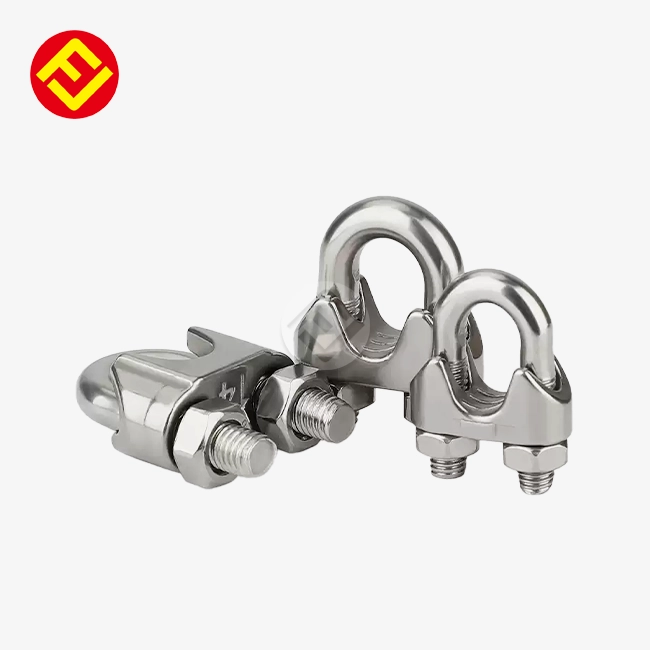
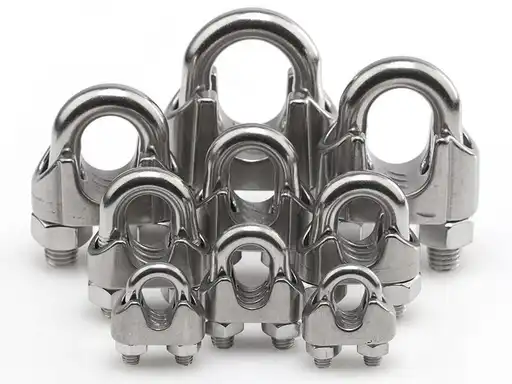
Stainless steel rope clips are one of the best choices for mechanically attaching wire ropes in challenging environments. These well-designed parts are made up of a U-bolt, a forged saddle, and hexagonal nuts. In wire rope devices, they are used to make safe loops and ends. These clips, which are mostly made of corrosion-resistant stainless steel grades 304 or 316, solve a big problem for building companies, marine engineers, and factories: they keep ropes together in rough situations where galvanized clips would break easily. They are necessary for installations in the military, buildings, and factories that need to be safe and last a long time because they keep 80–90% of the breaking power of the wire rope.
Understanding Stainless Steel Rope Clips: Key Concepts and Types
Forms of rope clips have changed a lot over the years, but the basic shape is still very useful. They can make better choices that fit the project goals and the budget if they know what makes one type different from another.
Fundamental Structure and Purpose
A rope clip is mostly made up of three parts that fit together and work together. The U-bolt is what locks the wire rope in place; it goes around it and puts pressure on it. The saddle spreads this force equally across the width of the rope. In high-quality goods, the saddle is usually forged instead of cast. Two nuts that are threaded onto the U-bolt make it possible to apply the exact amount of force needed. That way, the unit will have the right amount of binding power without the wires getting broken. This simple but useful design has been used a huge number of times when terminations need to be able to be changed and used again.
Material Grade Distinctions
The grade you choose has a big impact on how well it works, how long it lasts, and how much it costs. 304 stainless steel is very hard to rust because it has 18% chromium and 8% nickel. It can be used in most building and industry settings. Because it works well, this grade is good for cities, warehouses, and small industry places where moisture is present sometimes. Grade 316 stainless steel, which is also called marine-grade stainless steel, is made up of chromium, nickel, and molybdenum, which makes up 2 to 3 percent of the steel. Because of this addition, it is much more resistant to chloride attack and pitting rust. This makes it the only choice for places with saltwater, chemicals, or wastewater treatment plants. There is usually a small to large price difference between grades, but the investment is worth it when you consider how much it will cost to replace it too soon and the safety risks.
Types and Configurations
Most of the time, standard U-bolt clips are used. So they can fit wire rope lengths from 1/16 inch to over 1 inch. They come in sizes from M2 to M32. Because these clips are made to standards like DIN 741 and US Federal Specification FF-C-450, they will always be the same size and work as they should. Heavy-duty drop-forged versions can hold more weight, which makes them better for setting up things like cranes and lifting gear. Things stay together better when there is a lot of shaking when there are saddle clips on both the live and dead ends. Small clips are used for light-duty and artistic jobs, like on wire fences and in display systems where style is important along with functionality. Each setup is best for a specific use, which lets engineers balance the need for speed with the need to keep costs low.
Procurement experts can be very clear about what their projects need when they know these differences. This keeps them from over-engineering, which loses resources, and under-specification, which puts safety at risk.
How to Use and Install Stainless Steel Rope Clips Correctly?
Putting stainless wire rope clip in the right way makes a huge difference in how well they work or how badly they fail. It's not always the case that the product fails in the field; sometimes it's because of mistakes made during installation that make the system less strong.
Pre-Installation Preparation
Read the instructions from the maker and make sure that the clip size fits the thickness of the wire rope before you start fitting. Gather the tools you'll need, like a pen, an exact torque wrench, and a measuring tape. Make sure the wire rope and clips are not broken, warped, or rusty because that could make them not work as well. Look at how wide the rope is to figure out how many clips you need. One example is that two clips are usually enough for ropes up to 5/16 inch wide. For ropes 3/8 to 1/2 inch wide, you need three clips, and for bigger sizes, you need four clips or more. Figure out how far apart the clips should be. Most of the time, there should be six rope diameters between the first and second clips and three rope diameters between each clip after that.
The Critical Installation Rule
In business, "Never Saddle a Dead Horse" is the most important rule to follow. This means that the saddle should always touch the live end of the rope and the U-bolt should always touch the dead end. If you go in a different way, the load-bearing strands will get broken. This could make the staying strength 50% or less. The smooth form of the saddle holds the live rope without putting stress points on it, and the U-bolt only crimps the tail that doesn't carry any weight.
Step-by-Step Installation Process
Make the loop or end you want first, and make sure the tail is long enough—usually at least six to twelve rope diameters past where the last clip will go. Put the first clip one base width away from the end point or thimble. The saddle should touch the live line and the U-bolt should go over the dead end. After putting about 30% of the given number of turns on the nuts, make sure they are finger-tight. Starting with the same direction and force, they put the rest of the clips in place at the lengths they chose. Once all of the clips are in place, slowly add more force to each one until it hits the number the manufacturer suggests. The force range for small clips is from 15 ft-lbs to over 200 ft-lbs, but it depends on the size and grade.
In the second step, make sure the rope is fully in the clips and check the force again after putting some weight on the unit. This second tightening makes up for the fact that the rope tends to stretch a little when it is first loaded. Many professionals paint on the clips where they should be so they can see if they are moving around when they check over them often.
Maintenance and Inspection Protocols
Problems don't just appear out of nowhere when you set up regular review plans. Every week for important apps and every month for other apps, you should look over them visually. Look at the U-bolt or saddle to see if it has changed shape. Also, see if any of the nuts or bolts have thread damage and look for rusty marks like darkening or pitting on the surface. Compare the new lines to the old ones to see if the clips have changed. Re-torque the nuts if you see them moving. If the nuts come loose too much, on the other hand, it could mean that the fixing wasn't done right or that the rope is broken and needs to be changed. Sometimes rinse clips with clean water to get rid of salt buildup in salty places. And then, lightly grease the threads with marine-grade anti-seize to keep them from galling.
These maintenance tasks make a product last a lot longer and let you know about problems early on, before they become dangerous.
Comparing Stainless Steel Rope Clips with Alternatives
When picking a material for rope termination gear like stainless steel rope clip, you need to think about many things, such as how well it fights rust, how well it works mechanically, how much it costs, and how it should be put together. The people who buy things can pick the best options for both price and performance if they know how stainless steel rope clips stack up against other choices.
Stainless Steel Versus Galvanized Steel
Because galvanized steel clips are less expensive at first, they are a good choice for cheap jobs that will be done in a safe place. In dry indoor settings and light outdoor touch, the zinc coating does a good job of keeping the metal from rusting. But over time, rust and mechanical wear and tear wear away the protective zinc layer. This leaves the carbon steel below open to fast corrosion. Galvanized clips may start to break down in a big way within 12 to 24 months in places near the sea. Stainless steel rope clips, on the other hand, have a layer of chromium oxide that is not active and fixes itself when it gets scratched. In other words, they can be used for decades, even in rough conditions. Stainless steel is often the better choice when looking at the total cost of ownership. This is because it is safer, less expensive, and requires less maintenance. Most projects that want to be LEED approved or use green building methods need to use stainless steel. This is because it lasts longer and doesn't need to be changed as often, which is bad for the environment.
Permanent Versus Adjustable Termination Methods
Permanent ends made with swage sleeves and pressed fittings can reach 95% to 100% of the rope's claimed breaking strength, which is more than clips, which can only reach 80% to 90% of that strength. These methods work best when you have special tools on hand and the ends of the rope stay in place the whole time. When setting up in the field, where swaging tools can't be brought or where changes may need to be made in the future, rope clips are very helpful. It's helpful to have clips because you can change them. They can be used on building sites, for temporary rigging, and for repair work. Clips are more adaptable than set ends because you don't have to replace the rope to loosen, move, and tighten them again. This adaptability is very helpful when setting up new equipment, since the system works best when the wire strain is just right.
Material Cost and Performance Trade-offs
As an alternative, you can get aluminum clips. They are much lighter than steel versions and don't rust. However, aluminum isn't great for heavy-duty jobs because it has a lower tensile strength, and it doesn't work well with other metals because it tends to galvanic rust. When it comes to most cases, stainless steel rope clips are the best. They are worth the slightly higher price because they work better and can be used with all steel wire ropes. Many well-known companies use precise production methods, like forging, machining, and polishing, to make sure that the product's size and finish are right. This directly affects how reliable it will be in the long term.
By knowing these patterns, buyers can match hardware specs to the needs of the application, making sure they don't get either too little or too much performance.
Choosing the Right Stainless Steel Rope Clip for Your Needs
Technical needs, supplier skills, and overall cost must all be carefully thought through when making a purchase decision. Going through this decision process step by step will help make sure that the tools bought fits the project's needs and saves money as much as possible.
Technical Specification Criteria
First, decide what kind of wire rope you need for your stainless wire rope clip based on its thickness, structure, and grade. Rope clips need to be about the same thickness as the rope in order to hold as much as they're meant to. It is important to see if the job needs to meet certain standards, such as DIN 741 or US Federal Specification FF-C-450. Take a look at the area to find the right type of stainless steel for the job. Grade 304 is good for most industrial uses, but grade 316 is better for places like the ocean and chemicals. For big moves, you might need heavy-duty drop-forged clips. Think about whether regular ones will be enough. How much do you need? Multiply the number of terminations by the number of clips per termination and add a good amount for extra parts in case you need them to fix something.
Supplier Evaluation and Quality Assurance
You can keep bad gear out of your supply chain if you work with makers who run strict quality checks. If you get ISO9001 approval, it means you are committed to following written procedures that include checking the quality of raw materials, measuring them, and testing how well they work. Customers can be sure that projects that will be sold in other countries are safe because they have the CE mark on them. You should ask for material test certificates that say the chemical make-up meets the grade standards. You should also ask about salt spray testing methods that show how resistant the material is to rust. Suppliers who use X-ray fluorescence spectrometry to definitely identify Products" target="_blank" style="color:blue" >products are the best way to keep your grade from being changed. The tools that skilled makers use to test how well something holds up in controlled situations are called load testers. When a business has hundreds of tons of stock instead of dozens of tons, it can handle big sales without having to wait for long lead times.
Volume Purchasing and Customization Benefits
There are more perks to buying in bulk than just lower prices per unit. When a project needs something that isn't in their normal list, well-known companies can change the sizes of clips, the threads they use, or the way the surfaces are finished. This function really helps when you need to connect to private systems or follow certain law requirements. Question and answer times from experts that are measured in hours instead of days make the planning process for projects go faster. Just-in-time delivery is possible for custom specs with production wait times of 7–15 days. This cuts down on the cost of having stockpiles. Technical support during the whole buying process, from help with the design at the beginning to a test in the middle of production and help after delivery, adds value that can't be measured by price alone.
Businesses that work on more than one project at the same time can save time and money by connecting with suppliers who can handle both standard replenishment orders and custom project specs through a single buying route.
After-Sales Support and Long-Term Partnership
Once the deal is over, you should judge a company by how dedicated they are to continued customer service. Having technical datasheets, installation guides, and checking methods on hand helps make sure that everything is done correctly on the job site. If you are willing to provide samples for evaluation and testing, it means you believe in the product's quality. You can get help through the guarantee terms that cover production flaws if problems happen during installation or early use. A dealer is no longer just a seller when they have expert staff on hand to answer questions about applications. This relationship-based method works especially well when buying things from other countries where language barriers and different time zones can make it hard to talk to each other. Companies that have been making things for almost 40 years know a lot more than newer companies. You can use what you've learned to fix issues that come up.
Conclusion
A tried-and-true method that is still used in many workplace settings is to end wire rope with stainless steel rope clip that are put and chosen correctly. New developments in the metallurgy of stainless steel and precise production methods make it possible to make gear that meets high performance standards and is easy to install. To make good buying plans, you need to know the changes between material types, how to put things in the right order, and how to find reliable sources. If you're working on projects in the ocean, where rust resistance is very important, or in an industry setting, where strength is very important, make sure that the hardware specs match the real working conditions. This will ensure safety and performance. In the long run, buying parts from well-known companies that are of good quality increases safety, makes the equipment last longer, and keeps it in better shape with less maintenance.
FAQ
What determines the number of clips needed per termination?
How many clips you need is directly tied to how thick the wire rope is. For ropes up to 5/16 inch wide, you need at least two clips. For ropes 3/8 inch to 1/2 inch wide, you need at least three clips. For ropes with diameters between 5/8 and 1 inch, you need four clips. For ropes with diameters over 1 inch, you may need five or more clips. These minimums make sure that the system can hold between 80% and 90% of its weight, which is how much the rope can break. Always check the guide from the maker to make sure you have the right clip size and rope thickness. The way clips look can change these rules.
Can stainless steel rope clips be reused after disassembly?
As long as the U-bolt is straight, the saddle is not broken, and the threads are still good, the clips can pretty much be used again. But the clamped wire rope piece has permanently deformed strands and needs to be cut off before a new end can be made. You can't re-clamp the same piece of rope because it doesn't hold well and there are safety risks.
How does grade 316 justify its higher cost compared to grade 304?
Because it has more molybdenum, grade 316 stainless steel is much less likely to get chloride pits and cavities. In coastal environments, chemical plants, and wastewater treatment systems, grade 304 clips may break within months. Grade 316 clips, on the other hand, last for decades. Grade 316 generally has lower lifetime costs, even though it costs more at first. This is because it has lower costs over time for things like replacement labor, machine downtime, and the chance of a safety problem.
Partner with FLA Industrial & Trading Co., Ltd. for Quality Rope Clip Solutions
Other than tools, you need other things to fasten wire rope. A company that makes stainless steel rope clips should know what your business needs. FLA Industrial & Trading Co., Ltd. has been making things for almost 40 years and gets every order. Our 2,000-ton inventory lets us quickly meet standard specs, or we can make custom designs that fit your needs perfectly. The way we make things is allowed by ISO9001 and CE, so every piece is the right size and is made of the right stuff. We promise that within 24 to 48 hours, our expert support team will get back to procurement managers, project engineers, and maintenance directors with quotes, specs, and tips on how to use our goods. Our marine-grade and industrial-grade rope clips can help your project. Email our sales team at sales@flaindustrial.com to find out more. We have fair prices and efficient arrival times.
References
American Society of Mechanical Engineers. (2019). Wire Rope: User's Manual, Fifth Edition. ASME Press.
Wire Rope Technical Board. (2018). Wire Rope Termination Guidelines and Best Practices. Technical Bulletin WT-402.
National Association of Corrosion Engineers. (2020). Corrosion Resistance Properties of Stainless Steel Grades in Marine Environments. NACE International Publication 35120.
International Organization for Standardization. (2017). ISO 4309: Cranes and Lifting Appliances—Wire Ropes—Care and Maintenance, Inspection and Discard. ISO Standards Catalog.
Occupational Safety and Health Administration. (2021). Safety Standards for Wire Rope Slings and Rigging Hardware. OSHA Publication 3179.
European Committee for Standardization. (2016). EN 13411-5: Terminations for Steel Wire Ropes—Safety—Part 5: U-Bolt Wire Rope Grips. CEN Technical Standards.