Heavy Pipe Wrench for Superior Grip and Durability
2026-05-15 15:13:36


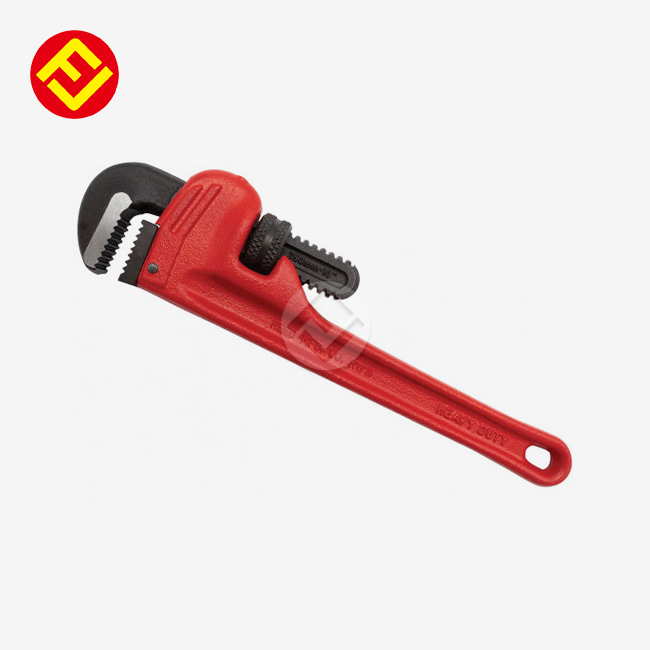
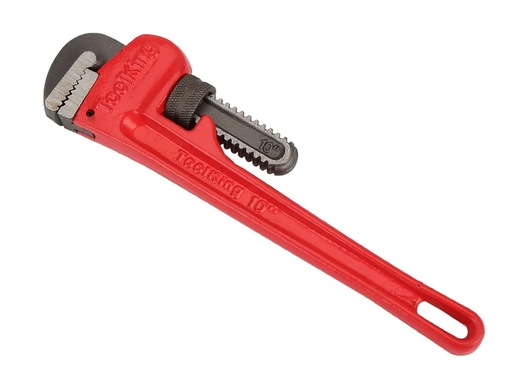
A heavy pipe wrench is a must-have when working with piping systems with big diameters. When working in tough conditions, this strong, professional-grade tool is designed to hold and turn threaded pipes and fittings. Unlike most wrenches, it has a jaw system that tightens itself and sharp, serrated teeth that bite firmly into pipe surfaces, keeping the tool from slipping even on corroded or oil-coated parts. Because it is made of ductile iron and is heavier, it has the extra torque needed to break seized joints without breaking the tool. This makes it important for plumbing, building, and industrial upkeep where dependability cannot be sacrificed.
Understanding Heavy Pipe Wrenches: Features and Functionalities
Heavy pipe wrenches are a special kind of hand tool made to deal with the unique problems that come up with industrial pipe work. The word "heavy" refers to both the tool's strong build and its higher power capacity compared to smaller options.
Core Mechanical Design
The full-floating hook jaw system is what makes this tool unique. When you pull on the handle, the jaw automatically tightens its grip on the pipe surface. This is called "self-wedging," and it makes the pressure go up in the same way that the leverage goes up. This design gets rid of the annoying problem of tools slipping during important tasks. The jaw teeth are precisely machined into the surface of the alloy steel. This makes many contact points that spread the force of holding evenly around the pipe's diameter.
Our wrenches are made at FLA Industrial & Trading Co., Ltd. with cast alloy steel teeth and ductile iron grips. This mix of materials strikes the best balance between strength and weight. Forging and advanced heat treatment create jaws with surface hardness values between HRC 55 and 60. This makes sure that they work well for a long time, even when gripping hardened industrial pipes.
Material Engineering and Durability
The materials used to make professional-grade pipe tools have a direct effect on how long they last. The first step in our manufacturing method is differential induction hardening of high-tensile alloy steel. This special heat treatment makes the jaw teeth harder so they don't wear down as easily, while keeping the core toughness in the shank so it doesn't break easily when it's stressed.
International standards-compliant malleable iron is used to make the handle. This choice of material is more resistant to impact than regular cast iron, so the tool is less likely to break completely when it hits an unexpected load spike. We cover all exposed areas with a coating that doesn't rust. This makes the tools last longer in wet places like plumbing and marine uses.
Size Selection and Capacity
To pick the right wrench size, you need to know how the length of the handle affects the pipe capacity. The size number refers to the length of the handle as a whole, which is usually between 14 and 48 inches. Leverage is directly related to the length of the handle and the largest width of the pipe it can hold. A 24-inch model can usually fit pipes with a diameter of up to 3 inches, while a 36-inch model can handle much bigger industrial lines.
The jaw hole can be changed to fit a range of pipe sizes within the tool's capacity range. The adjustment mechanism has threads that clean themselves, so dirt doesn't build up and the tool keeps running smoothly for a long time. This adaptability cuts down on the number of tools you need to keep in stock, which saves money for buying managers who need to find equipment for a variety of projects.
Safety Protocols and Operational Guidelines
Choosing the right tools is the first step to safe operation. Do not use a wrench that is stronger than it is rated for or add handle extensions, which are also known as "cheater bars," to get more force. These actions go beyond what was intended, and they can cause the handle to bend, the jaw to break, or the user to get hurt. If you need more power, move up to the next bigger wrench size.
While using a heavy-duty pipe wrench, keep your feet and body in a stable position. The self-tightening system applies a lot of force, and if the pipe moves without warning, it can throw you off balance. If you want to better control the pipe and lower your risk of getting hurt if it quickly breaks free, always pull the handle toward your body instead of pushing it away.
How to Choose the Perfect Heavy Pipe Wrench for Your Business?
When buying something, the specs of the tool should match the real needs of the job. A methodical evaluation process makes sure that the investment is worthwhile and stops expensive mismatches between the tool's abilities and the needs of the application.
Assessing Application Requirements
The right tool features will depend a lot on the type of business you run. When installing plumbing in businesses, construction workers need tools that are both portable and strong enough to handle standard pipe sizes. Because construction work is done over and over, comfortable handle design and weight optimization are important things to think about.
Different things need to be done for industrial repair jobs. Pipes in refineries, chemical plants, and factories are often badly rusted and need the strongest holding power possible. For better mechanical edge when working on seized connections, wrenches with longer handles and jaw joints that are stronger are better for these conditions.
Working in the oil and gas industry comes with its own problems, like being exposed to digging fluids and needing a lot of power. To work in these tough environments, the tools they use need better corrosion protection and structure support. Our ISO9001 and CE certifications show that every wrench meets quality standards that are known all over the world. This gives buying managers proof that the rules have been followed.
Ergonomic and Efficiency Considerations
An operator's output and level of tiredness during long periods of use are greatly affected by the weight of the tool. Heavy building usually means it will last longer, but too much weight can make things less efficient and raise the risk of harm during overhead tasks or long shifts. We use an I-beam cross-section to make our handles, which gives them the most strength while reducing weight.
You should give careful thought to the roughness of the handle's surface. Even if oil, water, or hydraulic fluid gets on our anti-slip layer, it will still keep your grip secure. This surface treatment makes it easier to control things with less hand force, which keeps you from getting tired after doing the same thing over and over. The layer doesn't break down easily when exposed to common industrial poisons, so the tool will keep working well for a long time.
Jaw movement speed affects how quickly work gets done in places where sizes need to be changed often. Our wrench design includes a smooth-action adjustment system that lets you quickly move it from one pipe width to another without losing its grip. This feature is especially helpful for plumbers who have to move between different pipe parts during the course of a normal job.
Supplier Evaluation and Quality Verification
Picking a trustworthy production partner has effects beyond the initial cost of the product. Every product that FLA Industrial & Trading Co., Ltd. sends out is made with almost 40 years of experience. Our production plant keeps track of more than 1,000 product specs. This lets us meet a wide range of customer needs in a reliable way.
Our facility's quality control systems are very strict and follow strict international rules. Material verification makes sure that the raw materials that come in meet the standards for output before they are used. Dimensional accuracy checks are done at several steps of production to make sure that the quality is always the same. Load testing makes sure that each wrench meets the torque standards without breaking or deforming.
We keep thorough records of where the raw materials come from for our heavy pipe wrench all the way through the final review. This organized paperwork lets you see every step of the process that went into making each tool. This helps with quality control and lets you act quickly if problems happen in the field. Our technical support team is here to help you with everything from the initial advice to service after the sale. They can do things like verify 3D designs and make unique tools for specific uses.
Comparing Heavy Pipe Wrenches to Other Wrench Types
By knowing how different types of wrenches work, you can make smart choices about what to buy that meet your unique operational needs. Each type of tool has its own benefits that make it better for certain tasks.
Performance Distinctions Across Tool Categories
Standard pipe wrenches have the same general jaw action, but they are made of lighter materials, like aluminum or thinner cast iron for the housings. These tools are good for plumbing jobs in homes and small businesses where the pipes aren't too big and there isn't much rust. It's easier to carry because it's lighter, but it also limits the maximum power and sturdiness when used in an industrial setting for a long time.
Chain wrenches have a different way of grabbing pipes. They do this by wrapping a flexible chain around the pipe's outside. This style works great with surfaces that aren't smooth, lines that are broken, or things that aren't cylindrical. Chain wrenches spread the force of their grip over a larger area of contact, which keeps the surface from getting marked up, which is helpful when working with finished materials. But they take longer to set up than jaw-type wrenches, which can be used right away, and they don't give you as much fine control over the force.
strap wrenches use a cloth or rubber band that is wrapped around the piece of work and adjusted. Strap wrenches are great for finished plumbing devices, chrome-plated parts, or soft materials like plastic pipe because they don't damage the surface at all. As a trade-off, the torque capacity is much lower, and joints that are badly corroded or seized cannot be fixed. Strap wrenches are useful for certain tasks, but they can't be used instead of pipe wrenches for heavy-duty industrial work.
Application Suitability Analysis
Heavy pipe wrenches are the most common tool used in situations where maximum power, grip security, and longevity are very important. Ideal places to use them are refineries, chemical companies, and city water systems. The rough teeth can grip rusted surfaces that would be impossible to grip with softer methods, and the strong construction can handle the normal wear and tear of industrial upkeep.
Jaw-type tools are useful on construction sites because they can be used for many things and are reliable. Plumbers who install business systems need tools that work the same way no matter what kind of pipe they're working with or the weather. The self-tightening jaw mechanism works reliably even when project plans are tight. The user only needs to be trained a few times.
Installation of HVAC systems has modest needs that are well met by mid-range wrench specs. In these situations, clean pipe materials with standard threading are usually used, which lets builders put an emphasis on ergonomics and weight reduction. A 24-inch wrench made of ductile iron is the best mix for most HVAC situations because it has enough capacity without being too big.
User Satisfaction and Field Performance
Feedback from the industry regularly shows that grip dependability is the most important performance factor. Industrial repair managers from a variety of industries were surveyed, and the main things that made them happy were tooth integrity and the durability of the jaw system. The best scores went to tools that kept their gripping force constant over the course of their service life. On the other hand, complaints about tools that lost their teeth too soon were the most common.
Ergonomics of the handle came up as a minor but important factor in customer happiness. Operators who worked long shifts said they liked designs with better weight distribution and non-slip surfaces the most. Projects that needed to work overhead or get into tight spaces really valued building that saved weight without sacrificing strength.
In their reviews of a heavy-duty pipe wrench, procurement managers put a lot of weight on the total cost of ownership. The value of tools that last longer and need less upkeep was higher than that of cheaper options that need to be replaced more often. Being able to get new parts, especially jaws, made tools last longer and helped meet environmental goals by cutting down on waste.
Procurement Insights: Buying Heavy Pipe Wrenches for Your Business
When making strategic sourcing choices, you have to weigh short-term cost concerns against long-term value factors like seller support, dependability, and total ownership costs. To do good procurement, you need to know both the product specs and the supplier's skills.
Identifying Reliable Supply Channels
For business-to-business purchases, having direct ties with manufacturers is very helpful. When you buy directly from well-known companies like FLA Industrial & Trading Co., Ltd., you skip the markups that come from middlemen and get access to professional support and the ability to make changes. Direct relationships make it easier to negotiate better guarantee terms, buy in bulk, and get custom specs for unique uses.
Our business works with Fortune Global 500 partners as well as local and foreign distributors in the US, Germany, and Australia. Our ability to meet large-scale procurement needs with uniform quality and reliable delivery plans is shown by our global presence. Almost 40 years of experience in manufacturing guarantees stability and ongoing product supply, both of which are important when looking for a provider for important tools.
One more option is to buy from certified industrial wholesalers. This is especially useful for smaller orders or when buying a lot of different types of Products" target="_blank" style="color:blue" >products at once saves time and money. Reliable distributors have long-term partnerships with good makers and can provide extra services like managing inventory and giving expert advice.
Bulk Purchasing Strategies
When you commit to a certain amount of a product, you usually get better price and terms. When planning to buy in bulk, make sure that the amount you order matches how much you think you will actually use based on past patterns of use and projected project timelines. Buying too much ties up operating capital, and not having enough supplies can cause problems with operations.
We have flexible price levels for big orders that take into account the economies of scale that come with making more of something. Purchasing managers can get the most for their money by planning big purchases to fit in with planned production plans. This cuts down on lead times and may let them take advantage of special price opportunities. Our sales team works together to make sure that your orders are set up in a way that meets both your budget and our product needs.
You might want to set up framework deals for ongoing tool needs. These agreements keep prices stable, guarantee supply, and make the process of reordering easier. Framework deals are especially helpful for building companies, repair businesses, and marketers who know how much they will be using. We make the terms of the deal fit your business's needs, whether that means shipping once a month, three times a year, or when a project calls for it.
Evaluating Warranty and Support Provisions
A guarantee that covers everything shows that the maker is confident in the quality of the product and protects your purchase investment. Our guarantee covers flaws in the way the product was made and problems with the material that happen with normal use. Clear guarantee paperwork spells out the extent of coverage, how to file a claim, and when to expect an answer, removing any doubt that might make it harder to solve a problem.
Long-term happiness is greatly affected by the level of technical help available. Our tech team offers application consulting to help you match the specs of a tool with the needs of the job. We offer 3D design verification for unique uses, mold development for specialized tools, and production updates in real time while your order is being processed. This all-around help makes sure that the tools you buy exactly meet your working needs.
Conclusion
To choose the right heavy pipe wrench, you need to carefully think about the job requirements, the material requirements, and the supplier's capabilities. Advanced material engineering, precise making, and tried-and-true mechanical design give these skilled tools a better grip and longer life. The right choice of tools has a direct effect on output, safety, and cost efficiency, whether they are used for building projects, industry maintenance, or business installations. Procurement pros can get the most out of their tool purchases and make sure they work reliably in tough situations by comparing wrench specs to real operational needs and working with well-known companies that offer full support.
FAQ
What size heavy pipe wrench do I need for my operations?
The size you choose will depend on the largest pipe width you usually run into. A 24-inch wrench can be used on lines with a diameter of up to 3 inches, which is enough for most industrial plumbing needs. For industrial uses with 4-6 inch pipes, 36-48 inch types are needed. Think about the pipe sizes you use most often and choose a wrench that fits that range. Keeping various sizes on hand gives you operational freedom.
How does jaw material affect tool longevity?
Jaw material has a direct effect on how well it resists wear and how long it lasts. When heated to HRC 55–60 levels, forged alloy steel jaws don't soften and keep their sharp teeth for longer than softer materials. We use chromium-molybdenum steel that has been differentially hardened in our manufacturing process. This makes the sides wear-resistant while keeping the core tough so it doesn't break easily when it's loaded.
Can one wrench serve multiple industries?
A good heavy pipe wrench can be used in plumbing, HVAC, building, and industry repair, among other fields. The strong construction and self-tightening jaw system can handle a wide range of pipe materials and situations. Size choices and feature goals may be affected by the industry, but the basic form of the tool works well in a lot of different situations, making it a flexible choice for buying.
Partner with a Trusted Heavy Pipe Wrench Manufacturer
FLA Industrial & Trading Co., Ltd. is ready to help you meet your buying needs with heavy pipe wrenches made for professionals that are designed to grip better and last longer. We've been making things for almost 40 years, have ISO9001 and CE certifications, and work with Fortune Global 500 companies as partners. These things show that we care about quality and dependability. We offer reasonable bulk prices, the ability to customize for specific uses, and full expert help throughout the whole procurement process. You can talk to our team at sales@flaindustrial.com or visit flaindustry.com to talk about your unique needs and get a quote that fits them perfectly.
References
American Society of Mechanical Engineers. (2019). ASME B107.100: Hand Tools - Wrenches - Performance Requirements and Test Methods. New York: ASME Press.
Peterson, R.L. & Martinez, E. (2021). Industrial Tool Selection and Maintenance: Best Practices for Manufacturing Operations. Chicago: Industrial Press.
National Institute for Occupational Safety and Health. (2020). Hand Tool Safety Guidelines for Industrial Applications. Cincinnati: NIOSH Publications.
Thompson, J.K. (2022). Materials Engineering in Hand Tool Manufacturing: Advances in Durability and Performance. Journal of Manufacturing Technology, 45(3), 112-128.
International Organization for Standardization. (2018). ISO 9001:2015 Quality Management Systems - Requirements for Tool Manufacturing. Geneva: ISO Publications.
Williams, D.S. & Chen, H. (2023). Procurement Strategies for Industrial Maintenance Equipment: Cost-Benefit Analysis and Supplier Evaluation. Boston: Supply Chain Management Review Press.