The Complete Guide to Welding Table Clamps: Types, Uses, and Selection Tip
2026-06-08 09:33:13


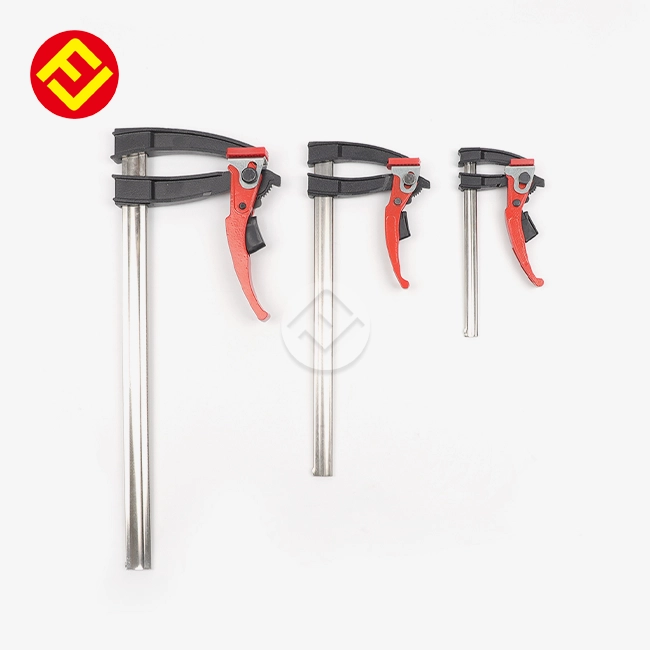
When doing precision welding jobs, it's important to keep your workpiece securely in place for the best results. For welding, the clamps on the table are very important because they keep the piece from moving while it's being made. The F-Clamps/16mm-welding-table-clamps">16mm welding table clamp is one of the best choices because it works with lighter gauge materials and more complicated spatial geometries. It fits into 16mm bore holes that are usually spaced 50x50mm apart. These specialised tools help makers who work with stainless steel, aluminium, and other precision materials that need consistent clamping pressure without warping by controlling thermal distortion, allowing micro-adjustments, and stopping spatter.


Understanding Welding Table Clamps: Types and Features
Before you can choose the right clamp, you need to know what makes one type different from another. Welding table clamps aren't just general-purpose handles; they're engineered tools made for specific tasks and table shapes.
Core Design of 16mm Welding Table Clamps
When it comes to fixing workpieces, the 16mm method is very precise. The shaft of these clamps is made to fit snugly into holes with a width of 16 mm. This makes a stable base for attaching parts. The clamping device usually has jaws that hold the piece of work, a handle for tightening, and a base that fits into holes in the table. The spindle geometry of high-quality clamps is what makes them stand out. Many of them have trapezoidal threads that allow for fast force transfer and good self-locking properties. This design keeps things from coming loose by accident when doing activities with a lot of vibration, like plasma cutting or heavy grinding.
Material Construction and Specifications
Professional clamps are made of carbon steel or cast iron that can be shaped. These materials are chosen because they are strong for their weight and don't change much when heated or cooled. Carbon steel has great tensile strength, and cast iron that can be shaped is durable without being weak, so your clamps won't break when they're hit hard or under pressure. Plasma nitriding, a thermochemical diffusion process that makes the surface harder than 750 Vickers (HV), is used on high-end models. This process makes the tool almost immune to scratches and weld spatter sticking to it, which greatly increases its useful life. Zinc-plating or painting the finish makes it less likely to rust, which is especially useful in places where cutting fluids, water, or chemical cleaners are used.
Knowing about technical factors can help you judge the quality of a product. For normal 16mm clamps, the clamping force is usually between 2.5 kN and 3.00 kN, which is enough to hold workpieces in place without damaging sensitive materials or deforming the table bore. The measurement standard uses the H7 tolerance specifications, which makes sure that everything is straight and stops any wobble during use.
Comparing Different Clamp Types
Besides the 16mm choice, there are also 20mm and 28mm options that are made for heavier uses. The 20mm clamp makes about 5–7 kN of force, which is enough for making solid steel beams. To choose between sizes, you have to find the right balance between the weight of the piece you're welding and the number of holes in your table. Reduction bushings make it possible to use a 16mm clamp on System 28 tables with adapters, but this method isn't advised for heavy structural work because it limits the force that can be applied.
Magnetic clamps are another option. They allow for quick placement without having to thread them into table holes. But they don't distribute pressure as evenly as mechanical clamps do, and heat can make them lose their staying power during long welding sessions. Toggle clamps are quick to engage, but they usually mount to the table surface instead of fitting into hole grids, which limits how you can place them.
Different brands from companies like Strong Hand, KREG, and others mostly vary in how ergonomic they are, how good the materials are, and how much they cost. Industrial-grade choices have copper-coated threads to better reject spatter, enclosed spindles to protect threads from spatter, and pressure pads that can be removed to extend the life of the tool.
How to Use and Maintain 16mm Welding Table Clamps Effectively?
Proper setup and care have a direct effect on both the quality of the workpiece and the life of the 16mm welding table clamp. Knowing the right way to do something stops common mistakes and safety risks.
Step-by-Step Setup and Positioning
First, make sure that the holes in your table are clean and free of any dirt, spatter, or distortion. Tight-tolerance clamps won't fit right if the holes are dirty or broken. If you need to, ream the holes to get them back to the exact 16mm width. Fully insert the clamp's base into the hole until it seats firmly. Partially inserting it causes instability that weakens the hold.
Place your piece of work, then touch the clamp jaw to it before putting pressure on it. Slowly tighten the handle while making sure the item stays where you want it to be. Being too tight can ruin the workpiece surface or strip the threads. Instead of depending on a single heavy clamp, spread the clamping pressure across several points for thin materials that are likely to warp.
Essential Maintenance Practices
Regular care keeps clamps working well and keeps them from breaking down too soon. Every time you use it, clean up the weld spatter before it sets and sticks to metal. A wire brush or a spray that gets rid of spatter will do the job. Check the threads often for damage or wear—stripped or cross-threaded threads mean they need to be replaced.
Regularly put a thin layer of anti-seize substance on threads, especially in places where a lot of things are made. This lubrication keeps things from galling and makes sure they work smoothly. Keep clamps in a dry place, away from water and chemicals that can damage them. If the zinc plating is worn down, you might want to re-coat or replace the clamp to keep the rust protection.
In high-volume processes, pressure pads are parts that are used up quickly. Good clamps have ball-joint pressure pads that can be taken off and replaced separately. This lets you use the tool for longer without having to replace it all.
Safety Considerations and Troubleshooting
Do not run a lot of welding current through the body of the clamp. Steel is a good conductor of electricity, but running voltage through the swivel mechanism or threads can cause micro-arcing, which joins parts inside the clamp together and makes it useless. Grounding clamps should always be used and should be attached directly to the table or item.
If the clamp slides around while it's being used, there could be a number of problems, such as not enough tightening pressure, dirt on the jaw face, uneven surfaces on the workpiece, or wear on the clamp. Usually, these issues can be fixed by replacing worn pressure pads or cleaning the contact areas. Spindle runout or imbalance is a sign of more serious damage. Use a square to check that the spindle is straight in relation to the table surface. Misalignment leads to uneven pressure distribution, which lets the part move when it heats up.
Comparing 16mm Welding Table Clamps with Other Solutions
Knowing comparative benefits helps purchasing managers decide whether to buy certain tools and how to best match those tools to specific production needs.
Size and Strength Differences: 16mm vs. 20mm
The main things that determine which method to use (16mm or 20mm) are the weight of the piece being welded and how intense the welding process is. Sheet metal, small brackets, and precision parts can all be held in place securely with a 16mm clamp that can produce 2.5 kN of force. The smaller shaft diameter lets you make hole patterns on your table that are denser, which gives you more choices for where to place complex fixtures.
On the other hand, 20mm clamps that provide 5–7 kN are good for heavy plate production, large welds, and uses that require a lot of thermal expansion. When multi-pass welding on thick parts, the extra force keeps the workpiece from moving. But a bigger shaft width means that the holes have to be farther apart, which limits the positioning options. Because they are cheaper, 16mm systems are usually better for shops that work with lighter materials, while 20mm systems are better for shops that work with solid materials.
Mechanical vs. Magnetic Clamping Solutions
Mechanical clamps, like the 16mm system, work great in factories where placement and pressure must be kept the same over and over again. Once they are in place, they keep the same force no matter the temperature, pressure, or environment. Because they are reliable, they are perfect for jigs and tools that need to be very accurate in terms of size.
For one-time jobs or quick prototyping, magnetic welding table clamps are faster. They don't need table holes, and positioning them takes seconds instead of minutes. But magnetic strength drops near welding arcs because of the heat, and they make force distribution less reliable. Even though they take longer to set up at first, motorised clamps are better for precise work or production runs.
Toggle Clamps and Functional Differences
Toggle clamps attach to table tops and lock into place very quickly with over-center locking mechanisms. They work great for doing the same thing over and over on the same parts as long as the clamp settings stay the same. They can only be used for stable mounting; to move them, you have to drill new bolt holes or weld mounting pads together.
The 16mm welding table clamp's benefit is that it can be moved around the whole table grid. Fixtures can be quickly rearranged to fit different parts without having to be changed permanently. This adaptability is very helpful for job shops that work on a variety of projects with needs that change all the time. The downside is that they take a little longer to set up than toggle clamps that are already fixed.
Buying Guide: How to Select the Best 16mm Welding Table Clamp for Your Business?
When making a buying choice, it's important to look at more than just the price.
Core Selection Criteria
First, figure out how much clamping force your usual workpieces need. For materials thinner than 3 mm, controlled pressure is needed to keep them from distorting, while systems with thick plates need the strongest holding strength possible. Match the clamp's estimated force to the job. If it's too weak, the workpiece could move, and if it's too strong, it could get damaged.
Total cost of ownership is directly related to how long a material lasts. In production settings, carbon steel clamps that have been treated to make the surface last a lot longer than basic cast iron clamps. Figure out how long something is expected to last based on how often it is used. A clamp that costs a little more but lasts three times longer is a better deal.
The safety and efficiency of operators are affected by ergonomic design. Look for clamps with high-torque handles that are comfy and let you tighten them properly without having to work too hard. Two-part handles keep your hands from getting tired when you do the same thing over and over. Enclosed spindle designs keep dust off of the threads, which cuts down on maintenance time and makes service intervals longer.
Evaluating Manufacturers and Suppliers
In industrial tooling, a brand's image is important. Manufacturers that have been around for a while keep an eye on quality and back up their goods with warranties. Look for suppliers that have ISO9001 certification, which proves that they follow consistent process control and improvement methods all the time. When something has CE certification, it means that it meets safety, health, and environmental protection guidelines.
When buying from China or other manufacturing hubs, make sure you know how the seller produces and checks for quality. Ask for proof of the procedures for hardness testing, load-bearing verification, and dimensional checking. Reliable manufacturers keep track of each batch and answer technical questions quickly with full specs.
Bulk Purchasing Strategies
When you buy in bulk, you can get better prices, but you need to plan ahead to do it right. Find out how many clamps you'll need each year based on how often you plan to change them and how much production you want to grow. Ordering enough for three to six months combines price benefits with the costs of keeping inventory on hand.
Ask suppliers about big discounts and ways to make the product fit your needs when you are negotiating with them. Many companies will change the shape of the jaws, make the lengths longer, or add unique finishes to your order for a small fee if you buy a lot of it. Make sure that the lead times for standard and custom configurations are clear and that the delivery plans work with your production needs.
Shipping is a big part of the cost of buying heavy tools. When you can, combine orders to get full container loads, and decide whether FOB or CIF terms are better for your business based on how well they work with your operations. When you need something quickly, suppliers who keep stock locally can get it to you faster, while direct shipments from factories offer better prices for planned purchases.
Best Practices and Tips for Optimizing Welding Table Clamp Use in Industrial Settings
Maximizing productivity requires more than just purchasing quality tools—it demands systematic implementation of best practices.
Efficient Clamp Placement and Workflow Integration
Strategic clamp positioning minimizes setup time while ensuring adequate workpiece support. Position clamps close to welding zones to control distortion, but maintain sufficient clearance for torch access and wire feed movement. For large weldments, distribute clamps around the perimeter first, then add internal support points working from the center outward.
Quick-release systems enhance efficiency in production environments. Consider using spring-loaded clamps for rapid engagement on repetitive operations, switching to standard clamps only where maximum force is required. Color-coding clamps by force rating or application helps operators select the correct tool quickly, reducing setup errors.
Integrate clamp storage into your table layout. Wall-mounted racks or drawer systems near each welding station keep frequently used clamps within arm's reach. Organize by size and type, with the most common variants in the most accessible locations. This simple organization reduces wasted motion and prevents operators from improvising with inappropriate clamping methods.
Preventive Maintenance for Long-Term Value
Scheduled maintenance prevents unexpected failures that halt production. Establish weekly inspection routines covering thread condition, pressure pad wear, and handle integrity. Monthly deep cleaning removes accumulated spatter and contaminants that accelerate wear. Document maintenance activities to identify patterns indicating when specific clamps approach end-of-life.
Training operators in proper clamp use reduces abuse that shortens lifespan. Common mistakes include using welding table clamps as hammers, over-torquing handles, and failing to clean spatter promptly. Brief training sessions demonstrating correct techniques and explaining why they matter typically yield immediate improvements in tool longevity.
Budget for consumable replacements proactively. Pressure pads, in particular, wear predictably based on usage intensity. Ordering replacement pads before failure occurs prevents production interruptions and extends the base clamp's service life significantly.
Upgrade Timing and Cost Efficiency
Knowing when to upgrade equipment protects productivity while controlling costs. Warning signs include frequent workpiece slippage, difficulty achieving desired tightness, visible thread damage, or excessive play in swivel components. Don't wait for complete failure—degraded clamps compromise weld quality and pose safety risks.
Calculate replacement timing based on usage metrics rather than arbitrary schedules. High-volume fabrication shops might replace clamps annually, while lighter-use environments may see five-year lifespans. Track performance and maintenance frequency to establish data-driven replacement cycles specific to your operations.
When upgrading, consider whether process changes justify moving to different clamp types or sizes. Shops expanding into heavier work might transition some positions to 20mm clamps, while those focusing on precision assemblies may benefit from additional 16mm units with specialized jaw configurations.
Conclusion
Selecting and maintaining appropriate welding table clamps significantly impacts fabrication quality, operator efficiency, and production costs. The 16mm welding table clamp offers an optimal balance of precision, versatility, and cost-effectiveness for applications involving lighter materials and complex geometries. Understanding technical specifications, comparative advantages, and proper usage techniques enables procurement professionals to make informed decisions that enhance operational performance. Regular maintenance, strategic purchasing, and adherence to best practices maximize return on investment while ensuring consistent workpiece quality across production cycles.
FAQ
What materials are used in manufacturing 16mm welding table clamps?
Professional 16mm welding table clamps are typically constructed from carbon steel or malleable cast iron. Carbon steel offers exceptional tensile strength and responds well to heat treatment processes, while malleable cast iron provides durability without brittleness. Premium models feature plasma nitriding, a surface hardening treatment achieving over 750 Vickers hardness, which dramatically improves spatter resistance and wear characteristics. Finishes include zinc plating or industrial paint, both providing corrosion protection in demanding workshop environments.
How do I determine if a clamp is compatible with my welding table?
Compatibility depends primarily on matching the clamp shaft diameter to your table's hole size. Measure your table holes accurately—16mm clamps require 16mm holes machined to H7 tolerance for proper fit. Check hole spacing patterns, as standard configurations use 50x50mm or 100x100mm grids. Verify that the clamp's rail dimensions match your table's slot profile if using slotted tables. When purchasing, confirm specifications with your supplier and request dimensional drawings to ensure proper fitment before placing large orders.
What safety precautions should I follow when using welding clamps?
Never route welding current through the clamp body, as micro-arcing can weld internal components together. Use dedicated grounding clamps attached directly to the workpiece or table. Inspect clamps before each use for thread damage, cracks, or excessive wear. Tighten handles gradually to avoid over-torquing, which can damage threads or distort thin workpieces. Wear appropriate PPE including gloves when handling clamps near welding operations. Remove spatter promptly before it bonds permanently to clamp surfaces, creating sharp edges that pose cutting hazards.
Partner with FLA Industrial & Trading Co., Ltd. for Premium Clamping Solutions
Your fabrication quality deserves reliable tooling backed by decades of manufacturing expertise. At FLA Industrial & Trading Co., Ltd., we specialize in producing high-performance 16mm welding table clamps engineered for demanding industrial environments. With nearly 40 years of experience and ISO9001 certification, we deliver carbon steel and malleable cast iron clamps featuring zinc-plated finishes, precise dimensional tolerances, and exceptional durability. Whether you need standard configurations or custom solutions tailored to unique fixturing requirements, our team responds within 24-48 hours with detailed specifications and competitive quotations. We maintain extensive inventory for immediate shipment and accommodate orders of any size—from prototype quantities to full container loads. Contact our sales team at sales@flaindustrial.com to discuss how our 16mm welding table clamp supplier capabilities can enhance your production efficiency and product quality.
References
American Welding Society. "Welding Handbook: Welding Processes, Part 1." Miami: AWS, 2015.
Lincoln Electric Company. "The Procedure Handbook of Arc Welding." Cleveland: Lincoln Electric, 2017.
Jeffus, Larry. "Welding: Principles and Applications." Boston: Cengage Learning, 2016.
O'Brien, Robert L. "Jefferson's Welding Encyclopedia." Miami: American Welding Society, 2014.
Minnick, William H. "Gas Metal Arc Welding Handbook." Tinley Park: Goodheart-Willcox, 2013.
Cary, Howard B. "Modern Welding Technology." Upper Saddle River: Pearson Education, 2015.