The Essential Guide to Pressure Reducing Valves
2026-04-01 10:05:00


Pressure-reducing valves are critical components in modern industrial systems, designed to automatically maintain safe and stable downstream pressure despite varying upstream conditions. A pressure reducing regulator valve serves as an essential safeguard, protecting equipment from pressure surges while ensuring consistent performance across diverse applications. These self-actuated devices operate without external power sources, utilizing internal mechanisms to throttle flow and maintain precise pressure control. Understanding their functionality becomes crucial for procurement professionals managing fire protection systems, HVAC installations, and industrial processes where pressure stability directly impacts safety, compliance, and operational efficiency.
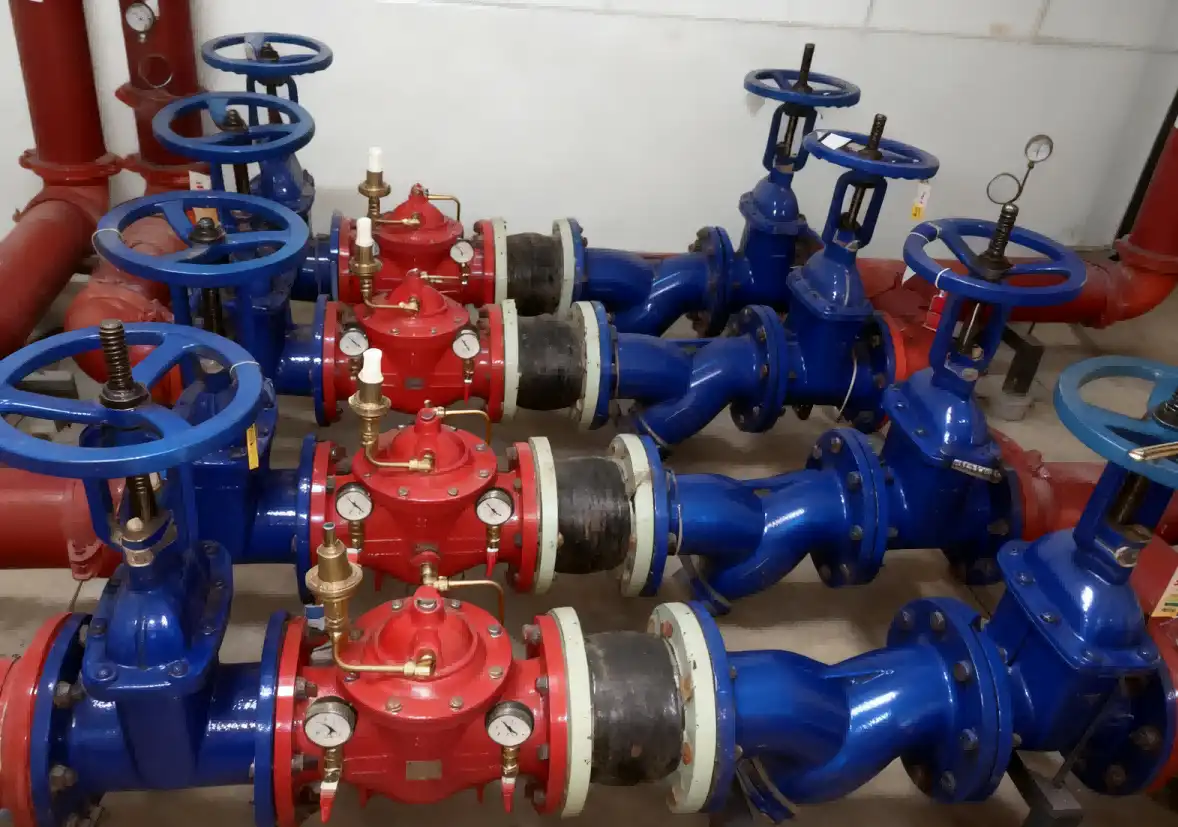
Understanding Pressure Reducing Regulator Valves
Industrial pressure management requires sophisticated yet reliable solutions that can adapt to changing system demands. Pressure-reducing valves represent a cornerstone technology in fluid control systems, offering automated pressure regulation without complex external controls.
Core Components and Operating Principles
The fundamental design of a pressure reducing regulator valve centers around three main parts: the measuring element (which is usually a diaphragm or piston), the spring mechanism, and the valve seat assembly. When the pressure further downstream changes, the sensor element reacts. The spring, on the other hand, gives the opposing force that sets the pressure. The spring force opens the valve, letting more flow through, when the pressure downstream goes below the setpoint. When pressure goes up, on the other hand, the detecting element squeezes the spring, which stops flow or shuts off the valve completely.
Modern valve designs use controlled trim arrangements that lessen the impact of changes in the pressure upstream. This way of engineering makes sure that the pressure further downstream stays the same even when supply conditions change a lot. The internal mechanisms are made with high-quality materials and exact machining to ensure a stable balance of power. This allows them to work well for long periods of time.
Material Selection and Construction Standards
The choice of material is very important for how well and how long a valve lasts. Brass is good at resisting corrosion and being easy to work with, so it can be used in water systems and uses with mild pressure. When used in high-pressure industrial settings, cast iron is very strong, but stainless steel is better at resisting rust in harsh media or clean settings.
Precision casting, milling, assembly, and surface treatment are all steps in the production process. Quality control methods make sure that the dimensions are correct and that the surface finishes are correct. Nickel-plated or powder-coated areas protect against corrosion better and keep the professional look that is expected in business and industry settings.
How to Choose the Right Pressure Reducing Regulator Valve for Your Business?
Carefully looking at the system needs, working conditions, and performance standards is needed to choose the right pressure reducing valves. During the decision process, there are a number of technical factors that have an immediate effect on the long-term dependability and operating success.
Technical Specifications and Performance Parameters
One of the main criteria for selection for a pressure reducing valve is flow capacity, which is usually given as the flow coefficient (Cv). This measure tells you how well the valve can handle certain flow rates when the pressures are different. If you don't size things correctly, you could end up with problems like not enough flow or too much flow, which makes control less accurate. When thinking about pressure range, you need to think about both the highest pressure coming in and the pressure you want coming out.
Ratings for temperature affect the choice of material and the design of the closing system. Valve that can handle high temperatures are needed for uses with steam, hot water, or industrial processes. Material choices and protected coatings are affected by things like the general temperature, where the placement is located, and the amount of contact to corrosive elements.
Certification Requirements and Compliance Standards
Standardizations for safety and efficiency must be followed in industrial settings. Getting ISO9001 approval shows that you follow the quality management system during the whole producing process. When something has a CE mark, it means it meets European safety standards, and when it has a UL mark, it means it can be used for fire defense. FM approval specifically talks about the needs of fire protection systems, making sure that valves meet strict performance standards for life safety uses.
With these certificates, you can be sure that valves have been through a lot of testing and quality control. Certified goods come with test results, material certificates, and performance data that help with system design calculations and making sure the product meets regulatory requirements.
Application-Specific Considerations
High-rise buildings with fire protection systems need valves that can keep precise pressure control even when there is an emergency. These uses need strong building, effective operation, and standards that meet NFPA requirements. The valve has to work right both when it's just sitting there and when there is a high-flow situation.
The pressure reducing regulator valve technology in HVAC systems keeps the pressure steady even when the building loads change. In industrial process uses, valves need to be able to handle certain types of media, pressure ranges, and flow standards while also being reliable over time in harsh working conditions.
Installation, Maintenance, and Troubleshooting Tips for Pressure Reducing Regulator Valves
Proper installation and ongoing upkeep greatly increase the service life of valves and ensure they work reliably throughout the working time. Common problems can be avoided by following set processes, which also protects the security of the system.
Installation Best Practices
The installation process starts with making sure the valves are positioned and oriented correctly. Most valves need to be lined up in a certain way, which is shown by lines on the valve body. There is enough space around the valve to allow for repair and tuning tasks. Installing pressure gauges upstream and downstream makes tracking and fixing possible.
Cleaning the inside of the pipeline to get rid of trash that could get in the way of the valves' operation is part of preparing the pipeline. Support structures must be strong enough to hold the weight of the valve and account for changes in temperature. When threaded joints are torqued correctly, they don't get over-tightened, which could damage valve parts, or under-tightened, which could let leaks happen.
Preventive Maintenance Procedures
As part of regular maintenance for a regulator valve, the outsides of valves should be inspected visually to look for rust, damage, or wear patterns that don't seem normal. Based on working conditions and manufacturer suggestions, internal parts need to be checked from time to time. Cleaning procedures get rid of buildup of dirt and grime inside valves, and lubrication keeps moving parts running smoothly.
Pressure testing makes sure that valves work properly and finds problems before they become system problems. Keeping records of maintenance tasks over time helps with planning preventative maintenance and making guarantee claims when needed.
Troubleshooting Common Issues
Problems with pressure changes are often a sign of worn-out internal parts or dirt that is stopping the valve from working properly. Damaged springs or stopped valve systems can cause too much pressure further downstream. Not enough flow capacity could mean that the valves are too small or that the flow paths are partly blocked.
As part of the diagnostic process, pressure is measured at different places in the system, valve parts are inspected visually, and the system's working conditions are evaluated. Figuring out the trends of symptoms helps find the underlying reasons and the best ways to fix them. When technical help is needed, thorough accounts of symptoms and details about the system make it easier to help with troubleshooting.
Procurement Insights: Buying Pressure Reducing Regulator Valves for Industrial Use
Procurement strategies that work well combine technical needs with business needs, making sure that the best value is achieved while still meeting routine needs. Knowing how the market works and what a provider can do helps you make smart buying choices.
Supplier Evaluation and Selection Criteria
When you evaluate a supplier, you look at their manufacturing skills, quality control methods, and expert help resources. Manufacturers that have been around for a long time and have a lot of experience have track records and full product lines. Quality standards like ISO9001 show that manufacturers follow a set of rules to ensure quality and keep getting better.
Help with applications, unique design services, and quick customer service are all examples of technical support services. For complicated installations, suppliers who offer help with 3D modeling and application advice are very helpful. Consistent lead times and the availability of supplies have an effect on project schedules and the need for unexpected replacements.
Bulk Ordering and Logistics Considerations
When you buy in bulk, you can often save money and make sure you have enough supplies for ongoing upkeep needs. Standard product stocks allow for instant delivery for pressing needs, but custom designs need to be planned for longer wait times. The quality of the packaging affects how the product is stored and shipped.
Some things to think about when international buying are following the rules for importing goods, making sure that quality standards are met, and being able to communicate effectively. Suppliers with well-established transportation networks can help with local issues while still keeping their cost benefits in production.
Quality Assurance and Documentation Requirements
Full quality documentation for a pressure reducing valve helps with checking the design of the system and meeting legal standards. Test documents prove that the valve meets the requirements for function and material. Quality management systems make sure that production methods are always the same and that Products" target="_blank" style="color:blue" >products can be relied on.
Documentation that allows for traceability lets you keep track of materials and production methods, which helps with quality reviews and efforts to keep getting better. When you need insurance claims or technical help, having the right paperwork makes things easier.
Applications and Future Trends in Pressure Reducing Regulator Valves
The pressure reducing regulator valve technology is always changing to keep up with new technologies and changing business needs. Knowing how things are used now and how they will change in the future can help you make smart decisions about buying.
Current Market Applications
Important part of the market is fire protection systems, which need special types of pressure reducing regulator valve that can keep precise pressure control even when there is an emergency. These uses need strong building, reliable operation, and strict safety standards are needed for these uses. Sprinkler systems and standpipe setups in high-rise buildings rely on these valves to keep supply pressures from getting too high.
Pressure reducing valves are used in industrial manufacturing processes to safeguard delicate machinery and keep the process under control. Consistent pressure control is needed for steam systems, compressed air networks, and process fluid lines to make sure the quality of the products and the life of the equipment. Pressure control is helpful for HVAC setups because it keeps the system balanced even when the load changes.
Emerging Technologies and Innovations
Smart valve technologies use sensors and connection features that let you keep an eye on things from afar and plan repair ahead of time. These high-tech systems give you real-time information about performance and early warning signs of possible problems. Integration of the Internet of Things (IoT) makes it possible to watch many valve systems across facility networks from one place.
New discoveries in material science keep making valves work better and last longer. Better materials for sealing and more precise production methods all help to extend the service life and lower the amount of upkeep that needs to be done. Eco-friendly materials and styles that use less energy are made because people care about the environment.
Market Outlook and Strategic Considerations
Regulatory changes in industrial systems are putting more emphasis on safety, protecting the environment, and using energy efficiently. As building codes and safety standards change, valve designs need to adapt to meet higher performance standards. Sustainability programs encourage goods that last longer and have less of an effect on the earth over the course of their entire lives.
Trends in automation and digitization affect how valves are designed and how they need to be integrated. Smart building systems need parts that work together and allow for centralized control and tracking. Knowing about these trends can help you make choices about purchases and long-term plans.
Conclusion
Pressure reducing regulator valve technology provides essential pressure control solutions across diverse industrial applications. Understanding valve principles, selection criteria, and maintenance requirements enables procurement professionals to make informed decisions that optimize system performance and reliability. Quality manufacturers like FLA Industrial & Trading Co., Ltd. offer comprehensive product lines backed by extensive experience and proven quality systems. Strategic procurement approaches that consider technical requirements, supplier capabilities, and market trends ensure successful valve implementation and long-term operational success.
FAQ
What distinguishes pressure reducing valves from pressure relief valves?
Pressure-lowering valves change the flow based on feedback from the exit pressure to actively control the pressure further downstream. They keep the pressure downstream steady, even if the pressure upstream changes. Pressure relief valves are safety devices that only open when pressure goes over certain limits. They let out extra pressure to keep the system from breaking. When the system is working normally, relief valves stay closed, and lowering valves keep changing positions to keep the setpoint pressure.
How do I determine the correct valve sizing for my application?
To find the right valve size, you need to figure out the needed flow coefficient (Cv) by looking at the fluid's properties, pressure difference, and highest flow rate. The method takes into account the variables of temperature, pressure, and specific gravity. The right size makes sure that there is enough flow capacity while keeping the accuracy of the control. Too small of valves cause too many pressure drops, and too big of valves make control less accurate. Talking to valve makers can help you figure out the right size for your purpose.
What maintenance frequency is recommended for industrial applications?
When to do maintenance depends on how the machine is used, the type of media, and the job cycle. Visual checks every three months, internal inspections once a year, and part repair every three to five years are common suggestions. Maintenance may need to be done more often in harsh settings or when the machine is running all the time. Using performance tracking data to plan predictive maintenance for important apps is a good idea. Manufacturer standards give unique maintenance suggestions for each application based on how it is used.
Partner with FLA Industrial & Trading Co., Ltd. for Superior Pressure Control Solutions
Professional pressure reducing regulator valve systems demand experienced manufacturing partners who understand industrial requirements and deliver consistent quality. FLA Industrial & Trading Co., Ltd. brings nearly 40 years of manufacturing expertise to pressure control applications, offering comprehensive valve solutions from standard products to custom configurations. Our extensive inventory includes over 1,000 product specifications manufactured using advanced casting, machining, and surface treatment processes. Quality certifications including ISO9001, CE, UL, and FM approval demonstrate our commitment to international standards and customer satisfaction. Contact our technical team at sales@flaindustrial.com to discuss your specific requirements and discover how our pressure reducing regulator valve manufacturer capabilities can optimize your system performance.
References
American Society of Mechanical Engineers. "ASME B31.3 Process Piping Code: Design Requirements for Pressure Reducing Valve Applications." ASME International Standards, 2022.
International Organization for Standardization. "ISO 4126-1: Safety Devices for Protection Against Excessive Pressure - General Requirements for Pressure Relief Devices." ISO Technical Standards, 2021.
National Fire Protection Association. "NFPA 13: Standard for the Installation of Sprinkler Systems - Pressure Reducing Valve Requirements." NFPA Codes and Standards, 2022.
European Committee for Standardization. "EN 1567: Industrial Valves - Pressure Reducing Valves and Associated Safety Valves for Gas Installations." CEN Technical Standards, 2020.
American Water Works Association. "AWWA C515: Reduced-Pressure Principle Backflow Prevention Assembly Standard." AWWA Standards Development, 2021.
Fluid Controls Institute. "FCI 70-2: Quality Control Standard for Control Valve Seat Leakage Testing." FCI Technical Standards, 2022.