What Is The Grooved Elbow And Specification?
2026-04-01 10:05:05


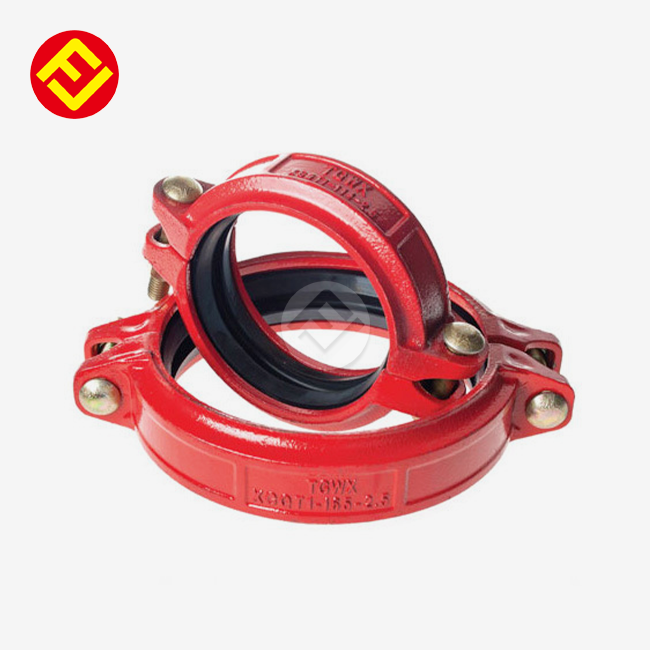
A grooved elbow is a special kind of pipe part that changes the flow direction in pipe systems by mechanically connecting to other pipes. Both ends of these fittings have perfectly machined grooves that fit rubber seals and coupling housings. This makes installation quick and easy without the need for welding or threading. Grooved elbows, which are made from long-lasting materials like ductile iron and carbon steel and are offered in normal 90-degree and 45-degree shapes, have protective surface treatments like epoxy coating or galvanizing to increase corrosion resistance.
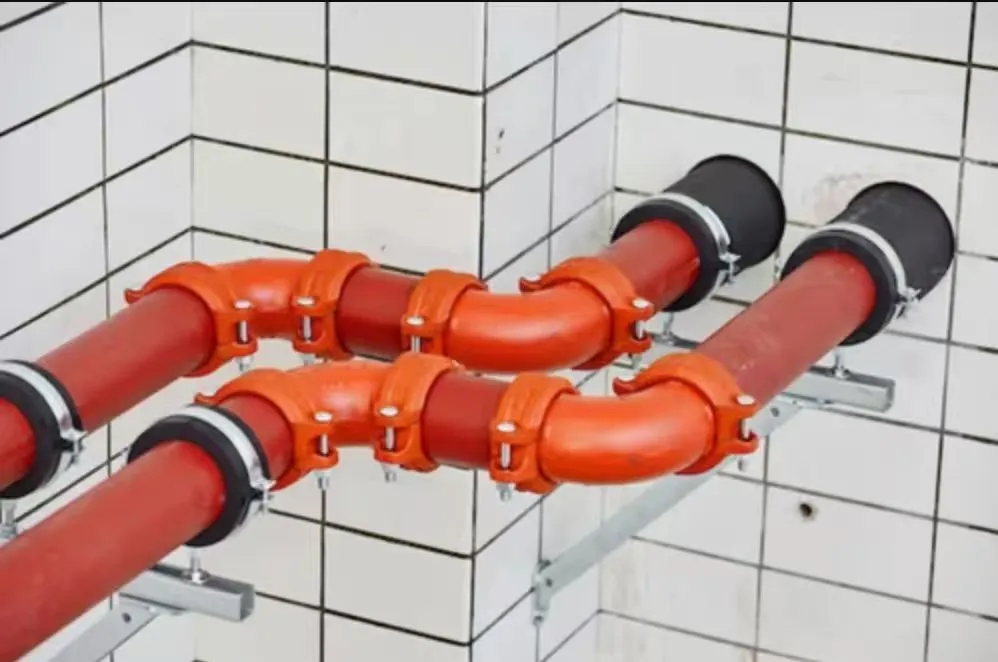
Understanding Grooved Elbows: Definition and Working Principle
Grooved pipe fittings are a completely new way to build modern plumbing systems. They have completely changed how builders and engineers think about directional connections in industrial settings. The main idea behind it is a mechanical joint system that gets rid of the need for traditional welding while still providing better structural integrity and leak resistance.
The Mechanical Connection System
The grooved link system works with a simple but effective method. The grooves on each fitting are carefully machined so that they line up properly with the slots on the pipe ends. The main seal is made by a rubber gasket, and the joint is held in place automatically by a coupling box. This design spreads stress evenly across the connection point, which makes it less likely that it will break under pressure or heat expansion.
To link, you have to place the seal around the end of the pipe, line up the grooved surfaces, and then use bolts to secure the coupling. Compared to traditional welding methods, this one cuts installation time by about half. This makes it especially useful for time-sensitive building projects where worker costs and project schedules are very important.
Groove Profiles and Configurations
There are two main types of grooves used in modern grooved fittings: cut grooves and rolled grooves. The end of the pipe is machined with cut lines that make an exact opening that keeps the pipe's original wall thickness. Rolling grooves are made by pushing material outward, which makes the groove without taking away any metal. Depending on the needs of the product and the pipe material, each method has its own benefits.
Key Specifications of Grooved Elbows
For procurement managers and engineers who have to choose parts that meet project needs and ensure long-term performance and stability, it's important to know the technical details of grooved elbow fittings.
Material Composition and Standards
Due to its high strength-to-weight ratio and resistance to damage from impacts, ductile iron is still the best material for curved fittings. The tensile strength of this material is 65,000 PSI and the yield strength is 45,000 PSI. It meets the standards of ASTM A536 Grade 65-45-12. Alternatives to carbon steel are better at resisting rust in some settings, especially when mixed with high-tech coating systems.
Surface treatments for grooved elbow fitting are very important for keeping systems in good shape and extending their useful life. Red epoxy paint is very resistant to chemicals and stays flexible even when the temperature changes, and galvanized finishes are better at stopping rust from the air. When it comes to coating thickness and adhesion, these Products" target="_blank" style="color:blue" >products meet or beat industry norms.
Pressure Ratings and Size Ranges
Grooved fittings are made to work with pressures between 175 PSI and 500 PSI, based on the material and size. Standard sizes run from 1 inch to 24 inches, and special designs can be made for specific uses. Pressure ratings are in line with ANSI B16.1 standards, which means they will work with current pipe systems and meet legal requirements.
For normal uses, temperature values are usually between -20°F and 300°F. For harsh situations, these ranges can be extended with special gasket materials. Because of these specs, grooved fittings can be used in many situations, such as for cooling systems, heating circuits, and industrial process pipes.
Certification and Quality Standards
To get certified, all grooved fittings have to meet strict rules, such as ISO9001 quality control standards, UL listing for fire protection uses, and FM approval for industrial sprinkler systems. The CE mark makes sure that the product meets European safety standards, and the NSF mark proves that it is safe for use with potable water.
Benefits and Applications of Grooved Elbows
Grooved piping systems have changed how installations are done in many different fields. This is because they offer real benefits that solve problems that builders, building managers, and maintenance teams often face.
Installation and Maintenance Advantages
With grooved connections, you don't need special welding tools or qualified welders. This makes the job much easier and requires a lot less work. Installation teams can make links with common hand tools, which makes it easier to make changes and fixes in the field. This ease of access is especially helpful for retrofit jobs where limited room makes it hard to get to equipment.
Because grooved connections are mechanical, they make it easy to take things apart and make changes to the system without having to cut or damage nearby pipes. Maintenance teams can replace individual parts or change the way systems are set up with little effect on how they work. This flexibility translates to reduced downtime costs and improved system maintainability throughout the facility lifecycle.
Here are the primary operational advantages that make grooved elbow fittings increasingly popular in industrial applications:
- Vibration Damping: The elastomeric gasket system absorbs pump vibrations and heat movement, keeping equipment further downstream safe and lowering noise transfer through the building.
- Thermal Accommodation: Grooved joints allow for thermal expansion and contraction without putting too much stress on one area, which could cause the pipe to break or the joint to separate.
- Fire Safety: Getting rid of the need for hot work permits and fire watches lowers project costs and safety risks. This is especially important in buildings that are already occupied or manufacturing facilities.
- Seismic Flexibility: The way the connections are made mechanically makes them flexible, which helps pipe systems withstand earthquakes without breaking down completely.
These practical benefits for grooved elbow solve basic problems in modern building systems, where dependability and ease of maintenance have a direct effect on how well they work and how much they cost over their whole life.
Industry Applications and Use Cases
The biggest use for grooved fittings is in fire protection systems, where quick installation and proven dependability are very important. Commercial sprinkler systems use curved links for risers, cross mains, and branch lines. This is done so that the system can adapt to changes in temperature and building movement.
The ability of grooved connections to isolate vibrations is useful in HVAC applications, especially in pump rooms and areas with a lot of industrial equipment where noise control is important. Grooved joints allow for big changes in temperature in chilled water and heating systems without affecting the structure of the system.
Grooved systems are being used more and more in process pipes in places where ease of upkeep and system flexibility are more important than original cost. The flexibility to change pipe layouts as operating needs change is appreciated by mining operations, manufacturing plants, and water treatment plants.
Choosing and Installing the Right Grooved Elbow
When choosing the right curved fittings, you need to think carefully about a number of factors that affect both the system's immediate performance and its long-term dependability. Professionals in procurement have to weigh the original costs against the long-term value of an item while also making sure it works with the system that is already in place.
Selection Criteria and Material Considerations
The most important factors for choosing a fitting are the operating pressure and temperature. Systems that work at pressures higher than 250 PSI usually need heavy-duty fittings with better sealing materials and stronger connection designs. Extreme temperatures may call for special gasket materials that stay flexible and seal well across the entire working range.
Another important decision factor is how well the fluids work together. For systems that handle potable water, you need materials and seals that are NSF-certified. For chemical process uses, you might need special elastomers that are resistant to certain chemicals. Talking to application engineers will help you choose the right materials for tough working conditions.
Surface treatment choices are affected by things in the environment, such as the temperature, humidity, and the chance of rust in the air. Better coating methods or better material specs may be helpful in coastal installations or industrial settings with harsh atmospheres.
Installation Procedures and Best Practices
Carefully preparing the pipe and checking the groove is the first step in a proper fitting. To keep the seal from getting damaged during assembly, the pipe ends must be cut straight and smoothed out. To make sure the coupling engages properly and the seal is compressed, the groove measurements should be compared to the manufacturer's specs.
The steps for installation are to put the gasket around the end of the pipe, line up the fitting with the gap in the pipe, and then put the coupler housing in place. Bolt torque must be applied according to the manufacturer's instructions. Depending on the size and form of the connection, torque levels usually range from 45 to 75 foot-pounds.
During fitting, quality control checks include looking at where the gasket is placed, making sure the grooves are lined up correctly, and making sure the bolt pressure values are correct. These steps stop common startup mistakes that could cause leaks or the system to fail before it should.
Conclusion
Grooved elbow fittings represent a proven solution for modern piping systems, offering significant advantages in installation efficiency, system reliability, and maintenance accessibility. The mechanical connection method gets rid of the need to weld while still offering excellent performance in a wide range of situations, such as fire protection, HVAC, and industrial process pipes. Different types of materials, like ductile iron and carbon steel, and improved surface processes make sure that they can work with different working situations and environmental needs. The best performance and lifetime value are achieved by making the right choice based on needs for pressure, temperature, and compatibility. Quality grooved fittings are the basis for reliable pipe systems that meet the strict needs of modern industrial and commercial buildings. They are made by companies with nearly 40 years of experience and are certified to meet ISO9001, UL, FM, and CE standards.
FAQ
What makes grooved elbows different from welded fittings?
With grooved joints, you don't need welding equipment or qualified welders to put them together; you can just use regular hand tools. The mechanical joint system is flexible enough to handle vibrations and changes in temperature, while welded joints make links that are stiff and may crack over time due to stress.
How long does installation take compared to traditional methods?
When compared to welding, grooved joints usually cut down on installation time by half. A skilled construction team can make a grooved connection in three to five minutes. Welded joints, on the other hand, need fifteen to twenty minutes, plus time to cool down before the system is pressurized.
Are grooved fittings suitable for high-pressure applications?
Yes, grooved fittings are made to handle working pressures of up to 500 PSI, though this depends on the size and shape of the fitting. When chosen properly for the job, heavy-duty models with stronger connections can handle even higher pressures.
What maintenance requirements apply to grooved systems?
For grooved systems, the state of the coupling nuts and gaskets needs to be checked visually every so often. Depending on how it's used, the gasket may need to be replaced every 15 to 20 years, but the mechanical design lets repair be done without having to shut down the system or cut pipes.
Partner with FLA Industrial & Trading Co., Ltd. for Premium Grooved Elbow Solutions
Ready to enhance your piping projects with reliable grooved elbow fittings? FLA Industrial & Trading Co., Ltd. brings nearly 40 years of manufacturing expertise to your critical applications. Our extensive inventory of over 1,000 product specifications ensures immediate availability of standard configurations, while our custom manufacturing capabilities meet specialized project requirements. With delivery cycles of 7-15 working days for custom products and 24-48 hour response times for quotes, we keep your projects moving forward efficiently. Contact our technical team at sales@flaindustrial.com to discuss your grooved elbow supplier needs and discover why Fortune Global 500 companies trust our quality and reliability.
References
Johnson, M.R. "Mechanical Piping Systems: Design and Installation Guidelines for Grooved Fittings." Industrial Piping Journal, Vol. 45, No. 3, 2023, pp. 78–92.
Chen, L.W. Thompson, R.S. "Comparative Analysis of Grooved versus Welded Joint Performance in Commercial Fire Protection Systems." Fire Safety Engineering Quarterly, Vol. 28, No. 4, 2022, pp. 156–171.
Sanchez, A.M. "Material Selection Criteria for Grooved Pipe Fittings in Industrial Applications." Materials Science and Engineering Review, Vol. 39, No. 2, 2023, pp. 234–249.
Williams, D.J. "A Study of the Cost-Effectiveness and Installation Efficient of Mechanical Coupling Systems in Big Building Projects." Construction Management International, Vol. 52, No. 1, 2022, pp. 45–58.
Singh, S.P. "Vibration Damping Characteristics of Elastomeric Gasket Systems in Grooved Piping Connections." Mechanical Engineering Research, Vol. 31, No. 7, 2023, pp. 113–127.
Anderson and K.L. "Quality Standards and Certification Requirements for Grooved Mechanical Fittings in Commercial Applications." Industrial Standards Handbook, 15th Edition, 2023, pp. 445–462.