The Importance of 32mm Pressure Reducing Valves and How Water Pressure Affects Your Fixtures
2026-06-10 10:35:02


Many building managers and contractors have to deal with the problem of controlling water pressure in plumbing systems every day. If you don't do anything about it, too much pressure will damage equipment, shorten the life of fixtures, and make upkeep more expensive. A 32mm pressure reducing valve is the first line of defence because it lowers the high pressure at the inlet to a steady, safer level further downstream. This part keeps a lot of different things safe, like fire suppression systems in tall buildings, HVAC circuits, and city supply lines. This keeps your infrastructure running smoothly and stops expensive breakdowns.


Understanding 32mm Pressure Reducing Valves and Their Importance
What Makes the 32mm Size Strategic for Your Operations?
The DN32 (1-1/4 inch) configuration is a good compromise between flow rate and fitting options. Smaller valves stop flow during times of high demand, while larger units need a lot of room and money. This size, on the other hand, can handle medium to high flow rates and fits easily into existing pipe networks. Most models have a flow coefficient (KV value) of 5.8 to 9.0 cubic meters per hour, which is good enough for light business uses and residential systems with multiple units. Because it has a small size, it can be put in mechanical rooms, pump houses, and even small utility closets without having to make a lot of changes to the pipes.
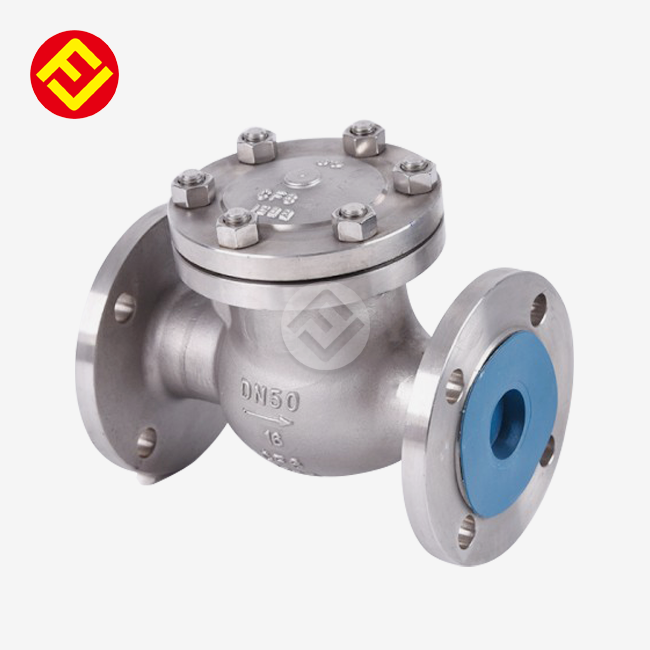
Material choice has a big effect on performance and durability. For uses with potable water, brass bodies are very resistant to corrosion and meet hygiene standards such as WRAS and ACS. Cast iron is very durable and works well in industrial settings where there is a lot of mechanical contact and temperature change. Stainless steel types work best in chemical processing or sites near the coast, where saltwater exposure speeds up the rusting process. Precision casting and CNC machining are both parts of FLA Industrial's production process. This allows us to get dimensions that are accurate to within 0.05 mm, which means that our connections don't leak and the pressure changes smoothly.
How Pressure Regulation Mechanisms Work?
A diaphragm that is loaded with springs inside the valve body reacts to changes in the pressure downstream. When the pressure at the outlet falls below the set point, the diaphragm opens wider, letting more run through. As the pressure builds, the mechanism closes the opening, which keeps the balance. This balanced seat design makes sure that the valve keeps the same outlet pressure even when the inlet pressure changes from 10 to 25 bar, which happens a lot in city mains when demand is low at night and high in the morning.
Integrated gauge connections let you watch things in real time, which is very important for predictive maintenance. This function is great for procurement engineers because it takes away the need to guess. During launching, you can check the performance and find diaphragm fatigue before it causes a catastrophic failure. Surface treatments, such as nickel plating or powder coating, keep things from rusting on the outside, which extends their useful life. This is especially true in damp mechanical areas or outdoor installations.
Core Benefits Driving Procurement Decisions
Seals, gaskets, and valve seats don't wear out as quickly when downstream parts are kept safe from overpressure. Industrial clients say that having proper pressure regulation makes equipment last 40–60% longer. Field data from HVAC systems shows that when pumps and boilers work within their optimal pressure ranges, they save 15 to 25 percent of the electricity they use.
As utility rates go up, changes that save water become more important. When pressure is too high, flow rates go above and beyond what was intended, wasting resources. Municipal park services have shown that a properly adjusted valve can cut water use in irrigation networks by up to 30%. When pressure stays below 6 bar, water hammer—those damaging shock waves that break pipes and loosen joints—diminishes a lot. This makes the system last longer.
How Water Pressure Impacts Your Fixtures and System Performance?
Recognizing Damage Patterns from Improper Pressure
Maintenance teams that are good at their job learn to spot the signs of too much pressure. When water flows through faucets at a high speed all the time, valve parts wear down, causing drips to happen. The toilet fill valves usually last 5 years, but they often break after only 18 months. Water heaters' tanks rust and release valves leak faster than expected, so they need to be replaced years before they're supposed to be.
In commercial kitchens, dishwashers and ice machines break solenoid valves when the supply pressure goes above what the maker recommends, which is usually between 4.5 and 5 bar. These repairs stop business from running and raise questions about liability during health checks. On high-rise construction sites, flexible hoses often burst on the upper floors, where static pressure from height adds 1 bar for every 10 meters of height. For example, the top floor of a 20-story building would have 20 bar of extra pressure if it didn't go down.
The opposite is also true: not enough pressure leads to inefficient operations. Cooling towers can't keep up with the right spray patterns, which cuts their ability to remove heat by 20–30%. Fire sprinkler systems might not give the rated flow, which would make it harder to meet life safety standards. When steriliser autoclaves can't reach the right working temperatures because of low steam pressure, it makes it harder for medical facilities to keep infections under control.
Optimal Pressure Settings for System Reliability
The best balance is reached when the downstream pressure stays between 2.5 and 4 bar for most business and light industrial uses. This range meets the needs of fixtures while putting the least amount of stress on the parts. Pressure zones are often needed for fire safety systems. For example, 8–12 bar at the pump discharge, 6 bar at branch lines and 4 bar at individual spray heads to stop misting.
Pressure can be lowered to 3 bar, which is the same setting on a closed-loop boiler's relief pressure reducing valve. This is good for HVAC systems that use makeup water. The water from the city usually comes into buildings at 6–10 bar, but it needs to be lowered to 3–4 bar to protect home appliances and fixtures. When given 7 bar, irrigation controls that are meant to work with 2.5 bar don't work right, and valve diaphragms tear within weeks.
A factory in the Midwest saved a lot of money after putting in pressure-reducing valves of the right size across their process cooling lines. They used to repair the seals on the heat exchangers every three months, which cost a lot and caused a lot of downtime. Once the supply pressure was stable at 3.5 bar, it was possible to replace the seals every 18 months instead of every 12 months. This cut the total cost of maintenance by 38% per year.
Choosing the Right 32mm Pressure Reducing Valve for Your Business Needs
Evaluating Technical Specifications Against Application Requirements
Matching valve pressure rating to system demands prevents under-specification failures. PN16 valves handle inlet pressures up to 16 bar, suitable for most commercial buildings. PN25 variants accommodate higher pressures found in industrial process lines or locations with exceptionally high municipal supply pressure. The adjustment range determines flexibility—models offering 1.5 to 6 bar span most applications, while specialized units provide 0.5 to 12 bar for extreme scenarios.
Connection type influences installation labor and long-term reliability. Threaded BSP or NPT connections simplify installation in smaller systems, requiring only pipe dope and wrenches. Flanged connections per ISO 7005-2 standards provide superior vibration resistance and ease of maintenance in industrial settings where valves need periodic inspection or replacement. Welded joints offer permanent leak-free connections but limit serviceability.
Material compatibility extends beyond the valve body to internal components. EPDR or NBR diaphragms suit potable water but degrade rapidly in hydrocarbon service. Viton or PTFE seals handle aggressive chemicals but increase cost. Understanding your fluid characteristics—temperature range, pH level, suspended solids content—guides appropriate material selection and prevents premature failure.
Comparing Valve Sizes for Your Specific Flow Demands
While 32mm valves serve many applications effectively, understanding when to upsize or downsize optimizes both performance and cost. A 25mm valve suffices for residential multi-family units with 3-5 fixtures per dwelling, but undersizes when serving commercial kitchens with simultaneous heavy demand. A 40mm valve becomes necessary for small industrial facilities or large office complexes where flow rates exceed 12 cubic meters per hour during peak usage.
Velocity considerations matter significantly. Maintaining flow velocity below 2 meters per second minimizes erosion and noise. Oversized valves running near-closed positions cause instability and hunting, while undersized units operate wide-open, losing regulatory capability. Engineers calculate required KV values based on maximum flow rate and acceptable pressure drop, typically targeting 0.3-0.5 bar loss across the valve at design flow.
Budget constraints tempt some buyers toward smaller valves, but this shortsighted approach costs more long-term. An undersized valve works harder, wearing internal components faster and requiring replacement years earlier than properly sized units. Investing in the correct size from the outset delivers better total cost of ownership through extended service life and superior performance reliability.
Manual versus Motorized Valve Technologies
Traditional manual adjustment valves use a handwheel or adjustment screw to set outlet pressure. These units provide reliable service in stable applications where pressure requirements rarely change. Simplicity translates to lower acquisition costs and virtually maintenance-free operation, appealing to budget-conscious distributors and contractors. The absence of electrical components eliminates power supply requirements and reduces potential failure points.
Motorized valves equipped with electronic actuators and pressure transducers offer dynamic control for complex systems. These units automatically adjust to varying demand, maintaining tighter pressure tolerances—within 5% versus 10% for manual types. Integration with building management systems enables remote monitoring and data logging, supporting predictive maintenance programs. The higher initial investment pays dividends in large facilities where labor costs for manual adjustment rounds become prohibitive.
Hybrid solutions combine manual base operation with optional motorization, providing upgrade flexibility as facility needs evolve. Procurement managers appreciate this approach because it accommodates phased implementation without discarding equipment investment. Understanding your operational requirements—static versus dynamic loads, labor availability, monitoring capabilities—determines which technology delivers optimal value.
Installation, Maintenance, and Troubleshooting for 32mm Pressure Reducing Valves
Professional Installation Practices That Ensure Longevity
Proper orientation matters more than many installers realize. Most pressure reducing valves must be mounted with the diaphragm chamber facing upward to prevent sediment accumulation that interferes with spring action. Horizontal pipe runs require adequate support both upstream and downstream to prevent strain on the valve body that can misalign internal components. Allow minimum straight pipe runs—typically 5 diameters upstream and 2 diameters downstream—to ensure laminar flow entering the valve.
Strainer installation upstream protects the valve seat from debris that causes premature wear and leakage. A 40-mesh stainless steel strainer catches particles larger than 0.4mm, extending valve service life substantially. Bypass piping around the valve assembly permits maintenance without system shutdown, critical for facilities operating 24/7. Isolation valves on both sides enable safe removal during service intervals.
Pressure gauge installation at both inlet and outlet provides essential diagnostic capability. These gauges should be glycerin-filled to dampen needle vibration and rated 1.5 times the expected maximum pressure to prevent over-range damage. During commissioning, gradually open isolation valves to avoid pressure shock that can damage the diaphragm. Set outlet pressure 15-20% below maximum desired level during initial startup, then adjust upward incrementally while monitoring gauge response.
Maintenance Intervals That Prevent Unexpected Failures
Quarterly visual inspections catch developing issues before they escalate. Check for weeping around the bonnet—a telltale sign of diaphragm fatigue. Listen for unusual noise like whistling or chattering that indicates cavitation or excessive flow velocity. Verify gauge readings match set points; drift exceeding 10% suggests spring fatigue or seat erosion requiring attention.
Annual full service includes disassembling the valve, inspecting the diaphragm for cracks or permanent deformation, and examining the seat for scoring or deposits. Clean all components with appropriate solvents—avoid harsh chemicals that attack elastomers. Replace the diaphragm every 200,000 cycles or 3-5 years, whichever comes first. Spring replacement typically occurs every 5-7 years as fatigue reduces preload force, compromising pressure regulation accuracy.
Troubleshooting common issues requires systematic diagnosis. Outlet pressure creep when no flow occurs indicates seat leakage requiring lapping or replacement. Pressure fluctuation during flow suggests inadequate valve sizing or upstream supply instability. Excessive noise points to cavitation from setting outlet pressure too close to vapor pressure or from downstream restrictions creating high velocity. Documenting maintenance activities and performance trends enables data-driven replacement decisions rather than reactive emergency repairs.
Procurement and Supply Chain Insights for 32mm Pressure Reducing Valves
Strategic Sourcing Channels for Different Project Scales
Hardware distributors and tool wholesalers seeking diverse SKU options for retail inventory find online B2B marketplaces efficient for comparing specifications across multiple manufacturers. These platforms aggregate technical datasheets and pricing, streamlining initial research. However, direct manufacturer relationships deliver superior value for volume orders through negotiated pricing, customization capabilities, and dedicated technical support that marketplaces cannot provide.
Construction contractors managing multiple simultaneous projects benefit from establishing preferred supplier agreements with manufacturers offering consistent product availability and rapid delivery. Material delays on construction sites cascade into expensive schedule impacts and liquidated damages. Suppliers maintaining substantial inventory—like our 2,000-ton stock at FLA Industrial—ensure critical components arrive when needed, not when convenient for production schedules.
Plumbing and HVAC contractors requiring specialty configurations or specific certifications often find local distributors lacking adequate selection. Direct engagement with manufacturers experienced in custom fabrication opens possibilities for optimized solutions. Our engineering team regularly collaborates with clients to design valves meeting unique requirements—non-standard pressure ranges, special materials, integrated accessories—delivered within 7-15 days from specification approval.
Bulk Ordering and Customization Considerations
Large-scale projects involving hundreds of units benefit from volume discounts and dedicated production runs ensuring batch consistency. Coordinating delivery schedules with construction phases minimizes on-site storage requirements and theft risk. Phased delivery contracts lock in pricing while providing flexibility as project schedules inevitably shift.
Customization extends beyond dimensions to include testing documentation, special packaging, and pre-configuration to specific pressure settings. Projects requiring third-party certification benefit from manufacturers holding relevant approvals—our ISO9001, CE, UL, and FM certifications eliminate redundant testing expenses and accelerate approval processes. White-labeling options appeal to distributors building brand equity in regional markets.
Understanding total cost of ownership transforms procurement from simple price comparison to value optimization. The cheapest 32mm pressure reducing valve often carries hidden costs—freight delays, inadequate technical documentation, non-responsive warranty service, and premature failure requiring replacement. Experienced procurement engineers evaluate supplier reliability, quality consistency, technical support capabilities, and long-term partnership potential alongside unit pricing.
Why FLA Industrial Stands Out in a Crowded Market?
Our nearly 40 years manufacturing experience translates to deep understanding of real-world application challenges. We have refined our casting processes, machining tolerances, and surface treatments through decades of field feedback from Fortune Global 500 partners who demand uncompromising reliability. Quality control extends beyond compliance testing to encompass dimensional verification, pressure cycling, leak detection, and functional validation before shipment.
Rapid response capabilities differentiate us from competitors who view technical support as an afterthought. When you Contact Us at sales@flaindustrial.com, expect detailed responses within 24-48 hours addressing pricing, specifications, compatibility questions, or custom design requirements. Our engineering team can generate 3D models and technical drawings, enabling your designers to integrate components accurately into system designs before ordering.
Scalability across order sizes accommodates prototype development through full production runs without sacrificing attention or delivery speed. Whether you need 10 valves for a pilot project or 10,000 units for a national rollout, our manufacturing capacity and inventory depth support your timeline without compromise. This flexibility proves invaluable as projects evolve from concept through execution.
Conclusion
Understanding water pressure dynamics and implementing appropriate control measures protects your investment in plumbing infrastructure while reducing operational costs. The strategic deployment of properly sized pressure reducing valves prevents equipment damage, extends fixture lifespans, improves energy efficiency, and enhances system reliability across diverse applications. From fire protection systems in commercial towers to process cooling in manufacturing facilities, these components deliver measurable value through reduced maintenance, lower utility consumption, and minimized downtime. Partnering with experienced manufacturers ensures you receive not just a product, but comprehensive technical support, customization capabilities, and quality assurance that elevate project outcomes.
FAQ
How often should 32mm pressure reducing valves undergo maintenance inspections?
Quarterly visual inspections should check for leaks, verify gauge accuracy, and listen for unusual sounds indicating cavitation or component wear. Annual comprehensive service involves disassembly, diaphragm inspection, seat examination, and cleaning of all components. High-use environments like industrial facilities may require semi-annual full service. Documenting these activities helps predict when components approach end of service life, preventing unexpected failures during critical operations.
Can one valve handle both steady-state and fluctuating inlet pressures effectively?
Quality valves with balanced seat designs manage inlet pressure variations effectively, maintaining consistent outlet pressure despite upstream fluctuations between operational minimums and maximums. However, extreme swings exceeding the valve's adjustment range or rapid pressure transients may require additional surge protection upstream. Properly sized units with appropriate spring ratings accommodate typical municipal supply variations without performance degradation.
Does valve body material significantly affect operational performance and durability?
Material selection directly impacts corrosion resistance, mechanical strength, and service life in specific environments. Brass excels in potable water applications with neutral pH but corrodes in acidic conditions. Cast iron provides superior mechanical strength for industrial settings but requires protective coatings in corrosive atmospheres. Stainless steel offers maximum corrosion resistance and longevity but increases investment. Matching material to your fluid characteristics and environmental conditions optimizes performance and lifecycle value.
Partner with FLA Industrial for Your Pressure Reducing Valve Needs
Ready to optimize your system performance with reliable pressure control solutions? As a leading 32mm pressure reducing valve manufacturer with nearly four decades of expertise, FLA Industrial & Trading Co., Ltd. delivers precision-engineered valves crafted from brass, cast iron, and stainless steel to meet your exact specifications. Our ISO9001, CE, UL, and FM certifications guarantee international quality standards, while our substantial inventory and rapid customization capabilities—just 7-15 days for special orders—keep your projects on schedule. Contact our team at sales@flaindustrial.com to discuss your requirements, request technical specifications, or place your order today.
References
American Water Works Association. "Water Pressure Management in Distribution Systems." AWWA Manual M77, 2019.
National Fire Protection Association. "Installation of Sprinkler Systems." NFPA 13 Standard, 2021 Edition.
ASHRAE. "HVAC Systems and Equipment Handbook." American Society of Heating, Refrigerating and Air-Conditioning Engineers, 2020.
International Association of Plumbing and Mechanical Officials. "Uniform Plumbing Code." IAPMO, 2021 Edition.
European Committee for Standardization. "Building Valves - Pressure Reducing Valves and Combination Pressure Reducing Valves." EN 1567:2000+A1:2009.
Hydraulic Institute. "Pump System Optimization and Life Cycle Costing." HI Technical Standards, 2018.