Using a Pneumatic Bag Jack To Lift Vehicles To Work On Them
2026-06-10 10:35:10


You can use a pneumatic bag jack instead of hydraulic or mechanical lifting equipment when you need to quickly and safely lift cars for maintenance or repair work. This air-powered machine can lift cars weighing between 2.5 and 5 tons in seconds instead of minutes. Regular floor jacks need to be pumped over and over again and put pressure on car frames in one place. Air-operated jacks, on the other hand, spread weight over a larger area because of their reinforced rubber bellows design. This method lowers the chance of damage to the undercarriage and works well on rough areas like soft soil, sand, or uneven ground where regular jacks don't work. Learning how to use these tools correctly will change the way you do maintenance, whether you're in charge of a busy service center, the equipment on a building site, or emergency rescue operations.
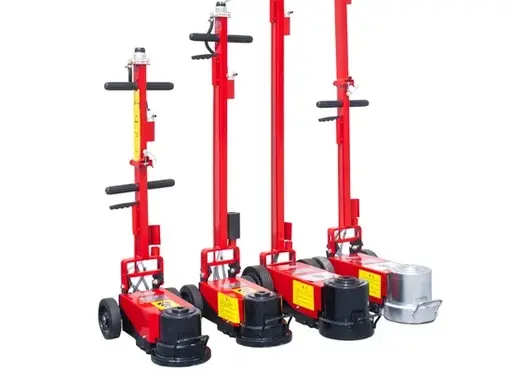
Understanding Pneumatic Bag Jacks and Their Role in Vehicle Lifting
When it comes to expert lifting, pneumatic bag jacks are a big step forward in technology. The basic idea behind these machines is simple: compressed air fills up a multi-layered rubber bladder that is strengthened with steel mesh or nylon cord. This creates an upward force that can lift heavy things. The engineering that went into making these tools solves a number of problems that maintenance workers and building crews face every day.
Construction and Material Composition
Nowadays, air jacks are made from carbon steel, alloy steel, or aluminum alloy, depending on the task they need to do. Different types of carbon steel are very strong for heavy-duty uses, while different types of aluminum alloy are lighter for portable uses. Fluororubber or nitrile rubber are used for the internal closing systems because they can stand up to high and low temperatures and chemicals. Chrome plating on the inside of the cylinders makes sure that they work smoothly and don't rust over time. These two types of materials work together to make tools that can handle rough working conditions and keep doing their job.
Operating Pressure and Safety Systems
These machines usually work at 6 to 10 Bar (85 to 145 PSI), which is a pressure that can be easily supplied by a normal shop air compressor. Over-inflation is stopped by safety valves, and noise is reduced during reduction by built-in exhaust mufflers. The internal telescopic steel stabilizer keeps the lifting motion straight up and down, which keeps the load from moving to the side, which could make it less stable. Check valves keep air in the bladder if the supply lines break. This keeps the lift position until the workers release the pressure on purpose. This backup protects both people and equipment during important lifting activities.
Advantages Over Traditional Lifting Methods
The main benefit of air-powered lifting devices is their speed. With compressed air, what takes 60 seconds with a hydraulic jack only takes 5 seconds. This decrease in time directly leads to higher effectiveness for service operations that handle a lot of requests. These systems also get rid of the problem of hydraulic fluid leaking, which keeps work areas clean and lowers the risk of environmental pollution. The tools work reliably in freezing temperatures, even though the hydraulic fluid thickens. This means they can be used on building sites and other places where it is cold.
Step-by-Step Guide: Using a Pneumatic Bag Jack to Lift Vehicles
The right way to use tools protects people and makes it last longer. When you follow structured processes, you reduce risks and get the most out of your lifting equipment.
Pre-Lift Assessment and Preparation
Before you start any lift, compare the weight of the car to the jack's rated capacity. Standard units can hold between 2.5 and 5 tons, but industrial types can hold more weight. Check the ground. These pneumatic bag jacks work better on soft surfaces than wheeled ones, but they can still be dangerous on steep hills or unstable ground. Get rid of anything in the work area that could poke a hole in the rubber bag. Make sure the air source has enough pressure. Most shop compressors have enough output, but make sure the pressure gauges read between 85 and 145 PSI.
Positioning and Inflation Procedure
Place the deflated jack under the vehicle's marked lift point, which is usually a strong frame section close to the wheels. Placing the load off-center on the rubber contact pad makes it unstable during expansion. Make sure the link between the air hose and the inlet valve is tight. Opening the control valve slowly will let air in slowly. As you watch the car rise, keep an eye out for any sideways movement or shifting. Once you hit the height you want, which is usually between 150 mm and 400 mm depending on the model and configuration you have, stop inflating it.
Post-Lift Safety Protocols
Air jacks are used to lift things, not to support them. As soon as you reach the right height, put mechanical jack stands under the car at the support points recommended by the maker. If the temperature changes or there are tiny leaks in the seal, the internal tank may slowly lose air over time. Do not work under a car that is only lifted by an air jack. As soon as the jack stands are stable and supporting the weight of the car, you can safely do repair work. This backup gives you the safety cushion you need for professional work.
Lowering and Equipment Inspection
When the work is done, turn the process around. Lift the car a little with the air jack to take the weight off the jack stands, then take the stands off. Let out some air slowly through the exhaust valve to control how fast the car goes downhill. Rapid compression makes things unstable; slow release keeps things under control during the lowering process. Check the rubber bladder for cuts, scrapes, or visible reinforcement cords every time you use it. Listen for hissing sounds to find air leaks in seals and valves. Keep the unit somewhere clean and dry, out of direct sunlight, since sunshine breaks down rubber compounds over time.
Pneumatic Bag Jack Selection Criteria for B2B Buyers
To choose the right lifting tools, you need to know what you need for your job and match that with the product's specifications. Purchasing choices have an impact on both short-term and long-term costs of doing business.
Load Capacity and Application Matching
The highest safe working load is shown by the capacity rating. For light automotive uses, a 2.5- to 3-ton capacity is needed, which is good for both cars and small trucks. Construction equipment and commercial cars that are used for work need 5-ton ratings. Specialized high-capacity units are needed for heavy industrial tasks like positioning machinery or maintaining big pieces of equipment. It's better to build in a safety margin than to always run at full capacity, so match your usual workload to the right capacity range. This method keeps safety margins and extends the life of the tools.
Comparative Analysis: Pneumatic Versus Hydraulic Systems
When comparing lifting technologies, you should think about more than just the cost of the original purchase. Hydraulic system need to have their fluids changed, their seals replaced, and their cylinders maintained on a regular basis. Pneumatic air jack don't need much maintenance; they just need the bag to be checked and the seal to be confirmed. Differences in cycle times have a big effect on productivity in high-volume processes. The faster speed of compressed air lifting cuts down on the time it takes to service vehicles, which increases the number of vehicles that can be used and the possibility to make money. Environmental concerns are also important. Hydraulic leaks cause problems with regulation and dumping costs that air systems don't have at all.
Supplier Reliability and Certification Standards
Look at possible suppliers' certifications to see how committed they are to quality. ISO 9001 certification means that quality control systems have been set up and are used throughout the manufacturing process. The CE mark shows that a product meets European safety standards, which are becoming more and more important for foreign trade. Pressure Equipment Directive (PED) and related GB standards certification show that safety rules for pressure vessels are being followed. Check more than just certifications. See how responsive the supplier is, if they offer technical help, and if they make spare parts easy to get. Manufacturers that have been around for a while and have a lot of stock can quickly fill urgent orders and send out new parts, keeping operations running smoothly.
Maintenance and Longevity of Pneumatic Bag Jacks
Systematic maintenance extends equipment service life and maintains safety margins. Procurement and engineering teams benefit from understanding maintenance requirements during equipment selection.
Routine Inspection Protocols
Implement regular inspection schedules based on usage frequency. High-volume operations benefit from weekly visual inspections, while moderate-use environments can extend intervals to monthly checks. Examine the rubber bladder for surface cracks, cuts, or areas where reinforcement cords become visible through the rubber. These conditions indicate approaching end-of-service life, typically occurring after 3 to 5 years in commercial environments. Inspect connection points where air hoses attach, looking for damaged threads or worn sealing surfaces. Check safety valves and exhaust mufflers for proper operation—malfunctioning safety valves compromise critical protection systems.
Cleaning and Storage Best Practices
After each work session, wipe the bladder surface clean using mild soap and water, removing accumulated oil, grease, and dirt. Petroleum Products" target="_blank" style="color:blue" >products degrade rubber compounds, accelerating deterioration. Avoid solvents or harsh chemicals that attack rubber materials. Store units in deflated condition away from ozone-generating equipment like electric motors and welding machines, which accelerate rubber aging. Moderate temperatures preserve material properties; extreme heat or cold during storage shortens service life. Cover stored units to prevent dust accumulation and protect against accidental damage.
Troubleshooting Common Issues
Pressure loss during operation typically indicates seal degradation or bladder punctures. Perform leak detection by inflating the jack without load and listening for escaping air. Apply soapy water to suspected areas—bubbles reveal leak locations. Small seal issues may be repairable through seal replacement kits, while bladder damage usually requires professional service or unit replacement. Uneven lifting or lateral instability suggests internal stabilizer wear or damage. This condition requires immediate attention, as it creates dangerous working conditions. Slow inflation despite adequate air supply may indicate restricted air passages or valve problems, often resolved through cleaning and component inspection.
Professional Service and Replacement Timing
While routine maintenance handles most requirements, certain situations demand professional intervention. Structural damage to metal components, severe bladder deterioration, or safety valve malfunctions warrant expert evaluation. Manufacturers typically provide service guidelines recommending professional inspection intervals, often annually for commercial operations. Replacement becomes necessary when repair costs approach 50-60% of new equipment investment or when safety concerns cannot be adequately addressed through repairs. Proper documentation of maintenance activities and service history supports informed replacement decisions and provides liability protection.
Conclusion
Pneumatic bag jacks deliver substantial operational advantages for vehicle maintenance, construction equipment servicing, and emergency response applications. Their rapid lifting capability, minimal maintenance requirements, and reliable performance across diverse working conditions make them valuable additions to professional tool inventories. Proper selection based on capacity requirements, diligent operation following safety protocols, and systematic maintenance practices ensure these tools provide years of dependable service. Understanding the technical specifications, operational procedures, and maintenance needs empowers procurement professionals to make informed decisions that enhance workplace safety and operational efficiency.
FAQs
What safety certifications should we require when purchasing these units?
Look for ISO 9001 quality management certification, CE product safety marking, and compliance with pressure equipment standards such as PED or GB regulations. These certifications demonstrate the manufacturer's commitment to safety throughout design, production, and testing phases. Units used in potentially explosive environments require ATEX certification for explosion-proof operation. Request documentation proving compliance before finalizing purchase orders, particularly for international shipments where customs clearance may require certification proof.
How do these jacks perform in bulk procurement cost-effectiveness evaluations?
Initial investment typically runs higher than basic hydraulic jacks, but total cost of ownership calculations reveal substantial savings. Reduced maintenance requirements, elimination of hydraulic fluid purchases, faster cycle times increasing productivity, and longer service life combine to deliver favorable return on investment. High-volume operations see payback periods of 12 to 18 months through improved bay turnover rates alone. Bulk purchasing often provides volume pricing advantages, though specific pricing depends on order quantities, specifications, and customization requirements.
Can manufacturers provide custom solutions for specialized lifting applications?
Reputable manufacturers offer customization services addressing unique operational requirements. Custom solutions include non-standard capacity ratings, modified footprint dimensions for space-constrained applications, specialized contact pad configurations for unusual load geometries, and integrated pressure monitoring systems. Development timelines for custom specifications typically range from 7 to 15 days, considerably faster than many industrial equipment customization processes. Providing detailed specifications including 3D models, load characteristics, and operational environment parameters enables manufacturers to propose optimal solutions efficiently.
Partner with FLA Industrial & Trading Co., Ltd. for Professional Air Lifting Solutions
At FLA Industrial & Trading Co., Ltd., we bring nearly 40 years of manufacturing excellence to every pneumatic bag jack we produce. Our extensive experience serving Fortune Global 500 partners demonstrates our capability to meet the demanding standards of high-volume distributors, construction contractors, and industrial maintenance operations. We maintain substantial inventory enabling rapid fulfillment of standard specifications while offering customization capabilities with remarkably short lead times. Our technical team provides comprehensive support from initial specification development through production updates, ensuring your lifting equipment investment delivers maximum value. Contact our procurement specialists at sales@flaindustrial.com to discuss your requirements with a trusted pneumatic bag jack supplier committed to quality, safety, and customer success.
References
American Society of Mechanical Engineers. (2021). Safety Standards for Portable Automotive Lifting Devices. ASME Publications.
Anderson, Robert & Mitchell, Sarah. (2020). Compressed Air Systems in Industrial Applications: Efficiency and Safety Considerations. Industrial Engineering Press.
European Committee for Standardization. (2019). Pressure Equipment Directive: Compliance Guidelines for Pneumatic Lifting Devices. CEN Technical Standards.
Harrison, David. (2022). Automotive Service Equipment: Selection, Operation, and Maintenance Best Practices. Professional Mechanics Publishing.
International Organization for Standardization. (2021). Quality Management Systems for Industrial Equipment Manufacturing. ISO 9001:2015 Guidelines.
Thompson, Michael & Chen, Wei. (2020). Material Science in Pneumatic Systems: Rubber Compounds and Metal Alloys for Pressure Applications. Engineering Materials Journal, Volume 47.
YOU MAY LIKE